

The clinical information regarding HPV and Cervical Cancer in this article has been rigorously verified against the latest guidelines from the American College of Obstetricians and Gynecologists (ACOG) and primary research from databases like PubMed. This piece was reviewed for accuracy and patient-centric clarity and was last updated in August 2024.
Introduction
introduction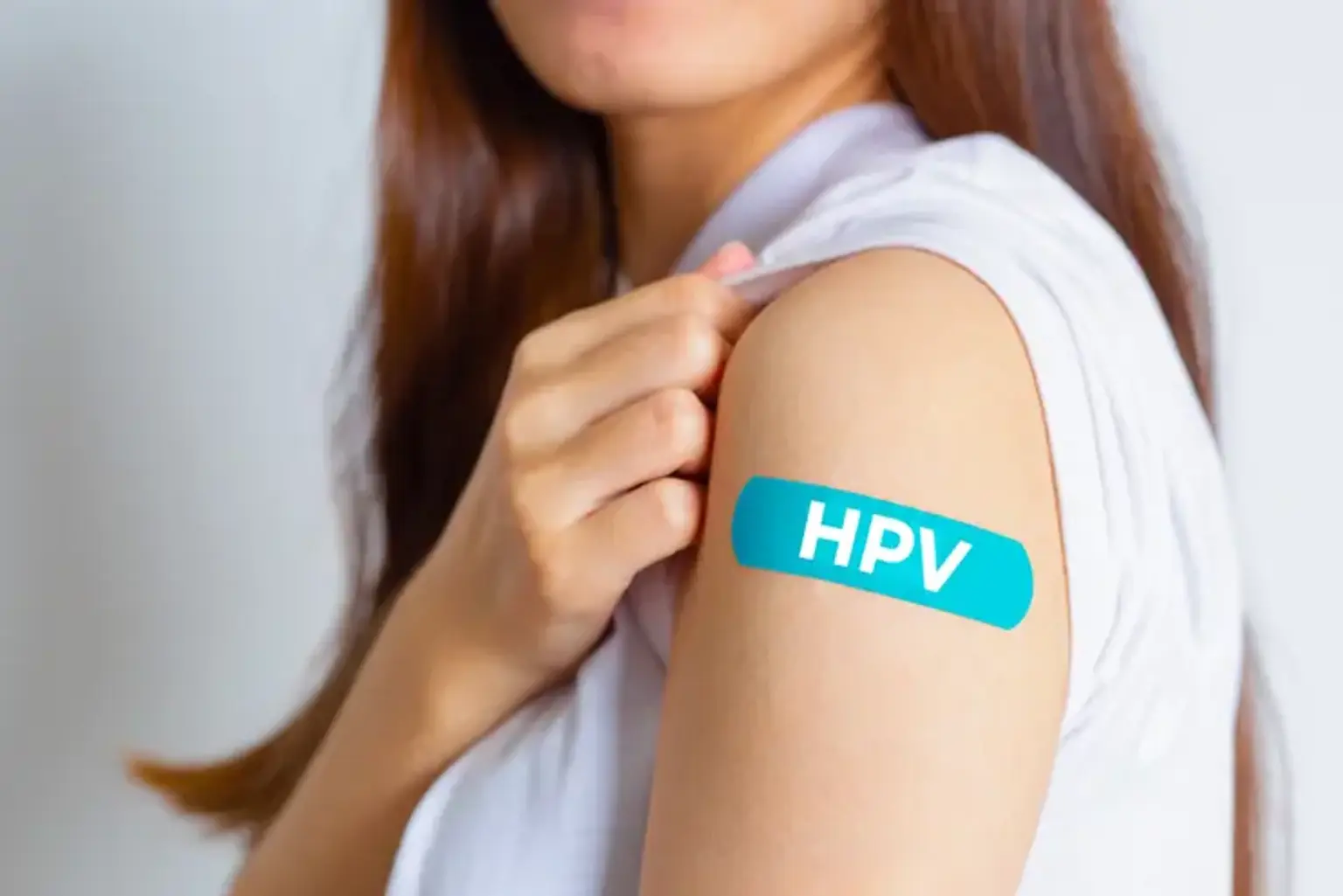
The Human Papillomavirus (HPV) is the most common sexually transmitted infection globally. While most infections are harmless and resolve on their own, persistent infection with certain high-risk strains is the primary cause of cervical cancer. Nearly all cases of cervical cancer can be attributed to HPV. This guide provides a comprehensive overview of the virus, its connection to cancer, and the modern approaches to prevention, diagnosis, and treatment for those seeking to protect their health.
What is HPV and How Does It Cause Cervical Cancer?
what-is-hpv-and-how-does-it-cause-cervical-cancerHuman Papillomavirus (HPV) is a group of more than 200 related viruses. They are transmitted through intimate skin to skin contact. The viruses are categorized as either low-risk or high-risk. Low-risk types may cause genital warts but do not cause cancer. High-risk HPV types, particularly HPV 16 and HPV 18, are responsible for over 70% of cervical cancers and pre cancerous cervical lesions.
The link between HPV and cervical cancer involves the following process:
Infection: The virus enters cervical cells, typically at the transformation zone where two types of cells meet.
Persistence: In most women, the immune system clears the infection within two years. However, in a small percentage, the infection persists.
Cellular Changes: The genetic material of the high-risk HPV can integrate into the host cell's DNA. This disrupts the normal mechanisms that control cell growth and death.
Progression: Over a period of years, sometimes 10 to 20 years or longer, these infected cells can multiply uncontrollably, forming pre-cancerous lesions cervical intraepithelial neoplasia, or CIN. If left untreated, these lesions can progress to invasive squamous cell carcinoma or adenocarcinoma of the.
What Are the Symptoms of High-Risk HPV and Early Cervical Cancer?
what-are-the-symptoms-of-high-risk-hpv-and-early-cervical-cancerHigh-risk HPV infections themselves do not cause any symptoms. This is why regular screening is critical. When HPV leads to the development of early stage cervical cancer, it also may not produce noticeable signs. As the cancer grows and invades nearby tissue, symptoms may appear.
Key symptoms to watch for include:
Abnormal Vaginal Bleeding: This is the most common symptom. It includes bleeding after intercourse, bleeding between periods, or bleeding after menopause.
Unusual Vaginal Discharge: The discharge may be watery, pink, or foul smelling and can be persistent.
Pelvic Pain: Pain during sexual intercourse or persistent, unexplained pain in the pelvic region.
Changes in Menstruation: Periods that are heavier or last longer than usual.
How is HPV Diagnosed and Tested in Women?
how-is-hpv-diagnosed-and-tested-in-womenScreening is the cornerstone of cervical cancer prevention and involves identifying high-risk HPV infections and pre-cancerous cell changes before they can progress.
The primary diagnostic methods include:
HPV Test: This test specifically detects the genetic material of high-risk HPV types in a sample of cervical cells. It is the preferred screening method for women over 30 in many countries.
Pap Test (Papanicolaou Test): A Pap smear collects cells from the cervix, which are then examined under a microscope for abnormalities or pre-cancerous changes.
Co-testing: This involves performing both an HPV test and a Pap test at the same time. This approach provides a comprehensive view of both the presence of the virus and any current cellular changes.
If screening results are abnormal, further diagnostic procedures are necessary.
Colposcopy: A procedure where a gynecologist uses a special magnifying instrument to examine the cervix, vagina, and vulva for signs of disease. A vinegar like solution is applied to highlight abnormal areas.
Biopsy: If abnormal cells are identified during a colposcopy, a small sample of cervical tissue is removed for laboratory analysis to confirm the presence and grade of pre-cancerous cells or cancer.
What Are the Current HPV Vaccination Guidelines?
what-are-the-current-hpv-vaccination-guidelinesThe HPV vaccine is a powerful tool for preventing HPV infections and the cancers they can cause. The Gardasil 9 vaccine protects against nine types of HPV, including the seven high-risk types that cause the vast majority of cervical and other HPV related cancers.
Current recommendations from authorities like the CDC and WHO are:
Routine Vaccination: Recommended for all adolescents, both girls and boys, at age 11 or 12. The vaccination can be started as early as age 9.
Catch-up Vaccination: Recommended for everyone through age 26 if they were not adequately vaccinated previously.
Shared Clinical Decision-Making: For adults aged 27 through 45, vaccination may be considered based on a discussion with their doctor about their individual risk for new HPV infections. The benefit is lower in this age group as most have already been exposed to HPV.
What Happens After a Positive HPV Test?
what-happens-after-a-positive-hpv-testReceiving a positive high-risk HPV test result can be alarming, but it does not mean you have cancer. It signifies that you are at an increased risk and require careful monitoring or follow-up.
The next steps depend on several factors, including your age, the specific HPV type, and the results of your Pap test.
Positive HPV, Normal Pap: Your doctor may recommend either re-testing in one year to see if the infection has cleared or performing a genotyping test to see if you have HPV 16 or 18. If you have these high-risk types, a colposcopy is often recommended.
Positive HPV, Abnormal Pap: A colposcopy and potential biopsy are almost always the next step to closely examine the cervix and determine the severity of the cell changes.
Management of Pre-cancer: If a biopsy reveals pre-cancerous lesions (CIN), treatment may be recommended to remove the abnormal tissue. Common procedures include Loop Electrosurgical Excision Procedure (LEEP) or cryotherapy.
"The phone call about my abnormal Pap smear was terrifying. I immediately thought the worst. But my doctor calmly explained the HPV result, we did a colposcopy, and created a monitoring plan. Knowing we caught it early and had a clear path forward was a massive relief." – An anonymous patient, United States.
How Can HPV-Related Cervical Cancer Be Treated?
how-can-hpv-related-cervical-cancer-be-treatedIf a diagnosis of cervical cancer is confirmed, treatment options are highly effective, especially when the disease is detected early. The treatment plan is tailored to the stage of the cancer, the tumor size, and the patient's overall health and desire to preserve fertility.
Main treatment categories include:
Surgery: For early stage cancer, surgery is often the primary treatment. This can range from a cone biopsy removing a cone shaped piece of cervical tissue to a radical hysterectomy removal of the uterus, cervix, and nearby tissues.
Radiation Therapy: Uses high-energy rays to kill cancer cells. It can be used as a primary treatment often combined with chemotherapy or after surgery to eliminate any remaining cancer cells.
Chemotherapy: Uses powerful drugs to kill cancer cells throughout the body. It is often given in combination with radiation for more advanced cervical cancer.
Targeted Therapy: These drugs work by targeting specific weaknesses in cancer cells and are sometimes used for advanced or recurrent cervical cancer.
Recommended Clinics with Relevant Expertise in South Korea
recommended-clinics-with-relevant-expertise-in-south-koreaSouth Korea is recognized for its advanced medical infrastructure and highly skilled specialists in gynecology and oncology. The following clinics offer comprehensive women's health services.
Website | Clinic Name | Best Known For | Address | Contact |
|---|---|---|---|---|
Second Spring Women's Clinic | Vaginal Aesthetic and Reconstructive Surgery | Gangnam-gu, Seoul, South Korea | ||
Seoul Miz Hospital | Comprehensive Obstetrics & Gynecology, Health Screenings | Gangdong-gu, Seoul, South Korea | ||
MariaPlus Fertility Hospital | Advanced Fertility Treatments and Reproductive Medicine | Songpa-gu, Seoul, South Korea | ||
Asan Medical Center | World-class Oncology and Complex Surgical Departments | Songpa-gu, Seoul, South Korea | ||
Goeunbit Women’s Clinic | General Obstetrics and Gynecological Care | Songpa-gu, Seoul, South Korea | ||
MizMedi Hospital | Specialized Women's & Children's Hospital, IVF | Gangseo-gu, Seoul, South Korea | ||
HI Fertility Clinic | Infertility and Assisted Reproductive Technologies | Gangseo-gu, Seoul, South Korea | ||
Helen Women’s Obstetrics & Gynecology Clinic | General Obstetrics and Gynecological Care | Songpa-gu, Seoul, South Korea |
Associated Gynecological Procedures with Average Costs in South Korea
associated-gynecological-procedures-with-average-costs-in-south-koreaThe following are common gynecological procedures. Costs are estimates and can vary based on clinic and case complexity. For HPV and cervical cancer management, procedures like colposcopy, LEEP, and surgical interventions would be most relevant.
Treatment/Procedure Name | Duration | Hospitalization | Avg. Cost (USD) in S. Korea | Contact |
|---|---|---|---|---|
Gynecological Surgery (e.g., Hysterectomy) | 1-3 hours | Needed (2-4 days) | $8,000 - $15,000 | |
Labiaplasty | 1-2 hours | Not Needed | $2,500 - $4,500 | |
Vaginal Tightening (Vaginoplasty) | 1-2 hours | Not Needed | $3,000 - $5,500 | |
Vaginal Mucosa Correction Injections | 30 mins | Not Needed | $800 - $1,500 | |
Clitoral Pop Filler Treatments | 30 mins | Not Needed | $700 - $1,200 | |
Non-Invasive Vaginal Rejuvenation (Laser) | 30-45 mins | Not Needed | $1,000 - $2,000 | |
Vulvar Whitening (Laser) | 30-45 mins | Not Needed | $500 - $1,000 | |
Hormone Replacement Therapy (HRT) | 45-60 mins | Not Needed | $300 - $700 | |
Endometriosis Management (Laparoscopy) | 1-3 hours | Needed (1-2 days) | $7,000 - $12,000 | |
Women's Disease and Menopause Consultation | 30-60 mins | Not Needed | $200 - $500 | |
Contraception Care (e.g., IUD Insertion) | 15-30 mins | Not Needed | $300 - $600 |
Frequently Asked Questions About HPV
frequently-asked-questions-about-hpvThis section addresses common practical questions patients have about HPV and its management.
1. Does having HPV mean I will get cervical cancer?
1.-does-having-hpv-mean-i-will-get-cervical-cancerNo, it absolutely does not. The vast majority of HPV infections, even high-risk ones, are cleared by the body's immune system without causing any problems. Only a small fraction of persistent high-risk infections will lead to the cell changes that can eventually become cancer, and this process usually takes many years. Regular screening is designed to catch these changes long before they become cancerous.
2. Can men be tested for HPV?
2.-can-men-be-tested-for-hpvThere is currently no routine, FDA approved test for diagnosing HPV in men. HPV is usually diagnosed in men only when it causes symptoms like genital warts. Men can, however, be carriers of the virus and transmit it to their partners, which is a primary reason why HPV vaccination is recommended for both boys and girls.
3. If I get the HPV vaccine, do I still need Pap smears?
3.-if-i-get-the-hpv-vaccine-do-i-still-need-pap-smearsYes. The HPV vaccine is highly effective but does not protect against every single high-risk HPV type that can cause cancer. Therefore, it is essential to continue with routine cervical cancer screening like Pap and/or HPV tests according to your doctor's recommendations, even if you have been fully vaccinated.
4. Can HPV be cured or cleared by the body?
4.-can-hpv-be-cured-or-cleared-by-the-bodyThere is no medical cure for the virus itself. However, in over 90% of cases, the immune system naturally clears the infection on its own within two years. While there is no treatment for the virus, there are effective treatments for the health problems it can cause, such as pre-cancerous cells and cancer.
5. How is HPV transmitted?
5.-how-is-hpv-transmittedHPV is transmitted primarily through direct sexual contact, including vaginal, anal, and oral sex. It is passed through skin to skin contact, so it can be transmitted even without ejaculation or penetration. Because it is so common, most sexually active people will get HPV at some point in their lives.
6. Are there different types of HPV vaccines?
6.-are-there-different-types-of-hpv-vaccinesYes, though Gardasil 9 is the only HPV vaccine currently used in many countries, including the United States. It protects against HPV types 6, 11, 16, 18, 31, 33, 45, 52, and 58. Previous vaccines, like the quadrivalent Gardasil and Cervarix, were also effective but Gardasil 9 offers the broadest protection.
Take Control of Your Health: Get Clarity on HPV and Cervical Cancer Now!
take-control-of-your-health:-get-clarity-on-hpv-and-cervical-cancerUnderstanding your risk and taking proactive steps is the most powerful tool you have. Whether you have questions about the HPV vaccine, need to schedule a screening, or are seeking a second opinion after an abnormal test result, getting expert medical guidance is crucial. The process of navigating international healthcare can be simple and transparent. A dedicated Care Manager can provide end-to-end support, from your first question to your post-treatment care. And Start Your Confidential Inquiry with CloudHospital to receive a personalized plan from leading gynecological specialists in South Korea.