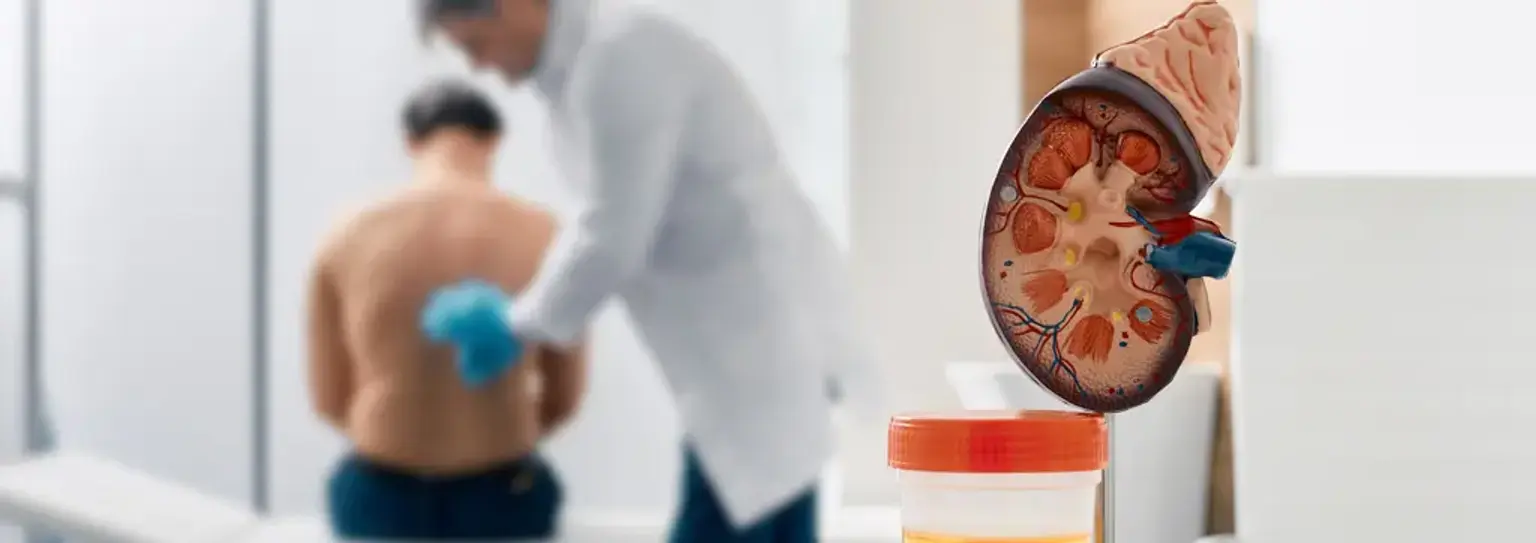



The clinical information regarding Urinary Stone Disease in this article has been rigorously verified against the latest guidelines from the American Urological Association (AUA) and primary research from databases like PubMed. This piece was reviewed for accuracy and patient-centric clarity and was last updated in February 2024.
Introduction
introductionUrinary stone disease, also known as urolithiasis, is a common condition affecting millions of people worldwide, with prevalence rates in some regions exceeding 10%. It occurs when hard, crystal-like mineral deposits form inside the urinary tract. While often causing significant pain and discomfort, modern urology offers highly effective solutions. In this expert-driven Q&A, we provide professional insights into the most important questions patients have about urinary stone disease, cutting through the confusion to provide clarity and confidence.
What are the primary causes and risk factors for urinary stone disease?
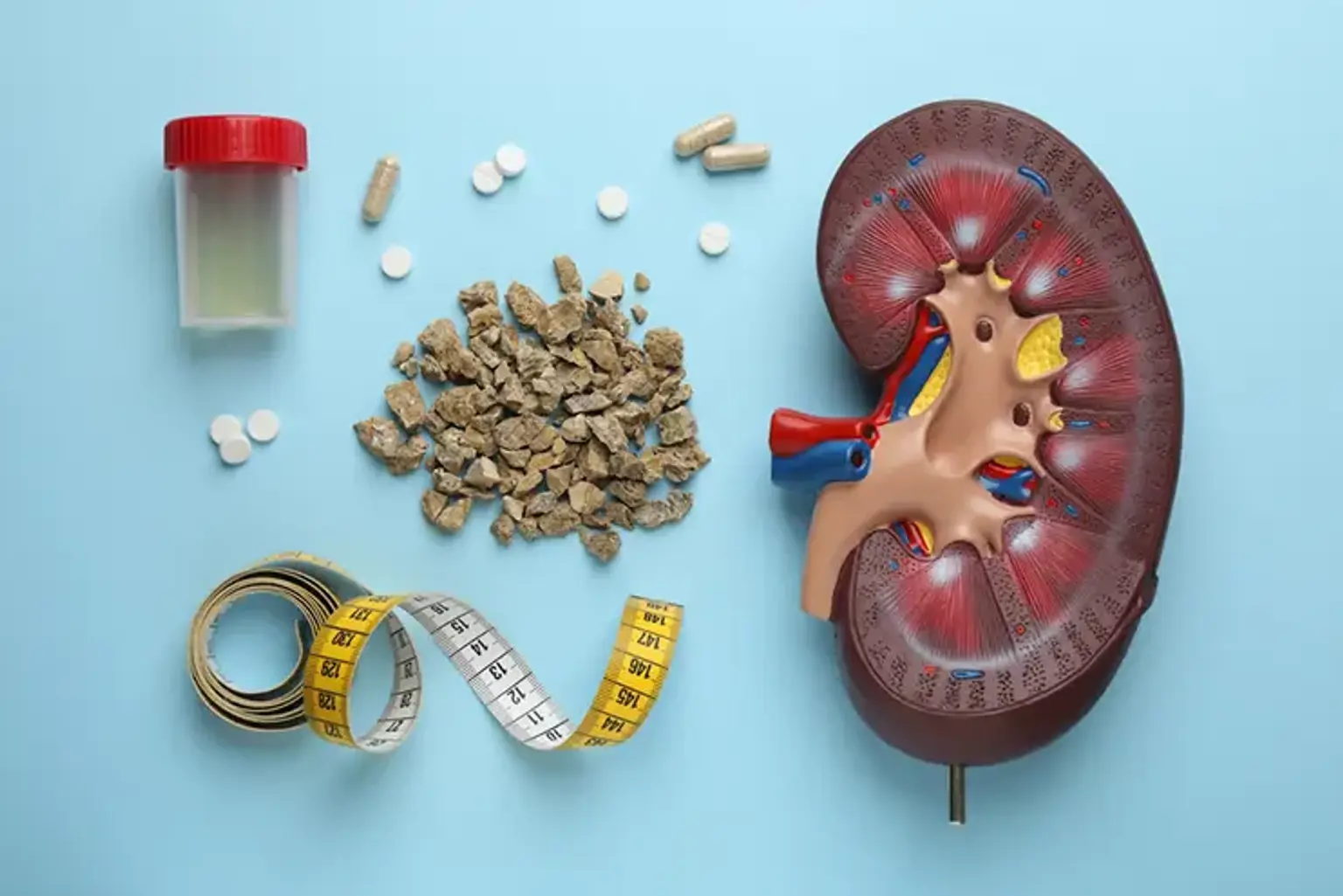
what-are-the-primary-causes-and-risk-factors-for-urinary-stone-diseaseThe most direct answer is that stones form when your urine contains more crystal-forming substances, such as calcium, oxalate, and uric acid, than the fluid in your urine can dilute. This concentration leads to the formation of hard mineral crystals. While there isn't always a single, identifiable cause, several key factors significantly increase your risk.
Dehydration: Insufficient fluid intake is a primary contributor. Not drinking enough water makes urine more concentrated, creating an ideal environment for stone formation.
Diet: Diets high in protein, sodium, and sugar can increase the risk of certain types of stones. Specifically, high levels of oxalate, found in foods like spinach, nuts, and chocolate, can contribute to calcium oxalate stones, the most common type.
Medical Conditions: Certain conditions are strongly linked to stone formation. These include gout leading to uric acid stones, recurrent urinary tract infections (UTIs), hypercalciuria, a hereditary condition of high calcium in the urine, and metabolic disorders.
Obesity: A Higher body mass index (BMI) is associated with an increased risk of kidney stones.
Family or Personal History: If you or a close relative has had kidney stones, you are more likely to develop them as well. About half of all people who form one stone will develop another within their lifetime.
How is urinary stone disease accurately diagnosed?
how-is-urinary-stone-disease-accurately-diagnosedA definitive diagnosis is achieved through a combination of a physical exam, a review of your symptoms, and specialized imaging tests. While symptoms like severe flank pain, hematuria blood in the urine, and nausea are strong indicators, imaging is required to confirm a stone's presence, size, and exact location.
The current gold standard for diagnosis is a non-contrast computed tomography (CT) scan of the abdomen and pelvis. This test is highly sensitive and can detect almost all types of stones, pinpoint their location, and determine if they are causing a blockage or obstruction in the urinary tract.
Other diagnostic tools include:
Ultrasound: This is a non-invasive option that does not use radiation, making it a primary choice for pregnant women and children.
X-ray: A standard KUB (Kidneys, Ureters, Bladder) X-ray can identify many types of stones, but it may miss smaller or less dense ones.
Urine and Blood Tests: These laboratory tests are crucial for checking for signs of infection, assessing kidney function, and analyzing levels of stone-forming minerals in your system.
What are the main treatment options for kidney stones?
what-are-the-main-treatment-options-for-kidney-stonesThe answer depends heavily on the stone's size, location, type, and whether it is causing severe pain or obstruction. For small stones, the most common recommendation is conservative management, which involves pain relief and drinking plenty of fluids to help the stone pass naturally. For larger stones or those causing complications, a procedure is typically required.
The three primary minimally invasive procedures are:
Extracorporeal Shock Wave Lithotripsy (ESWL): This non-invasive procedure uses high-energy sound waves directed from outside the body to break a stone into smaller, passable fragments.
Ureteroscopy (URS): A surgeon inserts a very thin, flexible ureteroscope through the urethra and bladder into the ureter or kidney. The stone is then either removed with a basket or broken apart with a laser. No incisions are made.
Percutaneous Nephrolithotomy (PCNL): This is the most effective option for very large or complex stones. It involves making a small incision in the back to create a direct tunnel into the kidney, through which instruments are passed to break up and remove the stone.
The choice between these treatments is a clinical decision based on achieving the highest stone-free rate with the lowest risk. For example, PCNL has a higher success rate for large stones than ESWL, but it is also more invasive.
Is kidney stone surgery painful, and what is the recovery like?
is-kidney-stone-surgery-painful-and-what-is-the-recovery-likeThe direct answer is that while the procedures themselves are performed under anesthesia to prevent pain, some discomfort during recovery is normal. Modern minimally invasive techniques have significantly reduced recovery times compared to traditional open surgery.
Post Procedure Discomfort: It is common to experience some flank soreness, and many patients have a temporary tube called a ureteral stent placed to ensure the ureter stays open while it heals. This stent can cause a frequent urge to urinate and some discomfort, but it is typically removed within a few days to a week.
Recovery Timelines:
ESWL and Ureteroscopy: Most patients can resume normal activities within two to three days.
PCNL: Recovery is longer, typically requiring a hospital stay of one to three days, with a return to normal, non-strenuous activities in one to two weeks.
What Are the Most Important Takeaways?
what-are-the-most-important-takeawaysHydration is Key: The single most important preventative measure is to drink enough fluid, aiming for at least 2.5 liters of urine output per day.
Diagnosis is Precise: A non-contrast CT scan is the most reliable way to diagnose a stone and guide treatment decisions.
Treatment is Highly Effective: Modern urology offers multiple minimally invasive options, ESWL, URS, PCNL, that can achieve high stone-free rates with minimal recovery time.
Prevention is Possible: After your first stone, a metabolic evaluation can help identify specific risk factors, allowing for targeted dietary changes or medication to prevent recurrence.
"I was overwhelmed by the pain and the confusing information online. But sitting down with the specialist, who mapped out exactly what was happening and what our options were, gave me an incredible sense of control and confidence. The clarity was the best medicine." – an anonymous patient, South Korea.
Recommended Clinics with Relevant Expertise in South Korea
recommended-clinics-with-relevant-expertise-in-south-koreaFor patients seeking expert care, South Korea offers numerous world-class medical centers specializing in advanced urological treatments.
Website | Clinic Name | Best Known For | Address | Contact |
|---|---|---|---|---|
Gangnam St. Mary's Urology Clinic | English-speaking care, minimally invasive procedures for BPH and stone disease. | Seocho-gu,Seoul, South Korea | ||
Samsung Medical Center | Comprehensive urological oncology, robotic surgery, and advanced diagnostics. | Gangnam-gu, Seoul, South Korea | ||
Asan Medical Center | High volume urological surgery, organ transplantation, endourology. | Songpa-gu, Seoul, South Korea | ||
Seoul National University Hospital | Leading research, treatment of complex urological cancers and conditions. | Seobuk-gu, Cheonan, South Korea | ||
Korea University Anam Hospital | Infectious diseases, general and specialized urological care. | Seongbuk, Seoul, South Korea | ||
Chung-Ang University Hospital | Pioneering extracorporeal shock wave lithotripsy (ESWL) in Korea, and robotic surgery. | Dongjak, Seoul, South Korea | ||
Best Top Urology Clinic | General urology, male reproductive health, and localized treatments. | Yeongtong-gu, Suwon, South Korea | ||
Top Urology Clinic | Regional expertise in general urological disorders and procedures. | Gyeongsangbuk-do, Gumi, South Korea |
Recommended Treatment/Procedure Names with Average Costs in South Korea
recommended-treatmentprocedure-names-with-average-costs-in-south-koreaBelow are the primary procedures for urinary stone disease with estimated details. Costs are approximate and can vary based on stone complexity and hospital specifics.
Treatment/Procedure Name | Duration | Hospitalization? | Avg Cost Range (USD) in S. Korea | Contact |
|---|---|---|---|---|
Extracorporeal Shock Wave Lithotripsy (ESWL) | 45 - 60 minutes | Not Needed | $2,000 - $3,500 | |
Ureteroscopy (URS) with Laser | 30 - 90 minutes | Not Needed | $4,000 - $7,000 | |
Percutaneous Nephrolithotomy (PCNL) | 2 - 3 hours | Needed (1-3 days) | $7,000 - $12,000 |
How Can I Prepare for My Own Consultation?
how-can-i-prepare-for-my-own-consultationPreparing for your appointment helps ensure you and your doctor can make the best decisions for your health. Here is a practical guide to getting the most out of your consultation.
1. How do I schedule a consultation with an expert?
1.-how-do-i-schedule-a-consultation-with-an-expertThe most direct way is to contact a top-tier medical center or a specialized urology clinic. For international patients, using a medical concierge service simplifies the process, handling appointment scheduling, medical record transfer, and communication with the hospital's international patient center.
2. What documents and information should I bring?
2.-what-documents-and-information-should-i-bringGather all relevant medical records to provide a complete picture of your health. This includes any prior imaging CT scans, X-rays, ultrasounds, results from past blood or urine tests, a list of your current medications and allergies, and a detailed timeline of your symptoms.
3. What questions should I ask the urologist?
3.-what-questions-should-i-ask-the-urologistBeing prepared with questions is crucial.
Consider asking the following:
Based on my scan, what is the size and location of my stone(s)?
What treatment option do you recommend for me, and why?
What is the success rate for this procedure for a stone like mine?
What are the potential risks or complications?
What will my recovery period look like? Will I need a stent?
What dietary or lifestyle changes should I make to prevent future stones?
Regain Your Comfort: Take the First Step Towards Stone-Free Living Today!
regain-your-comfort:-take-the-first-step-towards-stone-free-livingNavigating the pain and uncertainty of urinary stone disease can be challenging, but you do not have to do it alone. The path to relief starts with expert guidance. By inquiring about your condition through a dedicated care coordination service, you gain access to a seamless, transparent process by CloudHospital. A dedicated Care Manager will support you end-to-end, from your initial questions and scheduling with top Korean specialists to your post-recovery care. And Start Your Confidential Inquiry to receive a personalized treatment plan and reclaim your quality of life.