

The clinical information regarding Why Patients Seek Treatment in South Korea in this article has been rigorously verified against the latest healthcare system performance data from the Organisation for Economic Co operation and Development OECD and primary research from databases like PubMed. This piece was reviewed for accuracy and patient centric clarity and was last updated in May 2024.
Introduction
introductionSouth Korea consistently ranks among the top countries globally for healthcare outcomes and system efficiency. The nation boasts one of the highest cancer survival rates and lowest hospital mortality rates for strokes among developed nations. This excellence is not accidental but the result of a system built on technological innovation, rigorous clinical standards, and a patient centered approach. This document explains the core reasons for South Korea's rise as a medical destination, the advanced treatments available, and what international patients can expect.
What Makes South Korea a Premier Medical Destination
what-makes-south-korea-a-premier-medical-destination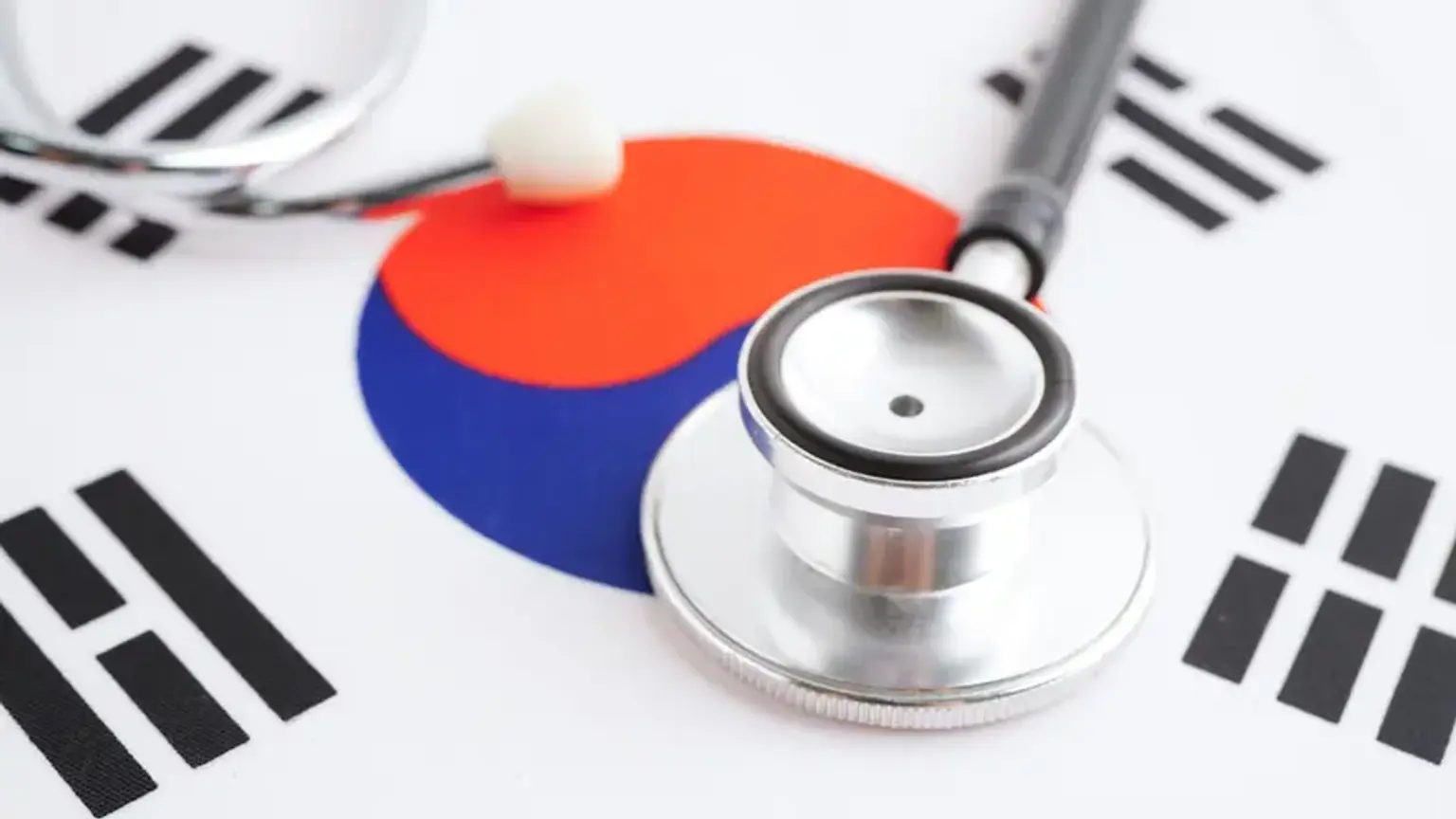
South Korea's healthcare system is a premier destination due to a powerful combination of three core elements: advanced technology, highly skilled medical professionals, and exceptional system wide efficiency. The country has one of the highest numbers of MRI units and CT scanners per capita in the world, enabling incredibly precise and early diagnostics. This technological infrastructure allows for the widespread use of minimally invasive techniques including robotic surgery which leads to faster recovery times and better patient outcomes.
Why Do International Patients Choose Korean Hospitals
why-do-international-patients-choose-korean-hospitalsInternational patients choose Korean hospitals for access to specialized treatments that may be unavailable or prohibitively expensive in their home countries. The country is a global leader in specific fields like cancer treatment, organ transplantation, and advanced therapies such as immune stem cell treatments. Furthermore the government actively supports medical tourism through streamlined processes for medical visas and by ensuring hospitals maintain dedicated international patient centers with multilingual staff. This robust support system removes many of the logistical barriers patients face when seeking care abroad.
How Does Technology Drive Korean Healthcare Excellence
how-does-technology-drive-korean-healthcare-excellenceTechnology is the backbone of Korean healthcare excellence, extending from administrative efficiency to clinical application. The nation's universal electronic health record EHR system ensures seamless information sharing between providers, reducing medical errors and redundant testing. In the operating room, surgical navigation systems and robotic platforms like the da Vinci Surgical System are standard in major hospitals. This technological integration results in a higher standard of care, improved safety, and clinical outcomes that are among the best in the world.
What Are the Key Strengths of the Korean Health System
what-are-the-key-strengths-of-the-korean-health-systemThe defining strengths of the Korean health system are its accessibility, quality, and focus on preventative care. The mandatory National Health Insurance NHI program provides universal coverage, but the system's true power lies in its execution.
Speed and Efficiency: Patients experience remarkably short wait times for specialist appointments and critical procedures. It is common to schedule a consultation, undergo advanced imaging like an MRI, and receive a diagnosis within a single day.
Clinical Expertise: Korean surgeons and physicians undergo extensive and highly competitive training. Many are world renowned leaders in their fields, particularly in complex surgeries for cancer, cardiovascular disease, and orthopedics.
Advanced Diagnostics: The culture of preventative medicine is supported by comprehensive health screening programs. These programs are technologically advanced and allow for the early detection of serious conditions like cancer, significantly improving prognosis.
High Standard of Care: A large number of South Korean hospitals are accredited by Joint Commission International JCI the global gold standard for hospital safety and quality of care. This signals a deep commitment to meeting rigorous international benchmarks.
"The efficiency was unbelievable. I had a full diagnostic workup for my thyroid condition in two days that would have taken months back home. The doctors explained everything clearly and the technology felt years ahead." – an anonymous patient, United States.
Who Benefits Most from Treatment in South Korea
who-benefits-most-from-treatment-in-south-koreaPatients seeking the highest standard of care for complex conditions benefit most from treatment in South Korea. This includes individuals diagnosed with cancers requiring advanced surgical or cellular therapies, patients in need of organ transplants, and those with complex cardiovascular or neurological disorders. Additionally, individuals seeking comprehensive and efficient preventative health screenings find unparalleled value in the Korean system. Patients from countries with long wait times or less advanced medical technology find South Korea to be a transformative healthcare solution.
Recommended Clinics with Relevant Expertise in South Korea
recommended-clinics-with-relevant-expertise-in-south-koreaWebsite | Clinic Name | Best Known For | Address | Contact |
|---|---|---|---|---|
Sangdo Woori Internal Medicine | Chronic Disease Management, IV Therapy, Health Screenings | Dongjak-gu, Seoul, South Korea | ||
Asan Medical Center | Organ Transplantation, Cancer Treatment, Cardiology | Songpa-gu, Seoul, South Korea | ||
Samsung Medical Center | Comprehensive Cancer Center, Cardiovascular Disease | Gangnam-gu, Seoul, South Korea | ||
Gangnam Severance Hospital | Robotic Surgery, Spine Treatment, JCI Accredited Care | Gangnam-gu, Seoul, South Korea | ||
Seoul St. Mary's Hospital | Hematology, Organ Transplantation, Ophthalmology | Seocho-gu, Seoul, South Korea | ||
Kangbuk Samsung Hospital | Comprehensive Health Promotion & Screening Centers | Jongno-gu, Seoul, South Korea | ||
Ajou University Hospital | Regional Trauma Center, Advanced Research, General Surgery | Yeongtong-gu, Gyeonggi-do, South Korea | ||
Seoul Miz Hospital | Specialized Women's Health, Maternity & IVF Services | Gangdong-gu, Seoul, South Korea |
Recommended Treatment and Procedure Names with Average Costs in South Korea
recommended-treatment-and-procedure-names-with-average-costs-in-south-koreaTreatment/Procedure Name | Duration | Hospitalization? | Avg. Cost (USD) in S. Korea | Contact |
|---|---|---|---|---|
Immune Stem Therapy | 2 to 3 hours | Not Needed | $5000 - $15000 | |
IV Therapy | 30 to 60 mins | Not Needed | $150 - $500 | |
Thyroid Hormone Replacement Therapy | 30 mins | Not Needed | $50 - $200 | |
Thyroid Tests | 30 mins | Not Needed | $100 - $400 | |
Hyperlipidemia Treatment | 30 to 60 mins | Not Needed | $100 - $300 | |
Diabetes Management | 30 to 60 mins | Not Needed | $200 - $500 | |
Chronic Disease Management | 2 hours | Not Needed | $3000 - $10000 | |
Allergy and Rhinitis Treatment | 30 to 60 mins | Not Needed | $100 - $300 | |
Pediatrics and Adolescent Medicine | 45 to 60 mins | Not Needed | $80 - $150 |
Your Key Questions About Korean Healthcare Answered
your-key-questions-about-korean-healthcare-answeredThis section addresses the most common practical questions international patients have when considering medical treatment in South Korea.
1. Is there a language barrier for patients in Korean hospitals?
1.-is-there-a-language-barrier-for-patients-in-korean-hospitalsNo, major Korean hospitals that cater to international patients have dedicated international healthcare centers with multilingual coordinators and translators who assist with everything from appointments to understanding medical procedures.
2. How do I get a medical visa for South Korea?
2.-how-do-i-get-a-medical-visa-for-south-koreaYou can obtain a C 3 3 medical visa by providing documentation from a recognized Korean hospital or medical facilitator confirming your planned treatment. The hospital will typically provide the necessary invitation letter to support your visa application.
3. What is the quality of care in South Korea compared to the US or Europe?
3.-what-is-the-quality-of-care-in-south-korea-compared-to-the-us-or-europeThe quality of clinical care in South Korea's top hospitals is equivalent and in some specialties superior to top centers in the US and Europe, particularly in areas like robotic surgery, cancer treatment, and specific cosmetic procedures.
4. How efficient are Korean hospitals for international patients?
4.-how-efficient-are-korean-hospitals-for-international-patientsKorean hospitals are exceptionally efficient. It is standard for an international patient to have their entire diagnostic process including consultations, imaging, and lab work completed in just a few days, a timeline that is often much shorter than in many Western healthcare systems.
5. Can I get a full health checkup in Korea and how long does it take?
5.-can-i-get-a-full-health-checkup-in-korea-and-how-long-does-it-takeYes, comprehensive health checkup programs are a specialty of the Korean healthcare system. A full day program can include a vast array of tests from detailed blood panels and cancer marker screenings to full body MRI or PET CT scans, with results often available within 24 to 48 hours.
6. How does South Korea's healthcare technology rank globally?
6.-how-does-south-korea's-healthcare-technology-rank-globallySouth Korea consistently ranks in the top five globally for healthcare technology adoption and digital health infrastructure. This includes its universal EHR system, high density of advanced imaging equipment, and leadership in developing and implementing medical AI and robotic systems.
7. How do I arrange treatment in South Korea as a foreigner?
7.-how-do-i-arrange-treatment-in-south-korea-as-a-foreignerThe easiest way is to work with a medical facilitator or directly contact a hospital's international patient center. They will manage your medical records review, schedule appointments, provide cost estimates, and assist with all travel and accommodation logistics.
Your Journey to World Class Healthcare Starts Here!
your-journey-to-world-class-healthcare-starts-hereTake the first step toward accessing one of the world's most advanced and efficient healthcare systems. Arranging treatment in South Korea can feel complex, but it doesn't have to be. By working with a dedicated partner like CloudHospital, you ensure a seamless and transparent process from your first question to your post treatment care. A dedicated Care Manager will handle every detail, providing you with personalized support throughout your entire medical journey. And Start Your Confidential Inquiry.