Introduction
introduction-to-pulmonologyBreathing is fundamental to life, yet millions worldwide face challenges with lung and respiratory conditions. Pulmonology is the specialized field of medicine dedicated to diagnosing, treating, and managing diseases of the respiratory system. This includes your lungs, airways, and the muscles that help you breathe. At CloudHospital, we connect you with world-class pulmonology specialists and advanced medical facilities globally, ensuring you receive the highest standard of care for your lung health. Our network of esteemed pulmonology departments focuses on delivering personalized, effective treatments for a wide range of respiratory issues. Whether you're seeking diagnosis for persistent cough, management for chronic conditions like asthma or COPD, or advanced care for complex lung diseases, we are here to coordinate your journey to better breathing.
Understanding Pulmonology: Your Lungs, Your Health
understanding-pulmonology:-your-lungs-your-healthPulmonology plays a crucial role in modern healthcare, addressing conditions that significantly impact quality of life and overall well-being. From common infections to chronic degenerative diseases, lung health affects every aspect of your daily life. Understanding the basics of how your respiratory system functions is the first step toward safeguarding it.
What is Pulmonology and Why is it Important?
what-is-pulmonology-and-why-is-it-importantPulmonology is the medical specialty that focuses on the health of your lungs and the entire respiratory system. A pulmonologist is a physician who possesses specialized knowledge and expertise in preventing, diagnosing, and treating lung and breathing-related conditions. This field is vital because respiratory diseases are among the leading causes of illness and death globally. Effective pulmonology care can prevent serious complications, improve breathing, and enhance life expectancy for individuals with chronic or acute lung problems. It’s about more than just treating symptoms; it’s about restoring and maintaining your ability to breathe freely.
How Your Respiratory System Works
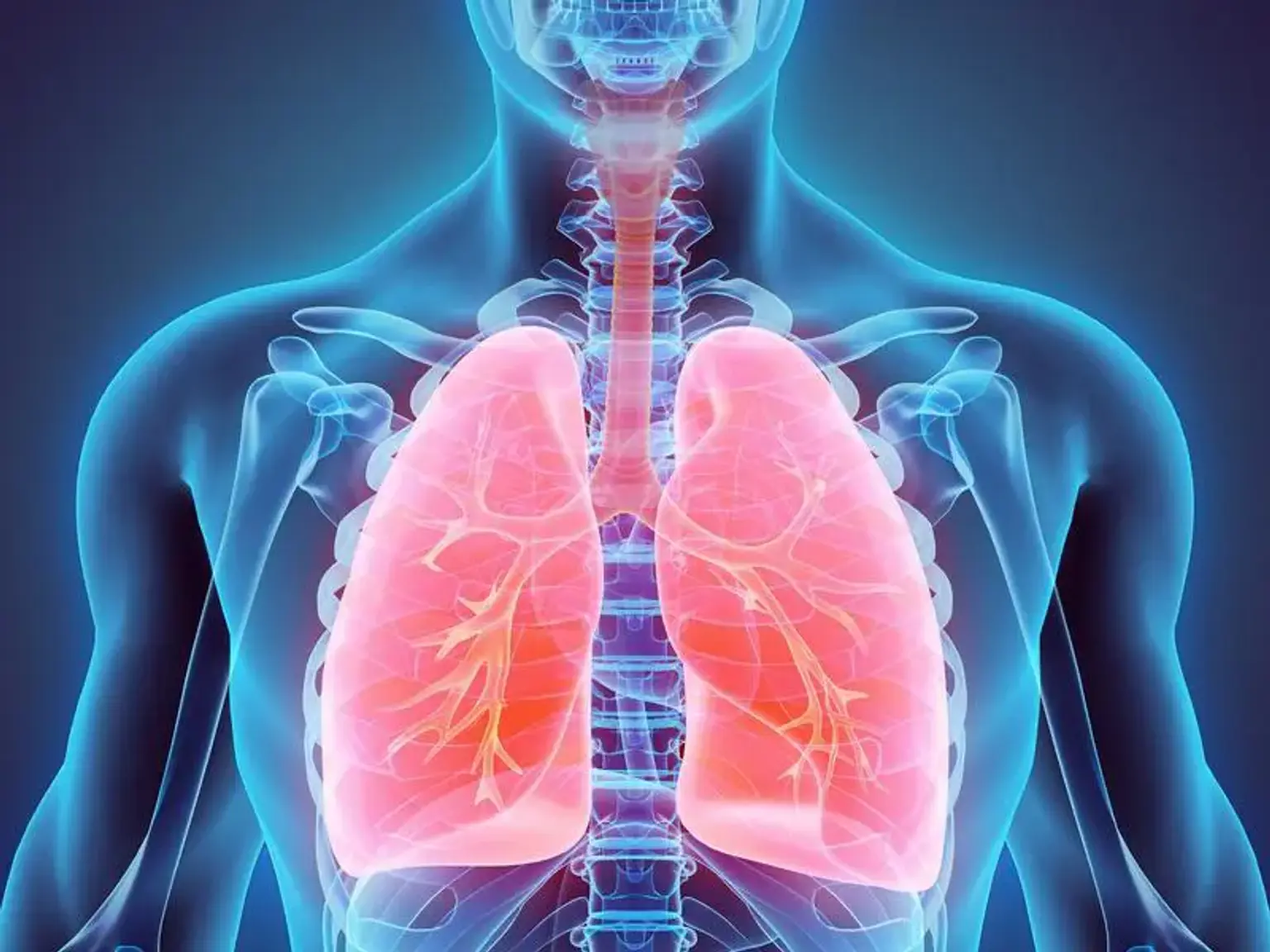
how-your-respiratory-system-worksYour respiratory system is an intricate network designed to take in oxygen and expel carbon dioxide. It begins with your nose and mouth, where air enters, passes through the pharynx (throat) and larynx (voice box), and then into the trachea (windpipe). The trachea divides into two main bronchi, which branch into smaller and smaller airways called bronchioles, eventually leading to tiny air sacs known as alveoli. It is in these alveoli, surrounded by capillaries, where oxygen is absorbed into your bloodstream and carbon dioxide is released to be exhaled. This continuous process is essential for every cell in your body to function correctly, making the health of your Respiratory System paramount.
Common Lung Conditions and Their Causes
common-lung-conditions-and-their-causesPulmonologists treat a wide array of conditions, ranging from common infections to complex chronic diseases. Understanding these conditions and their underlying causes is vital for early detection and effective management.
Common respiratory diseases include:
Asthma: A chronic inflammatory disease that causes airways to narrow and swell, producing extra mucus, leading to breathing difficulties. Triggers can include allergens, exercise, cold air, or irritants.
Chronic Obstructive Pulmonary Disease (COPD): A group of progressive lung diseases that block airflow and make breathing difficult. Emphysema and chronic bronchitis are the most common forms. Smoking is the primary cause, but exposure to air pollution or chemical fumes can also contribute.
Pneumonia: An infection that inflames the air sacs in one or both lungs, which may fill with fluid or pus. It can be caused by bacteria, viruses, or fungi.
Bronchitis: Inflammation of the lining of your bronchial tubes, which carry air to and from your lungs. It can be acute (often viral) or chronic (often due to smoking).
Sleep Apnea: A serious sleep disorder in which breathing repeatedly stops and starts during sleep. Obesity, anatomical airway issues, and certain medical conditions are common risk factors.
Pulmonary Fibrosis: A chronic and progressive lung disease characterized by scarring in the lungs, making it difficult to breathe. Causes can be unknown (idiopathic) or linked to environmental exposures, certain medications, or autoimmune diseases.
Lung Cancer: Uncontrolled growth of abnormal cells in the lungs. Smoking is the leading cause, but radon exposure, secondhand smoke, and genetics also play a role.
Recognizing Early Signs and When to See a Pulmonologist
recognizing-early-signs-and-when-to-see-a-pulmonologistBeing aware of the early signs and symptoms of lung conditions can lead to timely diagnosis and more effective treatment. Don't ignore persistent respiratory symptoms.
Key signs and symptoms that warrant a visit to a pulmonologist include:
Chronic cough: A cough lasting more than 8 weeks.
Shortness of breath (Dyspnea): Difficulty breathing, especially during exertion or at rest.
Wheezing: A high-pitched whistling sound when breathing, often associated with narrowed airways.
Chest pain: Persistent pain in the chest, particularly if it worsens with breathing.
Excessive mucus or phlegm production: Persistent production of sputum.
Frequent respiratory infections: Recurring bronchitis or pneumonia.
Unexplained weight loss coupled with respiratory symptoms.
Cyanosis: Bluish discoloration of lips or fingernails, indicating low oxygen levels.
If you experience any of these symptoms, especially if they are severe or progressive, it is crucial to seek specialized medical attention. Early intervention can significantly impact the outcome of many lung diseases.
Diagnosing Respiratory Issues: A Comprehensive Approach
diagnosing-respiratory-issues:-a-comprehensive-approachAccurate diagnosis is the cornerstone of effective pulmonology treatment. Specialists use a range of advanced diagnostic tools and a systematic approach to identify the specific lung condition affecting you.
Diagnostic Tests and Screening Methods in Pulmonology
diagnostic-tests-and-screening-methods-in-pulmonologyPulmonologists employ various tests to assess lung function, identify abnormalities, and determine the underlying cause of respiratory symptoms.
Common diagnostic tests include:
Pulmonary Function Tests (PFTs): These non-invasive tests measure how well your lungs are working. They assess lung volume, capacity, rates of flow, and gas exchange.
Chest X-ray: A basic imaging test to visualize the lungs, heart, and chest wall.
Computed Tomography (CT) Scan: Provides more detailed cross-sectional images of the lungs than an X-ray, useful for detecting tumors, infections, or other abnormalities.
Magnetic Resonance Imaging (MRI): Uses strong magnetic fields and radio waves to create detailed images of organs and soft tissues within the chest.
Bronchoscopy: A procedure where a thin, flexible tube with a camera is inserted through the mouth or nose into the airways to visually inspect the bronchi and collect tissue samples (biopsy) or fluid for analysis.
Thoracentesis: A procedure to remove fluid from the space between the lungs and the chest wall (pleural space) for diagnostic or therapeutic purposes.
Sleep Studies (Polysomnography): Monitors brain waves, oxygen levels, heart rate, breathing, and leg movements during sleep to diagnose sleep disorders like sleep apnea.
Blood Tests: Can check for signs of infection, inflammation, or genetic markers related to certain lung diseases.
Your Diagnostic Journey: Step-by-Step
your-diagnostic-journey:-step-by-stepWhen you consult a pulmonologist, your diagnostic journey typically follows a structured process to ensure a precise and comprehensive evaluation.
Initial Consultation and Medical History: The specialist will conduct a thorough review of your symptoms, medical history, family history, and lifestyle factors (e.g., smoking history, occupational exposures).
Physical Examination: A detailed physical exam will focus on your respiratory and cardiovascular systems, including listening to your lungs.
Ordering Diagnostic Tests: Based on the initial assessment, the pulmonologist will recommend specific tests as listed above to gather more information.
Reviewing Results and Diagnosis: Once all test results are available, the pulmonologist will interpret them to arrive at a precise diagnosis. They will explain the findings and discuss the implications for your health.
Developing a Treatment Plan: With a clear diagnosis, a personalized treatment plan will be formulated, tailored to your specific condition and needs. This may involve medication, therapies, lifestyle changes, or procedures.
This step-by-step approach ensures that no stone is left unturned in understanding your lung health and guiding you towards the most effective care.
Pulmonology Treatments: Restoring Your Breath
pulmonology-treatments:-restoring-your-breathPulmonology offers a broad spectrum of treatments, from medication and lifestyle adjustments to advanced surgical interventions, all aimed at improving respiratory function and enhancing quality of life.
Non-Surgical Therapies for Lung Conditions
non-surgical-therapies-for-lung-conditionsMany lung conditions can be effectively managed without surgery, focusing on symptom control, preventing disease progression, and improving lung function.
Medication Management:
Bronchodilators: Medications that relax the muscles around your airways to open them up, commonly used for asthma and COPD.
Corticosteroids: Anti-inflammatory drugs, often inhaled, to reduce swelling and mucus in the airways.
Antibiotics/Antivirals/Antifungals: To treat respiratory infections.
Antifibrotic Agents: Medications that slow the progression of scarring in conditions like pulmonary fibrosis.
Pulmonary Hypertension Medications: Drugs designed to lower blood pressure in the arteries leading to the lungs.
Oxygen Therapy: For patients with low blood oxygen levels, supplemental oxygen can be delivered via nasal cannulas or masks to improve breathing and reduce strain on the heart.
Non-Invasive Ventilation (NIV): Techniques like CPAP (Continuous Positive Airway Pressure) or BiPAP (Bilevel Positive Airway Pressure) masks are used to support breathing, particularly for conditions like sleep apnea or severe COPD exacerbations.
Pulmonary Rehabilitation: A comprehensive program of exercise training, education, and counseling to improve physical condition and quality of life for individuals with chronic lung disease.
Allergy Management: Identifying and avoiding allergens, sometimes combined with immunotherapy (allergy shots), for Allergology-related asthma.
Surgical and Interventional Procedures
surgical-and-interventional-proceduresFor certain advanced or specific lung conditions, surgical or interventional procedures may be necessary to remove diseased tissue, improve airflow, or provide critical support.
Bronchial Thermoplasty: A minimally invasive procedure for severe asthma where heat is applied to the airway walls to reduce muscle thickness, improving airflow.
Lung Volume Reduction Surgery (LVRS): For severe emphysema, portions of diseased lung tissue are removed to allow healthier parts of the lung to function better and reduce pressure on the diaphragm.
Bullectomy: Surgical removal of large air sacs bullae that form in the lungs due to emphysema, which can compress healthier lung tissue.
Pleurodesis: A procedure to prevent the recurrence of fluid buildup pleural effusion or air pneumothorax in the pleural space, often involving introducing an irritant to make the lung surface stick to the chest wall.
Thoracoscopy/Video-Assisted Thoracoscopic Surgery (VATS): Minimally invasive surgical techniques that use a small camera and instruments inserted through tiny incisions to diagnose and treat conditions inside the chest, such as removing small tumors or performing lung biopsies.
Tracheal Stent Placement: Insertion of a small tube to open up narrowed airways in the trachea or bronchi, often due to tumors or scarring.
Lung Transplant: For end-stage lung disease where other treatments have failed, a diseased lung is replaced with a healthy donor lung. This complex procedure is often performed in specialized centers in coordination with Oncology if applicable.
Recovery and Rehabilitation: Your Path to Better Breathing
recovery-and-rehabilitation:-your-path-to-better-breathingThe journey to recovery after a lung procedure or during chronic disease management is critical. Rehabilitation programs are often a cornerstone of care.
Post-Procedure Monitoring: Close observation immediately following surgery or intervention to manage pain, prevent complications, and monitor respiratory function.
Respiratory Therapy: Guided exercises and techniques to improve breathing patterns, clear airways, and strengthen respiratory muscles.
Medication Adherence: Strict adherence to prescribed medications is essential for managing symptoms and preventing exacerbations.
Lifestyle Adjustments: Quitting smoking, avoiding environmental irritants, and adopting a healthy diet are crucial for long-term lung health.
Physical Activity: Gradually increasing physical activity as advised by your care team helps rebuild stamina and lung capacity.
Follow-Up Care: Regular appointments with your pulmonologist are necessary to monitor progress, adjust treatment plans, and address any new concerns.
Innovation in Pulmonology: Advanced Technologies for Better Care
innovation-in-pulmonology:-advanced-technologies-for-better-carePulmonology is a rapidly evolving field, continually integrating advanced technologies and groundbreaking research to improve patient outcomes. CloudHospital connects you with facilities at the forefront of these innovations.
Cutting-Edge Technology and Equipment
cutting-edge-technology-and-equipmentModern pulmonology departments leverage state-of-the-art equipment to enhance diagnostic accuracy and treatment efficacy.
High-Resolution CT (HRCT) Scans: Offer incredibly detailed images of lung tissue, allowing for earlier and more precise detection of subtle changes often missed by conventional imaging.
Navigational Bronchoscopy Systems: Utilize GPS-like technology to guide bronchoscopes to peripheral lung lesions, improving the accuracy of biopsies for early cancer detection.
Endobronchial Ultrasound (EBUS): Combines bronchoscopy with ultrasound to visualize lymph nodes and structures adjacent to the airways, enabling accurate staging of lung cancer and diagnosis of other conditions.
Robotic-Assisted Thoracic Surgery (RATS): Employs robotic systems for minimally invasive lung surgeries, offering surgeons enhanced precision, dexterity, and visualization, leading to smaller incisions, less pain, and faster recovery for patients.
Advanced Pulmonary Function Labs: Equipped with sophisticated sensors and software to provide highly accurate and comprehensive assessments of lung mechanics and gas exchange.
Latest Innovations and Research in Lung Health
latest-innovations-and-research-in-lung-healthThe field is constantly advancing, bringing new hope for complex lung conditions.
Targeted Therapies for Lung Cancer: Precision medicine approaches that target specific genetic mutations found in lung cancer cells, leading to more effective treatments with fewer side effects.
Biologic Therapies for Severe Asthma: Medications that target specific inflammatory pathways responsible for severe asthma, offering significant relief for patients who don't respond to conventional treatments.
Regenerative Medicine: Research into stem cell therapies and lung tissue engineering holds promise for repairing damaged lung tissue and potentially growing new lungs for transplant.
Artificial Intelligence (AI) in Diagnostics: AI algorithms are being developed to analyze medical images and PFT data, assisting pulmonologists in making faster and more accurate diagnoses.
Wearable Devices for Monitoring: New technologies allow for continuous monitoring of respiratory parameters, helping patients and doctors track lung health and detect exacerbations early.
The Patient Journey
the-patient-journey:-from-consultation-to-follow-upFor international patients, understanding the complete journey is essential for seamless medical travel. CloudHospital is dedicated to guiding you every step of the way.
Initial Inquiry & Free Treatment Plan: You start by contacting CloudHospital with your medical reports. We gather your information and connect you with top pulmonology specialists for a preliminary assessment and a free, personalized treatment plan and quote.
Travel and Accommodation Coordination: Once you approve the plan, our team assists with travel logistics, including visa support, flight arrangements, and comfortable accommodation in countries like UAE, Turkey, Thailand, or Korea.
Arrival and Local Support: Upon arrival, you'll be met and assisted with transfers. A dedicated care manager and translator will support you throughout your stay, ensuring clear communication and comfort.
In-Clinic Consultation & Diagnostics: You will have an in-person consultation with the pulmonologist, undergo any necessary diagnostic tests, and finalize your treatment plan.
Treatment and Hospital Stay: You receive your specialized pulmonology treatment, which could range from outpatient therapies to surgical procedures requiring a hospital stay.
Recovery and Follow-Up: After treatment, your care team will guide you through the recovery process. This includes post-operative care, medication instructions, and rehabilitation. CloudHospital facilitates follow-up consultations, even after you return home, ensuring continuity of care.
Return Home: With your health needs addressed, you return home with a comprehensive understanding of your ongoing care plan. Our support extends beyond your physical stay. For a more comprehensive overview of how international patients prepare for such journeys, refer to guides on Internal Medicine which cover general patient preparation.
Average Cost of Pulmonology Treatments by Country
average-cost-of-pulmonology-treatments-by-countryUnderstanding the financial aspects of international medical care is crucial. CloudHospital provides transparent pricing to help you plan your pulmonology treatment. Prices can vary significantly based on the country, complexity of the procedure, hospital prestige, and specific technologies used. The following ranges are indicative and in USD.
Treatment / Service | UAE | USA | Japan | Thailand | South Korea |
|---|---|---|---|---|---|
Pulmonary Function Test (PFT / Spirometry) | $100 – $300 | $150 – $600 | $40 – $120 | $20 – $80 | $50 – $150 |
Chest X-Ray | $50 – $150 | $100 – $300 | $30 – $80 | $15 – $40 | $25 – $90 |
High-Resolution CT Scan (Chest HRCT) | $300 – $1,000 | $600 – $2,000 | $200 – $600 | $100 – $300 | $150 – $700 |
Bronchoscopy | $1,000 – $3,000 | $2,000 – $6,000 | $800 – $2,000 | $600 – $1,500 | $700 – $2,500 |
Sleep Study (Polysomnography) | $500 – $2,000 | $1,000 – $3,500 | $300 – $900 | $150 – $500 | $300 – $1,200 |
Asthma Management Package | $200 – $800 | $400 – $1,500 | $120 – $400 | $60 – $200 | $100 – $350 |
COPD Treatment Package | $300 – $1,200 | $600 – $2,500 | $150 – $500 | $80 – $250 | $150 – $500 |
Tuberculosis (TB) Evaluation & Testing | $150 – $600 | $300 – $1,200 | $80 – $250 | $40 – $150 | $70 – $300 |
Lung Cancer Screening (Low-Dose CT) | $500 – $2,000 | $800 – $3,000 | $300 – $900 | $150 – $500 | $250 – $1,200 |
Allergy Testing (Respiratory Panel) | $150 – $600 | $300 – $1,000 | $80 – $250 | $40 – $120 | $60 – $200 |
Frequently Asked Questions (FAQs)
frequently-asked-questions-(faqs)1. What conditions does a pulmonologist treat?
what-conditions-does-a-pulmonologist-treatA pulmonologist specializes in diagnosing and treating diseases affecting the lungs and respiratory system. This includes common conditions like asthma, COPD, pneumonia, bronchitis, and sleep apnea, as well as more complex issues like pulmonary fibrosis, lung cancer, and cystic fibrosis. They manage everything from chronic coughs to severe respiratory failure, aiming to improve breathing and overall lung health.
2. When should I see a pulmonologist?
when-should-i-see-a-pulmonologistYou should consider seeing a pulmonologist if you experience persistent symptoms like chronic cough, shortness of breath, wheezing, chest pain, or difficulty breathing, especially if these symptoms worsen or don't improve with general medical care. Referrals are also common for abnormal chest X-rays, suspected sleep disorders, or monitoring chronic lung diseases.
3. What diagnostic tests are common in pulmonology?
what-diagnostic-tests-are-common-in-pulmonologyCommon diagnostic tests include Pulmonary Function Tests (PFTs) to measure lung capacity, chest X-rays, CT scans, and MRI for imaging the lungs. Blood tests, bronchoscopy a procedure to look inside the airways, and sleep studies are also frequently used to identify specific conditions and assess lung health.
4. Can lifestyle changes improve lung health?
can-lifestyle-changes-improve-lung-healthYes, lifestyle changes can significantly improve lung health. Quitting smoking is the most crucial step. Regular exercise helps strengthen respiratory muscles, and maintaining a healthy diet supports overall immune function. Avoiding exposure to pollutants and allergens can also protect your lungs. Always consult with a pulmonologist for personalized advice.
5. What is medical tourism for pulmonology?
what-is-medical-tourism-for-pulmonologyMedical tourism for pulmonology involves traveling to another country to receive specialized care for lung conditions. Patients often choose this option for access to advanced treatments, highly reputed specialists, reduced waiting times, or more affordable costs compared to their home country. CloudHospital connects you with certified clinics globally for these services.
6. How long does lung disease treatment usually take?
how-long-does-lung-disease-treatment-usually-takeThe duration of lung disease treatment varies widely depending on the condition. Acute infections like pneumonia might require a few weeks of antibiotics. Chronic conditions like asthma or COPD require ongoing management, which can last a lifetime, involving medication and lifestyle adjustments. Surgical procedures typically involve a recovery period of several weeks to months.
7. Are there new treatments for pulmonary fibrosis?
are-there-new-treatments-for-pulmonary-fibrosisYes, research is continuously advancing. New antifibrotic medications have emerged that can slow the progression of pulmonary fibrosis. Clinical trials are also exploring novel therapies, including gene therapy and stem cell treatments, though these are often experimental. Discussing the latest options with a pulmonologist is essential to understand suitability.
8. What are the risks associated with lung surgery?
what-are-the-risks-associated-with-lung-surgeryLike any major surgery, lung surgery carries risks such as infection, bleeding, blood clots, and adverse reactions to anesthesia. Specific to lung procedures, risks can include air leakage from the lung, pneumonia, and temporary shortness of breath. Your surgical team will thoroughly discuss potential risks and benefits tailored to your specific case.
9. How can I prepare for a pulmonology consultation?
how-can-i-prepare-for-a-pulmonology-consultationTo prepare, gather all relevant medical records, including past test results, medication lists, and a detailed history of your symptoms. Write down any questions you have for the doctor. If possible, bring a family member or friend for support and to help remember information. Being prepared ensures a productive consultation.
10. Is lung cancer screening recommended for everyone?
is-lung-cancer-screening-recommended-for-everyoneLung cancer screening, typically with low-dose CT scans, is generally recommended for individuals at high risk, usually defined as current or former heavy smokers within a certain age range. It is not recommended for the general population. Discuss your personal risk factors with your doctor to determine if screening is appropriate for you.
Connecting You to World-Class Pulmonology Care
connecting-you-to-world-class-pulmonology-careYour respiratory health is paramount, and finding the right specialist can make all the difference. CloudHospital simplifies this process, connecting you with top-tier pulmonology departments in leading medical tourism destinations like UAE, Turkey, Thailand, and Korea. We ensure access to advanced diagnostics, innovative treatments, and compassionate care from highly experienced respiratory specialists.
Conclusion
conclusion:-your-partner-in-respiratory-healthNavigating lung health concerns, especially in an international setting, can be daunting. CloudHospital is your trusted partner, providing a seamless and supportive experience from your initial inquiry to your post-treatment follow-up. We empower you to make informed decisions about your care by offering transparent pricing, expert medical opinions, and comprehensive coordination. Let us help you find the best path to healthier breathing and a better quality of life.
Take the Next Step Towards Better Breathing
take-the-next-step-towards-better-breathingDon't let respiratory challenges limit your life. Take control of your lung health today.
Request free Pulmonology treatment plan & quote
Book your Pulmonology Appointment Today
Editorial Policy
This page was written in accordance with CloudHospital's stringent editorial guidelines, prioritizing accuracy, patient-centricity, and ethical information dissemination. The content is for informational purposes only and does not constitute medical advice, diagnosis, or treatment. Always consult with a qualified healthcare professional for any health concerns.