Introduction Stem Cell Therapy
stem-cell-therapy:-harnessing-the-body's-natural-healing-power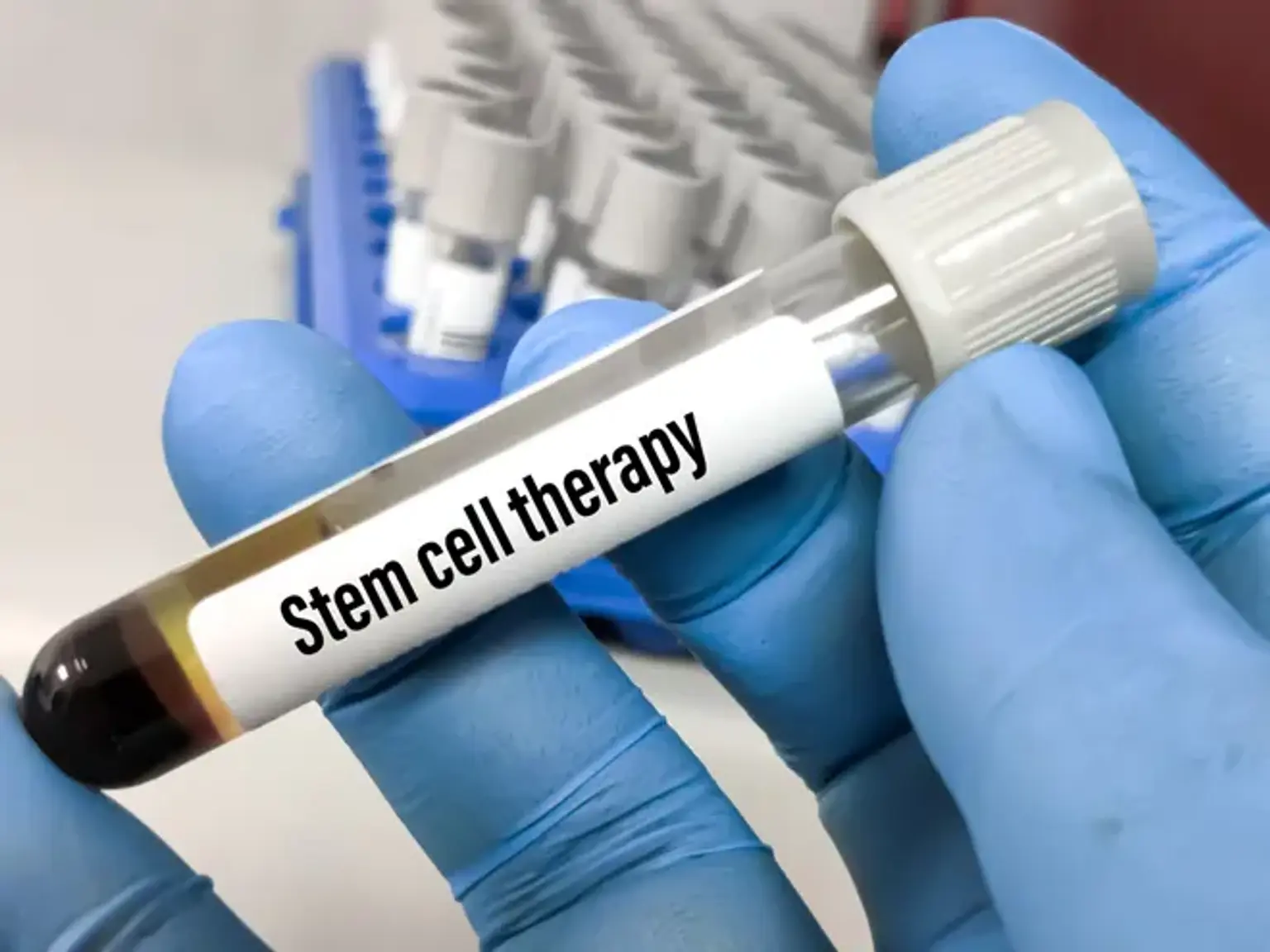
Stem cell therapy represents a groundbreaking frontier in medicine, offering new hope for conditions previously considered untreatable. By utilizing the body's own extraordinary capacity for repair, this innovative field, often referred to as regenerative medicine, aims to restore function, reduce pain, and improve overall quality of life. At CloudHospital, we connect you with leading global specialists and state-of-the-art facilities that excel in offering advanced stem cell treatments, helping you navigate complex options with clarity and confidence.
Understanding Stem Cell Therapy
understanding-stem-cell-therapyStem cell therapy involves using specialized cells to repair, replace, or regenerate damaged tissues and organs. These unique cells possess the remarkable ability to differentiate into various cell types and to self-renew, making them powerful tools in medical science. From addressing chronic pain to supporting recovery from complex diseases, stem cells hold immense potential.
The Role and Importance of Regenerative Medicine
the-role-and-importance-of-regenerative-medicineRegenerative medicine is a rapidly evolving field focused on developing therapies that regenerate, repair, or replace damaged cells, tissues, or organs. Stem cell therapy is a cornerstone of this discipline, offering solutions where traditional treatments might fall short. Its importance in modern healthcare is growing as it shifts the paradigm from simply managing symptoms to actively restoring health and function. This field is crucial for conditions involving tissue degradation, injury, or disease that impairs the body's natural healing processes.
The Anatomy and Physiology of Stem Cells
the-anatomy-and-physiology-of-stem-cellsUnderstanding stem cells begins with recognizing their fundamental characteristics. Unlike other cells in the body, stem cells are undifferentiated, meaning they do not yet have a specific function. They possess two key properties:
Self-renewal: They can divide and make copies of themselves over long periods.
Differentiation: They can develop into specialized cells, such as muscle cells, blood cells, brain cells, or bone cells.
These capabilities make them ideal for regenerative purposes. Stem cells can be sourced from various parts of the body, including bone marrow, adipose (fat) tissue, and peripheral blood, each offering distinct advantages depending on the therapeutic goal.
Common Diseases and Disorders Treated with Stem Cells
common-diseases-and-disorders-treated-with-stem-cellsStem cell therapy is being applied and investigated for a wide array of conditions. While research is ongoing, many patients are finding relief and improved outcomes. Some of the common diseases and disorders include:
Orthopedic Conditions: Osteoarthritis, chronic joint pain (knees, hips, shoulders), tendon injuries, ligament damage, and non-healing fractures.
Neurological Disorders: Multiple Sclerosis (MS), Parkinson's disease, stroke recovery, spinal cord injuries, and peripheral neuropathy.
Autoimmune Diseases: Rheumatoid Arthritis, Crohn's disease, and Systemic Lupus Erythematosus, where stem cells can modulate immune responses.
Cardiovascular Conditions: Heart failure and post-myocardial infarction repair, aiming to regenerate damaged heart muscle.
Dermatological Concerns: Chronic wounds, burns, and certain scarring conditions.
Eye Conditions: Retinal diseases and optic nerve damage.
Urological Conditions: Erectile dysfunction and urinary incontinence.
It's important to discuss your specific condition with a specialist to determine if stem cell therapy is a suitable option.
Causes and Risk Factors for Conditions Amenable to Stem Cell Therapy
causes-and-risk-factors-for-conditions-amenable-to-stem-cell-therapyMany conditions that stem cell therapy addresses are a result of natural aging, injury, chronic inflammation, or degenerative processes. For instance, osteoarthritis often develops from long-term wear and tear on joints, exacerbated by factors like obesity, previous injuries, and genetic predisposition. Neurological disorders can stem from genetic factors, environmental toxins, or age-related cellular damage. Understanding these underlying causes helps in assessing whether stem cell therapy can intervene effectively by promoting repair and regeneration at a cellular level, targeting the root of the problem rather than just the symptoms.
Early Signs and Symptoms to Consider Stem Cell Consultation
early-signs-and-symptoms-to-consider-stem-cell-consultationRecognizing early signs and symptoms can be crucial in exploring regenerative options. For chronic pain, persistent discomfort that doesn't resolve with rest or conventional treatments could indicate degenerative changes responsive to stem cell intervention. Progressive loss of mobility, increasing stiffness in joints, or the onset of neurological symptoms like tremors, numbness, or balance issues are all reasons to seek specialized evaluation. Early consultation can lead to more effective and less invasive treatment strategies, potentially slowing disease progression and improving long-term outcomes.
When to Consider a Stem Cell Specialist
when-to-consider-a-stem-cell-specialistYou should consider consulting a stem cell specialist if you have a chronic condition that has not responded well to conventional treatments, if you are seeking alternatives to surgery, or if you are interested in innovative approaches to regeneration and repair. A specialist can provide a thorough assessment, discuss the latest research, and determine if you are a suitable candidate for stem cell therapy. CloudHospital can help you connect with renowned specialists who can guide you through these important decisions.
Diagnosis and Evaluation for Stem Cell Treatment
diagnosis-and-evaluation-for-stem-cell-treatmentBefore any stem cell treatment, a comprehensive diagnostic and evaluation process is essential to determine patient suitability, tailor the therapy, and ensure safety. This meticulous approach helps create an individualized treatment plan for optimal outcomes.
Diagnostic Tests and Screening Methods
diagnostic-tests-and-screening-methodsThe diagnostic process typically involves a combination of medical history review, physical examination, and advanced imaging.
Medical History and Physical Exam: To understand your overall health, existing conditions, and previous treatments.
Imaging Tests: X-rays, MRI (Magnetic Resonance Imaging), CT (Computed Tomography) scans, or ultrasound provide detailed views of the affected tissues, joints, or organs.
Blood Tests: To assess general health, screen for infections, and evaluate inflammatory markers.
Specialized Tests: Depending on the condition, nerve conduction studies, electromyography, or specific genetic tests may be required for neurological or musculoskeletal assessments.
How a Stem Cell Treatment Plan is Developed
how-a-stem-cell-treatment-plan-is-developedOnce diagnosed, a personalized stem cell treatment plan is meticulously developed.
Candidate Assessment: The medical team evaluates if you are an ideal candidate, considering your condition, health status, and treatment goals.
Stem Cell Source Selection: This involves deciding whether to use autologous (from your own body) or allogeneic (from a donor) stem cells, and which specific tissue source (e.g., bone marrow, adipose tissue) is most appropriate.
Procedure Protocol: The plan outlines the exact method of cell collection, processing, and delivery (e.g., injection, intravenous infusion, surgical implantation).
Dosage and Frequency: The number of cells and the schedule of treatments are determined based on the severity of the condition and expected response.
Post-Treatment Care: A rehabilitation and follow-up strategy is integrated to maximize therapeutic benefits and monitor progress.
This detailed planning ensures that each patient receives the most effective and safest possible stem cell therapy.
Overview of Stem Cell Services and Treatments Offered
overview-of-stem-cell-services-and-treatments-offeredStem cell therapy encompasses a variety of services designed to address diverse medical needs. These services often include:
Autologous Stem Cell Therapies: Utilizing a patient's own stem cells, reducing the risk of immune rejection. This includes therapies using Bone Marrow Aspirate Concentrate (BMAC) or Adipose-Derived Stem Cells (ADSCs).
Allogeneic Stem Cell Therapies: Using donor stem cells, often sourced from umbilical cord blood or placenta, which can offer potent regenerative properties without the need for patient harvesting.
Exosome Therapy: While not strictly stem cells, exosomes are tiny vesicles released by stem cells that carry signaling molecules, promoting cellular repair and regeneration.
Growth Factor Injections: Often used in conjunction with stem cells, these help stimulate tissue healing and enhance the regenerative environment.
These treatments are tailored to specific conditions, from joint regeneration to systemic disease modulation, leveraging the most appropriate type and delivery method of stem cells.
Stem Cell Treatments and Procedures
stem-cell-treatments-and-proceduresStem cell therapy offers a range of treatments, from minimally invasive injections to more complex surgical procedures, all aimed at harnessing the body's regenerative capabilities.
Non-Surgical Stem Cell Therapies
non-surgical-stem-cell-therapiesMany stem cell treatments are minimally invasive, often performed on an outpatient basis. These typically involve collecting stem cells, processing them, and then reinjecting them into the target area.
Intra-articular Injections: Commonly used for joint conditions like osteoarthritis in knees, hips, and shoulders. Stem cells (e.g., from bone marrow or fat) are injected directly into the joint space to promote cartilage repair and reduce inflammation.
Intravenous (IV) Infusions: For systemic conditions or to deliver stem cells to multiple areas. This method is often used for certain neurological or autoimmune disorders, allowing stem cells to circulate and target inflammatory sites.
Topical Applications: For skin conditions, chronic wounds, or burns, stem cells or their derivatives can be applied directly to the surface to accelerate healing and reduce scarring.
These methods aim to stimulate the body's natural healing processes with minimal downtime.
Surgical and Interventional Stem Cell Procedures
surgical-and-interventional-stem-cell-proceduresSome conditions require surgical intervention to deliver stem cells to deeper or more complex tissues.
Surgical Implantation: In cases of significant tissue damage or organ repair, stem cells might be directly implanted during an open or minimally invasive surgical procedure. For example, during cardiac surgery to repair heart tissue after a heart attack.
Spinal Injections: For conditions affecting the spine, such as disc degeneration or nerve compression, stem cells may be injected with precision guidance into specific areas of the spine to promote regeneration and reduce pain.
Targeted Delivery Systems: Advanced techniques use catheters or endoscopes to deliver stem cells to hard-to-reach areas, such as within the brain for neurological conditions or directly into specific organs.
These procedures are performed by highly skilled specialists and are typically followed by a structured recovery plan.
Rehabilitation and Recovery Process After Stem Cell Therapy
rehabilitation-and-recovery-process-after-stem-cell-therapyThe recovery process after stem cell therapy is crucial for maximizing treatment efficacy. While many non-surgical procedures involve minimal downtime, adhering to post-treatment guidelines is vital.
Initial Rest and Activity Restrictions: Immediately after treatment, patients are often advised to rest and avoid strenuous activities to allow the stem cells to settle and begin their work.
Physical Therapy and Rehabilitation: For orthopedic or neurological conditions, a tailored physical therapy program may be initiated a few weeks post-treatment. This helps restore strength, flexibility, and function, supporting the regenerative efforts of the stem cells.
Pain Management: Mild discomfort at the injection or surgical site is common and can be managed with over-the-counter pain relievers or prescribed medication.
Follow-up Appointments: Regular check-ups with your specialist are essential to monitor progress, assess outcomes, and make any necessary adjustments to your recovery plan. The full benefits of stem cell therapy often become apparent over several weeks to months as regeneration occurs.
Risks, Side Effects, and Safety Measures in Stem Cell Therapy
risks-side-effects-and-safety-measures-in-stem-cell-therapyWhile stem cell therapy offers significant promise, it's essential to be aware of potential risks and side effects. CloudHospital emphasizes connecting patients with accredited facilities that adhere to stringent safety protocols.
Potential Risks and Side Effects:
Infection: As with any invasive procedure, there's a small risk of infection at the injection or collection site.
Bleeding/Bruising: Minor bleeding or bruising can occur at the procedure site.
Pain: Temporary localized pain or discomfort is common.
Immune Reaction: While rare with autologous (patient's own) cells, allogeneic (donor) cells carry a slight risk of immune response, although often mitigated by processing.
Unintended Tissue Formation: In very rare cases, stem cells could differentiate into unwanted tissue types. This risk is minimized by using appropriately characterized cells and regulated procedures.
Regulatory Concerns: The ethical and regulatory landscape for stem cell therapy is complex and varies by country. Unregulated clinics may pose significant risks.
Safety Measures in Reputable Clinics:
Strict Sterilization Protocols: To minimize infection risks during cell collection and administration.
Accreditation and Licensing: Clinics connected through CloudHospital are typically accredited by recognized medical bodies, ensuring adherence to high standards.
Expert Medical Teams: Procedures are performed by highly qualified specialists with extensive experience in regenerative medicine.
Cell Processing Standards: Stem cells are processed in certified laboratories under Good Manufacturing Practice (GMP) standards to ensure purity, potency, and safety.
Informed Consent: Patients receive comprehensive information about the procedure, including potential benefits and risks, allowing for informed decision-making.
Long-term Follow-up: Reputable clinics provide structured follow-up care to monitor patient outcomes and identify any long-term effects.
CloudHospital prioritizes patient safety by ensuring transparency and connecting you only with partners who meet rigorous ethical and medical standards.
Education, Innovation & Future Outlook in Stem Cell Therapy
education-innovation-and-future-outlook-in-stem-cell-therapyThe field of stem cell therapy is characterized by rapid innovation and a dynamic future, constantly pushing the boundaries of what's medically possible. Staying informed about these advancements is key to understanding the potential of regenerative medicine.
Meet the Stem Cell Specialists and Care Team
meet-the-stem-cell-specialists-and-care-teamSuccessful stem cell therapy relies heavily on the expertise of a multidisciplinary team. When you choose a CloudHospital partner clinic, you're connected with highly qualified professionals, often including:
Regenerative Medicine Specialists: Physicians with advanced training in stem cell applications.
Orthopedic Surgeons/Neurologists/Cardiologists: Specialists who integrate stem cell therapy into their respective fields.
Cell Biologists and Lab Technicians: Experts responsible for the safe and effective processing of stem cells.
Rehabilitation Therapists: Physical and occupational therapists crucial for post-treatment recovery.
Patient Coordinators: Dedicated staff to guide international patients through their entire journey, from consultation to follow-up.
This collaborative approach ensures comprehensive and personalized care throughout your treatment process.
Technology and Equipment Used in Stem Cell Therapy
technology-and-equipment-used-in-stem-cell-therapyThe efficacy and safety of stem cell therapy are significantly enhanced by advanced technology. Leading clinics utilize:
Automated Cell Processing Systems: For precise and sterile isolation and concentration of stem cells from blood, bone marrow, or adipose tissue.
Flow Cytometry: To identify and quantify specific cell populations, ensuring the quality and viability of the prepared stem cell product.
High-Resolution Imaging: Such as MRI and ultrasound guidance, for accurate targeting during stem cell injections, minimizing invasiveness and maximizing delivery to the affected area.
Cleanroom Facilities: State-of-the-art sterile environments for cell culturing and manipulation, adhering to Good Manufacturing Practice (GMP) standards to prevent contamination.
Cryopreservation Technologies: For long-term storage of stem cells, maintaining their viability for future treatments if needed.
These technologies underpin the advanced capabilities of modern stem cell centers.
Latest Innovations and Advancements in Regenerative Medicine
latest-innovations-and-advancements-in-regenerative-medicineThe field of regenerative medicine is constantly evolving, with exciting innovations emerging regularly:
Induced Pluripotent Stem Cells (iPSCs): Adult cells reprogrammed to an embryonic-like state, offering a patient-specific stem cell source without ethical concerns of embryonic stem cells. Research is progressing on their use for drug discovery and disease modeling, with clinical trials for therapies in early stages.
Exosome Therapy: Focuses on the communication vesicles released by stem cells, which carry growth factors and genetic material. These can stimulate regeneration without directly injecting cells, potentially offering a 'cell-free' approach with fewer risks.
3D Bioprinting: Using living cells as 'ink' to create functional tissues and organs layer by layer, holding immense promise for organ transplantation and complex tissue repair in the future.
Gene Editing Technologies (CRISPR): Being explored to correct genetic defects in stem cells before transplantation, potentially offering cures for genetic diseases.
Enhanced Delivery Methods: Development of smart biomaterials and hydrogels that can encapsulate stem cells and release them slowly, improving cell survival and targeted delivery.
These advancements highlight the dynamic nature of stem cell research and its potential to revolutionize healthcare.
Common Myths and Facts About Stem Cell Therapy
common-myths-and-facts-about-stem-cell-therapyNavigating the world of stem cell therapy can be confusing due to misinformation. Here are some common myths and their corresponding facts:
Myth: Stem cell therapy is a universal cure-all.
Fact: While incredibly promising, stem cell therapy is not a 'magic bullet'. Its effectiveness varies greatly depending on the condition, cell type, and administration method. It often works best for specific degenerative and inflammatory conditions.
Myth: All stem cell clinics offer the same quality and safety standards.
Fact: This is false. Regulatory oversight varies globally. Reputable clinics adhere to strict ethical and safety guidelines, employ qualified specialists, and utilize scientifically validated protocols. Unregulated clinics can pose serious risks.
Myth: Stem cell therapy always involves embryonic stem cells.
Fact: Many therapies use adult stem cells (autologous or allogeneic) derived from bone marrow, fat, or umbilical cord blood, which have different ethical considerations than embryonic stem cells. Induced Pluripotent Stem Cells (iPSCs) are also adult cells reprogrammed.
Myth: Results are immediate and guaranteed.
Fact: Regenerative processes take time. Improvements can be gradual, occurring over weeks or months. No medical treatment can offer a 100% guarantee of success, and individual outcomes vary.
Myth: Stem cells cause cancer.
Fact: While embryonic stem cells have a theoretical risk of teratoma formation (a type of tumor), this risk is significantly lower with adult stem cells used in clinical practice, especially when properly processed and administered by experienced professionals. Ongoing research continually evaluates safety profiles.
Understanding these distinctions is crucial for making informed decisions about your treatment options.
Future of Stem Cell Therapy and Emerging Trends
future-of-stem-cell-therapy-and-emerging-trendsThe future of stem cell therapy is bright and dynamic, marked by continuous research and technological breakthroughs. Key emerging trends include:
Enhanced Specificity: Developing methods to guide stem cells to differentiate into precise cell types and integrate seamlessly into target tissues, improving therapeutic outcomes.
Off-the-Shelf Therapies: Creating standardized, ready-to-use stem cell products that can be administered without extensive patient-specific processing, making treatments more accessible and affordable.
Personalized Medicine: Advancements in genetic sequencing and bioinformatics will enable even more personalized stem cell therapies, tailoring treatments to an individual's unique genetic makeup and disease profile.
Combination Therapies: Integrating stem cells with other regenerative approaches, such as growth factors, biomaterials, and gene therapy, to enhance their therapeutic effect.
Neurodegenerative Disease Focus: Significant investment and research are targeting conditions like Alzheimer's and ALS, with stem cells holding promise for neuronal protection and regeneration.
These trends indicate a future where stem cell therapy becomes an even more integral part of mainstream medicine, offering solutions for a broader range of complex conditions.
Average Costing for Stem Cell Therapy by Country
average-costing-for-stem-cell-therapy-by-countryThe cost of stem cell therapy is a significant consideration for medical travelers. Prices can vary widely based on the country, the clinic's reputation, the specific condition being treated, the type of stem cells used (autologous vs. allogeneic), the number of treatments, and the inclusions in a treatment package. Below are indicative price ranges in USD for some high medical tourism destinations, including our target countries. These figures are estimates, and a personalized quote is always recommended after clinical evaluation.
Stem Cell Therapy Treatment | USA | Turkey | Thailand | South Korea |
Stem Cell Consultation | $200–$400 | $40–$100 | $50–$120 | $60–$150 |
PRP + Stem Cell Combination Therapy | $1,500–$5,000 | $400–$1,000 | $500–$1,500 | $800–$2,000 |
Orthopedic Stem Cell Injection (Knee/Shoulder) | $5,000–$12,000 | $1,500–$4,000 | $2,000–$6,000 | $3,000–$7,000 |
Anti-aging Stem Cell Therapy (IV) | $10,000–$25,000 | $3,000–$7,000 | $4,000–$10,000 | $6,000–$15,000 |
Stem Cell Therapy for Arthritis | $6,000–$15,000 | $1,800–$5,000 | $2,500–$6,000 | $4,000–$10,000 |
Cosmetic Stem Cell Facial Treatment | $1,500–$4,000 | $300–$800 | $400–$1,200 | $700–$1,800 |
Stem Cell Hair Regeneration | $4,000–$10,000 | $1,000–$3,000 | $1,500–$4,000 | $3,000–$6,000 |
Stem Cell Therapy for Autism (Pediatrics) | $12,000–$30,000 | $5,000–$12,000 | $6,000–$15,000 | $8,000–$20,000 |
Stem Cell Therapy for Stroke Recovery | $15,000–$40,000 | $6,000–$15,000 | $7,000–$18,000 | $10,000–$25,000 |
Stem Cell Treatment for Diabetes | $8,000–$20,000 | $2,000–$5,000 | $3,000–$8,000 | $5,000–$12,000 |
Stem Cell Treatment for Lung Disease (COPD) | $12,000–$30,000 | $4,000–$10,000 | $5,000–$12,000 | $8,000–$20,000 |
Stem Cell Treatment for Heart Disease | $20,000–$50,000 | $6,000–$15,000 | $8,000–$20,000 | $12,000–$30,000 |
Stem Cell Therapy for Spinal Cord Injury | $25,000–$60,000 | $8,000–$20,000 | $10,000–$25,000 | $15,000–$40,000 |
Important Notes:
These are indicative price ranges and can fluctuate.
Final quotes are always provided after a thorough clinical assessment by the medical team.
Costs typically do not include airfare, extended accommodation, or personal expenses unless explicitly stated in a comprehensive package.
Factors like the level of the facility (e.g., hospital vs. standalone clinic), the specific device or implant (if applicable), and any additional travel support can significantly influence the overall cost.
CloudHospital can help you obtain transparent, fixed quotations upfront, ensuring you understand all inclusions and exclusions.
Frequently Asked Questions (FAQs) About Stem Cell Therapy
frequently-asked-questions-(faqs)-about-stem-cell-therapy1. What are stem cells and how do they work?
what-are-stem-cells-and-how-do-they-workStem cells are unique cells with the ability to develop into many different cell types in the body. They serve as a repair system, replenishing other cells as long as the person or animal is still alive. In therapy, they are used to repair, replace, or regenerate damaged tissues and organs by either directly replacing damaged cells or by releasing growth factors and signaling molecules that stimulate the body's own repair mechanisms. This regenerative potential makes them valuable for treating a wide range of conditions.
2. What conditions can be treated with stem cell therapy?
what-conditions-can-be-treated-with-stem-cell-therapyStem cell therapy is being explored and utilized for a diverse array of conditions. These include orthopedic issues like osteoarthritis and sports injuries, neurological disorders such as Parkinson's disease, multiple sclerosis, and stroke recovery, certain autoimmune diseases, cardiovascular conditions, and chronic pain. Research is ongoing, and the scope of treatable conditions continues to expand, offering hope for many patients.
3. Is stem cell therapy a proven treatment?
is-stem-cell-therapy-a-proven-treatmentThe status of stem cell therapy varies significantly by condition and regulatory approval. While some applications, like bone marrow transplants for blood cancers, are well-established and life-saving, many other uses are still considered experimental and are under clinical investigation. It's crucial for patients to understand the scientific evidence behind specific treatments and to consult with qualified specialists about the efficacy and safety for their particular condition.
4. What are the risks and side effects of stem cell therapy?
what-are-the-risks-and-side-effects-of-stem-cell-therapyLike any medical procedure, stem cell therapy carries potential risks and side effects. These can include infection at the injection site, immune reaction to donor cells (though minimized with autologous cells), pain, bleeding, and, rarely, tumor formation or unintended cell growth. The specific risks depend on the type of stem cells used, the method of administration, and the patient's overall health. Comprehensive evaluation by a medical team is essential to understand and mitigate these risks.
5. How long does the recovery process take after stem cell therapy?
how-long-does-the-recovery-process-take-after-stem-cell-therapyRecovery time after stem cell therapy is highly variable and depends on the treated condition, the type of procedure, and individual patient factors. For minimally invasive procedures, patients might experience mild discomfort for a few days to weeks. More complex surgical interventions may require longer rehabilitation periods, similar to traditional surgeries. Your medical team will provide a personalized recovery plan and expected timeline.
6. What is the average cost of stem cell therapy?
what-is-the-average-cost-of-stem-cell-therapyThe cost of stem cell therapy varies widely depending on the country, clinic, condition being treated, type of stem cells used, and the number of treatments required. Prices can range from a few thousand USD for minor orthopedic applications to tens of thousands for more complex systemic conditions. Our 'Average Costing by Country' section provides indicative price ranges to help you understand potential expenses. Always request a personalized quote for your specific case.
7. Are all stem cell clinics regulated?
are-all-stem-cell-clinics-regulatedNo, regulatory oversight for stem cell clinics varies significantly across different countries and even within regions of the same country. Some countries have clear, strict regulations for stem cell research and clinical application, while others have more permissive or less defined guidelines. Patients should always verify that a clinic operates under the appropriate medical licenses and adheres to national and international ethical and safety standards. CloudHospital connects you with accredited and reputable facilities.
8. How do I choose the right stem cell treatment provider?
how-do-i-choose-the-right-stem-cell-treatment-providerChoosing the right provider involves careful consideration. Look for clinics with internationally recognized accreditations, board-certified specialists experienced in regenerative medicine, transparent communication about treatment plans, risks, and expected outcomes, and positive patient testimonials. CloudHospital assists by connecting you with pre-vetted, high-quality hospitals and clinics specializing in stem cell therapies, providing detailed profiles and patient reviews.
9. What types of stem cells are used in therapy?
what-types-of-stem-cells-are-used-in-therapyCommonly used stem cell types include Mesenchymal Stem Cells (MSCs) derived from bone marrow or adipose (fat) tissue, which have broad regenerative capabilities; Hematopoietic Stem Cells (HSCs) found in bone marrow and umbilical cord blood, primarily used for blood-related conditions; and Induced Pluripotent Stem Cells (iPSCs), which are reprogrammed adult cells with embryonic stem cell-like potential, currently mostly in research. The choice depends on the specific condition and treatment goals.
10. Can stem cell therapy cure my condition?
can-stem-cell-therapy-cure-my-conditionIt's important to approach stem cell therapy with realistic expectations. While it can offer significant improvements in symptoms, quality of life, and even halt disease progression for some conditions, it is not always a 'cure' in the traditional sense. The goal is often regeneration, repair, or modulating the immune system to improve function and alleviate suffering. Discuss potential outcomes and limitations thoroughly with your specialist.
The Stem Cell Patient Journey: From Consultation to Follow-Up
the-stem-cell-patient-journey:-from-consultation-to-follow-upEmbarking on stem cell therapy through CloudHospital involves a streamlined and supportive journey, especially for international patients.
Initial Consultation & Assessment: Your journey begins with a remote or in-person consultation with a stem cell specialist. You'll discuss your medical history, current condition, and treatment goals. Diagnostic tests will be reviewed or recommended to assess your suitability for therapy.
Personalized Treatment Plan: Based on your assessment, the medical team will develop a customized treatment plan, outlining the type of stem cells, procedure, duration, and expected outcomes.
Travel and Logistics Coordination: CloudHospital assists with all aspects of medical travel, including visa guidance, flight and accommodation arrangements, and local transportation in your target country (UAE, Turkey, Thailand, Korea).
Treatment Procedure: You will undergo the stem cell therapy as outlined in your plan, performed by experienced specialists in a state-of-the-art facility.
Recovery and Rehabilitation: Post-procedure, you'll receive guidance on recovery, which may include physical therapy or medication. CloudHospital can help arrange rehabilitation services.
Follow-Up and Monitoring: Regular follow-up appointments, often conducted remotely, will monitor your progress and assess the long-term effectiveness of the treatment. Our dedicated care managers ensure continuous support throughout this entire process.
Experience Advanced Stem Cell Therapy with CloudHospital
experience-advanced-stem-cell-therapy-with-cloudhospitalStem cell therapy offers a path to healing and improved well-being for numerous conditions. With the complexities involved in this advanced field, having a trusted partner to guide you is invaluable. CloudHospital connects you with a global network of highly-rated hospitals and clinics specializing in regenerative medicine, ensuring access to cutting-in-edge treatments performed by world-class specialists. We prioritize your safety, comfort, and successful outcome, making your medical journey seamless and stress-free.
Ready to Explore Your Treatment Options?
ready-to-explore-your-treatment-optionsTake the first step towards a healthier future. Our team is ready to provide you with all the information you need, from understanding treatment specifics to navigating international travel logistics.
Request Free Stem Cell Treatment Plan & Quote
Get a personalized treatment plan and transparent cost estimate tailored to your unique needs.
Book a Stem Cell Therapy Appointment
Connect directly with leading specialists and schedule your consultation or treatment.