Introduction
vascular-surgery:-expert-care-for-veins-arteries-and-lymphatic-healthVascular surgery is a specialized medical field dedicated to diagnosing and treating diseases affecting the body's vascular system. This intricate network includes arteries, veins, and lymphatic vessels that carry blood and lymph fluid throughout your body. When these vessels become diseased or damaged, it can lead to serious health complications, impacting everything from mobility to vital organ function. At CloudHospital, we connect you with world-renowned vascular surgeons and state-of-the-art medical facilities globally. Our goal is to ensure you receive the highest quality care for conditions ranging from common varicose veins to complex aortic aneurysms, empowering you to make informed decisions about your health journey.
Understanding Vascular Surgery: Restoring Your Circulatory Health
understanding-vascular-surgery:-restoring-your-circulatory-healthYour circulatory system is vital for distributing oxygen and nutrients to every cell. When its pathways are compromised, specialized care is essential. Vascular surgery provides the necessary interventions to repair, reconstruct, or replace damaged blood vessels, ensuring optimal blood flow and preventing life-threatening events.
What is Vascular Surgery?
what-is-vascular-surgeryVascular surgery is a distinct medical specialty focused on the diagnosis and comprehensive treatment of conditions affecting the arteries, veins, and lymphatic system. These conditions can range from blockages (atherosclerosis) and weakened vessels (aneurysms) to blood clots and venous insufficiency. Unlike cardiology, which focuses on the heart itself, vascular surgery addresses the vast network of vessels outside the heart and brain's immediate circulation. This field involves both traditional open surgical techniques and advanced, minimally invasive (endovascular) procedures.
Role and Importance in Modern Healthcare
role-and-importance-in-modern-healthcareVascular surgeons play a critical role in modern healthcare by preventing and treating conditions that can lead to severe disability or death. Their expertise is crucial for managing chronic diseases like diabetes and hypertension, which often manifest vascular complications. They work to avert strokes, limb amputations, and organ damage by restoring healthy blood flow. With an aging global population and increasing rates of lifestyle-related diseases, the demand for skilled vascular care is growing, making it a cornerstone of preventive and restorative medicine.
Common Vascular Diseases and Conditions Treated
common-vascular-diseases-and-conditions-treatedVascular specialists address a broad spectrum of conditions. Understanding these can help you recognize potential issues and seek timely medical attention.
Peripheral Artery Disease (PAD): This occurs when plaque builds up in the arteries that carry blood to the head, organs, and limbs. It commonly affects the legs, causing pain during walking (claudication), numbness, or non-healing sores. If left untreated, PAD can lead to critical limb ischemia and potentially amputation.
Carotid Artery Disease: Affects the carotid arteries in the neck, which supply blood to the brain. Plaque buildup can narrow these arteries, increasing the risk of stroke.
Aortic Aneurysms (Abdominal and Thoracic): Aneurysms are dangerous bulges in the aorta, the body's largest artery. They are often symptomless until rupture, which is life-threatening. Vascular surgeons treat abdominal aortic aneurysms (AAA) and thoracic aortic aneurysms (TAA).
Varicose Veins and Chronic Venous Insufficiency: Varicose veins are enlarged, twisted veins, typically in the legs, caused by faulty valves. Chronic venous insufficiency occurs when leg veins don't allow blood to flow back to the heart effectively, leading to swelling, pain, and skin changes.
Deep Vein Thrombosis (DVT): A blood clot that forms in a deep vein, usually in the leg. DVT can lead to a pulmonary embolism if the clot travels to the lungs, a potentially fatal condition.
Arterial Occlusion/Thrombosis: Sudden blockage of an artery, often causing severe pain, numbness, and coldness in the affected limb, requiring urgent intervention.
Diabetic Foot Ulcers: A serious complication of diabetes where poor circulation and nerve damage lead to non-healing wounds, often requiring specialized vascular and wound care to prevent amputation.
Renal Artery Disease: Narrowing of the arteries supplying the kidneys, which can cause high blood pressure and kidney dysfunction.
Causes and Risk Factors for Vascular Issues
causes-and-risk-factors-for-vascular-issuesVascular diseases often develop due to a combination of genetic predispositions and lifestyle factors. Understanding these can help in prevention and early management. Key risk factors include:
Smoking: Damages blood vessel walls and accelerates plaque buildup.
High Blood Pressure (Hypertension): Puts extra strain on arterial walls, leading to hardening and damage.
High Cholesterol: Contributes to plaque formation (atherosclerosis) in arteries.
Diabetes: High blood sugar levels damage blood vessels throughout the body, particularly small vessels.
Obesity: Increases the risk of high blood pressure, diabetes, and high cholesterol.
Lack of Physical Activity: Contributes to obesity and poor circulatory health.
Age: The risk of vascular disease increases with age.
Family History: A genetic predisposition to vascular conditions can increase your risk.
Early Signs and Symptoms to Watch For
early-signs-and-symptoms-to-watch-forRecognizing the early signs of vascular problems can be crucial for timely intervention and better outcomes.
Here are some common indicators:
Leg pain or cramping during exercise claudication that eases with rest, often a sign of PAD.
Numbness, weakness, or tingling in your arms, legs, or feet.
Coldness in one leg or foot compared to the other.
Changes in skin color (paleness, blueness, or redness) on limbs.
Slow-healing sores or ulcers on the legs or feet.
Swelling, aching, or heaviness in the legs, especially at the end of the day, which can indicate venous issues.
Visible, bulging veins (varicose veins).
Sudden onset of severe limb pain, numbness, and paralysis (an emergency).
Temporary vision loss in one eye or speech difficulties (could indicate carotid artery issues, seek urgent medical attention).
When to Consult a Vascular Specialist
when-to-consult-a-vascular-specialistIt's important to seek medical advice if you experience any of the symptoms mentioned above. Early diagnosis and treatment can significantly improve outcomes and prevent serious complications. You should especially consider consulting a vascular specialist if:
You have leg pain that interferes with walking or daily activities.
You have non-healing wounds on your legs or feet.
You have a family history of aneurysms or early-onset vascular disease.
Your doctor suspects you have PAD, carotid artery disease, or an aneurysm.
You experience persistent swelling, aching, or skin changes in your legs.
CloudHospital can help you connect with experienced vascular surgeons for an initial consultation and a personalized treatment plan.
Diagnosing Vascular Conditions: A Step-by-Step Approach
diagnosing-vascular-conditions:-a-step-by-step-approachAccurate diagnosis is the foundation of effective vascular care. Specialists use a combination of physical examination, patient history, and advanced imaging techniques to pinpoint the exact nature and extent of your condition.
Diagnostic Tests and Screening Methods
diagnostic-tests-and-screening-methodsA range of diagnostic tools helps vascular specialists evaluate your circulatory health:
Duplex Ultrasound: A non-invasive test that uses sound waves to create images of blood vessels and measure blood flow. It's commonly used to detect blockages, aneurysms, and blood clots.
Ankle-Brachial Index (ABI): A simple test that compares blood pressure in your ankle to the blood pressure in your arm, indicating potential PAD.
Angiography (CT Angiography - CTA, MR Angiography - MRA): These advanced imaging techniques use contrast dye and X-rays, CT scans, or MRI to create detailed images of blood vessels, revealing blockages, narrowings, or aneurysms.
Venography: An X-ray test that uses contrast dye to visualize veins, primarily used for diagnosing deep vein thrombosis (DVT) or other venous issues.
Blood Tests: To check for risk factors like high cholesterol, diabetes, or inflammation.
How Diagnosis Is Made (Step-by-Step Process)
how-diagnosis-is-made-(step-by-step-process)Initial Consultation: Your journey begins with a detailed discussion of your medical history, symptoms, and lifestyle with a vascular specialist.
Physical Examination: The specialist will check your pulses, look for swelling or skin changes, and listen for abnormal sounds (bruits) in your arteries.
Non-Invasive Testing: You may undergo tests like duplex ultrasound or ABI to gather initial data about blood flow and vessel health.
Advanced Imaging (if needed): If initial tests suggest a more serious condition, CT angiography or MR angiography may be performed to provide detailed images of your vascular system.
Diagnosis and Treatment Plan: Based on all findings, the vascular specialist will provide a precise diagnosis and discuss the most appropriate treatment options tailored to your specific condition and health goals.
Comprehensive Vascular Treatment Options
comprehensive-vascular-treatment-optionsVascular surgery offers a spectrum of treatments, from conservative management to complex surgical procedures, all aimed at restoring optimal blood flow and improving your quality of life.
Non-Surgical Treatments and Therapies
non-surgical-treatments-and-therapiesFor many patients, especially in the early stages of vascular disease, non-surgical approaches can be highly effective:
Lifestyle Modifications: This includes quitting smoking, adopting a heart-healthy diet, regular exercise, and maintaining a healthy weight. These changes are foundational for managing vascular disease and preventing progression.
Medication Management:
Antiplatelet medications (e.g., aspirin): To prevent blood clots.
Statins: To lower cholesterol levels.
Antihypertensive drugs: To manage high blood pressure.
Blood thinners (anticoagulants): To prevent and treat blood clots, especially for DVT.
Medications for claudication: To improve walking distance in PAD patients.
Compression Therapy: For venous insufficiency and varicose veins, compression stockings can help improve blood flow and reduce swelling.
Sclerotherapy: A minimally invasive procedure for varicose and spider veins where a solution is injected to close off the problematic vein.
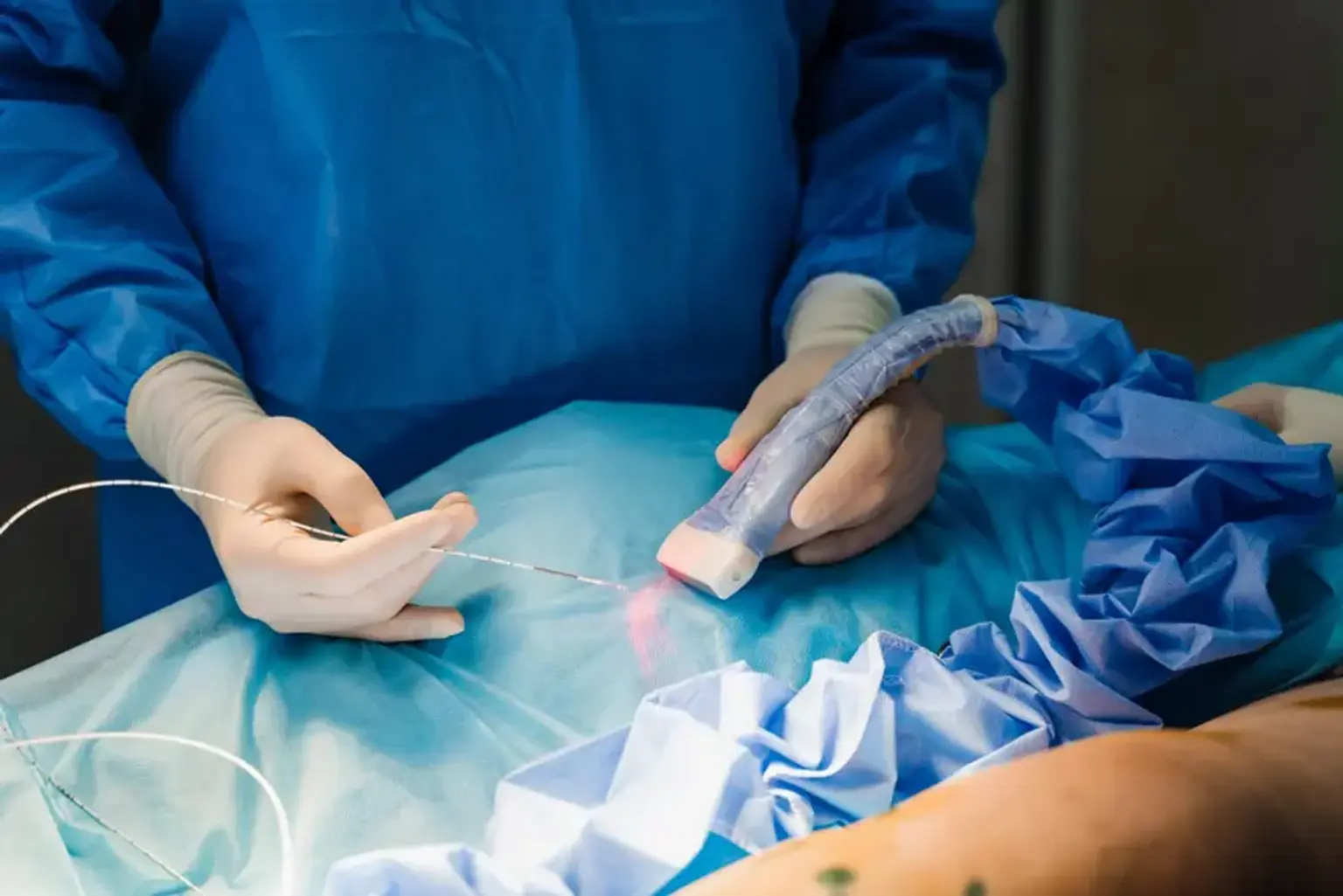
Endovenous Laser or Radiofrequency Ablation: Heat energy is used to close off varicose veins from the inside, a less invasive alternative to traditional surgery.
Surgical and Interventional Procedures
surgical-and-interventional-proceduresWhen non-surgical methods are insufficient, vascular surgeons employ a range of procedures to treat severe conditions:
Bypass Surgery: Involves rerouting blood flow around a blocked artery using a graft (either a synthetic tube or a section of a healthy vein from another part of your body). Common bypass procedures include femoropopliteal bypass for PAD and aortobifemoral bypass for severe blockages in the aorta and iliac arteries.
Angioplasty and Stenting: A minimally invasive procedure where a balloon-tipped catheter is inserted into a narrowed artery and inflated to widen it. A stent (a small mesh tube) may then be placed to keep the artery open. This is frequently used for PAD, carotid artery disease, and renal artery stenosis.
Endarterectomy: Surgical removal of plaque buildup from inside an artery. Carotid endarterectomy, for instance, is a common procedure to prevent stroke by clearing plaque from the carotid arteries in the neck.
Aneurysm Repair (Open and Endovascular):
Open Repair: Involves surgically opening the abdomen or chest to replace the weakened section of the aorta with a synthetic graft.
Endovascular Aneurysm Repair (EVAR/TEVAR): A minimally invasive technique where a stent-graft is delivered through small incisions in the groin to reinforce the aneurysm from within, preventing rupture.
Varicose Vein Surgery (Phlebectomy/Ligation and Stripping): Traditional surgical removal or tying off of problematic varicose veins. Less common now with advancements in laser/radiofrequency ablation.
Thrombectomy: Surgical removal of a blood clot from an artery or vein, often performed in emergency situations for acute limb ischemia or DVT.
Recovery Process and Post-Treatment Care
recovery-process-and-post-treatment-careRecovery from vascular surgery varies significantly depending on the procedure. Minimally invasive endovascular procedures generally involve shorter hospital stays (1-2 days) and quicker returns to normal activities (1-2 weeks). Open surgeries, such as an aortic bypass, may require a hospital stay of 5-7 days and a recovery period of several weeks to a few months.
Your post-treatment care typically includes:
Pain Management: Medication to control discomfort.
Wound Care: Instructions for keeping incision sites clean and preventing infection.
Activity Restrictions: Guidance on lifting, driving, and exercise.
Medications: Continuing or starting medications to manage underlying conditions (e.g., blood thinners, cholesterol-lowering drugs).
Rehabilitation: For some procedures, a supervised exercise program may be recommended to improve circulation and strength.
Follow-up Appointments: Regular check-ups with your vascular specialist to monitor your recovery and the treated condition.
Potential Risks, Side Effects, and Safety Measures
potential-risks-side-effects-and-safety-measuresLike any surgical procedure, vascular surgery carries potential risks, though serious complications are rare. Your surgeon will discuss these thoroughly with you.
Common risks include:
Bleeding
Infection at the surgical site
Blood clots
Nerve injury
Reactions to anesthesia
Artery re-narrowing (restenosis)
Specific risks can vary by procedure. For example, carotid artery surgery carries a small risk of stroke, while aortic aneurysm repair has risks related to kidney function or bowel complications.
Safety measures taken by medical teams include thorough pre-operative assessments, sterile surgical environments, vigilant monitoring during and after surgery, and adherence to international safety protocols. CloudHospital only partners with accredited facilities that prioritize patient safety and utilize advanced risk mitigation strategies.
Innovation in Vascular Care & Patient Journey
innovation-in-vascular-care-and-patient-journeyVascular surgery is a rapidly evolving field, driven by technological advancements and a commitment to improving patient outcomes. CloudHospital aims to connect you with facilities that are at the forefront of these innovations, ensuring access to cutting-edge treatments and a well-supported patient journey.
Technology and Equipment Used in Vascular Surgery
technology-and-equipment-used-in-vascular-surgeryModern vascular surgery relies heavily on advanced technology to enhance precision, minimize invasiveness, and improve patient safety.
Hybrid Operating Rooms: These state-of-the-art surgical suites combine a traditional operating room with advanced imaging capabilities (like angiography). This allows surgeons to perform both open and endovascular procedures simultaneously, offering greater flexibility and precision, especially for complex cases.
High-Resolution Imaging Systems: Intraoperative ultrasound, fluoroscopy, and 3D imaging provide real-time, detailed views of blood vessels, guiding surgeons during delicate procedures.
Specialized Catheters and Wires: Designed for navigating intricate vascular pathways, these tools enable minimally invasive access and treatment of lesions.
Advanced Stent Grafts: These devices, made of fabric and metal mesh, are crucial for endovascular aneurysm repair (EVAR/TEVAR) and are continually being refined for better customization and durability.
Robotic-Assisted Systems: While still emerging, robotics are being explored to enhance precision and dexterity in certain open vascular procedures.
Vascular Lasers and Radiofrequency Devices: Used in minimally invasive treatments for varicose veins, offering effective closure with less discomfort and recovery time.
Latest Innovations and Advancements in Vascular Care
latest-innovations-and-advancements-in-vascular-careThe field of vascular surgery is constantly evolving, with several exciting advancements:
Fenestrated and Branched EVAR (F-EVAR/B-EVAR): These highly specialized endovascular techniques allow for the repair of complex aortic aneurysms that involve arteries branching off the aorta (like those supplying the kidneys or intestines). They offer a minimally invasive alternative for patients previously only eligible for extensive open surgery.
Drug-Coated Balloons (DCB) and Drug-Eluting Stents (DES): These devices release medication to prevent re-narrowing of treated arteries, offering a more durable solution for peripheral artery disease.
Bioabsorbable Stents: While still under development for large vessels, these stents are designed to dissolve over time, leaving no permanent implant in the artery once it has healed.
Enhanced Recovery After Surgery (ERAS) Protocols: These multidisciplinary programs optimize pre-operative, intra-operative, and post-operative care to reduce stress on the body, minimize complications, and accelerate recovery.
Personalized Medicine: Genetic profiling and advanced diagnostics are increasingly used to tailor treatment plans to individual patient characteristics, predicting response to therapy and optimizing outcomes.
Average Cost of Vascular Surgery by Country (USD)
average-cost-of-vascular-surgery-by-country-(usd)Understanding the cost of vascular surgery is a key factor for international patients. Prices can vary significantly based on the country, the specific procedure, the hospital's reputation, and inclusions. Below are indicative package ranges in USD for common vascular procedures in selected high medical tourism destinations. These are estimated ranges and a personalized quote is always recommended after a clinical review.
Treatment / Service | UAE | USA | Japan | Thailand | South Korea |
|---|---|---|---|---|---|
Vascular Surgery Consultation | $150 – $400 | $250 – $700 | $80 – $200 | $40 – $120 | $90 – $220 |
Doppler Ultrasound (Arteries/Veins) | $150 – $400 | $200 – $600 | $70 – $200 | $40 – $120 | $80 – $250 |
CT Angiography | $400 – $1,200 | $900 – $3,000 | $250 – $900 | $140 – $450 | $250 – $1,200 |
Peripheral Artery Disease (PAD) Evaluation | $200 – $700 | $400 – $1,500 | $120 – $400 | $60 – $180 | $100 – $350 |
Varicose Vein Treatment (Laser/RFA) | $1,500 – $5,000 | $2,500 – $8,000 | $800 – $2,500 | $500 – $1,500 | $1,200 – $4,000 |
Carotid Endarterectomy | $10,000 – $25,000 | $18,000 – $45,000 | $8,000 – $20,000 | $6,000 – $15,000 | $9,000 – $22,000 |
Aneurysm Repair (AAA – Endovascular EVAR) | $25,000 – $60,000 | $40,000 – $120,000 | $20,000 – $50,000 | $15,000 – $40,000 | $22,000 – $55,000 |
Deep Vein Thrombosis (DVT) Treatment Package | $500 – $2,000 | $1,000 – $4,000 | $300 – $1,200 | $120 – $450 | $200 – $1,000 |
Lymphedema Management Program | $200 – $800 | $400 – $1,500 | $150 – $450 | $70 – $200 | $120 – $500 |
Bypass Surgery (Peripheral Vascular Bypass) | $20,000 – $55,000 | $35,000 – $90,000 | $18,000 – $45,000 | $12,000 – $35,000 | $20,000 – $55,000 |
Your Vascular Patient Journey: From Consultation to Follow-Up
your-vascular-patient-journey:-from-consultation-to-follow-upNavigating a medical journey, especially abroad, can seem daunting. CloudHospital simplifies this process, providing comprehensive support every step of the way.
Initial Inquiry & Free Consultation: You begin by contacting CloudHospital with your medical reports and questions. We facilitate a free, no-obligation consultation with a leading vascular specialist to discuss your case and potential treatment options.
Personalized Treatment Plan & Quote: Based on the consultation, you receive a detailed, transparent treatment plan and a fixed-price quote in your preferred currency (USD). This includes all medical costs, accommodation, and any necessary local support services.
Travel & Accommodation Coordination: Our dedicated care managers assist with travel logistics, including visa guidance, flight arrangements, and comfortable accommodation tailored to your recovery needs.
Arrival & Pre-Treatment: Upon arrival in your chosen destination, you are met by a local representative who assists with airport transfers and settling in. Pre-treatment appointments, including diagnostics and further consultations, are coordinated seamlessly.
Treatment: You undergo your vascular surgery procedure at a top-tier, accredited hospital, receiving care from highly experienced medical professionals.
Recovery & Post-Operative Care: Your care manager ensures a smooth recovery, coordinating follow-up appointments, medication, and any rehabilitation services.
Return Home & Ongoing Support: Once medically cleared, we assist with your return travel. CloudHospital continues to offer remote follow-up support, ensuring your long-term well-being and answering any questions you may have after returning home.
Frequently Asked Questions (FAQs) About Vascular Surgery
frequently-asked-questions-(faqs)-about-vascular-surgeryPatients often have many questions about vascular surgery. Here are answers to some of the most common inquiries.
1. What is vascular surgery?
1what-is-vascular-surgeryVascular surgery is a medical specialty that focuses on diagnosing and treating diseases of the arteries, veins, and lymphatic system. This includes conditions like aneurysms, blockages (atherosclerosis), varicose veins, and blood clots, which can affect circulation throughout the body, excluding the heart and brain's internal arteries. Vascular surgeons perform both open surgical procedures and minimally invasive endovascular techniques to restore healthy blood flow.
2. What conditions does a vascular surgeon treat?
what-conditions-does-a-vascular-surgeon-treatVascular surgeons treat a wide range of conditions affecting your blood vessels. This includes peripheral artery disease (PAD), carotid artery disease a cause of stroke, abdominal aortic aneurysms (AAA), thoracic aortic aneurysms (TAA), varicose veins, deep vein thrombosis (DVT), chronic venous insufficiency, and vascular access for dialysis. They aim to prevent serious complications like stroke, limb loss, or aneurysm rupture by restoring proper blood flow.
3. What are the common symptoms of vascular disease?
what-are-the-common-symptoms-of-vascular-diseaseCommon symptoms of vascular disease vary depending on the affected area. For peripheral artery disease (PAD), you might experience leg pain during walking (claudication), numbness, or coldness in your limbs. Carotid artery disease often has no symptoms until a stroke occurs, but sometimes 'mini-strokes' (TIAs) can cause temporary weakness or vision changes. Varicose veins are often visible and can cause aching or swelling. Swelling, pain, or redness in a limb can indicate deep vein thrombosis (DVT).
4. Is vascular surgery painful?
is-vascular-surgery-painfulModern vascular surgery procedures are performed under anesthesia, so you will not feel pain during the operation. After surgery, some discomfort, soreness, or pain is normal as the anesthesia wears off. Your medical team will provide effective pain management medication to ensure you are comfortable during your recovery. The level of pain experienced can vary based on the type of procedure and individual pain tolerance, but it is typically well-managed.
5. How long is the recovery time after vascular surgery?
how-long-is-the-recovery-time-after-vascular-surgeryRecovery time for vascular surgery varies significantly depending on the specific procedure and your overall health. For minimally invasive endovascular procedures, recovery might be a few days to a week. Open surgeries, such as an aortic aneurysm repair or bypass, may require a hospital stay of 5-7 days and several weeks to months for full recovery. Your surgeon will provide a personalized recovery plan and timeline based on your individual case.
6. What is the difference between an interventional cardiologist and a vascular surgeon?
what-is-the-difference-between-an-interventional-cardiologist-and-a-vascular-surgeonAn interventional cardiologist focuses specifically on conditions affecting the heart and its immediate blood vessels, performing procedures like angioplasty and stenting in the coronary arteries. A vascular surgeon, on the other hand, treats diseases of all other blood vessels throughout the body, including arteries and veins in the limbs, abdomen, and neck, excluding the heart itself. While both use similar techniques, their areas of primary focus differ.
7. Are there non-surgical options for vascular disease?
are-there-non-surgical-options-for-vascular-diseaseYes, many vascular conditions can be managed or treated with non-surgical approaches, especially in their early stages. These include lifestyle modifications like diet and exercise, medication to control blood pressure, cholesterol, or blood sugar, and anti-clotting drugs. Compression therapy is often used for venous issues. Your vascular specialist will explore these options before recommending surgery, aiming for the least invasive effective treatment.
8. What is an abdominal aortic aneurysm (AAA)?
what-is-an-abdominal-aortic-aneurysm-(aaa)An abdominal aortic aneurysm (AAA) is a bulging, weakened area in the wall of the aorta, the body's largest artery, as it passes through the abdomen. It's dangerous because it can rupture, leading to life-threatening internal bleeding. AAAs often grow slowly without symptoms, making screening crucial for at-risk individuals. Treatment may involve watchful waiting or surgical repair (open or endovascular) to prevent rupture.
9. How can I prevent vascular disease?
how-can-i-prevent-vascular-diseasePreventing vascular disease involves maintaining a healthy lifestyle. This includes quitting smoking, managing high blood pressure and cholesterol through diet and medication, controlling diabetes, eating a balanced diet rich in fruits and vegetables, exercising regularly (at least 30 minutes most days), and maintaining a healthy weight. Regular check-ups with your doctor can help monitor risk factors and intervene early if needed.
10. Why consider vascular surgery abroad with CloudHospital?
why-consider-vascular-surgery-abroad-with-cloudhospitalCloudHospital connects you with world-class vascular surgeons and accredited hospitals globally, offering high-quality care at transparent, competitive prices. We provide comprehensive support, including free treatment plans, personalized quotes, appointment coordination, and dedicated care managers. Choosing us means access to innovative treatments, shorter wait times, and a seamless medical journey, ensuring peace of mind throughout your treatment abroad.
Why Choose CloudHospital for Your Vascular Care Journey?
why-choose-cloudhospital-for-your-vascular-care-journeyChoosing the right path for vascular treatment can be life-changing. CloudHospital simplifies this decision by offering unparalleled access to global expertise, transparent processes, and dedicated support.
Seamless Access to Top Vascular Specialists Worldwide
seamless-access-to-top-vascular-specialists-worldwideWe partner with a curated network of leading hospitals and highly skilled vascular surgeons across the globe, including premier facilities in the UAE, Turkey, Thailand, and South Korea. Our platform allows you to compare profiles, review credentials, and access free consultations with specialists who are experts in conditions like peripheral artery disease, aneurysms, and varicose veins. This empowers you to select the best medical team for your specific needs, ensuring peace of mind.
Transparent Pricing and Personalized Support
transparent-pricing-and-personalized-supportCloudHospital is committed to transparency. We provide fixed, all-inclusive quotations upfront, eliminating hidden fees and financial surprises. Our dedicated online and offline care managers guide you through every stage of your medical journey, from initial inquiry and treatment planning to travel logistics, hospital stay, and post-operative follow-up. We ensure seamless communication with medical teams and provide essential support like free translation services.
Conclusion: Your Path to Better Vascular Health Starts Here
conclusion:-your-path-to-better-vascular-health-starts-hereVascular health is fundamental to your overall well-being. Whether you're seeking diagnosis for early symptoms, exploring non-surgical treatments, or requiring complex surgical intervention for conditions like aneurysms or advanced peripheral artery disease, accessing expert care is paramount. CloudHospital is your trusted partner, connecting you to world-class vascular surgeons and advanced medical facilities globally. We are dedicated to making your journey toward better circulatory health as seamless and successful as possible.
Take the Next Step Towards Comprehensive Vascular Care
take-the-next-step-towards-comprehensive-vascular-careDon't let vascular concerns compromise your health or quality of life. Explore your options with confidence.