

Seoul, Republic of Korea | January 12, 2026A commonly used cardiac blood marker called NT-proBNP may help clinicians identify which people living with hypertrophic cardiomyopathy (HCM) face a higher likelihood of serious complications, including heart failure and dangerous arrhythmias, according to British Heart Foundation (BHF)–funded research and related public reporting. Researchers say the opportunity is not a “new test,” but a stronger, more scalable way to support HCM risk stratification using an established biomarker alongside imaging and specialist evaluation.
The findings support a growing shift in cardiology toward precision cardiology, preventive cardiology, and personalized medicine especially for inherited heart disease where outcomes can vary widely even within the same family.
What Happened and Why It Matters Now
what-happened-and-why-it-matters-nowHypertrophic cardiomyopathy is among the most common inherited heart conditions worldwide. While many people remain stable or experience mild symptoms, others develop progressive disease with complications such as atrial fibrillation, ventricular arrhythmias, and heart failure. Because disease progression can be unpredictable, clinicians and families have long needed better tools to identify who is truly at higher risk—and to act earlier.
Researchers report that higher NT-proBNP levels were linked to signs of more advanced heart changes that are associated with worse outcomes. In practice, that could help clinicians decide who needs closer monitoring, earlier imaging, or more proactive rhythm surveillance.
What Is Hypertrophic Cardiomyopathy (HCM)?
what-is-hypertrophic-cardiomyopathy-hcm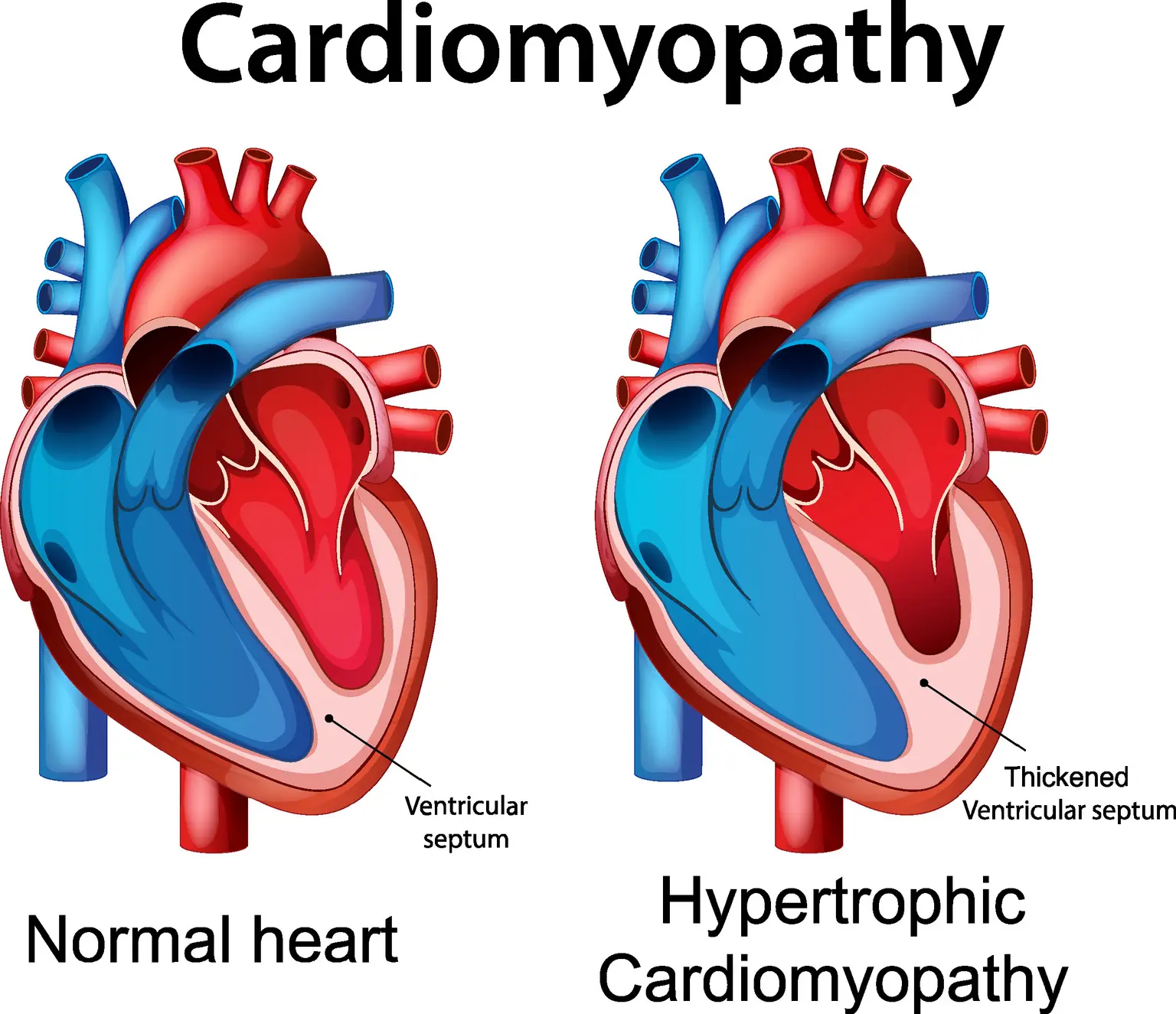
HCM is a genetic cardiovascular condition in which the heart muscle becomes abnormally thickened and can become stiff. This can limit blood flow, increase strain on the heart, and raise the risk of rhythm disturbances.
Symptoms may include:
- Shortness of breath
- Chest pain
- Fatigue
- Dizziness or fainting
- Palpitations
- Reduced exercise tolerance
In some cases, serious arrhythmias can occur, which is why accurate risk assessment is a priority in modern cardiology.
What Is NT-proBNP and Why It’s Trending in HCM Care
what-is-nt-probnp-and-why-its-trending-in-hcm-careNT-proBNP is a protein released into the bloodstream when the heart is under increased stress. It’s widely used in cardiology and has been studied across multiple heart conditions. In HCM, researchers are now highlighting NT-proBNP’s potential to improve risk prediction by serving as a practical biomarker that can be combined with cardiac imaging and clinical assessment.
Trending keywords naturally reflected in this update include: NT-proBNP, hypertrophic cardiomyopathy, HCM, cardiac biomarker, genetic heart disease, inherited heart disease, arrhythmia risk, atrial fibrillation, heart failure risk, sudden cardiac arrest, cardiac MRI, genetic testing, family screening, precision cardiology, and preventive cardiology.
Key Findings Reported by Researchers
key-findings-reported-by-researchersIn the research highlighted in public reporting:
- Blood proteins were analyzed in around 700 patients with hypertrophic cardiomyopathy
- Patients were tracked over time, with outcomes compared against biomarker patterns
- Higher NT-proBNP levels were associated with indicators linked to more severe disease, including poorer functional measures and structural changes
- Researchers emphasized the value of combining biomarker signals with imaging findings to sharpen risk stratification and guide follow-up intensity
Experts involved in commentary have framed the goal as improving confidence in decision-making—helping clinicians deliver the right level of monitoring and intervention to the right patient at the right time.
What This Could Change for Patients and Families
what-this-could-change-for-patients-and-familiesIf further validated and adopted into routine pathways, NT-proBNP may help clinicians:
- Identify patients who may need closer follow-up
- Decide when to consider advanced imaging, including cardiac MRI
- Trigger earlier discussions on rhythm monitoring for arrhythmia risk
- Support family screening and genetic counseling/testing conversations in inherited cardiomyopathy
For international patients and families seeking specialist evaluation, clearer risk stratification can reduce uncertainty, support long-term care planning, and improve coordination between local clinicians and tertiary centers.
What This Does Not Mean
what-this-does-not-mean-This update does not mean:
- NT-proBNP alone can predict the future for every HCM patient
- A blood test replaces echocardiography, ECG evaluation, cardiac MRI, or specialist assessment
- Patients should change medication, physical activity, or follow-up schedules without clinician guidance
HCM care remains multi-factor and individualized, and clinical decisions should follow specialist advice and guideline-based assessment.
Patient Action Steps: What to Ask Your Cardiologist
patient-action-steps-what-to-ask-your-cardiologistIf you have HCM, suspected HCM, or a family history of inherited heart disease, consider asking:
- Should NT-proBNP testing be included in my HCM follow-up plan?
- Do I need structured rhythm monitoring based on symptoms or risk factors?
- Would cardiac MRI add important detail for my risk assessment?
- Should my family consider genetic counseling/testing and screening?
- What warning symptoms should trigger urgent review?
Seek urgent medical care if you experience fainting, severe chest pain, severe breathlessness, or sustained palpitations.
Editorial Transparency
editorial-transparencyBy: CloudHospital Health Desk Reviewed by: Leesong Cardiology department Sources: British Heart Foundation–funded research and public reporting, with supporting expert commentary from institutions involved in the research.
About CloudHospital
about-cloudhospitalCloudHospital delivers global medical insight updates, diagnostic innovation coverage, and patient-centered guidance for patients, clinicians, and international families seeking clarity in complex conditions such as inherited heart disease.
Media / Support: support@icloudhospital.com
Medical disclaimer: This content is for educational purposes only and does not replace professional medical advice, diagnosis, or treatment.