Understanding Advanced Plastic Surgery Procedures
Plastic surgery has significantly evolved over the years, with advanced techniques offering better results and quicker recovery times. These procedures, which include both cosmetic and reconstructive surgeries, now utilize cutting-edge technologies to provide safer and more precise outcomes.
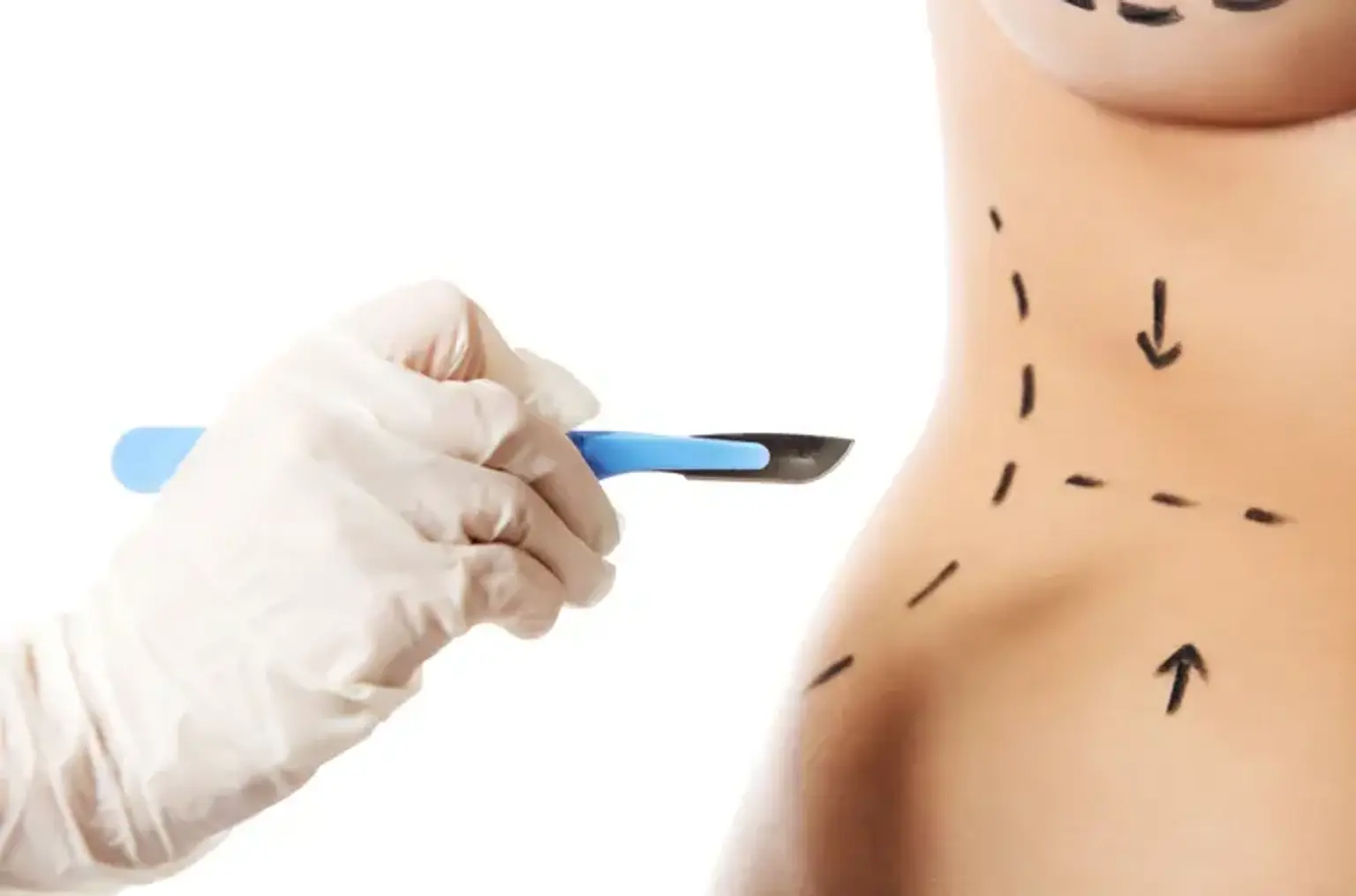
Advanced plastic surgery procedures refer to innovative techniques that improve surgical results, reduce recovery time, and minimize complications. Whether enhancing a patient’s appearance or restoring form after injury, the field continuously adapts with new methods, making surgeries more effective and accessible.
Today’s procedures go beyond traditional techniques, incorporating technologies like 3D imaging, robotic assistance, and non-invasive options, making plastic surgery safer, faster, and more customizable.
The Role of Technology in Modern Plastic Surgery
Technology has been a game changer in plastic surgery. Tools like 3D imaging allow surgeons to create detailed visual models before even performing the surgery. This enhances accuracy and ensures that patients get the best possible results. For instance, during breast augmentation or facelift surgeries, this technology helps plan incisions and placement with remarkable precision.
Robotic-assisted surgery has made its way into the operating room, offering heightened precision during complex procedures like rhinoplasty and body contouring. Surgeons can operate with more control and efficiency, reducing human error and speeding up recovery times.
In addition, virtual consultations are now commonplace, making the process more accessible for people considering cosmetic surgery. Patients can speak to surgeons without leaving home, ask questions, and even see how they might look post-surgery using augmented reality.
Facial Plastic Surgery: Innovations in Rejuvenation
Facial plastic surgery has always been popular, but advancements are making it more natural-looking and less invasive. Facelifts now involve smaller incisions, quicker recovery times, and better, longer-lasting results. Surgeons use techniques that lift skin and tissue without the need for excessive cuts, making recovery faster and less painful.
For those looking for less invasive options, procedures like Botox and dermal fillers have gained immense popularity. These non-surgical options target wrinkles and fine lines, giving a refreshed look without any downtime. Similarly, rhinoplasty procedures have advanced with better techniques for reshaping the nose, creating more symmetrical, natural results.
For a minimally invasive lift, microcurrent facelifts use small electrical pulses to tighten and tone the skin, offering a non-surgical alternative for those not ready for a full facelift. The result? A more youthful appearance without the scars and risks of traditional surgery.
Body Contouring: Redefining Shape and Size
Body contouring has transformed dramatically in recent years. While traditional liposuction is still widely used, modern techniques like laser-assisted liposuction provide a more precise, less invasive method. This advanced technology helps remove stubborn fat while simultaneously tightening the skin, offering a smoother, more sculpted look.
Fat transfer surgery has also grown in popularity. Instead of using implants, surgeons take fat from one area of the body (like the thighs or abdomen) and transfer it to areas that need volume, such as the breasts or buttocks. This procedure provides more natural-looking results and eliminates the risk of rejection that comes with synthetic implants.
For those who prefer non-invasive options, procedures like CoolSculpting and SculpSure are effective for reducing fat in problem areas. These treatments freeze or melt fat cells, which are then naturally eliminated by the body over time. Although the results take a little longer to show, they come with no incisions, minimal discomfort, and zero downtime.
Breast Augmentation and Reconstruction: Latest Trends
Breast augmentation has come a long way with advancements in implant technology. Modern implants are designed to be more natural in feel and appearance, with various shapes, sizes, and textures available to suit individual preferences. Many patients are opting for silicone implants over saline, as they offer a softer, more realistic result.
Fat transfer for breast augmentation is another growing trend. This technique uses the patient’s own fat to enhance breast size and shape, providing a more natural option with less risk of rejection. Additionally, advancements in breast reconstruction, particularly for women recovering from mastectomies, have led to improved surgical options. Surgeons now use tissue flap techniques and implants to create more natural-looking breasts, helping restore not only appearance but confidence as well.
Advanced Skin Rejuvenation: Addressing Aging and Skin Imperfections
Skin rejuvenation has always been a core area of plastic surgery, and today, there are more options than ever. Laser skin resurfacing has revolutionized how we treat skin imperfections like wrinkles, acne scars, and sun damage. Fractional CO2 lasers, for example, can penetrate deep into the skin to stimulate collagen production, leading to smoother, tighter skin.
Chemical peels remain a popular choice for those seeking less invasive methods. They help with fine lines, discoloration, and textural irregularities. For more advanced treatments, stem cell therapy is gaining traction. It focuses on using the body's own regenerative cells to heal and renew the skin, promoting faster recovery and healthier, youthful skin. These innovations make achieving smoother, more vibrant skin safer and faster than ever before.
Minimally Invasive Alternatives: The Future of Non-Surgical Aesthetics
Minimally invasive procedures are becoming a staple in the world of advanced plastic surgery. Many patients now prefer these options for facial and body enhancements due to their minimal downtime and lower risks. Non-surgical facelifts, such as thread lifts, use dissolvable sutures to lift and tighten sagging skin, offering a subtle lift with little recovery time.
Injectables like Botox and dermal fillers are commonly used to smooth wrinkles, add volume, and create a more youthful appearance without the need for surgery. Additionally, ultrasound and radiofrequency treatments, which use energy to tighten skin and reduce fat, have gained popularity for body contouring and skin tightening. These non-invasive methods deliver noticeable results with minimal risk and almost no downtime, making them ideal for people with busy lifestyles.
Reconstructive Plastic Surgery: Healing and Restoring Form
Reconstructive plastic surgery plays a crucial role in restoring both form and function to patients who have suffered trauma, illness, or congenital abnormalities. Advances in reconstructive techniques have significantly improved outcomes, particularly for burn victims, accident survivors, and those needing breast reconstruction after mastectomies.
Skin grafting, flap surgery, and tissue expansion are some of the key methods used to restore lost tissue and skin. These techniques, often enhanced by 3D imaging and personalized surgical plans, allow surgeons to recreate the patient’s original features or enhance them for a more natural, aesthetically pleasing look. Moreover, the integration of regenerative medicine, including stem cell therapy, has accelerated recovery and improved results, allowing patients to regain both confidence and function after surgery.
Gender-Affirming Plastic Surgery: Inclusivity and Advancements
Gender-affirming plastic surgery has become a vital part of transgender healthcare, offering transformative options to align a person’s physical appearance with their gender identity. Procedures like facial gender confirmation surgery (FGCS), chest/top surgery, and genital reconstruction have improved significantly in both technique and accessibility.
Facial surgeries aim to create more feminine or masculine features, while chest surgery may involve breast augmentation or mastectomy, depending on the individual’s needs. These advancements are not only about aesthetic changes; they help with emotional well-being and mental health, providing individuals with the confidence to live authentically. The growing inclusivity and refinement of these procedures demonstrate the evolving understanding and acceptance of diverse gender identities in the medical community.
Safety Protocols and Choosing a Qualified Surgeon
Safety is paramount when considering any advanced plastic surgery. One of the most important decisions a patient can make is selecting a qualified, board-certified surgeon. Board certification ensures that the surgeon has undergone extensive training and has met rigorous standards in their field.
Before surgery, patients should undergo thorough medical evaluations to assess their health and readiness for the procedure. Surgeons will provide detailed information about potential risks, expected results, and recovery time. Post-operative care, including follow-up appointments, is crucial to monitor healing and address any complications. Choosing the right surgeon with proven expertise reduces the risks associated with surgery and ensures a safer, more successful outcome.
Risks and Benefits of Advanced Plastic Surgery Procedures
Advanced plastic surgery procedures offer a range of benefits, but like any surgery, they come with risks. Common risks include infection, scarring, anesthesia complications, and the possibility of unsatisfactory results. It's essential for patients to discuss these risks with their surgeon before making a decision.
Despite these risks, the benefits of plastic surgery can be life-changing. Improved self-esteem, enhanced appearance, and the restoration of body functions after trauma are among the most significant advantages. For many patients, these benefits far outweigh the risks, particularly when they are well-informed and carefully follow post-surgical care instructions. With the right preparation and realistic expectations, the risk of complications can be minimized, leading to successful and satisfying outcomes.
Global Popularity and Trends in Plastic Surgery
Plastic surgery has become a global phenomenon, with countries like the U.S., Brazil, and South Korea leading the charge. South Korea, for example, has become known for its advanced facial procedures, such as double eyelid surgery and rhinoplasty, driven by cultural preferences for a particular beauty standard.
Cosmetic surgery tourism is also on the rise, as patients travel abroad to seek high-quality procedures at more affordable prices. Countries like Mexico, Thailand, and Turkey have become popular destinations for medical tourism. While these procedures are more affordable, patients should always ensure they are choosing accredited clinics with experienced surgeons. The worldwide demand for plastic surgery reflects a growing acceptance of aesthetic procedures and their importance in improving people’s lives.
Innovations in Non-Surgical Aesthetic Treatments
Non-surgical aesthetic treatments have become a popular choice for individuals seeking to enhance their appearance with minimal downtime. Procedures like Botox, dermal fillers, and non-invasive body contouring are leading the charge in this area. These treatments can reduce wrinkles, add volume, and sculpt the body without the need for incisions or lengthy recovery periods.
Laser technologies have also revolutionized non-surgical skin rejuvenation. Fractional lasers, for example, target specific areas of skin to stimulate collagen production, improving texture and tone. Non-surgical facelifts, using threads or energy-based devices, have become popular for individuals seeking a subtle lift without the need for full surgery. These options offer patients a safer, less invasive route to achieve their aesthetic goals.
The Role of Stem Cells in Plastic Surgery
Stem cell therapy is a rapidly growing field in plastic surgery, offering innovative ways to promote healing, reduce scarring, and enhance results. Stem cells, which are capable of regenerating tissue, are being used in reconstructive surgeries to improve recovery times and the quality of healing.
In cosmetic procedures, stem cell-based fat grafting is gaining attention. This technique uses a patient’s own fat, enriched with stem cells, to rejuvenate areas that have lost volume, such as the face, breasts, or hands. The regenerative properties of stem cells help the injected fat survive longer, creating a more natural and lasting result. As research advances, stem cells could play an even larger role in reducing complications and improving surgical outcomes.
The Psychological Impact of Plastic Surgery
Plastic surgery can have profound psychological benefits, especially for patients undergoing procedures that address self-esteem issues. Many individuals choose surgery to improve appearance after experiencing trauma, aging, or dissatisfaction with certain features. The result often goes beyond physical enhancement, boosting emotional well-being and quality of life.
Improved self-esteem, increased confidence, and better social interactions are common outcomes. However, it’s important for patients to have realistic expectations and understand that cosmetic surgery should complement their overall well-being, not define it. Mental health support before and after surgery can help patients maintain a positive outlook and make the most of their transformation.
The Future of Plastic Surgery: What's Next?
The future of plastic surgery is exciting, with numerous advancements on the horizon. One key area of growth is the integration of artificial intelligence (AI) and machine learning into surgical planning. AI tools are already being used to analyze images and predict outcomes, allowing surgeons to plan procedures more precisely and customize treatments based on individual anatomy.
Another emerging trend is the rise of regenerative medicine, including gene therapy and tissue engineering. These technologies have the potential to offer more natural and longer-lasting results, further reducing recovery times and complications. The integration of these advanced technologies, along with a growing focus on minimally invasive techniques, suggests that the future of plastic surgery will continue to evolve, offering safer, more personalized procedures with transformative results.
Advances in Liposuction: More Precision, Less Recovery
Liposuction remains one of the most popular body contouring procedures, but recent advancements have made it more precise, less invasive, and faster to recover from. Techniques such as laser-assisted liposuction and ultrasound-assisted liposuction (UAL) help break down fat more efficiently, resulting in smoother contours and minimal bruising.
The use of VASER (Vibration Amplification of Sound Energy at Resonance) technology, for example, uses ultrasound waves to target and emulsify fat, allowing for more controlled fat removal and skin tightening. These advances allow for smaller incisions, faster healing, and less trauma to surrounding tissues, leading to a quicker recovery time. As liposuction technology continues to improve, patients can expect even more refined results with reduced risks.
Body Contouring After Weight Loss: Restoring Confidence
For many individuals who have lost significant amounts of weight, excess skin and tissue can remain as a barrier to achieving the full benefits of their weight loss journey. Post-weight loss body contouring procedures, such as tummy tucks, thigh lifts, and arm lifts, help remove this excess skin, sculpting the body and restoring its natural shape.
These procedures can be life-changing, improving physical appearance and boosting self-esteem. They are typically performed after patients have reached a stable weight. By removing sagging skin, body contouring not only enhances appearance but also contributes to improved functionality and comfort, allowing individuals to engage more fully in physical activities.
Plastic Surgery for Men: Breaking Traditional Barriers
In recent years, plastic surgery has become increasingly popular among men, with a growing number seeking procedures to enhance their appearance. Men are opting for facelifts, rhinoplasty, and eyelid surgery to achieve a more youthful, refreshed look. Body contouring procedures, including liposuction and gynecomastia surgery (for reducing male breast tissue), have also seen an increase in demand.
Men are increasingly breaking the stigma around cosmetic surgery, recognizing that these procedures are not just for women but can also help them feel more confident in their appearance. Advances in technique, such as less invasive options and tailored approaches, have made cosmetic surgery more accessible and appealing to male patients. The trend reflects a broader cultural shift toward self-care and personal enhancement for both genders.
Plastic Surgery and Social Media: The Influence of Image Culture
Social media has had a significant impact on the demand for cosmetic surgery, with platforms like Instagram and TikTok fueling image-conscious culture. Filters and editing tools allow individuals to present an idealized version of themselves, leading to increased pressure to maintain a flawless appearance. As a result, many people are turning to plastic surgery to achieve the "Instagram look" they see online.
While social media can be a powerful source of inspiration, it’s crucial for patients to set realistic expectations. Not every surgical result matches a social media ideal, and trends that go viral may not always be suited to an individual’s unique features. Patients should seek professional guidance to determine what will work best for their body and not feel pressured to follow every trend they see online.
The Cost of Plastic Surgery: What to Expect and How to Budget
The cost of advanced plastic surgery procedures can vary widely depending on the complexity of the surgery, the surgeon’s expertise, and the geographical location. Procedures like facelifts and breast augmentations can cost anywhere from $3,000 to $15,000, while more complex surgeries such as tummy tucks or gender-affirming surgeries can exceed $20,000.
It’s important for patients to consider all aspects of the cost, including anesthesia fees, facility fees, and post-surgical care. Some patients may opt for financing options or look into medical tourism to reduce costs, but it’s crucial to ensure that quality is not compromised for the sake of price. A skilled, experienced surgeon is worth the investment to achieve the desired results safely and effectively.
Conclusion
The world of advanced plastic surgery continues to evolve, offering patients a vast array of procedures that can enhance both their physical appearance and overall quality of life. From gender-affirming surgeries to minimally invasive treatments and the growing use of regenerative technologies, the field is expanding to meet the diverse needs of individuals worldwide. Whether through life-changing reconstructive surgeries or cosmetic enhancements, patients are increasingly seeking ways to look and feel their best.
As technology and techniques advance, the safety, precision, and accessibility of plastic surgery are improving, allowing for better outcomes and faster recovery times. However, it remains essential for individuals to approach surgery with realistic expectations, thorough research, and careful selection of qualified professionals. With careful consideration and the right support, advanced plastic surgery offers not only physical transformation but also profound psychological benefits, empowering people to live more confidently in their bodies.
Ultimately, as societal perceptions continue to shift, the role of plastic surgery in enhancing self-esteem and improving lives will only grow, reinforcing its place as a vital component of modern healthcare and personal well-being.