Introduction
Advanced prosthodontics is the branch of dentistry focused on restoring and replacing missing or damaged teeth with prosthetic devices. These solutions are designed to improve not only the functionality of the mouth but also its aesthetic appeal. Over the years, advancements in technology have revolutionized the field, making procedures more precise, effective, and tailored to individual patient needs. Today, prosthodontics blends cutting-edge tools like CAD/CAM systems, 3D printing, and digital impressions to provide customized, durable solutions.
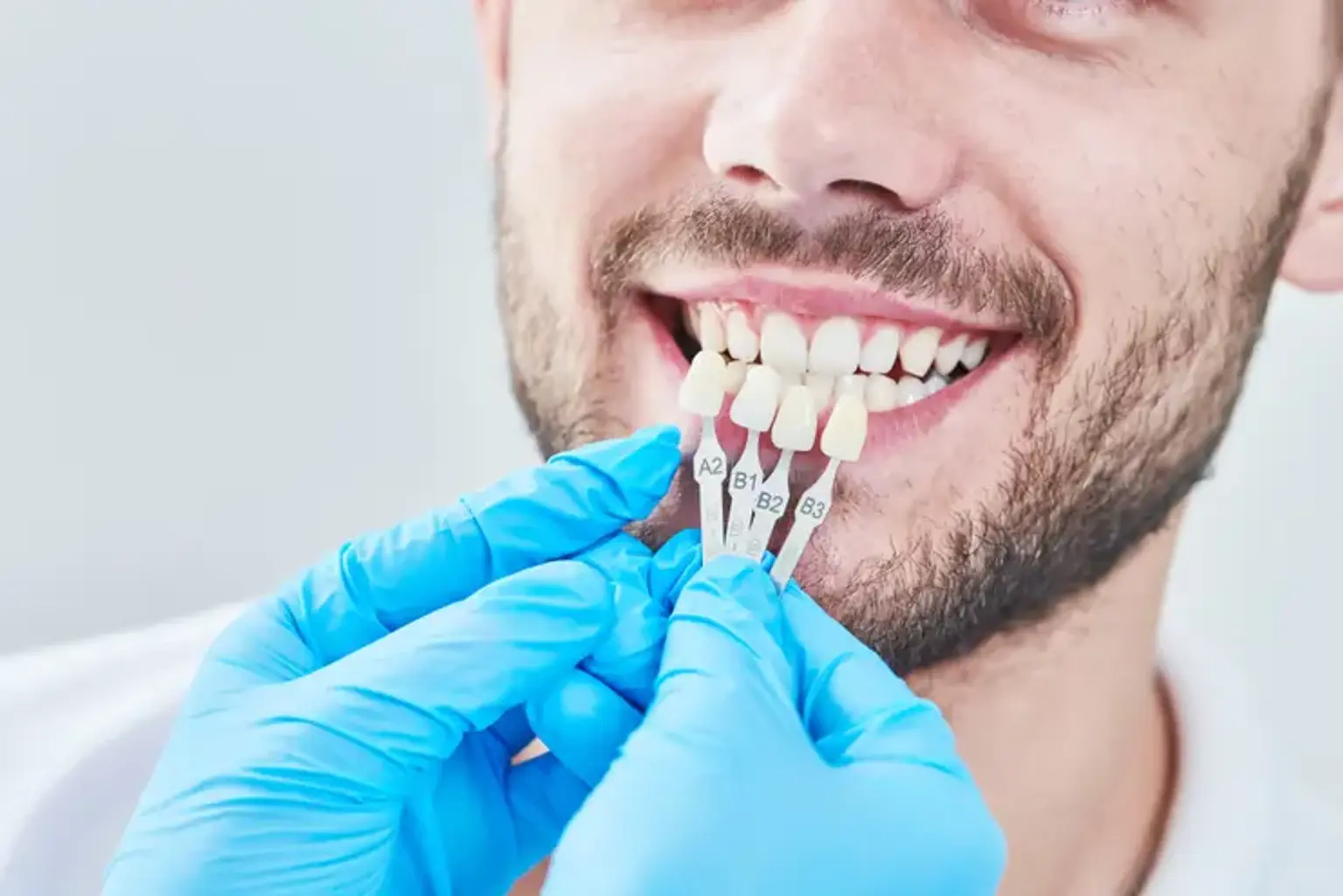
Whether it's replacing a single tooth with a dental implant or restoring an entire smile with fixed dentures, advanced prosthodontic solutions aim to enhance quality of life, restore self-esteem, and improve oral health.
The Evolution of Prosthodontics
Prosthodontics has come a long way from its early days when treatments involved more basic materials and manual craftsmanship. The modern era has introduced digital technology, which has drastically improved the accuracy and speed of treatments. CAD/CAM systems (Computer-Aided Design/Computer-Aided Manufacturing) allow for precise design and fabrication of dental restorations, while 3D printing offers a new dimension of customization.
These innovations, alongside the use of advanced materials like zirconia and ceramic, provide not only better functionality but also more natural-looking results. The integration of artificial intelligence (AI) into treatment planning is the next frontier, promising more personalized and efficient care.
Key Technologies in Advanced Prosthodontic Solutions
The success of modern prosthodontics relies heavily on several advanced technologies:
CAD/CAM Technology: This system allows for the digital design and precise manufacturing of dental prosthetics. Dentists can scan a patient’s mouth, create a 3D model, and design a prosthetic restoration in minutes. The use of milling and 3D printing ensures high precision, leading to quicker and more effective treatments.
3D Printing: This technology has revolutionized the way dental restorations are made. It allows for highly detailed, custom prosthetics to be printed layer by layer. While 3D printing in prosthodontics is primarily used for temporary restorations, its potential in permanent solutions is growing, especially as material quality improves.
Artificial Intelligence: AI is being integrated into prosthodontic workflows, from diagnosis to treatment planning. By analyzing patient data, AI can help predict the best course of treatment, reducing errors and enhancing the overall experience. The ability to simulate potential outcomes means more predictable results for patients.
These technologies have vastly improved both the precision and aesthetic outcomes of dental restorations, offering patients more durable and natural-looking prosthetics.
Digital Impressions and the Role of Scanning in Prosthodontics
Traditional dental impressions, which often involved uncomfortable, messy materials, are quickly being replaced by digital impressions. This process uses intraoral scanners to capture highly accurate images of a patient’s teeth and gums. These digital scans eliminate the need for traditional molds, providing a more comfortable experience for patients while reducing errors caused by physical impressions.
The digital data collected can be directly uploaded into CAD software, where it is used to design and fabricate custom prosthetics. This integration speeds up the process, as there's no need to wait for molds to be sent to a lab. Additionally, digital impressions are far more precise, improving the fit and longevity of restorations.
Custom Prosthetics: Tailored Solutions for Every Patient
In advanced prosthodontics, custom prosthetics are crucial for achieving the best possible outcome for each patient. Unlike traditional, one-size-fits-all treatments, modern prosthetic solutions are personalized to suit the individual’s unique anatomical and aesthetic needs. Whether it’s a veneers, crowns, bridges, or dentures, every aspect of the restoration process is designed for precision.
Custom prosthetics help not only in improving the function of the mouth but also in achieving a natural and pleasing appearance. The use of digital technology in design and fabrication ensures that each prosthetic matches the patient’s natural bite, gum contour, and facial features. A real-life example of this can be seen in implant-supported dentures, where a patient’s bone structure and gum line are considered to ensure that the dentures fit snugly and comfortably, improving both function and aesthetics.
3D Printing in Prosthodontics
3D printing is one of the most exciting innovations in prosthodontics. By creating dental restorations layer by layer, additive manufacturing enables the production of highly detailed, customized prosthetics. This technology has the ability to print temporary and permanent restorations, with precision that surpasses traditional manufacturing methods.
The advantages of 3D printing in prosthodontics include reduced production time, lower costs, and the ability to create prosthetics that are perfectly tailored to a patient’s unique oral structure. It allows for a high degree of customization, which is especially important for complex cases, such as full-mouth restorations or implant-supported prosthetics. While 3D printing is often used for models or temporary restorations, its future in permanent solutions is promising, with advances in biocompatible materials making it increasingly feasible.
The Role of Dental Implants in Prosthodontic Rehabilitation
Dental implants have become the cornerstone of prosthodontic rehabilitation. These titanium posts are surgically placed into the jawbone to act as anchors for various types of restorations, including crowns, bridges, and dentures. Implants are highly durable, long-lasting, and offer a more stable solution compared to traditional dentures, which can shift or cause discomfort.
The process involves a well-planned procedure: after the implant is placed, the bone heals and integrates with the titanium post in a process called osseointegration. Once the implant is secure, a custom prosthetic is attached to restore the function and appearance of the missing tooth or teeth. Benefits of dental implants include better bite function, aesthetic results, and an improved self-confidence for patients. Additionally, implants help prevent bone loss, a common issue with missing teeth, making them a vital part of oral health rehabilitation.
Advancements in Prosthetic Materials
In recent years, prosthetic materials have seen significant advancements, improving both the durability and aesthetic quality of dental restorations. Zirconia and ceramics are among the most popular materials used in modern prosthodontics due to their strength, biocompatibility, and natural appearance. Zirconia, in particular, is known for its excellent mechanical properties, making it an ideal choice for crowns, bridges, and even implant abutments.
These materials provide a more natural-looking finish compared to older options like metals, which could sometimes appear bulky or unnatural. Ceramic materials, such as lithium disilicate, are now used for veneers and crowns, offering superior translucency that mimics natural teeth. Furthermore, these materials are highly resistant to wear, making them long-lasting and ideal for patients seeking a durable, yet aesthetically pleasing, solution.
Virtual Articulators and Facebows: Ensuring Precision
In prosthodontics, achieving precision in the alignment of the bite is crucial for the success of restorations. Two essential tools that help achieve this are virtual articulators and facebows.
Virtual Articulators: These digital devices simulate how a patient’s teeth and jaws interact during chewing and other movements. By using 3D scans, prosthodontists can simulate and adjust the fit of dental restorations in a virtual space before manufacturing begins. This ensures the restorations will not only look natural but also function correctly within the patient's unique occlusal (bite) dynamics. Virtual articulators allow for a higher degree of precision compared to traditional manual methods, leading to fewer adjustments and faster treatment times.
Facebows: A facebow is a tool used to record the spatial relationship between the upper teeth and the jaw. It is especially important for patients with complex bite issues or when planning full-mouth restorations. By accurately transferring this information to the dental laboratory, the prosthodontist can create a restoration that fits seamlessly with the patient's natural bite. These tools work together to ensure that the prosthetic teeth align with the patient's jaw movements, improving both function and comfort.
Prosthodontic Workflow: Streamlining the Treatment Process
The prosthodontic workflow has greatly improved with the advent of digital technologies. Today, many practices integrate tools like CAD/CAM systems and digital impressions into their daily workflows, creating a more streamlined, efficient process for both the dentist and the patient.
The workflow typically begins with a thorough diagnostic assessment, including digital scanning and radiographs. These digital scans are then uploaded into CAD software, where the prosthodontist designs the restoration. Once the design is complete, it can be manufactured on-site using milling machines or sent to a dental laboratory for 3D printing.
By eliminating the need for physical impressions, reducing manual labor, and ensuring greater accuracy, this digital workflow has greatly reduced treatment times and the number of appointments. It also leads to more predictable outcomes, as digital designs can be fine-tuned before any actual production begins.
AI and Its Impact on Prosthodontic Treatment Planning
The integration of artificial intelligence (AI) into prosthodontics is reshaping how treatments are planned and executed. AI tools are designed to analyze large amounts of patient data, such as medical history, bone structure, and dental scans, to assist prosthodontists in making the best decisions for each individual.
AI in Diagnosis: AI algorithms can help identify potential issues like occlusal problems, bite misalignment, and gaps in the oral cavity that may not be immediately visible through traditional methods. By analyzing patterns and comparing them to vast databases of previous cases, AI can assist in diagnosing conditions more accurately and quickly.
Treatment Planning: AI-powered software can suggest optimal restoration options based on a patient’s specific needs, taking into account factors like aesthetic preferences, functionality, and long-term outcomes. Additionally, AI can simulate the final results of a restoration before it is even made, allowing for more informed decisions and minimizing errors during treatment.
AI's role in treatment planning is expected to continue expanding, with new advancements in machine learning and predictive analytics enabling more personalized and precise prosthodontic care.
Prosthodontic Procedures: Step-by-Step Overview
Understanding the process of getting advanced prosthodontic treatments can help alleviate any concerns patients might have. Here’s a general step-by-step overview of what to expect when undergoing a prosthodontic procedure:
Consultation and Assessment: The process begins with a comprehensive consultation, where the prosthodontist evaluates the patient’s oral health, discusses aesthetic goals, and takes necessary images (e.g., digital scans, X-rays). This helps in formulating a personalized treatment plan.
Planning and Design: Using digital tools like CAD software and virtual articulators, the prosthodontist plans and designs the prosthetic restoration. This stage involves selecting materials, deciding on implant placement (if necessary), and considering factors like occlusion and aesthetics.
Fabrication: After the design is finalized, the restoration is fabricated using methods like milling or 3D printing. Depending on the complexity of the procedure, temporary restorations might be used during this stage.
Surgical Placement: If implants are needed, a surgical procedure is performed to place the dental implants into the jawbone. This is followed by a healing period, which can take a few months to ensure that the implants integrate with the bone.
Final Restoration: Once the implants have fully integrated (osseointegration), the final prosthetic is placed, whether it be a crown, bridge, or full denture. Adjustments may be made at this stage to ensure the restoration fits properly and functions as intended.
Follow-Up Care: After the restoration is in place, the patient will undergo regular follow-up appointments to monitor the success of the treatment, ensure proper function, and maintain oral health. This includes routine check-ups to clean the restoration and address any potential issues.
Benefits of Advanced Prosthodontic Solutions
The benefits of advanced prosthodontic solutions extend beyond just improving the appearance of the smile. These treatments offer significant functional, psychological, and health benefits:
Improved Function: Restorations such as dental implants, crowns, and bridges restore the ability to chew and speak properly. They also help in bite alignment, ensuring that the teeth function as naturally as possible.
Enhanced Aesthetics: Custom restorations provide a natural-looking solution that blends seamlessly with a patient’s existing teeth, improving self-confidence and overall appearance.
Preserved Oral Health: Restoring missing teeth prevents the shift of remaining teeth, which can cause bite problems and discomfort. It also helps maintain jawbone density by preventing bone loss, especially with implant-supported restorations.
Safety Protocols and Qualified Practitioners
The success of advanced prosthodontic procedures relies heavily on the qualifications of the practitioner and adherence to strict safety protocols. Patients must choose a licensed and experienced prosthodontist who is well-versed in the latest technologies and treatment methodologies.
Before any procedure, comprehensive assessments are carried out, including medical history reviews and diagnostic imaging. For implant procedures, the bone density and gum health are evaluated to ensure that the patient is a suitable candidate for implants. Throughout the procedure, sterile techniques and anesthesia are used to prevent infections and ensure patient comfort.
Post-procedure, practitioners provide aftercare instructions to prevent complications such as infection or implant failure. This includes managing swelling, pain relief, and regular follow-up visits to monitor progress.
Recovery and Aftercare
Recovery from advanced prosthodontic procedures depends on the complexity of the treatment, but generally, patients can expect the following:
Immediate Post-Surgery: After implant placement, some swelling, bruising, and discomfort may occur. Pain can typically be managed with over-the-counter medication, and ice packs can help reduce swelling. If you’ve received a temporary prosthetic, you may need to adjust to wearing it until the final restoration is placed.
Healing Time: For implant procedures, full osseointegration (the bonding of the implant to the jawbone) can take 3 to 6 months. During this time, it's essential to maintain good oral hygiene and follow up with your prosthodontist.
Long-Term Maintenance: Once healing is complete, patients must continue regular dental visits for check-ups and professional cleaning to ensure the longevity of the prosthetic. Daily brushing, flossing, and avoiding habits like smoking are key to preserving the restorations.
Common Concerns and Frequently Asked Questions
When considering advanced prosthodontic treatments, patients often have several common questions:
How long do dental implants last?
With proper care, dental implants can last 20 years or more. The crown or bridge attached to the implant may need replacement every 10 to 15 years, depending on wear and tear.Is the procedure painful?
Modern prosthodontic procedures are minimally invasive, and anesthesia is used to manage pain. Afterward, discomfort is typically mild and manageable with medication.How much do prosthodontic treatments cost?
Costs can vary widely based on the complexity of the procedure, the materials used, and the location of the practice. Dental implants tend to be more expensive, but they provide a permanent, durable solution. Insurance may cover a portion of the cost, but many patients also explore financing options.
Global Trends and Popularity of Advanced Prosthodontics
Advanced prosthodontic solutions have gained significant global popularity, as more people seek long-lasting, aesthetically pleasing solutions to dental issues. Countries around the world, particularly in North America, Europe, and Asia, are seeing an increasing demand for dental implants, veneers, and other advanced restorative procedures.
In developed nations, the aging population is a major driver for prosthodontic procedures. As people live longer, maintaining a healthy and functional set of teeth becomes essential to overall well-being. This has led to greater investments in technology and education, which has expanded the accessibility and affordability of treatments.
Additionally, cosmetic dentistry has gained traction as a way to enhance self-esteem, which contributes to the growing trend. Procedures such as smile makeovers and full-mouth restorations have been popularized by social media, with many seeking treatments to achieve a more youthful or attractive smile.
How Technology is Shaping the Future of Prosthodontics
Technology is revolutionizing the field of prosthodontics, making treatments faster, more accurate, and more patient-friendly. A few key innovations shaping the future include:
AI and Machine Learning: As previously mentioned, AI is playing a significant role in diagnosis, treatment planning, and predictive analysis. Machine learning can help prosthodontists anticipate challenges and provide personalized care tailored to each patient's needs.
Teledentistry: With the rise of telemedicine, teledentistry allows patients to receive consultations and follow-up care remotely. This is particularly useful for patients in remote areas or those seeking second opinions before committing to treatments.
Laser Dentistry: Laser technology is increasingly being used in soft tissue management and bone reshaping procedures related to dental implants. Lasers are less invasive, reduce recovery time, and minimize discomfort for patients.
Ethical Considerations and Patient-Centered Care
With the advanced nature of prosthodontic procedures, it’s vital that dental professionals approach treatments with a patient-centered mindset, focusing on individual needs and preferences.
Informed Consent: Patients must be thoroughly educated about the risks, benefits, and alternatives of treatments. A prosthodontist should ensure that patients understand all options, including the potential for complications, recovery time, and expected outcomes.
Personalized Treatment: Every patient has unique oral health needs and aesthetic desires. It’s essential that treatments are customized to provide the best possible outcome while keeping the patient's goals in mind.
Transparency in Costs: Ethical prosthodontic practices involve clear communication about costs, ensuring that patients are not surprised by unexpected fees. Financing options should also be discussed to provide access to treatments for a broader range of people.
Conclusion
Advanced prosthodontic solutions are transforming the way dental professionals restore and enhance smiles. With innovations in digital technologies, AI, and minimally invasive techniques, patients now have access to more precise, efficient, and personalized treatments. These advancements not only improve the aesthetics and function of teeth but also promote long-term oral health.
The growing popularity of prosthodontic treatments worldwide reflects a shift towards a more proactive, patient-centered approach in dental care. As technology continues to evolve, the future of prosthodontics holds exciting possibilities, including regenerative medicine and smart prosthetics, ensuring even better outcomes for patients.
With qualified practitioners, ethical care, and cutting-edge techniques, advanced prosthodontics offers a pathway to better smiles, enhanced self-confidence, and improved quality of life for people of all ages.