Understanding Alopecia: What You Need to Know
Alopecia is a term used to describe hair loss, which can occur due to various factors. While it affects both men and women, the emotional impact of hair loss is significant for many. This article explores the causes, diagnosis, and treatment options available for alopecia.
What is Alopecia?
Alopecia refers to hair loss caused by several conditions. The most common types are androgenetic alopecia (also known as male and female pattern baldness), alopecia areata (an autoimmune condition), and scarring alopecia (where hair follicles are permanently damaged). Alopecia can affect anyone, regardless of age or gender, and its severity can vary from small patches to complete hair loss.
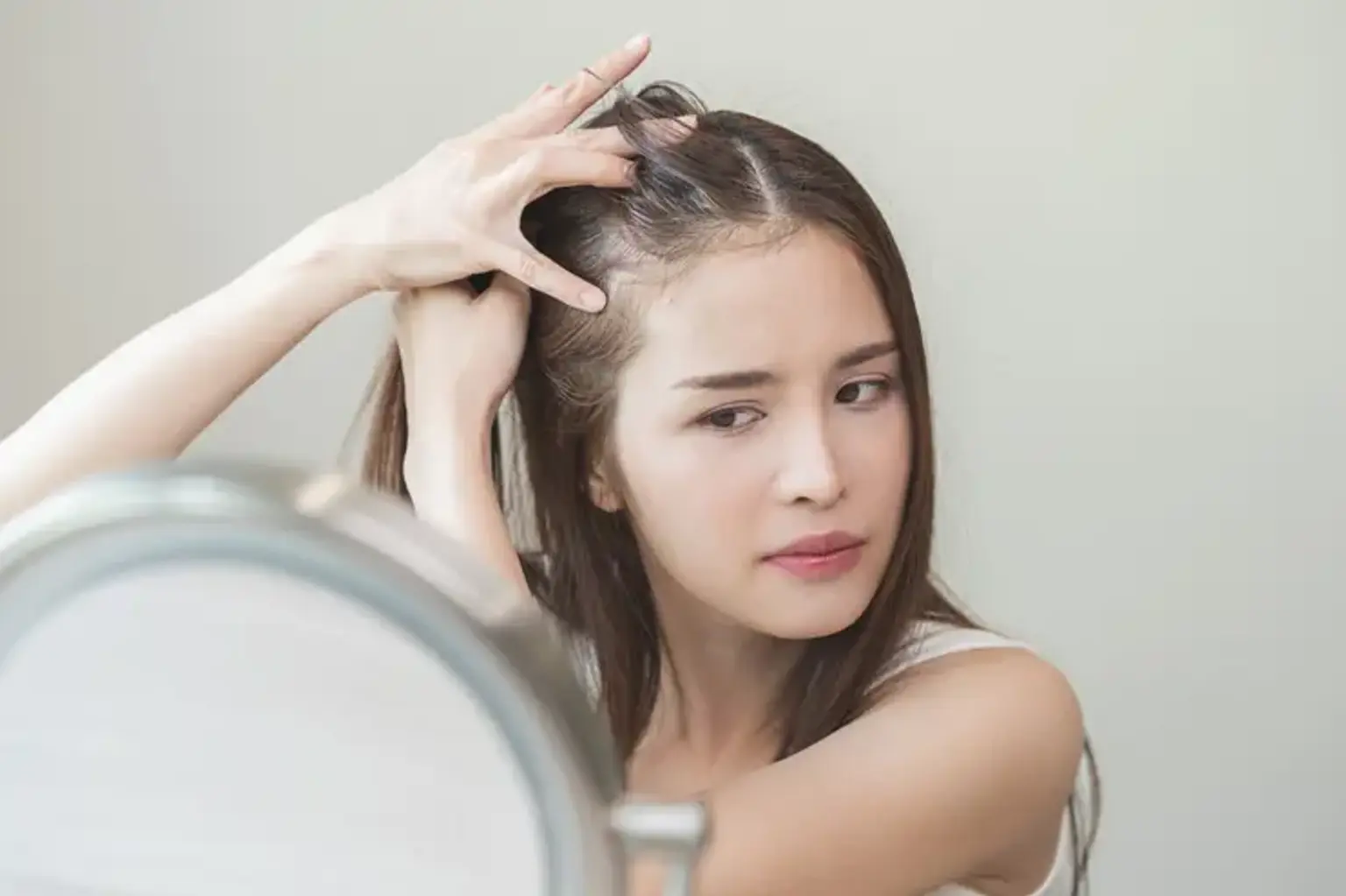
Androgenetic Alopecia: The most common form, it is genetic and usually linked to aging. In men, it typically causes a receding hairline or bald spots; in women, it results in overall thinning of the hair.
Alopecia Areata: An autoimmune disorder that causes round patches of hair loss. It can affect both the scalp and other parts of the body.
Scarring Alopecia: This form leads to permanent hair loss due to scarring of the scalp, often caused by inflammation or other dermatological conditions.
Understanding the type of alopecia you have is crucial for effective treatment.
Causes and Risk Factors of Alopecia
The causes of alopecia can be complex, and several factors can contribute to hair loss.
Genetic Factors: Androgenetic alopecia is inherited, meaning that if your family has a history of hair loss, you’re more likely to develop it.
Autoimmune Response: In alopecia areata, the body’s immune system mistakenly attacks hair follicles, causing hair to fall out in patches.
Hormonal Imbalances: Changes in hormones, such as during pregnancy, menopause, or with thyroid problems, can trigger hair loss.
Stress and Lifestyle Factors: Emotional stress, poor diet, and insufficient sleep can contribute to hair thinning. Prolonged stress has been linked to both hair shedding and the development of alopecia areata.
Medical Conditions and Medications: Conditions like lupus, iron deficiency, or thyroid disease can cause hair loss. Certain medications, like chemotherapy drugs, also lead to temporary hair loss.
By identifying the underlying cause, your doctor can help determine the best course of action for treatment.
Diagnosing Alopecia
Early diagnosis of alopecia can significantly improve treatment outcomes. If you notice sudden or excessive hair shedding, it’s important to consult a healthcare provider.
Medical History and Physical Exam: Your doctor will start by asking about your family history and examining your scalp to determine the pattern of hair loss.
Blood Tests: Blood tests help detect conditions like thyroid issues or iron deficiency that may contribute to hair loss.
Scalp Biopsy: In certain cases, a scalp biopsy is performed to evaluate the condition of your hair follicles and diagnose conditions like alopecia areata or scarring alopecia.
Trichoscopy: This is a non-invasive procedure that involves examining the scalp and hair follicles under a microscope, helping to identify specific patterns of alopecia.
A correct diagnosis is vital for choosing the right treatment option and managing expectations.
Non-Surgical Treatment Options for Alopecia
There are several non-surgical treatments available for alopecia, which can be effective depending on the cause and severity of hair loss.
Minoxidil (Rogaine): This over-the-counter topical treatment helps stimulate hair growth and is most effective for androgenetic alopecia. It can slow hair loss and promote regrowth in some individuals.
Corticosteroid Injections: These injections are commonly used to treat alopecia areata. They help reduce inflammation around the hair follicles and can promote hair regrowth.
Platelet-Rich Plasma (PRP) Therapy: PRP involves drawing a small amount of your blood, processing it to concentrate the platelets, and injecting it into the scalp to stimulate hair follicles. This treatment has shown promise in promoting regrowth in individuals with androgenetic alopecia and alopecia areata.
Topical Treatments: Shampoos, creams, and serums designed to stimulate hair growth can be used in conjunction with other treatments.
Wigs and Hairpieces: While not a medical treatment, wigs can help individuals manage hair loss and boost confidence. They provide an immediate, non-invasive solution to hair loss.
Each treatment has its pros and cons, and it’s important to choose one that best suits your condition and lifestyle.
Surgical Treatment Options for Alopecia
When non-surgical treatments don’t provide the desired results, surgical options may be considered.
Hair Transplants: The most common surgical procedure for hair restoration, hair transplants involve relocating hair follicles from a donor area to the balding area. Two common methods are Follicular Unit Extraction (FUE) and Follicular Unit Transplantation (FUT). Both methods can produce permanent, natural-looking results but may require multiple sessions and a recovery period.
Scalp Micropigmentation (SMP): A non-hair transplant procedure where pigment is applied to the scalp to mimic the appearance of hair follicles. It’s a great option for those who want a fuller look without undergoing surgery.
Surgical treatments can be effective but come with higher costs and longer recovery times than non-surgical options.
Managing Alopecia Areata
Alopecia areata is unique due to its unpredictable nature, where hair may regrow on its own in some cases. Treatment aims to stimulate hair growth and manage flare-ups.
Corticosteroid Injections: These are the primary treatment for alopecia areata, reducing inflammation and encouraging regrowth. Injections are typically administered every 4–6 weeks.
Oral Medications: Immunosuppressants, such as Methotrexate or Oral Steroids, can help control immune system activity.
Topical Treatments: Minoxidil and other immunotherapy treatments can be used to promote hair growth.
Emerging Treatments: Research into biologics and JAK inhibitors (Janus kinase inhibitors) shows promise in treating alopecia areata by targeting the immune response.
Managing alopecia areata requires ongoing monitoring and tailored treatments, as the condition can flare up unpredictably.
Psychological Impact and Support for Alopecia Patients
Hair loss can take a toll on mental health, affecting self-esteem and body image.
Emotional Effects: Individuals with alopecia may experience feelings of shame, embarrassment, and frustration. This is especially true for young people and women, who often face societal pressures regarding appearance.
Support Groups: Online and in-person support groups can provide emotional relief, offering a space to share experiences and coping strategies.
Counseling and Therapy: Talking to a counselor or therapist can help individuals manage the emotional challenges of hair loss.
Wigs and Hairpieces: Many patients find that using wigs or hairpieces helps restore their confidence. Modern wigs look more natural than ever and can be customized to fit one’s preferences.
Support and empathy are crucial in helping individuals regain confidence and cope with the psychological effects of alopecia.
Lifestyle Changes and Preventative Measures
While some causes of alopecia are genetic or autoimmune, lifestyle changes can still play a role in preventing or managing hair loss.
Stress Management: Chronic stress is a significant factor in hair loss, particularly in conditions like alopecia areata. Practicing mindfulness, yoga, and meditation can help reduce stress and support overall health.
Healthy Diet: A well-balanced diet rich in vitamins and minerals (such as biotin, vitamin D, and iron) can improve hair health. A lack of nutrients may contribute to thinning hair, so a healthy diet is essential.
Hair Care Routine: Avoiding excessive heat styling, harsh chemicals, and tight hairstyles can prevent additional damage to hair. Gentle scalp massages may also improve circulation to hair follicles.
Sleep and Hydration: Proper rest and staying hydrated are vital for healthy hair growth. Lack of sleep and dehydration can exacerbate hair thinning.
Incorporating these lifestyle changes can help improve the condition of your hair and potentially reduce the progression of alopecia.
Alopecia and Gender Differences
Alopecia affects men and women differently, both in terms of patterns of hair loss and emotional impact.
Male Pattern Baldness: Typically begins with a receding hairline and progresses to bald spots. It’s most often linked to genetics and hormone levels (particularly dihydrotestosterone or DHT).
Female Pattern Baldness: Women usually experience overall thinning rather than bald spots. It tends to happen later in life, often around menopause, due to hormonal shifts.
Emotional Impact: For men, hair loss may be more socially accepted, while women often feel a greater societal pressure to maintain a full head of hair. This leads to more significant emotional distress for women.
Treatment Options: Men may respond better to treatments like minoxidil or hair transplants. Women, on the other hand, may benefit from treatments targeting hormonal imbalances and less invasive methods like oral contraceptives or topical spironolactone.
Understanding these gender-specific differences is key in determining the best treatment path.
Alopecia in Children and Adolescents
Alopecia can occur in children, often leading to anxiety and frustration due to their age and vulnerability to bullying.
Alopecia Areata in Children: The most common form of alopecia in kids is alopecia areata, which typically presents as small, round patches of hair loss. While hair may regrow on its own, it can also cause recurring episodes of hair loss.
Early Intervention: The earlier alopecia is diagnosed, the better the chances of managing it. Treatment may include corticosteroid injections, topical treatments like minoxidil, or oral medications in severe cases.
Emotional Support: Children may struggle with their self-image, and it’s important to provide emotional support. Talking openly, using wigs, or incorporating fun hair accessories can help them feel more confident.
Support Groups: Pediatric support groups or counseling can provide a space for both children and their families to navigate the emotional challenges of hair loss.
Children with alopecia can lead happy, fulfilling lives, but they may need additional emotional and social support.
Hormonal Imbalance and Hair Loss
Hormonal changes are a significant cause of hair loss in both men and women, especially during certain life stages.
In Women: Hair loss often occurs during pregnancy, postpartum, and menopause due to fluctuations in estrogen and progesterone levels. Conditions like polycystic ovary syndrome (PCOS) can also lead to thinning hair.
In Men: Testosterone and its byproduct DHT can contribute to male pattern baldness. As men age, they often experience a gradual thinning of the hairline and crown.
Thyroid Disorders: Hypothyroidism and hyperthyroidism can lead to noticeable hair thinning. The thyroid gland plays a crucial role in regulating metabolism and hair health.
Treatments for Hormonal Hair Loss: Managing hormonal hair loss typically involves medications like birth control pills for women or finasteride for men, which block the effects of DHT. Thyroid treatments and managing conditions like PCOS can also help.
By addressing the hormonal imbalance, many people can significantly reduce or even reverse hair loss.
Managing Chemotherapy-Induced Alopecia
Hair loss due to chemotherapy is common, but it is usually temporary and can be managed with several strategies.
How Chemotherapy Affects Hair: Chemotherapy drugs target rapidly growing cancer cells but can also affect hair follicles, leading to hair thinning or total hair loss. Typically, hair begins to fall out 2–3 weeks after treatment begins.
Cold Caps: Cold therapy (cold caps) can be used during chemotherapy to reduce hair loss by constricting blood vessels in the scalp and minimizing the drug’s effect on hair follicles.
Wigs and Scalp Care: Many patients opt for wigs or scarves to cover their hair loss. Proper scalp care is also essential during this time to prevent irritation and dryness.
Emotional Impact: Chemotherapy-induced hair loss can be emotionally distressing. Support from loved ones, along with counseling or support groups, can help patients cope with the psychological challenges.
While chemotherapy-induced alopecia is temporary, it’s important to take proactive steps to manage the emotional and physical effects of hair loss during cancer treatment.
The Role of Genetics in Alopecia
Genetic factors are one of the primary contributors to hair loss, particularly in androgenetic alopecia (male and female pattern baldness).
Inheritance Patterns: If one or both parents have experienced hair loss, there's a higher chance you may develop it as well. In men, the condition is often inherited from their mother's side, although it can come from either parent.
Gene Variants: Researchers have identified several genetic markers linked to alopecia, especially the AR gene, which regulates androgen receptors. Mutations in these genes can influence the severity and timing of hair loss.
Impact on Treatment: Genetic tests are currently being studied to help tailor treatment options more effectively. Understanding the genetic predisposition can help doctors predict how a person may respond to certain medications or treatments.
Genetic hair loss is irreversible, but treatments can help manage the condition and slow down progression.
Lifestyle Factors and Their Influence on Hair Health
Your daily habits, nutrition, and environment can play a role in either preventing or accelerating hair loss.
Diet and Nutrition: Deficiencies in iron, vitamin D, biotin, and zinc have been linked to hair thinning. A well-balanced diet rich in these nutrients can help maintain healthy hair.
Hair Care Practices: Excessive use of heat styling tools, tight hairstyles, and harsh chemical treatments can damage hair follicles over time. Opting for gentle hair care routines can prevent additional damage.
Environmental Factors: Pollution, UV exposure, and exposure to toxins can damage hair over time. Using sun protection for your hair or covering it with a hat can help minimize this damage.
Exercise and Blood Circulation: Regular physical activity promotes blood circulation to the scalp, improving hair follicle health. A healthy scalp is crucial for promoting hair growth.
Making small lifestyle changes can significantly improve hair health and possibly slow down the progression of alopecia.
Emerging Treatments and Research for Alopecia
The field of alopecia treatment is continually evolving, with new research and innovative therapies emerging.
JAK Inhibitors: Janus kinase inhibitors are a promising treatment for alopecia areata, showing positive results in clinical trials. These drugs work by blocking the immune system’s attack on hair follicles.
Stem Cell Therapy: Stem cells are being explored as a way to regenerate hair follicles and potentially reverse hair loss. Though still in experimental stages, this therapy holds significant promise.
Hair Follicle Regeneration: Research into regenerating damaged hair follicles is ongoing, with scientists aiming to create therapies that could lead to permanent hair regrowth.
Gene Therapy: Gene-editing technologies like CRISPR could potentially correct genetic mutations that cause conditions like androgenetic alopecia, offering long-term solutions.
While these treatments are still in development, the future of alopecia management looks promising, with more options becoming available over time.
Alopecia and Global Treatment Accessibility
The accessibility of alopecia treatments varies significantly across regions, impacting patients' ability to manage their condition effectively.
Availability of Medications: While medications like minoxidil and finasteride are widely available in many countries, they may be expensive or inaccessible in low-income areas. In some regions, generic versions of these drugs may be more affordable.
Hair Restoration Services: Surgical treatments such as hair transplants are often costly and may not be available in all regions. Advanced treatments like PRP therapy and stem cell therapy are even more restricted.
Telemedicine and Global Access: With the rise of telemedicine, consultations with specialists in hair restoration are becoming more accessible, even in remote areas. This allows patients to receive expert advice and prescriptions without leaving their homes.
Cultural Differences: In some cultures, hair loss is seen as a natural part of aging, while in others, there may be more pressure to seek treatment. Social attitudes toward alopecia can influence whether patients pursue treatment.
Efforts are underway to make alopecia treatments more accessible and affordable worldwide, improving the quality of life for patients everywhere.
Alopecia and the Role of the Immune System
Alopecia areata is an autoimmune disorder, which means that the immune system mistakenly targets the hair follicles, leading to hair loss.
Autoimmune Reaction: In alopecia areata, immune cells attack hair follicles, causing inflammation and disrupting the hair growth cycle. The exact cause of this immune response remains unclear, but genetics and environmental factors are believed to play a role.
Other Autoimmune Conditions: People with alopecia areata are more likely to have other autoimmune disorders, such as thyroid disease, vitiligo, or rheumatoid arthritis.
Treatment Targeting the Immune System: Corticosteroids, immunotherapy, and JAK inhibitors work by modulating the immune system's activity to reduce hair loss and promote regrowth.
Understanding the autoimmune nature of alopecia is essential for developing effective treatments and managing the condition.
The Economic Impact of Alopecia
Alopecia can have significant financial and emotional consequences for individuals, as well as broader economic implications.
Treatment Costs: Treatments like hair transplants, medications, and ongoing therapies can be expensive. While some insurance plans cover hair restoration treatments for medical reasons, many people must pay out of pocket for cosmetic procedures.
Emotional and Psychological Costs: The emotional toll of hair loss can lead to reduced quality of life, affecting personal relationships, self-esteem, and productivity. This can also impact mental health, leading to anxiety, depression, or social withdrawal.
Workplace Impact: Some individuals with alopecia may experience workplace discrimination or stigma due to their appearance, which can affect career progression and earnings.
Financial Assistance and Support: Some organizations provide financial aid, support groups, and counseling to help individuals cope with the economic and emotional challenges of alopecia.
Addressing both the emotional and financial burden of alopecia is vital for supporting those living with the condition.
The Role of Diet and Supplements in Alopecia Management
Diet and nutritional supplements can play an important role in managing and preventing hair loss.
Vitamins and Minerals: Nutrients like biotin, vitamin D, zinc, and iron are essential for hair health. Deficiencies in these nutrients can contribute to hair thinning and loss.
Anti-Inflammatory Foods: Foods rich in antioxidants, omega-3 fatty acids, and anti-inflammatory properties (like fatty fish, berries, and leafy greens) can help promote a healthy scalp and reduce inflammation.
Supplements for Hair Growth: Certain supplements, such as biotin, saw palmetto, and collagen, are marketed for hair growth. Though scientific evidence is still limited, some individuals report improvement in hair health when adding these supplements to their routine.
Hydration: Staying hydrated is crucial for maintaining healthy hair, as dehydration can lead to brittle hair and scalp issues.
While diet alone may not cure alopecia, maintaining proper nutrition is an important part of a holistic approach to managing hair health.
Conclusion
Alopecia is a multifaceted condition that affects millions of people worldwide, with causes ranging from genetic predisposition to autoimmune responses and lifestyle factors. While the impact on self-esteem, appearance, and mental health can be profound, advancements in treatment options provide hope for those experiencing hair loss.
From understanding the different types of alopecia—such as androgenetic alopecia, alopecia areata, and chemotherapy-induced alopecia—to exploring emerging treatments like JAK inhibitors, stem cell therapy, and gene therapy, the future of alopecia management looks promising. Though challenges remain, including accessibility of treatments and addressing the psychological toll of hair loss, many people have found ways to regain their confidence and improve their quality of life.
By debunking myths and providing a clear, evidence-based understanding of the condition, individuals with alopecia can make informed choices about treatment. Empowering patients with knowledge, emotional support, and practical solutions is key to improving their overall well-being.