Introduction
An aquiline nose is often described as having a prominent bridge that resembles a "hook," making it a distinguishing feature on the face. While some people embrace the natural shape of this nose, others may feel it disrupts facial balance or affects their confidence. This is where aquiline nose reshaping, commonly done through rhinoplasty, comes into play. Rhinoplasty allows for both cosmetic improvements and functional corrections, such as enhancing nasal airflow. Whether for aesthetic purposes or to address medical concerns, aquiline nose reshaping is an increasingly popular option for individuals looking to enhance their facial harmony.
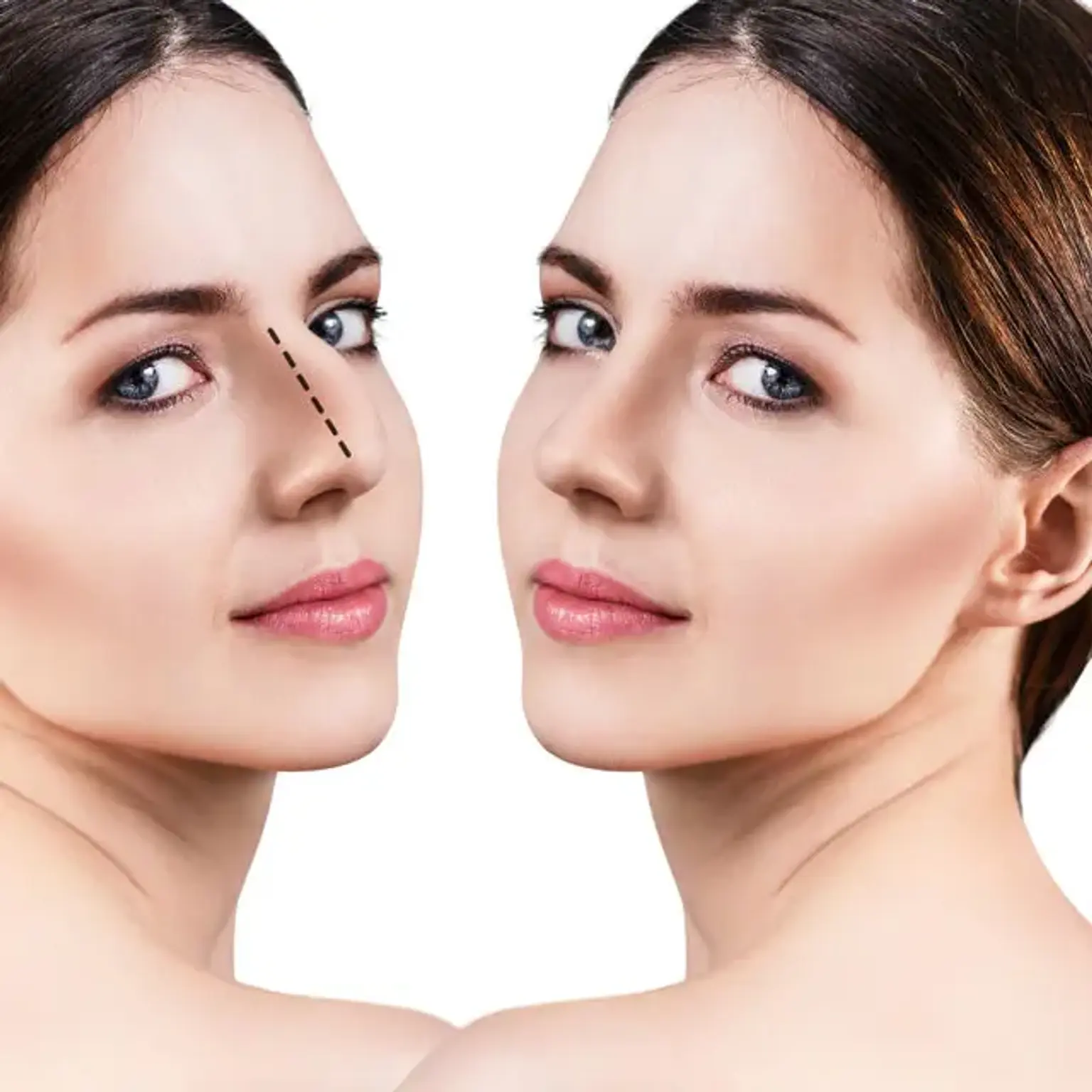
This procedure isn't just about improving appearance; it can also improve quality of life. Some patients seek reshaping to correct breathing issues related to the structure of their nose. However, the most common reason for seeking rhinoplasty remains aesthetic: patients desire a more balanced facial profile.
What is an Aquiline Nose?
An aquiline nose is characterized by a curved, prominent bridge, often compared to the shape of an eagle’s beak, which is where the term "aquiline" comes from. The defining feature of this nose type is its pronounced curve, giving it a more angular, distinct look. Many cultures around the world have come to associate the aquiline nose with strength, nobility, or high status.
People with an aquiline nose may have a profile that looks sharper, with the nose being the most prominent feature of their face. For some, this aesthetic can lead to feelings of self-consciousness, especially if the nose stands out too much compared to other features. Historically, the aquiline nose has been celebrated for its elegance, often seen in famous figures from ancient civilizations to modern-day celebrities like Adrien Brody and Tom Cruise.
The aquiline nose shape is more common in certain ethnic groups, including people of European descent, particularly those of Italian, French, and Spanish backgrounds. While this nose shape is sometimes associated with ethnicity, it’s important to note that it can be found in individuals of various backgrounds worldwide.
Why Choose Aquiline Nose Reshaping?
People opt for aquiline nose reshaping for various reasons. Primarily, patients seek this procedure to improve their facial harmony, which refers to how well the nose blends with other facial features. An aquiline nose, while beautiful to some, can be too pronounced for others, affecting their overall appearance. By undergoing rhinoplasty, individuals can reduce the prominence of the nasal bridge, resulting in a smoother, more balanced profile.
Additionally, many patients pursue nose reshaping for self-esteem and confidence. For individuals who have long felt that their nose disrupts their facial proportions, reshaping offers a path to feeling more comfortable and secure in their appearance.
Moreover, reshaping the aquiline nose can also provide functional benefits. In some cases, the shape of the nose causes difficulty breathing or snoring due to structural issues. By adjusting the nasal passage, rhinoplasty can improve airflow and alleviate these concerns, making it both an aesthetic and medical procedure.
Types of Aquiline Nose Shapes
Aquiline noses come in various forms, and understanding these types is key to determining the best approach for reshaping. The most common type is the Roman nose, which has a high, curved bridge that gives the nose a strong and distinct appearance. Some aquiline noses also feature a hooked tip, where the end of the nose dips downward. Another common variation is the straight aquiline nose, which may have a prominent bridge without much curve but still appears prominent due to the nose’s length or the way it projects from the face.
Each variation requires a tailored approach to achieve the desired outcome. For example, if the nose has a drooping tip, the surgeon may need to lift or reshape the cartilage to provide a more balanced look. On the other hand, if the issue is primarily with the bridge, reducing the prominence through a dorsal hump reduction may be necessary.
The surgeon's ability to assess the exact nature of the aquiline nose shape is crucial to achieving results that look natural and enhance the overall profile. Tailoring the procedure to an individual's specific nose shape ensures that the final result complements the patient’s face, offering both cosmetic benefits and maintaining functionality.
Types of Aquiline Nose Reshaping Procedures
Aquiline nose reshaping can be performed using both surgical and non-surgical methods, depending on the patient’s needs and the severity of the nasal hump or curve.
Surgical Methods:
Traditional rhinoplasty is the most common approach, involving cutting and reshaping the bone and cartilage to correct the nasal hump. This provides long-lasting, permanent results but requires anesthesia and recovery time.Non-Surgical Methods:
For less pronounced humps or curves, non-surgical rhinoplasty, often using dermal fillers or thread lifts, can subtly alter the nose's appearance. These methods are less invasive, require no incisions, and involve minimal downtime, but results are temporary, typically lasting 6 to 12 months.
Each method has its own benefits, and the choice depends on your goals and the complexity of your nose’s structure.
What to Expect During an Aquiline Nose Reshaping Consultation
Your consultation is the first step to achieving your desired nose shape. During this visit, the surgeon will evaluate the size and shape of your nose, as well as your facial features, to ensure balanced results. Expect to:
Discuss Your Goals: You’ll share why you’re considering the procedure and what you hope to achieve.
Medical Evaluation: The surgeon will review your medical history and perform a physical exam to check for any underlying conditions that might affect the surgery.
Visualizing the Result: Some surgeons use 3D imaging or computer simulations to give you an idea of what your nose could look like after reshaping.
Pre-Surgery Instructions: You’ll be given detailed guidelines on how to prepare for the procedure, including any medications to avoid.
This is also the time to ask about the risks, recovery, and whether you’re a good candidate for the surgery.
The Aquiline Nose Reshaping Procedure: Step-by-Step
Aquiline nose reshaping typically takes about 1.5 to 2 hours, depending on the method chosen. Here's what happens during the procedure:
Anesthesia: For surgical rhinoplasty, general anesthesia is usually administered, ensuring you’re completely asleep. For non-surgical methods, local anesthesia or numbing agents are applied to the treatment area.
Surgical Process: If you opt for traditional rhinoplasty, the surgeon will make small incisions inside your nostrils or across the base of your nose (closed or open rhinoplasty). They will remove or reshape the bone and cartilage to eliminate the nasal hump.
Non-Surgical Process: In non-surgical rhinoplasty, the surgeon injects fillers strategically into certain areas to smooth out the bump, creating a more even profile.
Afterward, the nose will be supported with a splint or dressing, and you may need to rest in the recovery area for a while before heading home.
Recovery After Aquiline Nose Reshaping
Recovery time varies depending on the type of procedure:
For Surgical Rhinoplasty:
Expect swelling and bruising around the nose and eyes, which can last up to two weeks. You may need to wear a splint for about a week, and follow-up visits are scheduled to monitor healing. Full recovery can take up to a year for the final shape to fully settle.For Non-Surgical Rhinoplasty:
There is little to no downtime. Swelling and minor bruising may occur, but these typically resolve within a few days. Results are immediately visible, though they are temporary.
During recovery, follow your surgeon's instructions carefully to avoid complications. Resting and keeping your head elevated will help reduce swelling. Avoid any strenuous activities for a few weeks, especially after surgery.
Risks and Complications of Aquiline Nose Reshaping
As with any surgical procedure, aquiline nose reshaping carries certain risks. While complications are rare, it’s important to understand them before deciding on surgery.
Common Risks:
Infection: As with any surgery, there’s a small risk of infection, especially around the incision sites. Following post-operative care instructions minimizes this risk.
Bleeding: Some bleeding is normal immediately after surgery, but prolonged bleeding should be reported to your surgeon.
Scarring: Although the incisions are often hidden inside the nostrils, there may still be scarring, particularly with open rhinoplasty.
Numbness: Some temporary numbness around the nose or upper lip can occur but usually resolves over time.
Unsatisfactory results: In rare cases, the desired aesthetic result may not be achieved, requiring revision surgery.
Non-Surgical Risks:
For non-surgical rhinoplasty, risks are minimal but may include bruising, swelling, or allergic reactions to the fillers. Because results are temporary, some people find they need touch-ups.
Choosing a skilled and experienced surgeon significantly lowers the likelihood of complications. Always ensure that you fully understand the risks before proceeding.
Aquiline Nose Reshaping Cost: What to Expect
The cost of aquiline nose reshaping can vary widely based on the procedure type, surgeon expertise, and location.
Surgical Rhinoplasty Costs:
On average, rhinoplasty can cost between $5,000 and $15,000 in the United States. This includes pre-surgical consultations, anesthesia, and post-operative care. Internationally, prices can vary—countries like Mexico, Turkey, and Thailand offer more affordable options, but travel and accommodation costs must be considered.Non-Surgical Rhinoplasty Costs:
Non-surgical nose reshaping is generally more affordable, ranging from $600 to $2,000 depending on the number of injections needed. The downside is that non-surgical results are temporary, and touch-ups may be required every 6 to 12 months.Insurance Considerations:
Most health insurance plans do not cover cosmetic procedures unless there is a medical necessity, such as a breathing issue related to the nose. Financing options are available through clinics, so it’s worth exploring those if cost is a concern.
Aquiline Nose Reshaping vs. Non-Surgical Options
Choosing between surgical and non-surgical nose reshaping depends on your goals, expectations, and tolerance for downtime.
Surgical Rhinoplasty:
Pros: Permanent results, more dramatic changes, and ability to address structural issues like a large nasal hump or a crooked nose.
Cons: Requires recovery time, can be more expensive, and comes with surgical risks.
Non-Surgical Rhinoplasty:
Pros: Quick procedure (usually under 30 minutes), minimal downtime, no anesthesia required, and the ability to see immediate results.
Cons: Results are temporary (6-12 months), and it can only address minor cosmetic concerns like smoothing out small bumps or adjusting the shape.
If you're looking for a temporary change or want to see what a reshaped nose would look like before committing to surgery, non-surgical options may be a good choice. However, for permanent changes or more complex reshaping, surgery remains the best option.
Benefits of Aquiline Nose Reshaping
Aquiline nose reshaping offers numerous benefits, both aesthetic and emotional.
Aesthetic Benefits:
The primary advantage of aquiline nose reshaping is the improvement in facial balance. By eliminating the nasal hump or correcting the curve, your face may appear more harmonious. This subtle change can lead to a significantly more attractive profile.Psychological Benefits:
Many patients report increased self-confidence after the procedure. By addressing a feature they have always disliked, individuals often feel more comfortable in social situations and experience an overall boost in self-esteem.Long-Term Benefits:
The results of surgical rhinoplasty are permanent, meaning patients can enjoy their enhanced appearance without the need for regular touch-ups. Non-surgical procedures, while temporary, provide a low-risk option to test out changes.
The combination of these aesthetic and psychological benefits makes aquiline nose reshaping an appealing choice for many people looking to refine their appearance and improve their quality of life.
Before and After: Real Patient Stories and Photos
Before and after photos offer the best insight into the potential outcomes of aquiline nose reshaping. Many patients are amazed at the transformation:
Real-Life Results:
Patients often see a dramatic improvement in facial balance, with the removal of a nasal hump or reduction of a curved nose. In some cases, a smoother, straighter nose enhances the entire facial profile, leading to increased confidence and satisfaction.Patient Testimonials:
Many people report feeling more comfortable and self-assured post-procedure. For some, this simple change is life-changing, allowing them to feel more confident in social and professional situations.
These photos and testimonials can serve as inspiration for those considering the procedure, but it’s important to note that results vary based on individual features.
Global Popularity of Aquiline Nose Reshaping
Aquiline nose reshaping has grown in popularity worldwide, thanks to its ability to address both cosmetic and functional concerns.
Rising Demand:
Countries like the United States, Brazil, and South Korea are at the forefront, where rhinoplasty is among the most sought-after cosmetic procedures. In countries such as Turkey and Mexico, people can access affordable, high-quality treatments, attracting medical tourists.Cultural Influence:
Cultural standards of beauty often influence demand. In some regions, a more refined, straight nose is considered an ideal, leading many to seek reshaping to align with these beauty norms.International Trends:
As technology improves, so does the availability of advanced rhinoplasty techniques. This has made the procedure safer, more accessible, and effective in many countries, boosting its global appeal.
How to Choose a Qualified Surgeon for Aquiline Nose Reshaping
Choosing the right surgeon is essential to ensure the best results and minimize risks. Here's what to look for:
Credentials:
Make sure the surgeon is board-certified in plastic or facial surgery and has extensive experience with rhinoplasty. Ask to see before-and-after photos of previous patients who had similar concerns.Consultation:
A good surgeon will take time to discuss your goals, provide realistic expectations, and explain the procedure in detail. This meeting should also involve a physical examination to ensure you're a suitable candidate.Reputation and Reviews:
Read reviews and testimonials from past patients. Positive feedback and a solid reputation can help you feel more confident in your decision.Follow-up Care:
Ensure the surgeon offers clear post-operative care instructions and follows up with you after surgery to monitor healing.
Maintaining Your New Nose: Post-Operative Care
After the procedure, proper care is crucial to ensure the best results and avoid complications:
For Surgical Patients:
Rest and keep your head elevated for the first few days to reduce swelling. Avoid blowing your nose, strenuous activities, and direct sun exposure for several weeks. Attend all follow-up appointments for the surgeon to monitor healing.For Non-Surgical Patients:
There’s minimal recovery time, but it’s still important to avoid pressure on the nose and refrain from rubbing or touching the treated area. Follow-up appointments may be necessary for touch-ups or to monitor results.
Long-term care is key to preserving the new shape of your nose, particularly after surgical procedures, where the final results can take up to a year to fully settle.
Aquiline Nose Reshaping for Different Age Groups
Aquiline nose reshaping can be suitable for various age groups, but timing and expectations differ.
Younger Patients (18-30 years):
Many individuals in their late teens or early twenties opt for rhinoplasty once their facial features are fully developed. At this age, the procedure often addresses cosmetic concerns like a nasal hump or an asymmetrical nose. The benefits are typically long-lasting, as the nose is fully matured.Middle-Aged Patients (30-50 years):
For individuals in their thirties and beyond, rhinoplasty can correct both aesthetic and functional issues, such as breathing difficulties or age-related changes. The healing process may take a bit longer for older patients, but results can still be highly satisfying.Older Patients (50+ years):
Older adults often undergo rhinoplasty to rejuvenate their appearance and correct any functional issues, like a crooked nose or weakened nasal structure. However, the risks may be slightly higher due to age-related factors, so a thorough consultation is essential.
Is Aquiline Nose Reshaping Right for You?
Before opting for aquiline nose reshaping, it's crucial to consider whether the procedure is right for you:
Good Candidates:
Ideal candidates are individuals who are in good overall health, have realistic expectations, and have a well-defined goal for reshaping their nose. If you're bothered by the appearance of a prominent nasal hump or curve, this procedure could be a great solution.Consultation is Key:
During your consultation, the surgeon will assess the structural and functional health of your nose, discuss your aesthetic goals, and guide you toward the best option. It’s important to understand the risks and the recovery process beforehand.Alternative Options:
If you're unsure about surgery, consider non-surgical rhinoplasty as a temporary solution. It can help you gauge whether the reshaped look suits you before committing to permanent changes.
Aquiline Nose Reshaping for Ethnic and Cultural Sensitivities
Aquiline nose reshaping is a versatile procedure that can cater to different cultural aesthetics and individual ethnic features.
Ethnic Considerations:
In some cultures, the shape and size of the nose are important to personal identity. Rhinoplasty can be customized to respect these features while enhancing the balance of the nose in proportion to other facial features. Some patients desire a more refined or balanced look without completely altering their ethnic characteristics.Cultural Sensitivity:
A skilled surgeon will take cultural preferences and sensitivities into account, ensuring the outcome aligns with both aesthetic goals and personal identity. This approach helps maintain a natural look while meeting patients' desires.
Conclusion
Aquiline nose reshaping offers a powerful solution for individuals looking to refine the shape of their nose, whether for cosmetic, functional, or emotional reasons. Whether you choose a surgical or non-surgical option, the procedure can significantly improve facial harmony and boost self-confidence.
For those seeking permanent, dramatic changes, traditional rhinoplasty provides lasting results, though it requires careful recovery. On the other hand, non-surgical options are great for those who prefer minimal downtime and temporary adjustments, giving them the opportunity to test the waters before committing to more invasive surgery.
Regardless of the method, success largely depends on selecting a qualified and experienced surgeon, setting realistic expectations, and following post-procedure care instructions.
Ultimately, aquiline nose reshaping not only enhances the aesthetic appeal of your profile but also contributes to your overall well-being by helping you feel more comfortable and confident in your own skin. With advancements in surgical techniques and non-invasive treatments, this procedure continues to evolve, offering more personalized and effective solutions than ever before.
If you're considering this procedure, take the time to research, consult with specialists, and weigh your options to ensure the best outcome for your unique facial structure and aesthetic goals.