Introduction
Arm lift surgery, also known as brachioplasty, is a popular cosmetic procedure designed to improve the appearance of the upper arms by removing excess skin and fat. Over time, the skin on the arms may lose elasticity due to aging, significant weight loss, or other factors, leaving behind loose, sagging skin. This can be frustrating for those who desire more toned and youthful-looking arms.
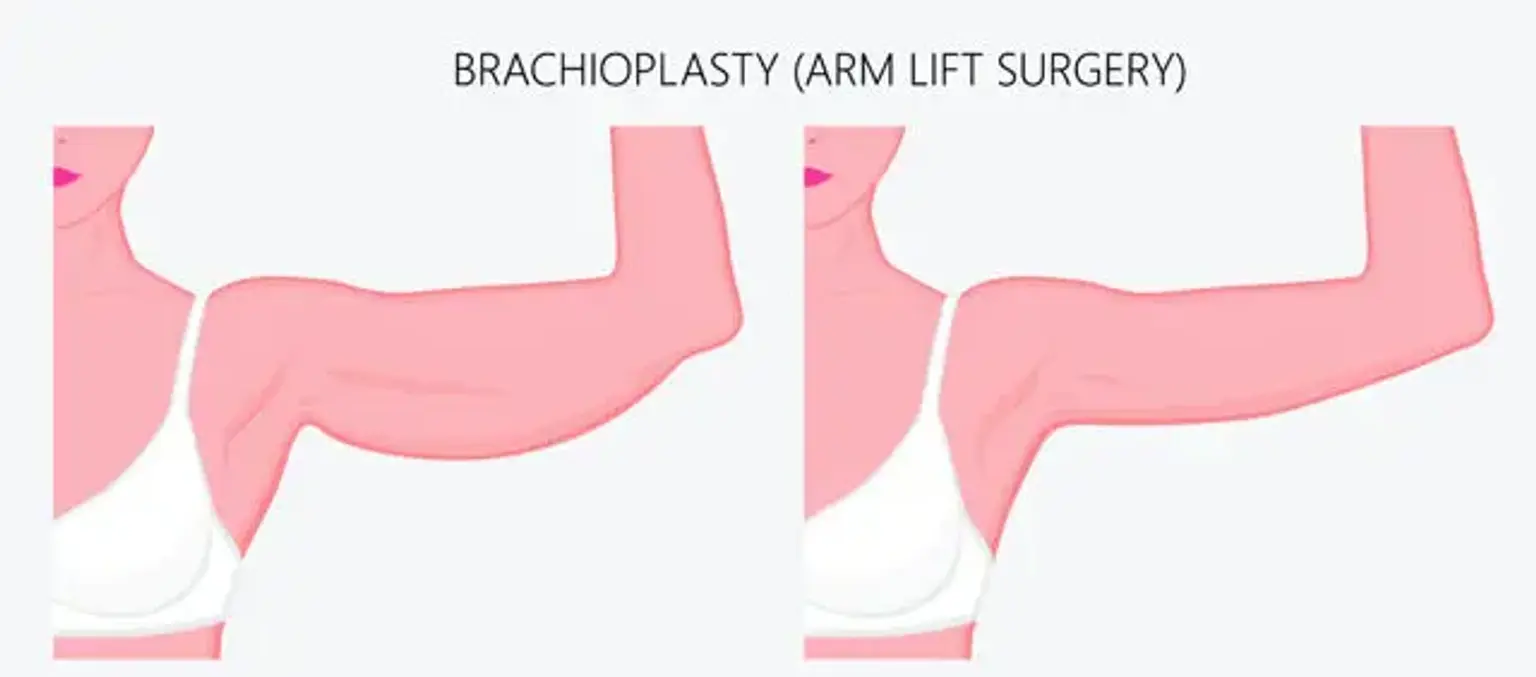
Arm lift surgery addresses these concerns by contouring the upper arm area and tightening the skin, creating a smoother and more defined silhouette. This procedure has gained popularity in recent years, especially among individuals who have undergone significant weight loss or are simply looking to rejuvenate the appearance of their arms.
In this article, we will walk you through the details of arm lift surgery, including the procedure itself, its benefits, risks, and what you can expect before, during, and after surgery.
What is Arm Lift Surgery?
Brachioplasty, or arm lift surgery, is a cosmetic surgery aimed at removing excess skin and fat from the upper arms. The goal is to improve the arm’s shape and tone by tightening the skin, which helps to reduce the appearance of sagging. Whether caused by weight fluctuations, aging, or genetics, many people struggle with loose skin around their arms, and this procedure provides a solution.
There are different types of arm lift surgeries, with the traditional arm lift being the most common. During a traditional brachioplasty, an incision is made along the inside or back of the upper arm, from the elbow to the underarm. The surgeon then removes excess skin and fatty tissue, tightening the remaining skin to create a smoother, more sculpted appearance.
In some cases, a mini arm lift may be performed. This procedure involves a smaller incision and is often used for patients with less excess skin, resulting in a more minimal scarring experience.
The benefit of arm lift surgery is that it not only removes the loose skin but can also contour the arm by excising fat, if necessary, or using liposuction. The outcome is more defined arms that complement the rest of the body, improving overall proportions and self-confidence.
Why Choose Arm Lift Surgery?
There are several reasons people opt for arm lift surgery, with some of the most common being:
Post-Weight Loss: One of the main reasons people seek brachioplasty is after significant weight loss, often following bariatric surgery. When large amounts of weight are lost, the skin often fails to shrink back to its previous tightness, leaving excess, sagging skin that can be both uncomfortable and unsightly.
Aging: As we age, skin naturally loses its elasticity. This is especially noticeable in areas like the arms, where gravity and the natural aging process cause the skin to droop and sag. Arm lift surgery can help rejuvenate the arms and restore a more youthful appearance.
Cosmetic Desire for Firmer Arms: Some individuals simply want to improve the contour of their arms, whether to look better in sleeveless clothing or for general self-esteem. The arms are a highly visible part of the body, and when they’re well-shaped, they can enhance an individual's overall appearance.
Ultimately, arm lift surgery can dramatically improve body image and confidence. By removing excess skin, people often feel more comfortable in their clothes, and the ability to wear sleeveless or form-fitting outfits without concern is a significant motivation for many.
Understanding the Procedure: Step-by-Step
The process of arm lift surgery involves several well-planned steps. Here's a breakdown of what you can expect from start to finish:
Initial Consultation and Pre-Surgical Assessment
Your journey begins with a consultation with a board-certified plastic surgeon who specializes in brachioplasty. During this consultation, the surgeon will assess your overall health, discuss your goals, and evaluate your arm’s appearance. This may include a review of your skin elasticity, fat distribution, and any existing health conditions that might affect surgery.
The surgeon will take photographs and may mark your arms to help plan the surgery. They will also discuss any pre-surgery instructions, such as avoiding smoking and certain medications that could interfere with healing.
Anesthesia and Surgery
On the day of surgery, you’ll be given anesthesia. In most cases, general anesthesia is used to ensure that you’re comfortable and pain-free throughout the procedure, though some patients may opt for local anesthesia with sedation.
Once you’re under anesthesia, the surgeon will make an incision along the inside or back of the upper arm, depending on the amount of excess skin. In a traditional arm lift, the incision runs from the underarm to the elbow. For those undergoing a mini arm lift, the incision may be much shorter, often confined to the underarm area.
Excess skin is carefully removed, and if necessary, liposuction is performed to remove stubborn fat deposits. The remaining skin is then tightened and reattached to create a smooth and toned look. Sutures are used to close the incisions, and they are usually dissolvable, so they do not require removal.
Duration of the Procedure
The surgery generally takes about 2–3 hours, depending on the complexity of the case and whether additional procedures (like liposuction) are performed. After the surgery, patients are typically monitored in a recovery room before being discharged the same day or after a short stay in the hospital, depending on the extent of the surgery.
Risks and Complications of Arm Lift Surgery
Like any surgery, arm lift surgery comes with potential risks, although serious complications are rare when performed by a qualified surgeon.
Common Risks: Infection, bleeding, scarring, and skin numbness.
Seroma (fluid buildup) and blood clots are also possible but can be managed with proper care.
Scarring: The length and visibility of scars depend on the type of procedure. While incisions are usually hidden along the inside of the arm, some scarring is inevitable. Most scars fade over time and can be minimized with proper aftercare.
Minimizing Risks: Following post-surgical instructions and attending follow-up appointments reduces the likelihood of complications. Choosing a skilled surgeon also plays a critical role in minimizing risks.
Benefits of Brachioplasty
Arm lift surgery offers several benefits:
Improved Appearance: Loose, sagging skin is removed, revealing more toned, contoured arms.
Boosted Confidence: Many patients feel more confident wearing sleeveless clothes and engage more in physical activities.
Long-Term Results: Once healed, the results of an arm lift are generally permanent, though weight fluctuations or aging may affect the skin over time.
Overall, brachioplasty not only enhances the appearance of the arms but can significantly improve self-esteem and quality of life.
Preparing for Arm Lift Surgery
Proper preparation is key to ensuring a smooth surgery and recovery:
Consultation: The surgeon will assess your health, discuss your goals, and outline the surgery details.
Pre-Surgery Guidelines: You may need to stop certain medications, avoid smoking, and follow dietary recommendations.
Arrange for Post-Surgery Care: Have someone available to help you at home for the first few days after surgery.
Mental Preparation: Understand the recovery timeline and set realistic expectations for your post-surgery appearance and healing process.
Proper preparation ensures that you are ready for the surgery and recovery process, which can lead to better results.
Post-Surgical Care: What to Expect
After the surgery, the recovery process is crucial for the best outcomes:
Immediate Aftercare: You’ll need to wear compression garments to reduce swelling and support healing.
Discomfort: Expect some pain, swelling, and bruising in the first few days, which can be managed with prescribed pain medication.
Activity Restrictions: Avoid heavy lifting and strenuous activities for several weeks. Most patients can resume light activities after 2-3 weeks, but full physical activities should wait until cleared by the surgeon.
Wound Care: Follow the surgeon’s instructions on cleaning and caring for the surgical site. This helps prevent infection and encourages healing.
By following these aftercare guidelines, you can ensure a smooth recovery and optimal results from your arm lift surgery.
Recovery Timeline: From Surgery to Full Healing
The recovery process after arm lift surgery varies from patient to patient, but here's a general timeline:
Week 1: The first week is the most intense. You’ll experience swelling, bruising, and discomfort, which can be managed with medication. Most patients take 1-2 weeks off work to rest and recover. Keeping your arms elevated can help reduce swelling.
Weeks 2–4: Swelling will gradually decrease, and you may start to feel more comfortable. You can usually return to light activities, but avoid heavy lifting or strenuous exercise. Your surgeon will likely remove stitches and check on your healing progress during this time.
Month 1–3: Full recovery can take several months, with the final results becoming clearer around 3 months. While the incision areas will begin to heal, it may take up to a year for scars to fully fade.
Patience is key during recovery. Following your surgeon’s guidelines is crucial to achieving the best results.
Scarring and How to Manage It
Scarring is an inevitable part of arm lift surgery, but there are ways to minimize its appearance:
Incision Placement: In most cases, incisions are placed along the inside or back of the arm, which helps conceal scars. Depending on the amount of skin removed, scars can extend from the elbow to the underarm.
Scar Management: After healing, your surgeon may recommend silicone gel sheets or scar creams to reduce scar visibility. Gentle massage of the scar area can also improve the appearance over time.
Will Scars Fade?: Yes, scars will naturally fade over time, but they may never completely disappear. Scarring can vary based on your skin type, healing process, and how well you care for the incisions.
With proper care, scars can be less noticeable, and most patients find that the improved appearance of their arms outweighs the scar’s appearance.
Cost of Arm Lift Surgery: What to Expect
The cost of arm lift surgery can vary depending on a variety of factors:
Average Costs: On average, arm lift surgery ranges from $3,000 to $8,000, though it can go higher based on the surgeon’s experience, location, and complexity of the procedure.
What’s Included: The cost usually includes the surgeon’s fee, anesthesia, facility fees, and post-surgical garments. Additional costs may apply for consultations, follow-up visits, or special treatments like liposuction.
Insurance: Arm lift surgery is typically considered cosmetic, so insurance generally does not cover the cost. However, if the surgery is medically necessary (such as after significant weight loss causing functional problems), partial coverage may be possible.
Payment Plans: Many practices offer financing options or payment plans to make the procedure more affordable.
Before scheduling surgery, it’s essential to discuss the total cost and payment options with your surgeon.
Brachioplasty vs. Non-Surgical Alternatives
For those looking to improve the appearance of their arms, there are non-surgical alternatives, but arm lift surgery is often the most effective option for patients with significant skin laxity.
Non-Surgical Alternatives: Non-invasive treatments like CoolSculpting, radiofrequency skin tightening, or laser treatments can help reduce fat and tighten skin but are generally not as effective as surgery for those with excess, hanging skin.
Pros and Cons: Non-surgical options are typically less expensive and require little to no downtime, but their results are temporary and less dramatic than those of surgery. Surgery, on the other hand, offers more permanent and noticeable results, especially for patients with significant skin excess after weight loss.
Ultimately, the best option depends on your goals, skin condition, and how much improvement you're seeking. For patients with moderate to severe arm sagging, arm lift surgery remains the most reliable solution.
Is Arm Lift Surgery Right for You?
Deciding whether arm lift surgery is right for you depends on several factors:
Ideal Candidates: The best candidates are those who have significant excess skin on their arms, often after weight loss or due to aging. If you are in good overall health, have realistic expectations, and are looking for permanent results, brachioplasty could be a great option.
Age Considerations: While there is no strict age limit, patients in their 40s or older tend to see better results because their skin has lost some elasticity. However, younger individuals with significant skin sagging can also be good candidates.
Weight and Health: It’s important to be at a stable weight before undergoing surgery. For those who plan to lose more weight, it’s advised to wait until weight loss has plateaued, as further changes can affect the results.
Realistic Expectations: While the surgery offers great improvements, it may not give a perfectly "flawless" appearance. Patients should be prepared for some scarring and understand that recovery takes time.
Consulting with a qualified surgeon can help you assess whether brachioplasty aligns with your personal goals and expectations.
The Role of a Qualified Surgeon
Choosing the right surgeon is one of the most important decisions you’ll make when considering arm lift surgery. A qualified surgeon will ensure the procedure is done safely and effectively.
Board Certification: Look for a board-certified plastic surgeon with experience in brachioplasty. Certification indicates that the surgeon has met rigorous standards in terms of education, training, and experience.
Experience and Specialization: A surgeon with experience specifically in arm lifts will have a better understanding of the technique and the best methods to achieve optimal results. Review before-and-after photos of previous patients to get a sense of the surgeon's skill.
Consultation: A consultation allows you to ask questions, review potential risks, and get a sense of the surgeon's communication style. A trustworthy surgeon should listen to your concerns and tailor the procedure to your unique body and goals.
Arm Lift Surgery for Weight Loss Patients
For those who have undergone significant weight loss, arm lift surgery can be a life-changing procedure. After losing a considerable amount of weight, many patients are left with excess skin that does not naturally tighten. Arm lift surgery can help remove this loose skin, improving both function and appearance.
Bariatric Surgery Patients: Those who have undergone bariatric surgery (such as gastric bypass or sleeve gastrectomy) often have large amounts of sagging skin around the arms. Brachioplasty can restore a smoother, more toned appearance and make patients feel more comfortable in their bodies.
Mental and Emotional Benefits: Beyond the physical transformation, arm lift surgery can have emotional benefits, including improved self-esteem and the confidence to wear clothing that previously felt uncomfortable.
Considerations: It’s important that patients are at a stable weight for at least 6 months before undergoing arm lift surgery. This ensures that the weight loss process has plateaued and will not interfere with the results.
How to Maintain Results After Arm Lift Surgery
While arm lift surgery offers long-lasting results, it’s important to maintain a healthy lifestyle to keep the arms looking their best:
Maintain Stable Weight: Significant weight fluctuations can stretch the skin again, potentially compromising the results. Staying within a healthy weight range is essential.
Exercise: Incorporating regular exercise, including strength training, can help tone the muscles of the arms and maintain their appearance. However, avoid heavy lifting for several weeks following surgery.
Skin Care: Moisturizing the skin and using sun protection can help prevent premature aging and maintain the results. Avoid direct sun exposure to minimize the risk of scarring and skin damage.
Regular Check-ups: Follow up with your surgeon as needed to ensure proper healing and to address any concerns during recovery.
By taking good care of your arms post-surgery, you can enjoy long-lasting results and feel confident in your new appearance.
Common Questions About Arm Lift Surgery
Q: How long does arm lift surgery take?
A: The surgery typically lasts 2-3 hours, depending on the complexity of the procedure.
Q: Will I have visible scars?
A: Yes, some scarring is inevitable. However, your surgeon will place incisions in discreet areas, such as along the inner arm, to minimize visibility.
Q: How much time will I need off work?
A: Most patients take about 1-2 weeks off for recovery. You can return to light activities after 2-3 weeks, but avoid strenuous activities for 6 weeks.
Q: Are results permanent?
A: Yes, the results are generally permanent, though aging or weight fluctuations may affect the appearance over time.
Arm Lift Surgery and Global Popularity
Arm lift surgery has gained popularity globally, especially among individuals who have experienced significant weight loss. It’s a common procedure in countries with high obesity rates and bariatric surgery, such as the United States, Canada, and the UK.
Rising Popularity: As the number of people losing large amounts of weight increases, so does the demand for body contouring procedures like brachioplasty.
Global Access: Countries with advanced medical facilities and skilled surgeons, like South Korea, Mexico, and Turkey, have become hubs for affordable and high-quality cosmetic surgeries.
The procedure's rising demand is a testament to the increasing focus on body aesthetics and the emotional benefits of achieving a toned, confident appearance.
Psychological Impact of Arm Lift Surgery
For many patients, arm lift surgery is more than just a physical transformation; it can be a huge emotional boost.
Self-Esteem: Removing excess skin can significantly improve confidence, allowing patients to wear clothing they previously avoided and engage in physical activities without embarrassment.
Emotional Recovery: Along with physical recovery, many patients experience a period of emotional healing as they adjust to their new body image.
It’s essential to discuss expectations with a therapist or counselor if you have concerns about body image or the emotional impact of surgery.
Conclusion
Arm lift surgery offers a solution for those struggling with excess skin around the arms, particularly after weight loss. While it comes with risks, careful planning, a skilled surgeon, and proper aftercare can lead to dramatic, long-lasting results.
Informed Decision: Weigh the benefits, risks, costs, and recovery time before deciding if brachioplasty is the right choice for you.
Patient-Centered Care: With the right surgeon and preparation, arm lift surgery can significantly enhance your appearance and confidence, improving both physical and emotional well-being.
Consulting with a board-certified surgeon can help determine if arm lift surgery is the best option for achieving your goals.