Introduction
Asherman’s Syndrome (AS), a condition often overlooked or misdiagnosed, is a disorder characterized by the formation of intrauterine adhesions or scar tissue inside the uterus. These adhesions can range from mild to severe and may significantly impact a woman’s fertility and menstrual health. Named after the Israeli gynecologist Joseph Asherman, who first described the condition in 1950, AS can be a result of various factors, with the most common cause being previous uterine surgeries such as dilation and curettage (D&C).
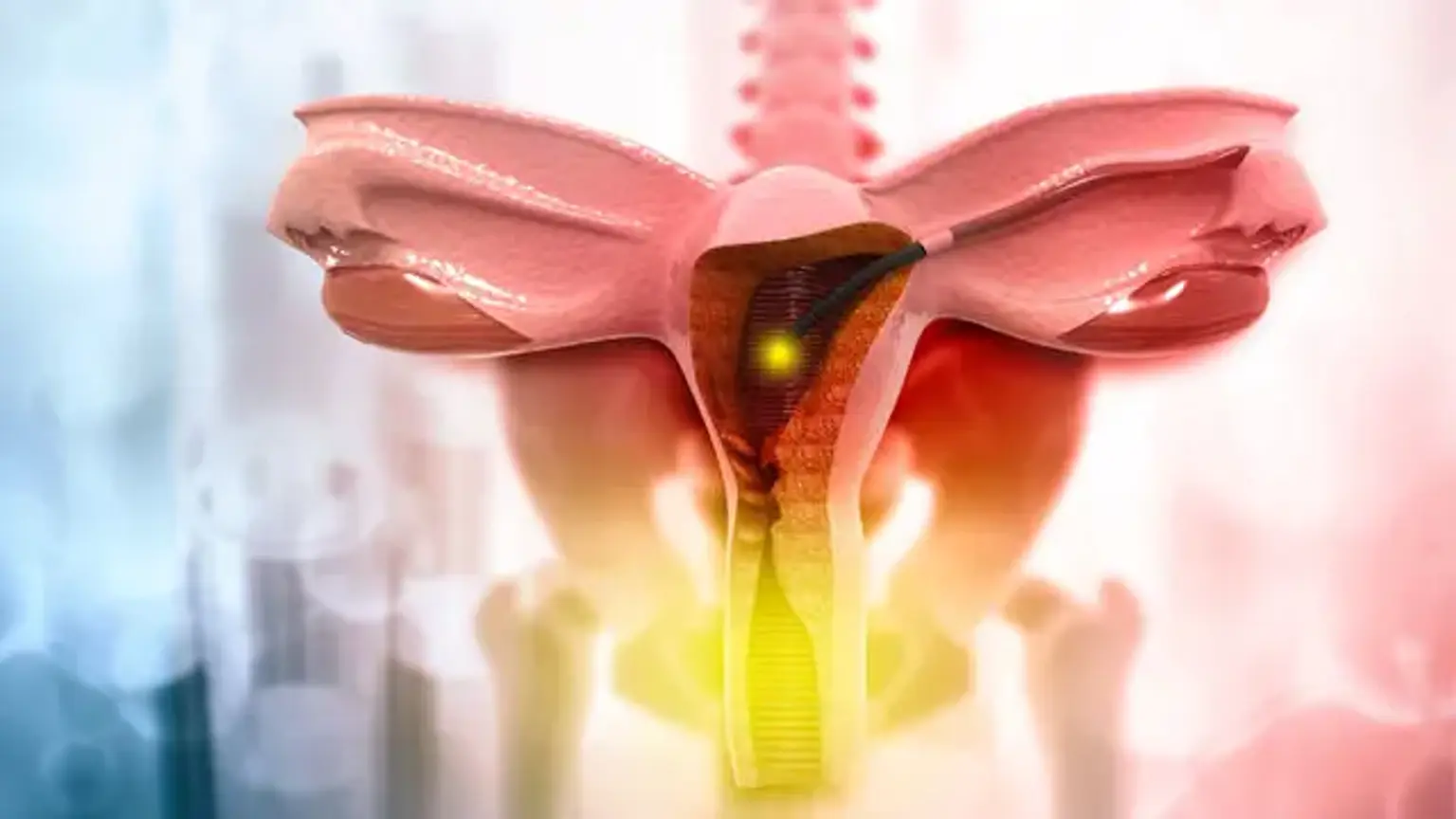
In women suffering from Asherman’s Syndrome, the uterus may become partially or completely covered by fibrous tissue, disrupting its ability to function normally. While the condition can cause infertility, irregular periods, or recurrent miscarriages, many women with AS can still conceive and carry pregnancies to term once the adhesions are treated effectively. Early detection and appropriate intervention are critical to improving fertility outcomes and uterine health.
What Causes Asherman’s Syndrome?
The primary cause of Asherman’s Syndrome is the trauma to the uterine lining, typically resulting from surgical procedures that scrape or remove tissue from the uterus. The most common of these procedures is a dilation and curettage (D&C), which may be performed to treat conditions like miscarriage, abortion, or postpartum hemorrhage. During a D&C, the inner lining of the uterus, known as the endometrium, is scraped, and in some cases, this procedure can lead to scarring.
Infections following a D&C or other uterine surgeries can also trigger the development of adhesions. Pelvic inflammatory disease (PID), which involves an infection of the reproductive organs, can cause significant uterine scarring if left untreated. Additionally, other surgical procedures such as myomectomy (removal of uterine fibroids) or hysteroscopy may inadvertently result in adhesions, though these risks are relatively low when performed by experienced practitioners.
Women who experience trauma to the uterus, such as after a difficult childbirth or pelvic injury, are also at risk for developing uterine adhesions. The key factor in all these causes is the damage to the endometrial lining, which results in scarring that can bind the walls of the uterus together, reducing its functionality.
Symptoms of Asherman’s Syndrome
The symptoms of Asherman’s Syndrome depend on the extent of the adhesions. Some common signs include:
Menstrual Irregularities: Many women experience lighter periods, absent periods, or no periods at all.
Infertility: The adhesions can prevent the fertilized egg from implanting or cause miscarriage.
Pelvic Pain: Some women may experience discomfort or pain in the pelvic area, though this is less common.
In severe cases, adhesions may completely block the uterine cavity, causing fertility problems. However, some women may have no symptoms at all, making early diagnosis challenging.
Diagnosing Asherman’s Syndrome
Diagnosing Asherman’s Syndrome often requires a combination of tests. The most definitive diagnostic tool is hysteroscopy, a procedure in which a thin tube with a camera is inserted into the uterus to directly view and remove adhesions. It allows the doctor to assess the extent of the scarring and guide treatment.
Other diagnostic methods include:
Hysterosalpingography (HSG): This X-ray procedure involves injecting a contrast dye into the uterus to detect blockages.
Saline Infusion Sonogram (SIS): A fluid is injected into the uterus while ultrasound images are taken to identify abnormalities in the uterine cavity.
Pelvic Ultrasound: While not as definitive for detecting adhesions, it can sometimes reveal changes in the shape of the uterus that suggest Asherman’s Syndrome.
Since the symptoms can mimic other conditions, it’s important to undergo proper testing for an accurate diagnosis.
The Importance of Early Treatment for Asherman’s Syndrome
Early treatment of Asherman’s Syndrome is essential for restoring uterine health and preserving fertility. The condition can worsen over time, especially if left untreated. Extensive scarring can lead to a complete blockage of the uterine cavity, making it more difficult to treat and increasing the risk of infertility or recurrent miscarriage.
By addressing the issue early, women are more likely to have a successful outcome, including the possibility of carrying a pregnancy to term. Timely intervention also helps prevent complications such as chronic pelvic pain and further damage to the uterine lining.
Hysteroscopic Surgery: The Gold Standard
Hysteroscopic surgery is widely regarded as the most effective treatment for Asherman’s Syndrome. This procedure involves inserting a hysteroscope (a thin, flexible tube with a camera) into the uterus through the cervix. It allows the surgeon to view the uterine cavity and carefully remove the adhesions.
The surgery is usually performed under general or local anesthesia, and it has several key advantages:
Minimally invasive: It requires no external incisions and can often be done on an outpatient basis.
Precision: The camera provides high-definition images, allowing for precise adhesion removal.
Recovery time: Patients typically experience a short recovery period, with most returning to normal activities within a few days.
While hysteroscopy is generally successful, its effectiveness depends on the extent of the adhesions. In cases where scarring is extensive, multiple procedures may be required.
Types of Adhesion Removal Procedures
There are different methods for removing adhesions during hysteroscopic surgery, depending on the nature and location of the scarring. The primary techniques include:
Sharp Dissection: This method uses surgical instruments to cut away the adhesions. It’s effective for removing dense adhesions but may require skill to avoid damaging the uterine lining.
Electrosurgical Techniques: Electrosurgery involves using electrical currents to cut or coagulate the tissue. This method is often preferred for its precision and ability to minimize bleeding during the procedure.
Laser Surgery: A laser can be used to vaporize the adhesions. This technique is gentle and minimizes tissue damage, making it an excellent choice for delicate areas of the uterus.
Each method has its advantages, and the choice of technique depends on the surgeon’s experience and the patient’s specific case. Regardless of the method used, the goal is to restore the normal structure of the uterus and improve fertility outcomes.
Treatment Options for Asherman’s Syndrome
Treatment for Asherman’s Syndrome typically involves surgical intervention, but options depend on the severity of the adhesions. The most common approach is hysteroscopic surgery, which allows the surgeon to remove the adhesions and restore the uterine lining. Other potential treatments include hormonal therapy and in some cases, the use of intrauterine devices (IUDs) to prevent adhesions from reforming.
Hysteroscopic Surgery: This minimally invasive procedure uses a small camera to guide the removal of adhesions. It is considered the gold standard for treating AS due to its effectiveness and low risk of complications.
Hormonal Therapy: After surgery, doctors may recommend hormone therapy, such as estrogen, to help regenerate the endometrial lining. This aids in healing and reduces the chances of new adhesions forming.
Intrauterine Devices (IUDs): Sometimes, an IUD is inserted after surgery to keep the uterine walls apart, preventing adhesions from re-forming.
Post-Surgical Care and Recovery
After undergoing hysteroscopic surgery to treat Asherman’s Syndrome, patients can generally expect a relatively quick recovery, though some post-surgical care is necessary for optimal results.
Recovery Timeline: Most women can return to their normal activities within a few days, though they should avoid heavy exercise and sexual intercourse for 2-4 weeks to ensure proper healing. The exact recovery time varies based on the extent of the surgery and the individual’s health.
Hormonal Support: Following the surgery, doctors often prescribe hormonal therapy (typically estrogen) to help regenerate the endometrial lining and prevent the formation of new adhesions. This can last for a few months.
Follow-Up Visits: Regular follow-up visits are essential to monitor healing and to check for any recurrence of adhesions. Your doctor may perform additional hysteroscopies or imaging tests to assess progress.
Managing Complications: While complications are rare, patients should watch for signs of infection, such as fever or unusual discharge. If these occur, it’s crucial to seek medical attention promptly.
Fertility Outcomes After Treatment
One of the primary goals of treating Asherman’s Syndrome is improving fertility. Success rates for conception vary depending on the severity of the adhesions and the effectiveness of the surgery. Generally, hysteroscopic surgery offers high success rates for women who undergo the procedure early.
Fertility Restoration: Following surgery, many women experience restored fertility, with a significant number successfully conceiving within a year. However, the success depends on factors like the extent of uterine damage and the age of the woman.
Assisted Reproductive Technology (ART): In some cases, assisted reproductive technologies, such as in vitro fertilization (IVF), may be recommended if natural conception does not occur after treatment. ART is especially useful if the woman has additional fertility challenges.
Pregnancy Rates: Success rates for pregnancy after treatment can range from 60% to 80% for women with mild to moderate scarring. However, more severe cases may require multiple treatment cycles or ART.
Non-Surgical Treatments and Alternatives
While hysteroscopic surgery is the gold standard for treating Asherman’s Syndrome, there are also non-surgical treatments that may be helpful, particularly for women with mild cases of adhesions.
Hormonal Therapy: Estrogen therapy is commonly used after surgery, but in some cases, it may also be prescribed alone in less severe cases to stimulate the growth of the endometrial lining and reduce adhesion formation. Hormonal therapy may be used for a few months to encourage the uterus to heal properly.
Intrauterine Devices (IUDs): An IUD may be placed in the uterus after surgery to help prevent the reformation of adhesions. The IUD helps to keep the uterine walls separated, which reduces the risk of scarring reappearing.
Stem Cell Therapy: Though still experimental, stem cell therapy is being explored as a potential treatment for endometrial scarring. It aims to promote tissue regeneration and improve fertility outcomes, particularly for patients with severe scarring.
Physical Therapy: For some women, pelvic physical therapy may help improve the overall function of the pelvic organs and aid in the recovery process, especially if there is associated pain or discomfort.
While these non-surgical treatments are beneficial for certain patients, they may not be as effective as surgery in cases of severe adhesions. It's crucial to consult with a fertility specialist to determine the best approach.
The Role of Fertility Preservation in AS Treatment
For women diagnosed with Asherman’s Syndrome who are concerned about their future fertility, fertility preservation options can provide peace of mind. These methods are particularly important if surgery cannot guarantee full restoration of fertility or if the patient plans to delay childbirth.
Egg Freezing: Women who are at risk of infertility due to AS may choose to freeze their eggs prior to surgery or treatment. This allows them to preserve their reproductive potential if they are unable to conceive naturally after treatment.
Embryo Freezing: If the woman is in a relationship and both partners wish to preserve their fertility, embryo freezing may be a viable option. This involves fertilizing eggs and freezing the resulting embryos for future use in in vitro fertilization (IVF).
Ovarian Tissue Freezing: In rare cases, ovarian tissue freezing may be considered, particularly if there is a risk of ovarian damage from extensive scarring. This method involves freezing small pieces of ovarian tissue that can later be re-implanted to restore hormone production and fertility.
Fertility preservation options should be discussed with a fertility specialist as early as possible to ensure the best chances for future conception.
Psychological Impact of Asherman’s Syndrome
Dealing with Asherman’s Syndrome can be emotionally and psychologically challenging, especially for women facing infertility or pregnancy loss. The inability to conceive, or the risk of repeated miscarriages, can lead to feelings of grief, frustration, and anxiety.
Emotional Support: Seeking counseling or joining support groups can be beneficial for mental health. Speaking with others who have faced similar challenges can provide emotional relief and coping strategies.
Managing Stress: The stress of infertility treatments, surgeries, and waiting for results can be overwhelming. Practicing stress-reducing activities like meditation, yoga, or journaling can help manage anxiety.
It’s crucial for women with AS to receive both emotional and medical support to address the psychological impact alongside the physical challenges.
Preventing Asherman’s Syndrome: What You Need to Know
While not all cases of Asherman’s Syndrome can be prevented, certain steps can minimize the risk, especially after uterine surgeries or procedures.
Avoiding Unnecessary Uterine Procedures: Limiting the number of uterine surgeries, especially D&C (dilation and curettage), can reduce the chances of scarring. If possible, alternative treatments should be explored.
Early Detection and Treatment: For women who undergo procedures like D&C, early follow-up care is critical to detect any potential scarring. Regular check-ups with a gynecologist can help catch early signs of Asherman’s Syndrome before it becomes more severe.
Use of Caution in Surgery: Skilled surgeons can minimize trauma to the uterine lining during surgeries, significantly lowering the risk of adhesions. Whenever possible, opting for less invasive treatments may be beneficial.
Though complete prevention may not be possible in all cases, these measures can lower the likelihood of developing the syndrome.
Risks and Complications
While the treatment for Asherman’s Syndrome is often successful, there are potential risks and complications associated with surgery and recovery. These include:
Infection: As with any surgical procedure, there is a risk of infection, particularly after hysteroscopy. Proper post-operative care and antibiotic use can help reduce this risk.
Reformation of Adhesions: Even after surgery, adhesions may form again, especially if post-surgical instructions are not followed or if the scarring was extensive. Regular follow-up visits are essential to monitor progress.
Uterine Perforation: In rare cases, the procedure may cause a uterine perforation, which can lead to more serious complications requiring further surgery.
By carefully following medical guidelines and attending follow-up appointments, the risk of complications can be minimized.
Prognosis and Long-Term Outlook
The prognosis for women with Asherman’s Syndrome is generally positive with proper treatment. Many women go on to conceive and carry pregnancies to term after surgery. However, the outcome depends on several factors:
Severity of Adhesions: Mild cases respond well to surgery, while more severe adhesions may require additional treatments or ART.
Age and Overall Health: Older women or those with other fertility issues may face additional challenges, but successful pregnancies are still possible with the right care.
Post-Surgery Care: Following post-surgical instructions and avoiding further uterine trauma can greatly improve long-term fertility outcomes.
Overall, with early intervention and appropriate treatment, the chances of successful conception and pregnancy remain high for many women with AS.
Global Perspective: Prevalence and Treatment Access
Asherman’s Syndrome is a global concern, though its prevalence varies by region due to differences in healthcare access, surgical practices, and awareness. In developed countries, it is more often diagnosed because of advanced diagnostic tools and increased awareness among medical professionals.
Access to Treatment: In regions with well-established healthcare systems, hysteroscopic surgery is commonly available, offering good outcomes. However, in developing countries, access to specialized care may be limited, and delays in diagnosis are more common.
Awareness: Asherman’s Syndrome remains under-recognized in some parts of the world. Awareness campaigns and education for both healthcare providers and patients can lead to earlier diagnosis and better treatment outcomes.
In the global context, improving access to diagnostic tools and skilled surgical interventions can help reduce the impact of AS on women’s reproductive health worldwide.
Managing Recurrent Miscarriages Due to Asherman’s Syndrome
Women with Asherman’s Syndrome who experience recurrent miscarriages often face a challenging emotional and physical journey. Treatment can help manage this situation:
Pre-Treatment Fertility Evaluation: For women with a history of miscarriage, fertility testing should be done before pursuing pregnancy again. This may involve evaluating uterine health and exploring treatments like hormonal therapy or in vitro fertilization (IVF).
Cautious Pregnancy Planning: After treatment, it’s essential to plan pregnancies carefully. Some women may require progesterone or other hormonal supplements to support early pregnancy.
Monitoring Pregnancy: Close monitoring throughout pregnancy is recommended, particularly in the early stages. This helps detect any potential complications or signs of miscarriage.
With appropriate management and early intervention, many women with AS are able to carry successful pregnancies to term.
Conclusion
Asherman’s Syndrome can be a life-altering diagnosis, but with modern medical interventions, many women can successfully overcome the challenges it presents. Early diagnosis, skilled surgical treatment, and comprehensive care are key to restoring fertility and achieving a successful pregnancy.
Women diagnosed with AS should seek medical advice, explore treatment options, and consider fertility preservation if necessary. Psychological support and counseling can also provide relief during the emotional journey.
While the road to recovery may be long, there is hope for women with Asherman’s Syndrome. With the right treatment and support, many women can go on to have healthy pregnancies and improved quality of life.