Introduction
Comprehensive body contouring surgery refers to a combination of procedures designed to reshape and improve the appearance of the body. It's particularly popular among individuals who have experienced significant weight loss, pregnancy, or aging. Unlike traditional weight-loss procedures, body contouring aims not only to remove excess fat but also to tighten loose skin and enhance overall body shape.
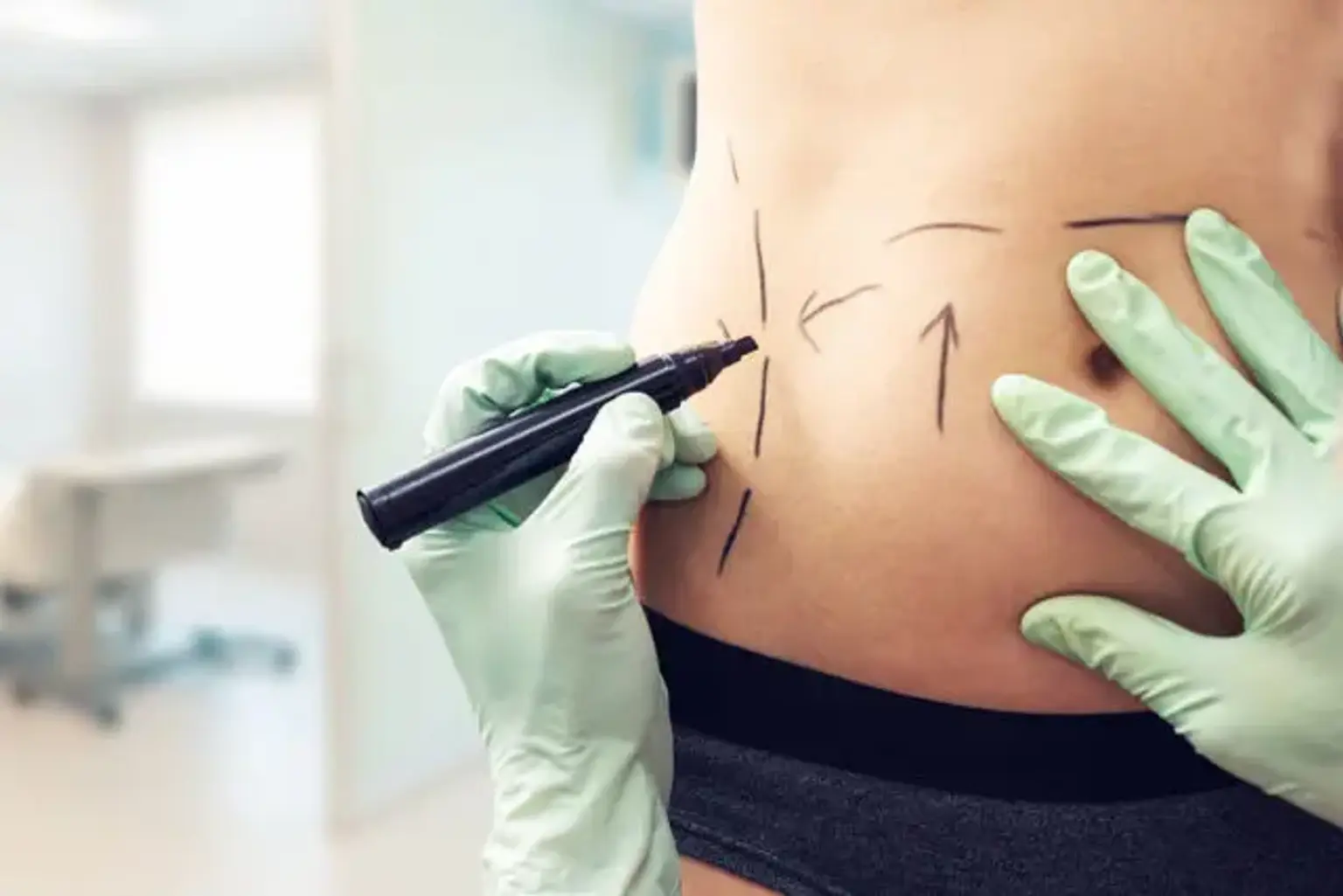
Common procedures involved in comprehensive body contouring include liposuction, tummy tucks, body lifts, and fat transfer surgeries. These are often customized to address specific areas like the abdomen, thighs, arms, and buttocks. The goal is to create a smoother, firmer, and more youthful-looking body, ultimately boosting confidence and improving the patient’s quality of life.
Globally, the demand for body contouring surgery has skyrocketed. In the United States, the rise of aesthetic surgery, driven by societal acceptance and advancements in technology, has made procedures like tummy tucks and liposuction more accessible to a wider range of patients. Countries such as Brazil and South Korea also see high numbers of body contouring surgeries, reflecting a growing global appeal.
Why People Choose Comprehensive Body Contouring
People seek body contouring surgery for various reasons, and it's often a deeply personal choice. Some of the most common motivations include:
Post-weight loss: After significant weight loss, such as after bariatric surgery, patients are left with excess skin and fat that doesn’t retract on its own. Body contouring helps remove this skin and reshape the body.
Pregnancy: Women may experience changes in their bodies that do not improve with diet and exercise, particularly in the abdomen and breast areas. A tummy tuck and breast lift may be part of a post-pregnancy body contouring plan.
Aging: As we age, our skin loses elasticity and fat distribution changes, causing sagging and wrinkles. Comprehensive body contouring can rejuvenate the body and restore a more youthful silhouette.
Personal goals: Some individuals simply want to enhance their appearance and address stubborn areas of fat that diet and exercise can’t seem to target.
The procedure not only helps improve physical appearance but also significantly boosts self-esteem. Many patients report feeling more confident in their own skin and enjoying a higher quality of life post-surgery. A comprehensive body contouring plan is often seen as the final step in a journey toward achieving one's desired body image.
Key Procedures Involved in Comprehensive Body Contouring
Comprehensive body contouring surgery involves multiple procedures tailored to the individual's needs. Here’s a breakdown of the most common procedures:
Liposuction: This is one of the most popular body contouring techniques. It involves removing excess fat from areas like the abdomen, thighs, arms, or hips. Liposuction can be done using various techniques, including tumescent liposuction, laser-assisted liposuction, or ultrasound-assisted liposuction. It's ideal for targeting localized fat pockets that don't respond to diet or exercise.
Tummy Tuck (Abdominoplasty): After weight loss or pregnancy, many individuals struggle with excess skin and fat around the abdominal area. A tummy tuck removes this excess skin and tightens the abdominal muscles, resulting in a flatter and firmer belly. It’s often done alongside liposuction to achieve a more sculpted look.
Body Lift Surgery: A body lift is particularly beneficial for those who have lost a large amount of weight. It involves removing excess skin from the abdomen, thighs, and buttocks, lifting and tightening the entire body. The result is a smoother, more toned appearance.
Fat Transfer: Also known as autologous fat grafting, this technique involves taking fat from areas like the abdomen or thighs and transferring it to areas that need volume, such as the buttocks or breasts. Fat transfer is a great option for adding natural-looking volume and shaping the body without implants.
In some cases, patients may undergo additional procedures like arm lifts, thigh lifts, or breast lifts to address other problem areas.
Is Body Contouring Surgery Right for You?
Comprehensive body contouring surgery is not for everyone. To determine if you're a good candidate, several factors must be considered:
Health and Medical History: Candidates should be in overall good health, free from chronic conditions that could affect healing, such as diabetes or heart disease. Smoking and excessive alcohol use can also complicate recovery.
Realistic Expectations: It’s essential to have realistic expectations about what body contouring surgery can achieve. While it can drastically improve body shape, it is not a weight-loss solution. It’s best for individuals who are already at or near their ideal weight but struggle with excess skin or stubborn fat.
Age and Skin Elasticity: While age isn’t a strict limitation, younger patients generally have better skin elasticity, which can lead to more favorable outcomes. However, older patients with good overall health can also benefit from body contouring.
Emotional Readiness: Surgery can have emotional and physical challenges. It’s important that candidates are mentally prepared for the recovery process, as well as the potential results.
A thorough consultation with a board-certified plastic surgeon is crucial. The surgeon will assess your health, listen to your goals, and recommend a tailored body contouring plan. This may include a combination of procedures based on your unique needs.
Global Popularity of Comprehensive Body Contouring Surgery
Body contouring surgery has seen a significant rise in popularity worldwide, particularly in countries like the United States, Brazil, Mexico, and South Korea. With advancements in techniques and increasing demand for aesthetic procedures, more people are turning to body contouring to refine their body shapes. In fact, body contouring is often ranked among the top cosmetic surgeries in many regions. The procedure's appeal is not limited to women—men are increasingly seeking body contouring to enhance their physiques, making the treatment more inclusive. As body image awareness grows globally, so does the demand for effective solutions like comprehensive body contouring surgery.
The Process of Body Contouring Surgery: Step by Step
Pre-Surgical Preparation
Before undergoing body contouring surgery, patients will attend a detailed consultation where the surgeon assesses their health, discusses their goals, and explains the available options. Medical evaluations and lab tests are conducted to ensure the patient is fit for surgery. Patients may also be advised to stop smoking and avoid certain medications leading up to the surgery.
Surgical Procedure
Body contouring surgery is typically performed under general anesthesia. The exact procedure varies depending on the areas being treated. Liposuction involves small incisions through which fat is suctioned out. A tummy tuck involves larger incisions to remove excess skin and tighten abdominal muscles. Fat transfer is performed by harvesting fat from one area of the body and injecting it into targeted areas like the buttocks or breasts. The surgery may take several hours, depending on the complexity and number of procedures performed.
Post-Surgical Care
After surgery, patients are monitored in a recovery room before being discharged. Post-surgical care includes pain management, wearing compression garments to reduce swelling, and following strict instructions to care for incisions. It's important for patients to avoid strenuous activity and adhere to the surgeon's advice during recovery.
Risks and Safety Protocols in Body Contouring Surgery
As with any surgery, body contouring carries risks, though these can be minimized with proper care and a skilled surgeon. Some of the potential risks include infection, blood clots, scarring, or poor wound healing. Surgeons mitigate these risks by following stringent safety protocols such as sterile techniques, precise incisions, and closely monitoring the patient throughout the procedure.
Choosing a board-certified plastic surgeon is crucial for minimizing risks. Surgeons who are members of reputable organizations, such as the American Society of Plastic Surgeons (ASPS), follow strict guidelines to ensure safety. It’s also essential for patients to follow all pre-and post-operative instructions, including those related to diet, medication, and activity levels, to reduce complications and support the healing process.
Expected Results of Body Contouring Surgery
The results of body contouring surgery are typically noticeable immediately after the procedure, though final results take time to fully appear. Patients will likely experience swelling and bruising, which should subside within a few weeks. The areas treated will begin to take shape as the swelling goes down, revealing a more toned and sculpted figure.
Over the following months, the body continues to heal and adjust. Full results can be seen after six months to a year, depending on the procedure. It's important for patients to maintain a stable weight and adopt a healthy lifestyle to preserve the results. While body contouring provides long-lasting results, it is not a weight-loss procedure, so patients should aim for a balanced lifestyle post-surgery to maintain their new body shape.
Body Contouring Surgery Recovery Timeline
The recovery process for body contouring surgery varies depending on the procedures performed, but generally follows a similar timeline:
Week 1: Immediate Recovery
During the first week, patients will experience swelling, bruising, and some discomfort, especially around the treated areas. Pain management is essential, and most surgeons recommend wearing compression garments to help reduce swelling and support the healing process. Patients are typically advised to take at least one to two weeks off from work and avoid strenuous activities.
Week 2 to 4: Gradual Improvement
By the second and third weeks, swelling starts to subside, and patients will begin to see the initial contours of their body. While the discomfort may lessen, patients should continue to avoid heavy lifting and intense exercise. Light activities, such as walking, can be resumed.
Month 1 to 3: Continued Healing
As the body heals, the results of the surgery become more visible, and most swelling and bruising should be gone. Patients may feel comfortable resuming more normal activities, but still need to follow specific post-surgery guidelines to avoid complications.
Month 6 to 12: Final Results
The final results of body contouring surgery typically emerge after six months to a year. Scars will continue to fade, and the treated areas will become more defined. Patients should continue to maintain a healthy lifestyle to ensure that the results last.
Cost of Comprehensive Body Contouring Surgery
The cost of comprehensive body contouring surgery can vary greatly depending on factors like the country of surgery, the surgeon's expertise, and the extent of the procedures. In the United States, the average cost of body contouring surgery ranges from $8,000 to $15,000, while it may be significantly less in countries like Mexico or Brazil, where medical tourism is popular.
Several factors influence the cost:
Type of Procedures: A tummy tuck combined with liposuction or a body lift will cost more than a single liposuction treatment.
Surgeon’s Expertise: Highly experienced surgeons or those in top-tier clinics may charge higher fees.
Location: Costs differ between countries and even between cities within the same country.
Many clinics offer financing options, allowing patients to break the cost into manageable monthly payments. It’s important to remember that body contouring is a cosmetic procedure, and insurance generally doesn’t cover it unless there are health-related reasons.
Non-Surgical Alternatives to Body Contouring Surgery
While surgical body contouring offers permanent results, there are several non-surgical options that may appeal to patients looking for less invasive treatments:
CoolSculpting: This FDA-approved procedure uses cold temperatures to freeze and eliminate fat cells without surgery. It’s effective for small areas of fat, like the love handles or under the chin, and requires minimal downtime.
SculpSure: This laser-based treatment also targets fat cells, using heat to break them down. It’s often used on the abdomen and flanks.
Radiofrequency Treatments: Devices like Thermage use radiofrequency energy to tighten skin and stimulate collagen production, offering non-invasive skin tightening results.
While these procedures are less invasive and often more affordable, they don’t provide the same dramatic results as surgery. Non-surgical options are best for those who have only a small amount of fat to target or who are not ready for the recovery time associated with surgery.
Case Studies: Real-Life Results of Comprehensive Body Contouring
Many patients who undergo comprehensive body contouring surgery report dramatic improvements in both their physical appearance and self-esteem. For example, one patient, a mother of two, had a tummy tuck and liposuction after losing over 100 pounds. She struggled with sagging skin and stubborn fat, which affected her confidence. After surgery, she noticed a significant improvement in her body shape, and she reported feeling more comfortable in her clothes and in social situations.
Another case involved a man who underwent liposuction on his abdomen and flanks after losing weight through diet and exercise. Despite his efforts, he couldn’t eliminate stubborn fat. After the procedure, he saw a flatter, more toned stomach, which boosted his self-confidence and improved his quality of life.
Before-and-after photos from these and other patients can be used to showcase the effectiveness of the procedure. For many, the emotional transformation is just as significant as the physical one.
Frequently Asked Questions About Body Contouring Surgery
1. How long will the results last?
The results of body contouring surgery can be long-lasting, especially if you maintain a stable weight and healthy lifestyle. While fat removal is permanent, the skin may change due to aging, weight fluctuations, or pregnancy.
2. Will there be visible scars?
Scarring is an inevitable part of surgery, but skilled surgeons make incisions in discreet areas to minimize their visibility. Over time, most scars fade significantly, though they may never completely disappear.
3. How soon can I return to work?
Most patients can return to work within 1 to 2 weeks, depending on the nature of their job and the extent of surgery. Physical activities like lifting and intense exercise should be avoided for 6 to 8 weeks.
4. Is body contouring surgery painful?
Pain is minimal during the procedure due to anesthesia, but patients may experience discomfort during the recovery period. Pain management medications are prescribed to manage any pain or soreness.
How to Choose the Right Surgeon for Body Contouring Surgery
Choosing a qualified, experienced surgeon is crucial to the success of your body contouring surgery. Here are key factors to consider:
Board Certification: Ensure that the surgeon is certified by a recognized board like the American Board of Plastic Surgery (ABPS). This guarantees the surgeon has the necessary training and expertise.
Experience and Specialization: Look for a surgeon who specializes in body contouring procedures, particularly those you are interested in, such as tummy tucks, liposuction, or body lifts.
Before-and-After Photos: Review the surgeon’s portfolio of past patients to gauge their results. Good surgeons will have plenty of before-and-after photos that show the quality of their work.
Patient Testimonials: Seek reviews from previous patients. Positive feedback can help reassure you about the surgeon’s skills and professionalism.
Consultation: A thorough consultation is essential. The surgeon should listen to your concerns, explain the procedures, and provide a clear understanding of the expected results and recovery.
Body Contouring Surgery: Mental and Emotional Benefits
Beyond the physical transformation, body contouring surgery can have profound mental and emotional benefits. Many patients report a boost in self-confidence, feeling more comfortable in their own skin. This can have positive effects on personal relationships, professional life, and overall mental well-being.
For some, body contouring allows them to enjoy activities they had avoided due to self-consciousness, such as swimming or wearing certain clothes. The procedure can help people achieve a sense of control over their bodies and their appearance, leading to improved mental health and quality of life.
It’s important to acknowledge, however, that surgery alone may not resolve underlying emotional challenges. Psychological counseling can complement body contouring to help individuals adjust to their new look and maintain healthy body image.
Advances in Body Contouring Techniques
Recent advancements in body contouring techniques have made the procedures safer, more effective, and less invasive. Some of the innovations include:
Laser-Assisted Liposuction: This technique uses laser energy to break down fat before it’s removed, reducing recovery time and minimizing bleeding.
Ultrasound-Assisted Liposuction: This technique uses ultrasound waves to liquefy fat, making it easier to remove and providing a more even result.
Non-Invasive Skin Tightening: New technologies like ultrasound and radiofrequency have made it possible to tighten the skin without surgery, offering a non-invasive solution for those not ready for surgery.
Enhanced Fat Grafting: Techniques for fat transfer are now more precise, allowing fat to be transferred to areas like the buttocks or breasts with greater precision, resulting in more natural-looking outcomes.
These advancements are allowing for quicker recovery times, fewer complications, and better overall results, making body contouring a more accessible and appealing option for many people.
The Importance of Post-Surgery Lifestyle for Maintaining Results
After undergoing body contouring surgery, maintaining the results is heavily dependent on lifestyle choices. The goal of the procedure is to give you a more sculpted body, but the changes made during surgery can be altered if you gain or lose significant weight.
Exercise: Regular physical activity is essential for maintaining muscle tone and keeping the body lean. Combining cardio exercises with strength training can help preserve your new shape.
Diet: A balanced, nutritious diet supports weight maintenance and overall health. Focus on eating whole foods, rich in vitamins, minerals, and proteins, while avoiding excessive sugar and processed foods.
Hydration: Staying hydrated helps keep your skin healthy and may improve the appearance of any remaining scars.
For patients who have made a significant commitment to lifestyle changes, body contouring surgery can be a transformative step in their journey to a healthier and more confident self.
How to Prepare for Comprehensive Body Contouring Surgery
Preparation for body contouring surgery is key to ensuring a smooth procedure and successful recovery. Here are a few important steps:
Consult with a Qualified Surgeon: Make sure to choose a surgeon with experience in body contouring procedures. Have a detailed discussion about your goals, expectations, and the process.
Follow Pre-Surgical Instructions: The surgeon will provide specific instructions, including avoiding smoking, certain medications, and alcohol, as well as scheduling any necessary lab tests.
Arrange for Aftercare: Post-surgery, you will need assistance at home, particularly in the first few days. Having a friend or family member assist you with tasks like cooking, cleaning, and transportation can make recovery easier.
Prepare Mentally: Recovery can take time, and it’s important to manage your expectations. Understand that it may take several months to fully see the results, and the process requires patience.
By properly preparing for surgery, you can minimize risks and set yourself up for a smoother recovery.
Body Contouring Surgery: A Personal Decision
Deciding to undergo comprehensive body contouring surgery is deeply personal. While it can provide significant physical and emotional benefits, it’s essential to evaluate the decision carefully. Surgery should not be seen as a quick fix for self-esteem or body image issues, but rather as a way to enhance your body after significant effort or life changes.
Speak openly with your surgeon about your motivations, concerns, and expectations. Take time to consider the potential risks, the costs, and the long-term commitment required for a full recovery. It’s also helpful to talk to others who have gone through similar procedures to get a clearer understanding of the process.
Ultimately, the decision should come from a desire to improve your quality of life and not just from external pressures.
Conclusion
As techniques continue to evolve, the future of body contouring surgery looks brighter than ever. Minimally invasive options, more effective fat removal methods, and enhanced skin tightening technologies are making it easier for patients to achieve their ideal body with less downtime and fewer risks. The growing acceptance of body contouring worldwide, combined with advances in medical technology, suggests that the procedure will continue to be a popular option for those seeking to enhance their appearance.
With proper care, a healthy lifestyle, and realistic expectations, body contouring surgery can be a life-changing experience, offering both physical and emotional rewards. If you are considering body contouring, take the time to research and consult with a skilled surgeon to ensure the best outcome for your body and your well-being.