Introduction
Liposuction, also known as body fat reduction surgery, is one of the most popular cosmetic procedures worldwide. It involves the removal of excess fat from specific areas of the body to improve body contours and shape. People choose liposuction to target stubborn fat that doesn’t respond to diet and exercise, providing a smoother and more toned appearance. Whether it’s for improving body proportions or enhancing confidence, liposuction has helped millions achieve their aesthetic goals.
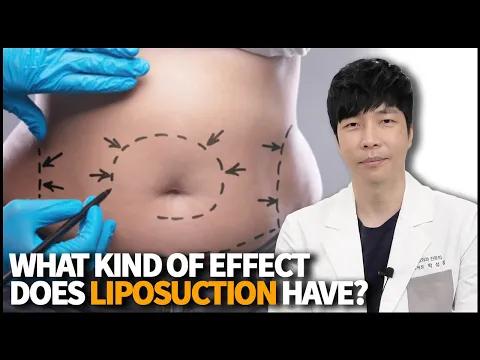
Globally, liposuction is frequently performed in countries such as the United States, Brazil, and South Korea, where cosmetic surgery is both advanced and widely accepted. With the growing popularity of body shaping procedures, it’s important to understand the benefits, risks, and the various techniques available to help you make an informed decision.
Understanding the Liposuction Procedure
Liposuction is a surgical procedure that removes unwanted fat deposits through a hollow tube called a cannula, which is inserted under the skin. The fat is then suctioned out using a medical vacuum or syringe. The primary goal of liposuction is to sculpt and contour the body, not necessarily to achieve weight loss. It’s typically used for areas with localized fat, such as the abdomen, thighs, hips, arms, and chin.
There are several techniques, each with distinct advantages. Traditional liposuction uses a manual method for fat removal, while modern techniques, like laser liposuction and Vaser liposuction, utilize advanced technologies to break down fat cells before suctioning them. Laser liposuction uses laser energy to liquefy fat, which is then removed, whereas Vaser liposuction uses ultrasound waves to emulsify fat, making it easier to remove with less damage to surrounding tissues.
Each technique has its benefits depending on the area being treated and the patient's individual needs. A thorough consultation with a skilled surgeon is crucial to determine which method will work best for you.
Who is a Candidate for Liposuction?
While liposuction is an effective solution for body fat reduction, not everyone is an ideal candidate for the procedure. Good candidates are generally in good health, have realistic expectations, and are close to their ideal body weight but struggle with localized fat deposits that resist diet and exercise.
Liposuction isn’t meant to be a weight loss solution; instead, it’s for people who are already at or near their target weight but have stubborn fat in certain areas. Ideal candidates are typically non-smokers, as smoking can impair healing and increase the risk of complications.
Pregnant or breastfeeding women and individuals with certain health conditions, such as heart disease, diabetes, or poor circulation, may not be suitable candidates for liposuction. Your surgeon will assess your overall health during the consultation to determine if liposuction is right for you.
Liposuction Technology and Techniques
Liposuction technology has come a long way in recent years, offering more advanced, less invasive methods for fat removal. Understanding the different techniques can help you choose the best option for your body and desired outcome.
Traditional Liposuction
Traditional liposuction, or suction-assisted liposuction (SAL), is the original method, involving the manual removal of fat with a cannula and vacuum suction. This technique is effective but may require longer recovery times and is often associated with more bruising and swelling.
Laser Liposuction
Laser liposuction, or SmartLipo, uses laser energy to melt fat cells before they are suctioned out. This technique offers the benefit of promoting skin tightening, as the laser stimulates collagen production in the treated area. Laser liposuction typically results in less bruising and a shorter recovery period compared to traditional methods.
Vaser Liposuction
Vaser liposuction uses ultrasound waves to liquefy fat, which is then gently suctioned out. This method is especially effective for delicate areas like the chin or for people who need a more refined body contour. Vaser liposuction can also treat larger fat deposits more efficiently, leaving less trauma to surrounding tissues.
Tumescent Liposuction
Tumescent liposuction involves injecting a solution of saline, lidocaine, and epinephrine into the treatment area. This causes the fat to swell and become firm, making it easier to remove. The solution also minimizes blood loss and reduces post-surgery discomfort, leading to faster recovery times.
Each technique has specific advantages, and the right choice depends on the patient’s needs, the area to be treated, and the surgeon’s expertise.
Pre-Surgical Preparations: What You Need to Know
Before undergoing liposuction, it’s important to prepare properly to ensure the best results and minimize risks. The first step is a thorough consultation with a qualified surgeon, who will assess your health, discuss your goals, and explain the procedure in detail. During this consultation, you'll also be asked about your medical history and any medications you're currently taking.
To prepare physically, it's advised to stop smoking and avoid certain medications, such as blood thinners, for a few weeks before surgery. You'll also be asked to maintain a healthy diet and stay hydrated to promote healing. In some cases, your surgeon may suggest lab tests or imaging to evaluate the areas to be treated. Being mentally prepared for the recovery process is just as important as physical preparation.
The Liposuction Process: Step by Step
The liposuction procedure generally follows a set series of steps:
Anesthesia: The surgery begins with the administration of anesthesia. Local anesthesia is typically used for smaller areas, while general anesthesia may be required for larger areas.
Incisions: Small incisions are made in the treatment area, which allows the surgeon to insert the cannula (thin tube). The size of the incisions is minimal and usually results in less scarring.
Fat Removal: The cannula is used to break up and suction the fat. The technique used depends on the type of liposuction being performed (e.g., laser, Vaser).
Closing Incisions: Once the fat has been removed, the incisions are closed, often with dissolvable stitches. The area is then bandaged and compressed to reduce swelling.
The entire process can take anywhere from one to several hours, depending on the size and number of areas being treated. Most patients go home the same day, though some may require an overnight stay in more extensive cases.
Understanding Risks and Side Effects of Liposuction
Like any surgery, liposuction carries certain risks and side effects. The most common risks include:
Infection: Any surgical procedure carries a risk of infection. Proper aftercare, including keeping the incisions clean, helps minimize this risk.
Bruising and Swelling: Swelling and bruising are common after liposuction, and these side effects typically subside within a few weeks.
Irregular Contours: In some cases, fat may not be removed evenly, leading to uneven contours. This can sometimes be corrected with additional treatment.
Blood Clots and Nerve Damage: Though rare, blood clots and nerve damage can occur. Choosing an experienced surgeon significantly lowers the likelihood of these complications.
While the risks are manageable, they can be reduced by ensuring that you are a good candidate for the procedure and choosing a certified and skilled surgeon.
Liposuction Costs: What to Expect
The cost of liposuction can vary greatly depending on several factors, including the country, the surgeon's experience, the technique used, and the areas being treated. On average, liposuction can range from $2,000 to $10,000 or more.
Location: In countries like the United States, the cost can be higher, particularly in large cities where surgeons are in high demand. Meanwhile, some countries, such as Mexico or Thailand, offer liposuction at lower costs without compromising quality.
Techniques: Advanced techniques like laser or Vaser liposuction may cost more than traditional methods.
Surgeon’s Experience: Highly experienced surgeons typically charge more, but their expertise often leads to better results and fewer complications.
It’s essential to ask about all fees upfront, including those for anesthesia, facility charges, and post-surgery follow-up care. While cost is important, it should not be the only factor in your decision-making process. Ensuring that your surgeon is experienced and reputable is far more important than finding the lowest price.
Liposuction for Men: An Emerging Trend
While liposuction has traditionally been seen as a procedure for women, more and more men are opting for this body contouring treatment. Men often seek liposuction to target areas like the abdomen, love handles, chest, and neck, where stubborn fat can accumulate despite exercise.
Liposuction for men often focuses on achieving a more athletic, toned look. For example, some men may choose liposuction to define their jawline, create more definition in the chest (removing gynecomastia fat), or trim down the waist for a more masculine silhouette. As societal acceptance of cosmetic surgery for men increases, more men are considering liposuction as a way to enhance their appearance and boost their self-confidence.
Global Popularity of Liposuction: Trends Around the World
Liposuction is a globally sought-after procedure, with different regions having varying trends in popularity. In the United States, it remains one of the top five most performed cosmetic surgeries. Meanwhile, countries like Brazil and South Korea are also known for high rates of liposuction procedures, with Brazilian women especially favoring fat removal surgeries to achieve a curvier, more contoured figure.
In some countries, medical tourism has boomed, as people travel abroad for more affordable yet high-quality liposuction procedures. Thailand, Mexico, and Turkey are common destinations for those looking for cost-effective liposuction without sacrificing safety or results.
These international trends highlight liposuction's universal appeal in achieving body goals, regardless of location or culture.
Liposuction Alternatives: What Are the Options?
For those not quite ready for surgery or those who prefer non-invasive solutions, there are several alternatives to liposuction:
CoolSculpting: A popular non-invasive treatment that freezes fat cells, making them naturally eliminated by the body over time.
Ultrasonic Liposuction: This technique uses sound waves to break down fat before it’s removed. It’s a less invasive alternative that can be an option for patients with smaller fat deposits.
Laser Liposuction: While technically still a surgical procedure, laser lipo is a minimally invasive option that uses heat to liquefy fat, making it easier to remove and promoting skin tightening.
While these methods don’t provide the same dramatic results as traditional liposuction, they can be great options for those with smaller fat areas or who want to avoid surgery and recovery time.
The Emotional and Psychological Impact of Liposuction
The decision to undergo liposuction is often motivated by the desire for physical change, but it can also have a profound emotional and psychological impact. Many patients report improved self-esteem and body image after the procedure, particularly those who have struggled with stubborn fat for years. The confidence boost often extends beyond just physical appearance; patients feel more comfortable in social situations and may experience a higher quality of life.
However, it’s important to note that liposuction, like any cosmetic procedure, may not be a cure-all for deeper emotional or psychological concerns. It's essential for potential patients to have realistic expectations and understand that body changes can enhance appearance but don’t resolve all emotional challenges.
Long-Term Results: Maintaining Liposuction Outcomes
While liposuction offers lasting fat removal, it’s important to maintain a healthy lifestyle to preserve the results. Fat cells are permanently removed from the treated areas, but new fat cells can still develop if a person gains weight. To ensure the longevity of your results, it’s essential to:
Exercise Regularly: Incorporating a balanced fitness routine helps maintain your body’s shape.
Eat a Healthy Diet: A well-balanced, nutrient-rich diet is key to avoiding weight gain and supporting overall wellness.
Avoid Significant Weight Gain: Significant fluctuations in weight can alter the contours achieved through liposuction.
By adopting a consistent routine of healthy habits, you can enjoy the enhanced contours created by liposuction for many years to come.
Liposuction and Aging: How It Affects the Aging Process
As we age, our skin loses elasticity, and fat distribution changes. Liposuction can help restore a youthful, contoured appearance, especially for individuals whose bodies have developed areas of stubborn fat over time. However, it’s important to understand that liposuction does not prevent aging.
While liposuction provides excellent body contouring, the natural aging process will continue. To maintain results, patients may need additional treatments over the years. Skin tightening treatments or minor liposuction touch-ups may be required as the body continues to age, ensuring the contours remain firm and youthful.
Liposuction can be an effective part of an anti-aging strategy, but it’s best used alongside other treatments like skincare and healthy lifestyle habits.
Ethical Considerations and Choosing the Right Surgeon
Choosing the right surgeon is one of the most important decisions when considering liposuction. It’s crucial to select a board-certified plastic surgeon with extensive experience and a proven track record of successful liposuction results.
Before committing, ask the surgeon to show you before-and-after photos of previous patients, and be sure to read patient reviews and testimonials. A reputable surgeon will be transparent about the risks and benefits, providing you with clear, honest answers about what to expect.
Also, consider the ethical implications of cosmetic surgery. Liposuction should be a personal choice, based on your own desires and not influenced by external pressures or unrealistic body standards.
Conclusion
Liposuction is a safe and effective procedure that can help individuals achieve the body contours they’ve always wanted, especially when diet and exercise aren’t enough. By understanding the procedure, risks, and benefits, and working closely with a qualified surgeon, you can make an informed decision about whether liposuction is right for you.
It's crucial to have realistic expectations and recognize that while liposuction can significantly enhance your appearance, it should be viewed as a part of a broader approach to body wellness. For many, liposuction offers not just a change in appearance but a renewed sense of confidence and self-esteem.
Ultimately, the decision to undergo liposuction is deeply personal. If you're considering this surgery, take the time to consult with a trusted professional, weigh all your options, and prepare for the recovery journey that lies ahead.