Introduction
Bone and cartilage grafting surgery is a medical procedure designed to repair and regenerate damaged bone and cartilage in various joints. This surgery is particularly important in treating conditions such as arthritis, traumatic injuries, or congenital deformities, where bone or cartilage loss can significantly impair joint function. The goal of this surgery is to restore structural integrity, alleviate pain, and improve mobility. As the need for joint preservation and repair grows globally, bone and cartilage grafting has become a widely accepted solution, especially in the fields of orthopedics and sports medicine.
Why Bone and Cartilage Grafting is Needed
Bone and cartilage grafting surgery is often required when joint damage or degeneration has reached a point where it significantly impacts daily life. Common reasons for needing this surgery include:
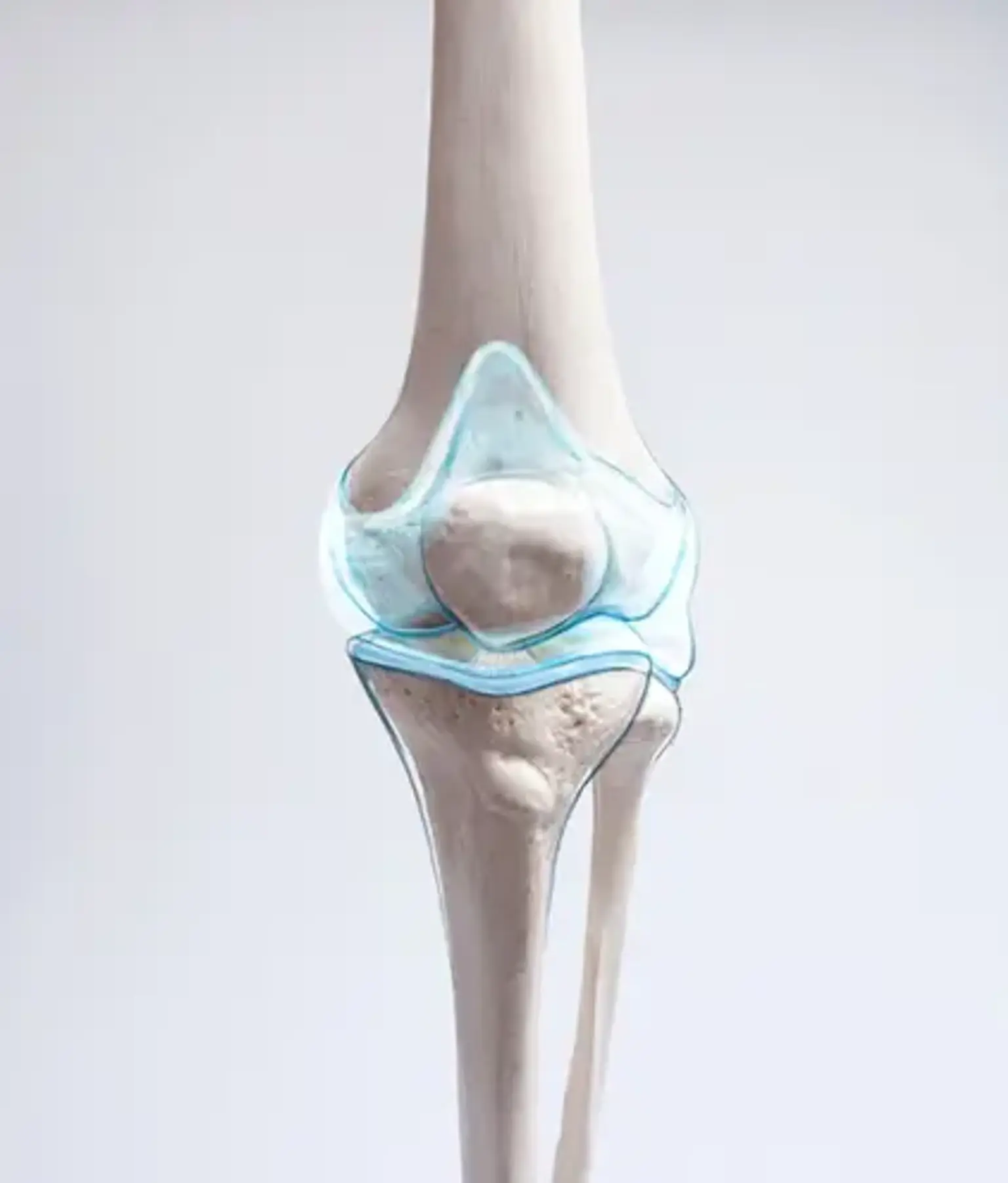
Osteoarthritis: Wear and tear of cartilage, especially in weight-bearing joints like the knees and hips, leads to severe pain and stiffness.
Trauma: Accidents or sports injuries can cause fractures and cartilage damage that impede normal function.
Bone Loss: Conditions like osteoporosis or certain bone diseases can lead to insufficient bone structure that requires grafting for proper healing and function.
When these issues are not addressed, they can lead to permanent joint damage, severe pain, and reduced mobility. Grafting helps prevent further deterioration and aids in faster recovery.
Risks and Complications of Bone and Cartilage Grafting
While bone and cartilage grafting is generally safe, there are some risks to be aware of:
Infection: As with any surgery, there’s a risk of infection. Proper hygiene, post-op care, and antibiotics help minimize this risk.
Rejection of the Graft: Allografts or synthetic grafts may be rejected by the body, though this is rare. Patients who receive donor tissue may need immunosuppressive medication.
Graft Failure: In some cases, the graft may not integrate properly, leading to continued pain or dysfunction. This can be due to poor healing, improper fixation, or complications during the procedure.
Other Complications: Nerve injury, blood clots, and joint stiffness are possible but uncommon.
Patients are closely monitored post-surgery to catch and address any complications early.
Types of Bone and Cartilage Grafts
There are several types of grafts used in bone and cartilage grafting surgery, each with its advantages and challenges:
Autografts (Patient’s Own Tissue): The most common and preferred option as it minimizes the risk of rejection. However, it requires an additional incision site to harvest the tissue.
Allografts (Donor Tissue): Donor tissue is used for patients who require larger grafts or have difficulty using their own tissue. While it avoids the need for a second incision, there is a small risk of immune rejection.
Synthetic Grafts: These are man-made materials used when natural tissue is not available or viable. These grafts are often used in smaller defects or in conjunction with other treatment methods.
Each type of graft has its own healing time and success rate, and the choice of graft depends on factors like the patient’s age, health condition, and the severity of the defect.
Common Conditions Treated by Bone and Cartilage Grafting
Bone and cartilage grafting is commonly used to treat several conditions that involve damage to the joint structures:
Osteoarthritis: This degenerative condition causes the cartilage in joints, like the knees and hips, to wear down, leading to pain and stiffness. Grafting helps regenerate damaged cartilage.
Bone Fractures: Severe fractures, particularly in weight-bearing bones, may require bone grafts to restore structural integrity and speed up healing.
Sports Injuries: High-impact activities often lead to joint damage, including cartilage tears or fractures, which can be treated effectively with grafting.
Rheumatoid Arthritis: Chronic inflammation from rheumatoid arthritis can damage bone and cartilage, requiring grafts for repair and function restoration.
Grafting restores mobility, alleviates pain, and improves overall quality of life, especially for those with debilitating joint conditions.
Preparing for Bone and Cartilage Grafting Surgery
Preparation for grafting surgery involves several key steps to ensure the best outcomes:
Consultation and Assessments: A thorough medical evaluation, including imaging (X-rays, MRIs), and lab tests, will determine the extent of the damage and the best grafting option.
Pre-surgical Instructions: Patients are advised to avoid certain medications (like blood thinners) and may be asked to fast before surgery.
Choosing a Surgical Team: A highly skilled orthopedic surgeon specializing in grafting will guide the patient through the process.
Understanding the Risks: During the consultation, patients will be informed about potential risks, such as infection, graft rejection, and complications with anesthesia.
Proper preparation ensures a smoother surgical experience and minimizes potential risks during the recovery process.
The Surgical Procedure: What to Expect
Bone and cartilage grafting surgery is typically performed in a hospital or surgical center under general anesthesia. The procedure follows these general steps:
Incision: The surgeon makes an incision near the affected joint to access the damaged tissue.
Graft Placement: The damaged bone or cartilage is removed, and the chosen graft (autograft, allograft, or synthetic) is placed in the defect. The graft is then secured using screws or pins.
Wound Closure: After the graft is in place, the incision is closed with sutures.
The surgery usually lasts a few hours depending on the complexity. Recovery times can vary, but most patients stay in the hospital for 1-2 days for observation and pain management.
Bone and Cartilage Grafting Success Rates
The success rate of bone and cartilage grafting surgery varies based on the type of graft, the patient's age, and overall health. On average, the success rate for grafting procedures ranges from 80% to 90%, with improvements in pain reduction, joint mobility, and function. Factors that influence success include:
Type of Graft: Autografts tend to have the highest success rate due to the use of the patient's own tissue.
Patient Health: Non-smokers and those with good general health often experience better outcomes.
Post-Surgery Care: Following a rehabilitation program is essential for the graft to integrate properly with surrounding tissue.
While complications can occur, most patients experience significant improvements in joint function and pain relief.
Recovery After Bone and Cartilage Grafting Surgery
Recovery after bone and cartilage grafting surgery varies by individual, but it generally follows these stages:
Immediate Recovery (First Few Days): After surgery, patients are monitored in the hospital for signs of complications. Pain management is key during this period, and patients are encouraged to start light movement, depending on the joint involved.
Early Rehabilitation (Weeks 1-6): Physical therapy begins as soon as it's safe to move the joint. Patients follow a specific exercise program to maintain joint flexibility and strength. Weight-bearing may be restricted, especially for lower body joints like the knees or hips.
Full Recovery (3-6 Months): Gradual return to normal activities occurs over several months. Bone grafts typically take 6 to 12 months to fully integrate, while cartilage grafts may take even longer. The final goal is to restore joint function without pain.
Adherence to post-operative instructions and physical therapy is critical for successful recovery and graft integration.
Benefits of Bone and Cartilage Grafting Surgery
Bone and cartilage grafting offers several important benefits:
Restored Joint Function: The primary benefit is the restoration of joint function and mobility, allowing patients to resume daily activities.
Pain Relief: By replacing damaged tissue, grafting can significantly reduce joint pain, which is especially important for those with osteoarthritis or sports injuries.
Prevention of Further Damage: Grafting helps prevent further degeneration of the joint, thus preserving long-term function.
Improved Quality of Life: The procedure can improve the patient’s overall quality of life, with increased mobility and reduced dependency on pain medications.
These benefits make grafting a highly effective treatment option for various joint conditions.
Understanding the Procedure: How Bone and Cartilage Grafting Works
Bone and cartilage grafting involves replacing damaged or lost tissue with healthy tissue to promote healing and restore function. There are several methods depending on the extent of the damage and the patient’s condition.
Autografts: Tissue is taken from the patient’s own body, often from a non-weight-bearing area like the hip or fibula.
Allografts: Tissue is sourced from a donor, usually from a tissue bank, and is typically used when autografts aren’t viable.
Synthetic Grafts: In some cases, artificial materials or bioengineered tissues are used.
The procedure is generally performed under general anesthesia. Surgeons create an incision at the damaged joint site, remove the damaged bone or cartilage, and place the graft in its place. The new tissue helps promote healing by stimulating regrowth, eventually integrating with the surrounding tissue.
Cost of Bone and Cartilage Grafting Surgery
The cost of bone and cartilage grafting surgery can vary widely based on the location, type of graft used, and the complexity of the procedure. On average, the surgery costs between $10,000 to $20,000, which typically includes hospital fees, surgeon fees, anesthesia, and post-surgery care.
Autograft Procedures: Generally more affordable since there’s no need for donor tissue, but the cost may rise if additional surgical sites are needed to harvest the graft.
Allograft Procedures: The cost may be higher due to the need for donor tissue, tissue bank fees, and potential immunosuppressive drugs if required.
Insurance Coverage: Many health insurance plans cover bone and cartilage grafting surgery, especially if it’s deemed medically necessary. However, coverage may vary, and patients should confirm their specific policy details.
Understanding the costs upfront helps patients prepare financially for the procedure and recovery.
The Role of Physical Therapy in Recovery
Physical therapy is a crucial component of the recovery process following bone and cartilage grafting surgery. Its primary goals are to:
Improve Mobility: Early rehabilitation focuses on restoring joint mobility, reducing stiffness, and improving the range of motion.
Strengthen Muscles: Targeted exercises help strengthen the muscles around the grafted area, which supports joint stability and function.
Prevent Complications: Physical therapy reduces the risk of complications like blood clots and joint contractures, helping the patient regain full use of the joint.
Therapists design customized plans based on the type of surgery and the patient’s specific needs. Patients who follow the prescribed therapy regimen generally recover more quickly and experience better outcomes.
Psychological Impact and Support During Recovery
Recovering from bone and cartilage grafting surgery can be physically and emotionally challenging. Some patients experience anxiety, depression, or frustration during their healing process, particularly if their recovery takes longer than expected. It's important for patients to:
Set Realistic Expectations: Understanding that recovery may take months and gradual improvements are normal can help manage disappointment.
Seek Support: Emotional support from family, friends, or mental health professionals is beneficial for coping with the mental strain of recovery.
Stay Positive: Focusing on small improvements, celebrating milestones, and maintaining a positive outlook can greatly impact overall recovery.
Having a strong support system and understanding the emotional aspects of recovery can greatly improve a patient’s experience.
Long-Term Care and Maintenance
Once the graft has fully integrated and the patient has regained mobility, long-term care is essential to maintain joint function and prevent further issues:
Regular Check-Ups: Periodic visits to the surgeon or specialist to monitor the graft’s condition and assess joint health.
Ongoing Physical Activity: Low-impact exercises, such as swimming or cycling, help maintain joint health and prevent stiffness.
Weight Management: Maintaining a healthy weight reduces stress on weight-bearing joints, prolonging the life of the graft.
Protecting the Joint: Patients may need to make adjustments to their lifestyle to prevent re-injury. Wearing supportive footwear, avoiding excessive strain, and practicing proper techniques in daily activities are key to long-term success.
Long-term care ensures the durability of the graft and helps patients continue to enjoy active, pain-free lives.
Global Popularity and Advancements in Bone and Cartilage Grafting
Bone and cartilage grafting has gained significant popularity worldwide due to its proven effectiveness in treating joint conditions and injuries. As the global population ages, the demand for joint preservation treatments has increased, making this procedure more accessible. Advances in technology and surgical techniques have improved graft success rates and recovery times:
Minimally Invasive Techniques: Newer, less invasive procedures allow for smaller incisions, reducing recovery time and risk of complications.
Regenerative Medicine: Research into stem cell therapies and tissue engineering is exploring ways to enhance the healing process, reduce reliance on donor tissue, and improve long-term outcomes.
Robotics and AI: The use of robotic-assisted surgery is becoming more common, allowing for greater precision during graft placement and faster recovery.
These advancements are making bone and cartilage grafting surgery safer, more effective, and accessible, improving outcomes for patients globally.
Frequently Asked Questions (FAQs)
1. How long does bone and cartilage grafting surgery take?
The surgery typically lasts between 1 to 3 hours, depending on the complexity of the graft and the number of joints involved. Recovery time may vary.
2. How soon can I return to work after surgery?
Recovery time depends on the type of surgery and the patient's occupation. Generally, desk jobs can be resumed within 1 to 2 weeks, while physical labor may require 6 to 12 weeks.
3. Will my graft last forever?
Bone grafts tend to last many years, but cartilage grafts may wear out over time. The longevity of the graft depends on factors like the type of graft, the area treated, and the patient’s health.
4. Can the graft be rejected?
Rejection is rare, particularly with autografts, which use the patient's own tissue. However, allografts (donor tissue) may carry a slight risk of immune rejection.
5. Is the surgery covered by insurance?
Many insurance plans cover bone and cartilage grafting if it’s deemed medically necessary. Patients should verify coverage with their insurance provider.
Preparing for a Consultation: What to Ask Your Surgeon
Before undergoing bone and cartilage grafting surgery, patients should feel informed and confident about their decision. Key questions to ask the surgeon include:
What type of graft is recommended for my condition?
What are the potential risks and complications specific to my case?
What will my recovery process look like, and how long will it take?
Are there alternatives to grafting surgery for my condition?
What can I do to maximize the success of the graft and recovery?
Being prepared with these questions ensures clear communication with the surgical team and helps the patient feel more at ease.
Lifestyle Changes After Bone and Cartilage Grafting Surgery
While grafting surgery restores joint function, patients must adopt certain lifestyle changes to maintain the health of their joint and prevent future damage:
Stay Active: Engage in low-impact exercises, such as walking, swimming, or biking, to maintain joint mobility and strengthen surrounding muscles.
Maintain a Healthy Weight: Excess weight can put unnecessary stress on joints, leading to long-term damage. A balanced diet and regular exercise can help prevent this.
Follow Up Regularly: Periodic check-ups with your orthopedic surgeon ensure that the graft is healing well and that there are no signs of complications.
These lifestyle adjustments are vital for prolonging the life of the graft and maintaining overall joint health.
Conclusion
Bone and cartilage grafting surgery is a highly effective solution for patients with joint damage caused by conditions like osteoarthritis, trauma, or congenital deformities. By restoring bone and cartilage, the procedure helps alleviate pain, improve mobility, and prevent further damage.
However, it’s important to carefully weigh the benefits and risks with your surgeon, considering your overall health, the condition being treated, and the expected recovery process. Advances in technology, minimally invasive techniques, and regenerative medicine are continuously improving outcomes, making this procedure more accessible and successful.
If you’re suffering from joint pain or dysfunction, bone and cartilage grafting could be a transformative step toward regaining a pain-free, active lifestyle.