Introduction
Bone reshaping surgery, commonly referred to as osteotomy, is a surgical procedure designed to realign or reshape bones. It is frequently performed to address bone deformities, joint misalignments, or conditions that impair mobility and function. By cutting and repositioning bones, surgeons can correct structural abnormalities that would otherwise cause pain or long-term damage.
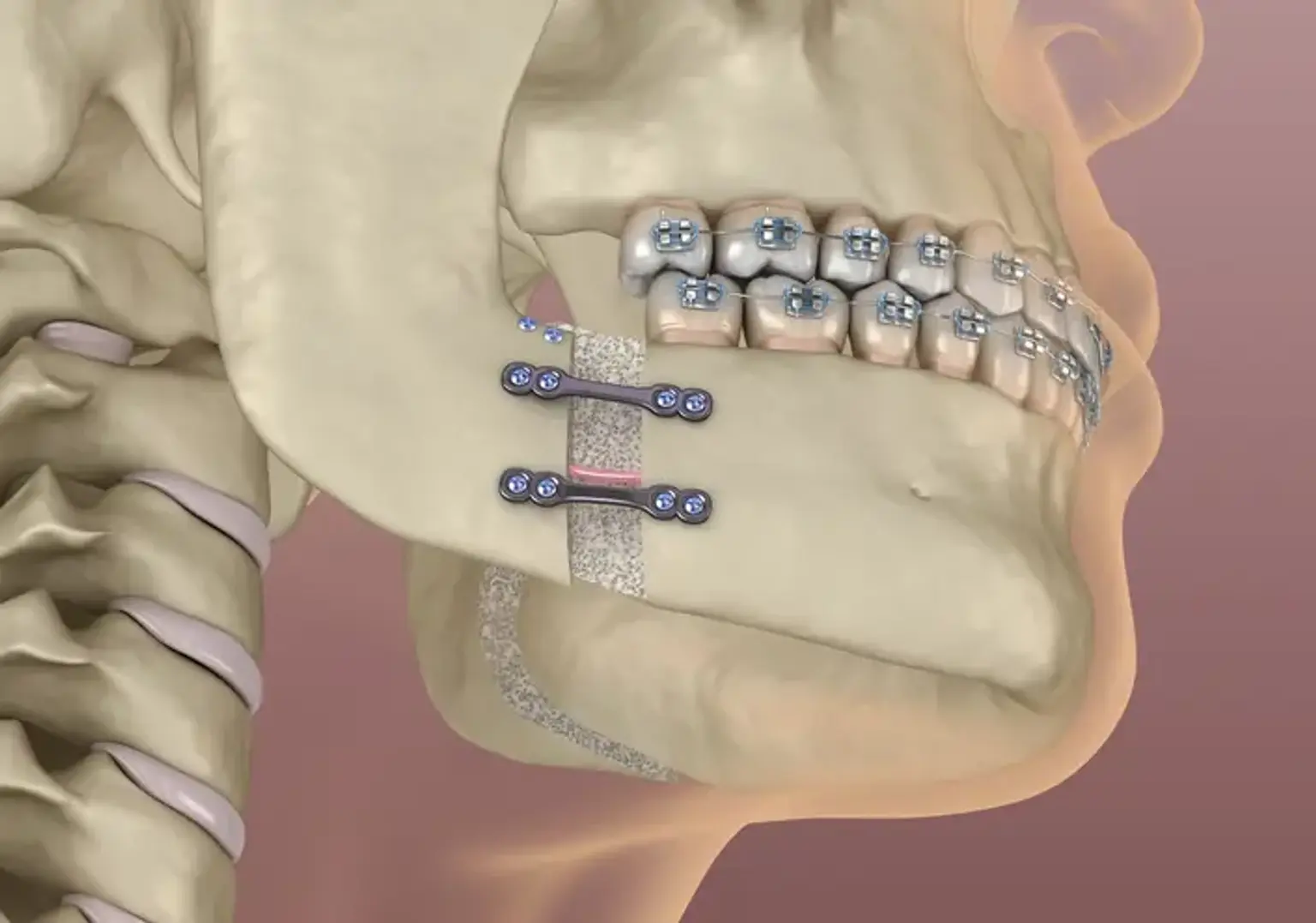
Osteotomy is widely used in orthopedic medicine to treat issues ranging from knee arthritis to congenital limb deformities. Patients often choose this procedure not only for medical reasons but also to improve their quality of life and physical comfort. With advancements in surgical techniques, the procedure has become safer and more effective, making it a popular choice globally.
This surgery is particularly beneficial for patients where less invasive treatments have failed or are not an option. Depending on the condition, osteotomy can target various parts of the body, including the jaw, knees, hips, and even long bones in the arms or legs.
Types of Osteotomy
Osteotomy procedures can be customized based on the bone or joint requiring treatment. The main types include:
Jaw Osteotomy: Performed to correct misaligned jaws or facial asymmetry, improving both function and appearance.
Knee Osteotomy: Often used to treat arthritis by redistributing weight-bearing pressure on the knee joint.
Hip Osteotomy: Reshapes the hip socket to relieve pain and improve joint function, particularly in younger patients.
Limb Lengthening Osteotomy: Involves breaking and gradually lengthening bones to correct significant limb length discrepancies.
Other specialized osteotomies may target smaller joints, such as the ankle or elbow, depending on the patient's needs. Each type has unique benefits tailored to specific conditions, ensuring effective outcomes.
Indications for Bone Reshaping Surgery
Osteotomy is performed for various medical and functional reasons, including:
Congenital Deformities: Correcting bone abnormalities present from birth.
Joint Disorders: Treating misaligned joints or severe arthritis.
Post-Trauma Adjustments: Addressing improper healing after fractures.
Limb Length Differences: Restoring symmetry and balance in cases of uneven limb length.
Patients also undergo osteotomy for cosmetic reasons or to improve their overall mobility. The procedure is particularly effective for addressing issues that cannot be resolved with non-surgical treatments, such as physical therapy or medication.
How Does Osteotomy Surgery Work?
Osteotomy surgery involves carefully planned steps to ensure precision and safety.
Pre-Surgery Imaging: X-rays, CT scans, or MRIs are used to map the area and plan the bone cuts.
Anesthesia: General anesthesia is administered to keep the patient pain-free and unconscious during the procedure.
Bone Realignment: Surgeons make precise cuts in the bone using specialized tools, then reposition the bone to the desired alignment.
Stabilization: Screws, plates, or rods are used to secure the bone in place as it heals.
This process can vary slightly depending on the type of osteotomy being performed, but the goal remains consistent: improving alignment, function, and reducing pain.
Benefits of Bone Reshaping Surgery
Osteotomy offers a range of benefits for patients suffering from bone deformities, joint issues, or post-traumatic conditions. Some of the key advantages include:
Pain Relief: By realigning bones and joints, osteotomy can significantly reduce chronic pain, particularly in conditions like osteoarthritis.
Improved Mobility: Restoring proper alignment can enhance joint function, allowing patients to move more freely and comfortably.
Better Joint Function: Osteotomy redistributes weight and pressure on the joints, improving their long-term health and functionality.
Aesthetic and Cosmetic Improvement: For facial or limb lengthening osteotomy, the procedure can lead to improved appearance, enhancing both self-esteem and quality of life.
These benefits make osteotomy a life-changing option for many patients, offering both functional and emotional improvements.
Risks and Complications of Osteotomy Surgery
While osteotomy can be highly effective, like all surgeries, it carries some risks and potential complications. These may include:
Infection: Surgical sites can become infected, requiring prompt treatment with antibiotics or additional procedures.
Blood Clots: Blood clots are a risk after any major surgery, and blood-thinning medications or movement therapy are used to reduce this risk.
Nerve Damage: Nerves near the surgical site may be affected, leading to numbness or tingling, although this is usually temporary.
Non-Union or Misalignment: In some cases, bones may fail to heal correctly or may become misaligned, requiring further surgical intervention.
It’s crucial for patients to be informed about these risks and discuss them with their surgeon before proceeding with the surgery.
Preparation for Osteotomy Surgery
Proper preparation for osteotomy surgery is essential for a smooth procedure and recovery. Key steps include:
Pre-Surgical Assessments: Doctors will conduct physical exams and imaging tests (X-rays, MRIs) to ensure the procedure is necessary and suitable.
Consultation with the Surgeon: A thorough discussion about the risks, benefits, and expectations of the surgery will help patients make informed decisions.
Anesthesia Consultation: An anesthesiologist will evaluate the patient’s health to determine the best anesthesia approach.
Home Preparation: Since recovery often involves restricted movement, it's important to prepare the home for post-surgery care, such as arranging assistance for daily tasks.
This preparation ensures that the patient is physically and mentally ready for the surgery, which can improve outcomes and reduce post-surgical complications.
What to Expect During Osteotomy Surgery
The surgery itself is typically completed in a few hours, depending on the complexity of the procedure. Here’s what to expect:
Surgical Team: The team will usually consist of an orthopedic surgeon, anesthesiologist, and nurses.
Anesthesia: General anesthesia ensures the patient remains unconscious and pain-free during the procedure.
Incision and Bone Realignment: The surgeon will make an incision near the affected area, carefully realigning the bone using advanced surgical tools.
Stabilization: After realignment, the bones are secured with screws, plates, or rods to facilitate proper healing.
Once the procedure is complete, patients are moved to a recovery area for monitoring before being transferred to their hospital room. Recovery can take several hours, and patients are often kept overnight for observation.
Recovery Timeline for Osteotomy Surgery
The recovery process after osteotomy surgery can vary based on the type of osteotomy and the patient's overall health. However, a general timeline includes:
Immediate Recovery: Patients typically spend 1–2 days in the hospital to monitor for complications such as infection or blood clots. Pain management is a key focus during this time.
First Few Weeks: Most patients use crutches or a brace to limit weight-bearing on the affected area. This period involves rest and gradual mobility exercises to prevent stiffness.
1–3 Months: As the bone begins to heal, patients can usually start physical therapy to regain strength and mobility. The bone may still be healing, so the patient must avoid strenuous activities.
6 Months to 1 Year: Full recovery can take up to a year, depending on the type of osteotomy. Patients should follow their surgeon's guidelines for weight-bearing and exercise to ensure optimal healing.
Patience is key during recovery, as bones heal gradually. Following a structured rehab plan can significantly speed up the return to normal activities.
Pain Management and Post-Operative Care
Managing pain and discomfort after osteotomy surgery is critical for a successful recovery. Pain can be managed through:
Medications: Pain relievers such as opioids may be prescribed initially, followed by over-the-counter painkillers like acetaminophen or ibuprofen as recovery progresses.
Ice and Compression: Applying ice to the surgical site can reduce swelling and discomfort, while compression garments help manage swelling and improve circulation.
Elevation: Elevating the affected limb above heart level can help reduce swelling and ease pain.
Post-operative care also involves keeping the incision site clean and monitoring for any signs of infection, such as redness, swelling, or fever. Patients are advised to follow all care instructions provided by their surgical team.
Rehabilitation after Osteotomy Surgery
Rehabilitation is a vital part of osteotomy recovery. A customized physical therapy program helps restore mobility and strength. Key components include:
Physical Therapy: Therapy typically begins in the early stages of recovery, focusing on gentle exercises that promote flexibility and strengthen surrounding muscles.
Gradual Weight-Bearing: Depending on the surgery, weight-bearing exercises are introduced slowly to ensure the bone heals correctly.
Mobility Aids: Crutches or walkers are often necessary during the initial recovery phase to reduce stress on the affected joint.
Rehabilitation helps improve functional outcomes, ensuring patients can return to daily activities like walking, working, and driving.
Success Rates and Outcomes
Osteotomy generally has a high success rate, especially when performed by an experienced orthopedic surgeon. Success is measured by:
Pain Reduction: Many patients experience significant relief from chronic pain, especially in cases of joint osteotomy for conditions like arthritis.
Improved Functionality: Osteotomy can restore joint function, leading to better mobility and an improved quality of life.
Long-Term Benefits: Studies show that osteotomy can delay the need for joint replacement surgery by several years, making it an effective long-term solution for many patients.
While the success of osteotomy largely depends on factors like the patient’s health and adherence to recovery protocols, most patients see significant improvements in their condition.
Potential Limitations and Long-Term Considerations
While osteotomy offers great benefits, there are some limitations and long-term considerations to keep in mind:
Age and Healing Capacity: Older patients may experience slower healing times and increased risk of complications compared to younger individuals.
Need for Future Surgery: In some cases, osteotomy is a temporary solution that may not fully prevent the need for joint replacement surgery later in life, particularly in severe cases of arthritis.
Post-Surgical Health: Patients who undergo osteotomy for arthritis or joint deformities may still need to manage their condition long-term through lifestyle changes, medication, or follow-up procedures.
Despite these factors, osteotomy remains a highly effective procedure, particularly for patients who want to delay more invasive surgeries like joint replacement. Regular follow-up appointments with the surgeon are essential for monitoring the condition and ensuring continued improvement.
Cost of Bone Reshaping Surgery
The cost of osteotomy surgery can vary widely depending on the location, type of osteotomy, and healthcare facility. Key cost factors include:
Surgical Fees: This includes the cost of the orthopedic surgeon’s expertise, as well as any assistants or specialists involved.
Hospital or Facility Fees: Charges for using the surgical facility, including operating room time, anesthesia, and recovery care.
Post-Operative Care: Follow-up appointments, physical therapy, and any medications or supplies needed during recovery.
In many cases, insurance may cover the cost of osteotomy if it's deemed medically necessary, though coverage varies by provider and policy. Patients should check with their insurance companies to confirm coverage details and inquire about out-of-pocket costs.
Safety Protocols and Guidelines
Ensuring safety during and after osteotomy surgery is paramount. Key safety measures include:
Sterility: All surgical equipment and the operating environment are maintained in strict sterile conditions to prevent infections.
Qualified Surgeons: Choosing a highly trained orthopedic surgeon with experience in osteotomy is critical to the success of the procedure.
Anesthesia Safety: Anesthesia is administered by a board-certified anesthesiologist who will monitor the patient’s vital signs throughout the procedure.
Post-Surgical Monitoring: Patients are carefully monitored during their recovery period, with protocols in place to detect and address complications like blood clots or infections early.
By adhering to these safety protocols, the likelihood of complications can be minimized, ensuring a smoother surgery and recovery process.
Post-Surgery Lifestyle Adjustments
After osteotomy surgery, certain lifestyle adjustments may be necessary to aid recovery and promote healing. These adjustments include:
Diet and Nutrition: A balanced diet rich in vitamins and minerals, especially calcium and vitamin D, supports bone healing. Patients should focus on foods that enhance immune function and reduce inflammation.
Activity Modifications: Patients will need to avoid heavy lifting, running, or high-impact activities for a period after surgery to prevent strain on the healing bone.
Mental Health Support: The recovery process can be long and sometimes frustrating. Emotional support from friends, family, or counselors can help patients stay positive and motivated during this time.
Adopting these changes helps the body recover more efficiently and reduces the risk of complications during the healing process. Patients should stay in close contact with their healthcare team for guidance on the best approach to post-surgery living.
Alternatives to Bone Reshaping Surgery
While osteotomy can be highly effective, there are several alternative treatments that may be considered depending on the patient's condition. Some of these options include:
Physical Therapy: Often used to strengthen muscles around joints and improve mobility, physical therapy can sometimes reduce the need for surgery.
Medications: Pain relievers and anti-inflammatory drugs are commonly prescribed to manage symptoms of conditions like arthritis.
Joint Injections: Corticosteroid or hyaluronic acid injections can provide temporary relief for joint pain and inflammation.
Joint Replacement Surgery: For severe joint damage, joint replacement may be considered, particularly in older patients or those with advanced arthritis.
Choosing between osteotomy and these alternatives depends on the severity of the condition, the patient’s age, and their long-term health goals. Consulting with an orthopedic surgeon is essential to determine the best treatment approach.
Global Popularity of Osteotomy
Osteotomy surgery is practiced worldwide, with its popularity growing due to the advancements in surgical techniques and patient outcomes. Some factors contributing to its global appeal include:
Improved Surgical Technology: Enhanced imaging, minimally invasive methods, and better surgical tools make osteotomy safer and more effective.
Rising Incidence of Joint Disorders: As populations age, the prevalence of joint-related conditions such as osteoarthritis increases, leading more patients to seek surgical solutions like osteotomy.
Cosmetic and Functional Demand: In addition to its medical benefits, osteotomy is sought for cosmetic reasons (e.g., jaw reshaping or limb lengthening), making it popular among patients looking to improve both appearance and function.
Countries with advanced healthcare systems, such as the United States, Germany, Japan, and South Korea, have seen significant growth in osteotomy procedures. The increasing availability of skilled surgeons and advanced medical technology has also contributed to its rise globally.
Emotional Impact of Osteotomy
Undergoing osteotomy surgery can have significant emotional and psychological effects. The prospect of surgery, recovery, and possible lifestyle changes can be daunting, but the long-term benefits often outweigh the initial challenges.
Self-Esteem Boost: For patients undergoing osteotomy for cosmetic reasons, such as jaw or limb reshaping, the results can greatly enhance their self-confidence and body image.
Relief from Chronic Pain: Many patients find that the surgery brings relief from chronic pain, improving their overall mental well-being and quality of life.
Psychological Support: Support from mental health professionals, along with family and friends, can help patients cope with the emotional stresses of recovery.
For many, osteotomy offers not just physical healing, but also an emotional boost as it helps them regain a sense of normalcy and freedom in their lives.
Conclusion
Osteotomy is a highly effective and versatile procedure that offers relief to patients with a range of conditions, from joint misalignments to congenital bone deformities. Whether for medical reasons or cosmetic improvements, the surgery can significantly enhance a patient's mobility, reduce pain, and improve quality of life.
With advancements in technology and a growing understanding of bone healing, osteotomy has become a safer, more reliable treatment option worldwide. Though the recovery process requires patience and care, the outcomes often make the effort well worth it.
It’s essential for patients to work closely with their orthopedic surgeons to ensure they are well-prepared for surgery, have realistic expectations, and follow recovery protocols for the best possible results. With the right preparation and support, osteotomy can be a life-changing procedure, helping patients return to a more active and fulfilling lifestyle.