Understanding Bone Sarcoma
Bone sarcoma is a rare form of cancer that originates in the bones, affecting both children and adults. It can develop in any bone in the body, though it most commonly affects the long bones, such as the arms and legs. There are several types of bone sarcomas, with the most common being:
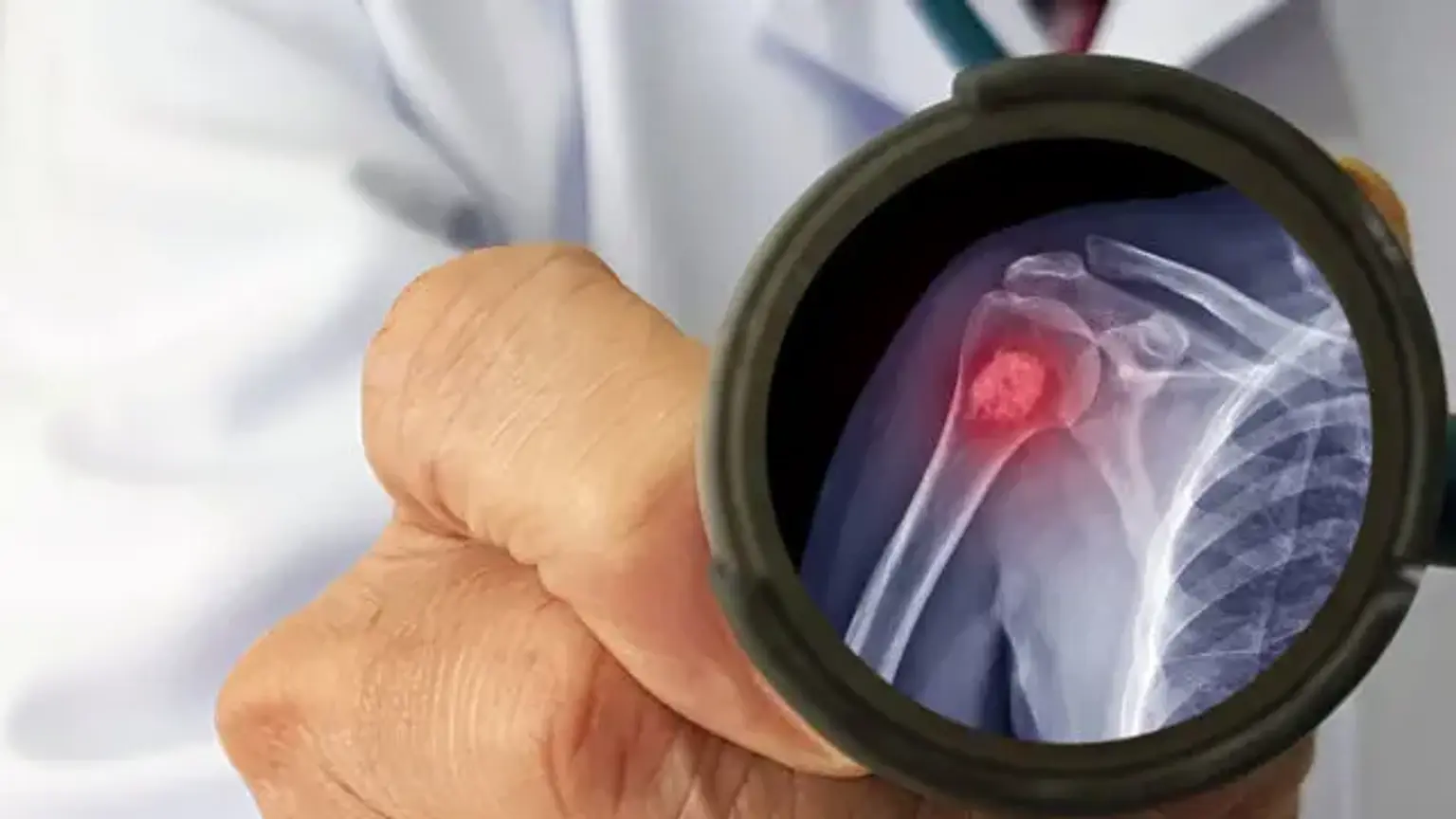
Osteosarcoma: The most prevalent type, typically occurring in the arms, legs, or pelvis.
Chondrosarcoma: Arises in cartilage and can be found in various bones.
Ewing Sarcoma: More common in children and adolescents, it often affects the pelvis, legs, and ribs.
While the exact cause of bone sarcoma remains unclear, genetics and certain pre-existing conditions can increase the risk. Early diagnosis and treatment are crucial for a favorable outcome, as these tumors can grow rapidly.
The Role of Nutrition During Bone Sarcoma Treatment
Nutrition plays a vital role in supporting bone sarcoma patients throughout their treatment. A balanced diet helps maintain strength, support the immune system, and manage treatment side effects. Key points include:
Protein: Important for tissue repair and immune function, especially after surgery.
Vitamins and Minerals: Nutrients like Vitamin D and calcium support bone health, while antioxidants help combat treatment side effects.
Hydration: Proper fluid intake helps with chemotherapy side effects like nausea and fatigue.
Nutritionists may work with patients to create personalized meal plans, ensuring they get the necessary nutrients without exacerbating symptoms like nausea or loss of appetite.
The Importance of Physical Rehabilitation
Physical rehabilitation is essential for bone sarcoma patients after surgery or chemotherapy, especially if a limb is affected. Key aspects of rehabilitation include:
Strengthening: Exercises to rebuild muscle mass and improve strength, particularly after limb-sparing surgery or amputation.
Mobility: Techniques to restore movement and prevent stiffness in affected areas.
Pain Management: Addressing post-treatment pain through physical therapy, stretching, and joint care.
Rehabilitation aids in quicker recovery, reduces the risk of complications, and improves the patient’s quality of life, allowing them to regain independence.
Diagnosis of Bone Sarcoma
Diagnosing bone sarcoma involves a multi-step process. If bone sarcoma is suspected, the following diagnostic tools are typically used:
Medical Imaging: X-rays, MRI scans, and CT scans are essential in identifying the location, size, and extent of the tumor. These scans help in determining whether the tumor has spread.
Biopsy: A biopsy, often conducted via a needle, is the definitive way to confirm the presence of cancer. Tissue samples are examined to identify whether the cells are cancerous.
Genetic Testing: In certain cases, genetic testing may be done to identify mutations or hereditary conditions that could contribute to sarcoma development.
Once diagnosed, the cancer’s stage and grade are determined, which helps guide the treatment plan. Bone sarcoma is typically staged on a scale of 1 to 4, with higher numbers indicating more advanced disease.
Long-Term Monitoring and Follow-Up Care
After treatment for bone sarcoma, long-term monitoring is crucial to ensure the cancer does not return. Regular follow-up appointments typically include:
Imaging Tests: X-rays, MRIs, or CT scans are used to check for recurrence or new tumors.
Blood Tests: Regular blood tests help monitor markers that could indicate cancer recurrence.
Physical Exams: Doctors will examine the patient for signs of recurrence, including pain or swelling.
Follow-up care often continues for several years after treatment, as bone sarcomas can sometimes return even years later. These visits provide peace of mind and ensure any potential issues are addressed early.
Advances in Bone Sarcoma Diagnosis
Recent advancements have improved the accuracy and speed of bone sarcoma diagnosis. Some key developments include:
Advanced Imaging: Techniques like functional MRI and PET scans allow for more precise tumor mapping, aiding in better treatment planning.
Genetic Profiling: Genetic testing helps identify mutations linked to sarcoma, enabling personalized treatment strategies. Researchers are also investigating the potential of gene therapies.
Biopsy Techniques: Innovations in biopsy methods, including minimally invasive needle biopsies, reduce recovery time and improve diagnostic accuracy.
These innovations ensure that patients are diagnosed earlier and with more precision, leading to more tailored treatment options.
Treatment Challenges and Considerations
Treating bone sarcoma comes with significant challenges, both physical and emotional:
Surgical Challenges: In cases where limb-sparing surgery isn't possible, amputation may be necessary. The recovery process can be long and requires rehabilitation to regain mobility.
Chemotherapy Side Effects: While chemotherapy is essential for many patients, it comes with side effects like nausea, hair loss, and immune suppression. Managing these side effects is an ongoing challenge.
Emotional and Psychological Impact: The diagnosis and treatment of bone sarcoma can be overwhelming. Psychological support is crucial, helping patients and families cope with the stress of diagnosis, treatment, and potential long-term effects.
Pain management and supportive care are vital in maintaining quality of life during treatment. A strong support system, including family, friends, and mental health professionals, can make a huge difference in the healing process.
Clinical Trials and Experimental Treatments
Clinical trials offer hope for patients with bone sarcoma, especially those who have not responded to traditional treatments. Clinical trials test new therapies, drugs, or combinations of treatments to:
Test New Drugs: Experimental drugs, including targeted therapies and immunotherapies, are being evaluated for their effectiveness in treating bone sarcoma.
Innovative Treatment Approaches: Trials may also explore alternative treatment methods like gene therapy or more advanced radiation techniques.
Access to Cutting-Edge Care: Patients participating in clinical trials have access to the latest medical advancements, which could offer better outcomes than traditional treatments.
Although clinical trials come with risks, they can be a valuable option for patients seeking new treatments, especially when standard therapies have not been successful.
Bone Sarcoma in Children vs. Adults
Bone sarcoma affects both children and adults, but treatment approaches and outcomes can differ.
In Children: Ewing sarcoma is the most common form of bone cancer, and it generally has a higher success rate when treated early. Pediatric patients often undergo chemotherapy and surgery, sometimes including limb-sparing procedures. However, the long-term effects of chemotherapy, such as growth issues or organ damage, can pose challenges for young patients.
In Adults: Osteosarcoma and chondrosarcoma are more common in adults. While adults may face a slightly lower survival rate than children, advancements in treatment and early detection have improved outcomes. Older patients may also have additional health concerns, making treatments more complex.
Understanding these differences ensures that treatment plans are tailored to each age group for the best possible outcome.
Pain Management for Bone Sarcoma Patients
Managing pain during bone sarcoma treatment is essential to improving a patient’s quality of life. Common pain management strategies include:
Medications: Pain relievers, such as opioids, nonsteroidal anti-inflammatory drugs (NSAIDs), and neuropathic pain medications, are used based on the severity of pain.
Physical Therapy: Post-surgical physical therapy helps patients regain strength and mobility, reducing pain caused by stiffness.
Alternative Therapies: Techniques like acupuncture, massage, and mindfulness-based stress reduction (MBSR) can also complement traditional pain management strategies.
Psychological Support: Chronic pain often leads to emotional distress, so counseling or therapy is recommended to help patients cope.
A multidisciplinary approach, combining medical treatment and emotional support, ensures that pain is managed effectively throughout treatment.
Early Symptoms of Bone Sarcoma
Bone sarcoma presents with several symptoms that are important to recognize early. The most common signs include:
Persistent Bone Pain: Often worsens over time and does not respond to typical pain medications.
Swelling: A noticeable lump may form near the tumor site.
Limited Mobility: Pain or stiffness can restrict movement, particularly in the limbs.
Fractures: In some cases, a bone may fracture without significant injury due to weakened bone tissue.
While these symptoms may initially seem benign, they can indicate a more serious condition, making early medical attention essential for accurate diagnosis and timely treatment.
Bone Sarcoma Recurrence and Metastasis
Unfortunately, bone sarcoma has a risk of recurrence, especially if it’s diagnosed at a later stage. Here’s how recurrence and metastasis are managed:
Recurrence: If the cancer returns, it may occur at the same site or in other parts of the body. Additional surgeries, chemotherapy, and radiation therapy are often required to manage recurrence.
Metastasis: Bone sarcoma can spread to other organs, especially the lungs. This is most common with osteosarcoma and Ewing sarcoma. When metastasis occurs, treatment may focus on controlling the spread, using systemic chemotherapy, targeted therapies, or immunotherapy.
Ongoing monitoring, including regular imaging and blood tests, is critical to detect any signs of recurrence or metastasis early.
Support for Bone Sarcoma Patients
Support is a vital part of a bone sarcoma patient’s journey. Here’s how patients and their families can find help:
Support Groups: Connecting with others who have undergone similar experiences can provide emotional comfort and practical advice. Support groups offer a sense of community and understanding during difficult times.
Advocacy Organizations: Several organizations provide resources, funding, and information for patients, including the American Cancer Society and Sarcoma Foundation of America. These groups can help with everything from treatment options to financial assistance.
Family and Psychological Support: Having a strong support network of family, friends, and counselors can help patients navigate the emotional and physical challenges of treatment. Therapy, both individual and family-based, can provide coping strategies for the stress and trauma of a sarcoma diagnosis.
Support not only aids in physical recovery but is essential for mental well-being throughout the treatment and healing process.
Treatment Options for Bone Sarcoma
The treatment for bone sarcoma varies depending on the tumor’s type, size, location, and stage. A multidisciplinary approach is usually employed, and the main treatment options include:
Surgery: The first line of treatment for most bone sarcomas. The goal is to remove the tumor while preserving as much bone and tissue as possible. In some cases, limb-sparing surgery is performed to avoid amputation.
Chemotherapy: Often used in combination with surgery, chemotherapy is highly effective in treating osteosarcoma and Ewing sarcoma. It helps shrink tumors before surgery and eliminates any remaining cancer cells post-surgery. However, chemotherapy comes with side effects such as nausea, fatigue, and hair loss.
Radiation Therapy: This treatment uses high-energy rays to kill cancer cells. It is typically reserved for cases where surgery isn’t an option or to shrink tumors before surgery.
Targeted Therapy: For certain sarcomas, targeted therapies that focus on specific cancer cell mutations are being explored. These treatments are still in clinical trials but offer hope for more effective treatments with fewer side effects.
Each treatment plan is customized to the individual’s needs, taking into account their general health, tumor type, and location.
Bone Sarcoma in Special Populations
Certain groups of people may face unique challenges when it comes to bone sarcoma diagnosis and treatment:
Pregnant Women: Treating bone sarcoma during pregnancy requires special considerations. Chemotherapy and radiation treatments may pose risks to the fetus, so doctors may work to delay treatment until after the pregnancy or opt for less invasive therapies.
Older Adults: For elderly patients, the presence of other health conditions may make treatments like surgery or chemotherapy more challenging. A careful assessment is necessary to ensure that the benefits of treatment outweigh the risks.
Patients with Genetic Syndromes: Some genetic conditions, such as Li-Fraumeni syndrome or Paget's disease, can increase the risk of developing bone sarcoma. These patients may require extra screening or modified treatment plans.
Tailoring treatment based on age, overall health, and genetic factors ensures the most effective care for each individual.
Bone Sarcoma and Quality of Life
A bone sarcoma diagnosis can significantly affect a patient's quality of life, but several factors can help maintain or even improve it during and after treatment:
Physical Rehabilitation: After surgery or treatment, physical therapy helps patients regain strength, flexibility, and mobility, ensuring a quicker return to daily activities.
Emotional Well-being: Coping with the emotional impact of a cancer diagnosis is just as important as physical recovery. Support groups, counseling, and stress-reduction techniques can improve overall mental health.
Diet and Nutrition: A balanced diet supports the body’s ability to heal, and nutritionists may work with patients to develop eating plans that bolster strength and immunity during treatment.
Adaptations for Mobility: Prosthetics or assistive devices may be necessary for patients who require limb amputation. These devices can greatly improve mobility and help restore independence.
By addressing both physical and psychological aspects, patients can regain a sense of control and well-being during their recovery.
Global Awareness and Research on Bone Sarcoma
Despite its rarity, awareness of bone sarcoma is crucial for early diagnosis and better outcomes. Researchers and medical professionals around the world are working tirelessly to advance understanding and treatment options. Key efforts include:
Global Research Initiatives: International collaborations between cancer research organizations are focusing on discovering more effective treatments for bone sarcoma, including new chemotherapy drugs, immunotherapies, and targeted treatments.
Awareness Campaigns: Public campaigns aim to increase awareness of rare cancers like bone sarcoma, encouraging people to recognize the signs early and seek timely medical care.
Advocacy for Funding: Non-profit organizations and foundations are pushing for more funding for research on bone sarcoma to improve treatment options and patient outcomes.
The collective effort to improve early detection, treatment, and patient care will continue to have a positive impact on survival rates and quality of life for bone sarcoma patients worldwide.
Prognosis and Survival Rates for Bone Sarcoma
The prognosis for bone sarcoma largely depends on factors such as the type of sarcoma, tumor location, size, and whether it has spread. Early diagnosis significantly improves the chances of successful treatment. In general:
Osteosarcoma: With early treatment, the survival rate can be up to 70%, but this drops if the cancer has spread to other parts of the body.
Ewing Sarcoma: The survival rate for Ewing sarcoma is around 60-70% with appropriate treatment, though it is higher in cases that are localized.
Chondrosarcoma: This sarcoma tends to have a better prognosis than other bone cancers, especially if caught early and treated surgically.
Factors such as age, overall health, and response to treatment play a significant role in survival. Continuous monitoring and follow-up care are essential to detect any recurrence of the disease.
Living with Bone Sarcoma Survivorship
Surviving bone sarcoma brings new challenges and considerations for long-term health:
Psychosocial Health: Survivors may experience anxiety or depression, especially if they are dealing with permanent physical changes or fear of recurrence.
Ongoing Monitoring: Regular follow-ups, including imaging and blood tests, ensure that any recurrence or long-term effects are caught early.
Lifestyle Adjustments: Survivors may need to adapt their lifestyle to maintain physical health and emotional well-being, such as adjusting to mobility aids or incorporating stress-management techniques into daily life.
Survivorship care focuses on maintaining overall well-being and managing the long-term effects of treatment while celebrating recovery.
The Future of Bone Sarcoma Treatment
The future of bone sarcoma treatment holds promise with the advent of new technologies and therapies:
Immunotherapy: Targeting cancer cells with the body's immune system is an exciting area of research that could provide more effective treatments with fewer side effects.
Gene Therapy: Research into gene editing techniques like CRISPR could offer potential for targeting specific mutations in cancer cells.
Personalized Medicine: With advancements in genetic testing, treatments are becoming more tailored to individual patients, improving outcomes.
These emerging therapies and personalized treatment options represent a hopeful future for patients diagnosed with bone sarcoma.
Conclusion
Bone sarcoma remains a complex and challenging cancer to diagnose and treat, but advancements in medical research and treatment strategies continue to improve outcomes for patients worldwide. Early detection, tailored treatment plans, and continuous support through rehabilitation and psychological care are vital to enhancing survival rates and quality of life.
From innovative imaging technologies to the development of targeted therapies, the future of bone sarcoma treatment looks promising. The global research community's commitment to understanding this rare disease holds the potential for breakthroughs that could revolutionize care and offer new hope to those affected.
For patients and families facing a bone sarcoma diagnosis, it's important to remember that there are many support systems, including medical teams, advocacy groups, and fellow survivors, to help guide the journey. With the right treatment and support, recovery and long-term survival are achievable, and the resilience of those affected by this disease continues to inspire progress in the field.