Introduction
Breast enhancement surgery is one of the most popular cosmetic procedures worldwide. It’s designed to improve the size, shape, and symmetry of the breasts, enhancing both appearance and self-confidence. Whether done through implants or fat transfer, the surgery can offer a variety of benefits, from fuller breasts to a more youthful contour.
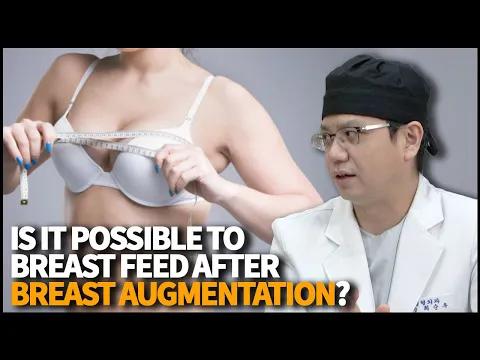
Breast enhancement, also called breast augmentation, typically involves the placement of breast implants or the use of fat transfer to achieve the desired volume. It's common for women to seek this surgery to address concerns like small breasts, post-pregnancy volume loss, or breast asymmetry.
Types of Breast Enhancement Procedures
There are several approaches to breast enhancement surgery, each offering unique benefits:
Breast Augmentation (Implants): The most common method, involving the insertion of silicone or saline implants to increase breast size. Silicone implants tend to feel more natural, while saline implants are slightly firmer but safer in case of rupture.
Fat Transfer Breast Augmentation: A more natural approach where fat is taken from other areas of the body (like the thighs or abdomen) and transferred to the breasts. This method provides a more subtle result and avoids implants, but it’s typically used for smaller enhancements.
Breast Lift (Mastopexy): While not an augmentation, a breast lift reshapes and lifts sagging breasts without adding volume. It’s a great option for women whose breasts have lost firmness due to aging or after childbirth.
These procedures can sometimes be combined for patients seeking both volume and lift. Understanding each method’s pros and cons is essential for selecting the best option for your body and goals.
How Breast Enhancement Surgery Works
Breast enhancement surgery generally takes 1 to 2 hours, depending on the procedure. The steps involved can vary based on the chosen method:
Breast Implants: Implants are typically placed under the breast tissue or beneath the chest muscle, depending on factors like the patient’s anatomy and desired results. Incisions are made either in the breast fold, around the areola, or in the armpit.
Fat Transfer: For fat transfer, liposuction is used to remove fat from areas like the abdomen, thighs, or flanks. The fat is then purified and injected into the breasts to create a natural-looking enhancement.
While both options are effective, the final decision often depends on the patient’s body type, the amount of volume needed, and personal preference.
Benefits of Breast Enhancement Surgery
Breast enhancement surgery offers numerous benefits, both physically and emotionally:
Physical Appearance: It can create fuller, more symmetrical breasts that enhance the body’s proportions, leading to a more balanced figure. For those with asymmetrical breasts, surgery can make a huge difference in appearance.
Emotional Boost: Many women report significant improvements in self-esteem and body confidence after breast enhancement surgery. For those who have felt self-conscious about their breast size or shape, the procedure can be life-changing.
Restored Youthful Shape: For women who have experienced breast sagging after pregnancy or weight loss, a lift or augmentation restores the youthful contour they desire. This can significantly improve their quality of life and comfort.
While the decision to undergo surgery is personal, the positive changes often go beyond just aesthetics, helping many women feel more confident in their own skin.
Common Reasons for Seeking Breast Enhancement
Women seek breast enhancement surgery for a variety of reasons, each personal and unique. Common motivations include:
Desire for Larger Breasts: Many women feel that larger breasts would enhance their body proportions, making them feel more confident and attractive.
Post-Pregnancy Changes: Pregnancy and breastfeeding often lead to volume loss and sagging in the breasts. Breast enhancement can restore a fuller, youthful appearance.
Breast Asymmetry: It’s not uncommon for women to have breasts that are slightly different in size or shape. Breast augmentation can correct this imbalance.
Mastectomy Reconstruction: For women who have undergone breast removal due to cancer, breast enhancement surgery is often part of reconstructive surgery to restore natural breast appearance.
Breast enhancement surgery offers a solution to many of these concerns, helping women feel more comfortable with their bodies and improving their overall self-esteem.
Determining the Best Candidate for Breast Enhancement
Not everyone is an ideal candidate for breast enhancement surgery. Here are some factors to consider:
Age and Health: Most surgeons recommend that patients be at least 18 years old for saline implants and 22 for silicone implants. Overall health is crucial; conditions like uncontrolled diabetes or heart disease may complicate surgery.
Realistic Expectations: It’s essential that candidates have realistic expectations about what surgery can achieve. Those seeking a significant change in their body image or hoping to correct unrealistic beauty standards may need additional counseling.
Body Type: Your body type and breast tissue density will influence the type of surgery that’s best for you. A surgeon will evaluate your anatomy to suggest the most suitable procedure.
A thorough consultation with a board-certified surgeon can help you determine whether you are a good candidate for breast enhancement surgery.
What to Expect During a Breast Enhancement Consultation
A consultation is the first step in preparing for breast enhancement surgery. Here’s what typically happens:
Discussion of Goals: You’ll explain what you want from the surgery—whether it’s increased size, symmetry, or a breast lift. It’s important to be clear about your expectations.
Physical Evaluation: The surgeon will assess your breast size, shape, skin elasticity, and overall health to recommend the best surgical options.
Choosing Implants: If you're opting for implants, the surgeon will discuss the types of implants (silicone vs. saline), sizes, and shapes that best align with your goals.
Risks and Benefits: The surgeon will explain the risks of surgery, such as infection, scarring, and changes in breast sensitivity, and discuss the benefits, like improved self-image and appearance.
Pre-Surgery Tests: Depending on your age and medical history, you may be asked to undergo a mammogram, blood tests, or other diagnostic tests.
A detailed consultation ensures that you are fully informed about the procedure, the expected results, and potential risks.
Risks and Complications of Breast Enhancement Surgery
Like any surgery, breast enhancement comes with some risks. Being aware of these risks can help you make an informed decision:
Infection and Scarring: Although rare, infections can occur, and scarring is inevitable. Surgeons minimize scarring by making small incisions in discreet areas, but some scarring is unavoidable.
Capsular Contracture: This is a condition where the scar tissue around the implant tightens, potentially causing discomfort or a misshaped breast. In some cases, this may require a follow-up surgery to correct.
Implant Rupture or Leakage: Though modern implants are durable, ruptures can happen, particularly in cases of trauma. Silicone implants, for example, may leak silently, and saline implants deflate when punctured.
Anesthesia Risks: As with any surgery, there are risks associated with anesthesia, including allergic reactions or complications related to pre-existing health conditions.
While these risks exist, choosing a skilled, board-certified surgeon significantly reduces the likelihood of complications. It’s also important to follow pre- and post-operative instructions to ensure a smooth recovery.
Recovery After Breast Enhancement Surgery
Recovery from breast enhancement surgery typically takes a few weeks, though full healing can take several months. Here’s what to expect:
First Few Days: Most patients experience some pain, swelling, and bruising, which is normal. Your surgeon will prescribe pain medication to help manage discomfort. Bandages or a supportive bra will be worn to aid in healing.
Week 1-2: During the first two weeks, rest is essential. You’ll be advised to avoid strenuous activities and heavy lifting. It’s normal to feel fatigued as your body heals.
Week 3-6: Swelling begins to subside, and patients usually feel more comfortable. You can start light activities, but still avoid anything that strains the chest muscles, like exercise.
Full Recovery (3-6 Months): It can take up to six months for the final results to settle, as the implants or fat grafts adjust into place. Patients may continue to experience minor tenderness and changes in breast sensitivity during this period.
Following post-operative care instructions is crucial to a smooth recovery and long-term success.
Long-Term Maintenance of Breast Enhancement Results
Breast enhancement results are long-lasting, but they require some maintenance:
Implant Longevity: While implants can last many years, they are not lifetime devices. On average, implants last between 10-15 years, after which they may need replacement due to wear or rupture.
Routine Checkups: Regular check-ups with your surgeon are important to monitor your implants’ condition, especially if you have silicone implants. Mammograms and other imaging tests may be required to ensure the implants are intact.
Lifestyle Factors: Maintaining a healthy lifestyle—avoiding significant weight fluctuations and staying active—can help preserve the shape and longevity of your breasts. Smoking can negatively affect healing and implant integrity, so quitting is highly recommended.
With proper care, most patients enjoy their enhanced results for many years, feeling more confident in their appearance.
Costs of Breast Enhancement Surgery
The cost of breast enhancement surgery can vary widely based on several factors:
Surgical Fees: The experience and reputation of the surgeon significantly affect the price. More experienced surgeons may charge higher fees, but their expertise often leads to better results.
Implants: The type of implants (silicone vs. saline) can also influence the price. Silicone implants tend to be more expensive than saline implants due to their more natural look and feel.
Location: The cost of the procedure can also differ depending on the geographic area. For instance, surgeries in major cities tend to cost more than in smaller towns or regions with a lower cost of living.
Additional Costs: Don’t forget to factor in costs for anesthesia, post-operative garments, and follow-up consultations.
On average, the total cost for breast augmentation in the U.S. ranges from $4,000 to $12,000. Many clinics offer financing options to help manage costs, making surgery more accessible.
Safety Protocols and Qualified Practitioners
The safety of breast enhancement surgery depends heavily on the qualifications of the surgeon and the quality of the surgical facility. Here’s what to look for:
Board-Certified Surgeons: Always choose a board-certified plastic surgeon who specializes in breast surgery. Board certification ensures that the surgeon has met rigorous standards for education, training, and experience.
Accredited Facilities: Make sure the surgery takes place in an accredited surgical center or hospital. This ensures that the facility meets strict safety standards for cleanliness, equipment, and patient care.
Experience and Reputation: Ask for before-and-after photos, read patient reviews, and verify the surgeon’s experience in breast enhancement specifically. A reputable surgeon will be transparent about their results and willing to answer all your questions.
Choosing a skilled and experienced surgeon minimizes the risk of complications and ensures a higher likelihood of achieving your desired results.
Breast Enhancement Surgery and Self-Confidence
One of the most significant benefits of breast enhancement surgery is its positive impact on self-confidence. For many women, enhancing the shape or size of their breasts can help them feel more comfortable in their skin, which has a profound effect on their emotional well-being.
Improved Body Image: For women who have felt self-conscious about their breast size or shape, surgery can provide a new sense of confidence. Whether it's enhancing their figure after pregnancy or correcting asymmetry, many patients report feeling more satisfied with their appearance.
Psychological Benefits: Studies show that cosmetic surgery can have a positive effect on mental health, improving self-esteem and reducing anxiety. The ability to wear clothes confidently, participate in activities without feeling self-conscious, and feel more feminine can enhance overall life satisfaction.
Quality of Life: Beyond aesthetics, breast enhancement can improve a woman's quality of life. Patients often report feeling more comfortable in social situations and develop a renewed sense of pride in their appearance.
While breast enhancement surgery is not a solution to underlying emotional issues, it can significantly improve how a person feels about themselves, leading to a more fulfilling life.
Global Popularity of Breast Enhancement Surgery
Breast enhancement surgery has grown in popularity across the globe. It’s widely performed in countries such as the United States, Brazil, South Korea, and Mexico. Its increasing acceptance is driven by several factors:
Cultural Influence: In many cultures, an enhanced breast size is often associated with femininity, beauty, and sensuality. This societal perception has made breast augmentation a desirable option for many women seeking to align with these beauty standards.
Medical Advancements: Technological innovations in implants, surgical techniques, and anesthesia have made breast enhancement safer and more effective. As a result, the procedure has become more accessible to women worldwide.
Affordability and Accessibility: The cost of breast enhancement surgery has decreased in some countries, making it more affordable for women in different income brackets. Additionally, medical tourism has made it easier for women to access top-quality care at more competitive prices abroad.
With its growing popularity, breast enhancement surgery is now a common option for women who want to enhance their appearance and boost self-confidence, regardless of their location.
Addressing Common Myths About Breast Enhancement Surgery
Despite its popularity, breast enhancement surgery is still surrounded by myths and misconceptions. Addressing these misconceptions can help patients make informed decisions:
Myth: Breast Implants Look Fake
Reality: Modern breast implants are designed to look and feel natural. With advancements in implant materials and surgical techniques, most implants mimic the natural shape and feel of real breasts.Myth: Breast Augmentation Is Extremely Painful
Reality: While some discomfort is normal, most patients report that the pain after surgery is manageable with prescribed medications. Swelling and bruising typically subside within a few weeks.Myth: Breast Implants Are Dangerous and Require Frequent Replacements
Reality: Implants are safe when placed by a qualified surgeon, and many implants last 10-15 years before needing replacement. Regular check-ups can help detect any issues early, reducing the risk of complications.Myth: You Can't Breastfeed After Surgery
Reality: Many women can successfully breastfeed after breast enhancement surgery, particularly when the implant is placed beneath the muscle. It's important to discuss breastfeeding plans with your surgeon before surgery to ensure the best approach.
Debunking these myths helps women make more confident choices and approach the surgery with accurate information.
Frequently Asked Questions (FAQs) About Breast Enhancement Surgery
Here are answers to some of the most common questions about breast enhancement surgery:
Q: How long does the surgery take?
A: The procedure usually takes 1 to 2 hours, depending on the type of surgery. Recovery time is longer, and patients typically take 1-2 weeks off from work.Q: Can I return to work after surgery?
A: Most women can return to work within a week, but it’s essential to avoid heavy lifting and strenuous activities for at least 2-4 weeks.Q: Will I experience any scarring?
A: Yes, there will be some scarring, but it’s usually minimal and well-hidden in natural folds, such as under the breast or around the areola. Over time, scars fade and become less noticeable.Q: Can I choose the size of my implants?
A: Yes, you can discuss your desired breast size with your surgeon. Your surgeon will help you choose a size that complements your body and achieves the look you want.Q: Is the procedure safe?
A: When performed by a board-certified plastic surgeon in an accredited facility, breast enhancement surgery is safe. As with any surgery, there are risks, but complications are rare and can usually be managed effectively.
Having the right information helps potential patients understand the procedure and feel more at ease about their decision to undergo surgery.
Emotional Preparation for Breast Enhancement Surgery
Preparing emotionally for breast enhancement surgery is as important as physical preparation. Understanding what to expect can help ease anxiety and set realistic expectations:
Be Prepared for Change: While the surgery can enhance your appearance, it's important to accept that it’s not a fix-all solution. It’s a cosmetic procedure designed to boost confidence, not alter your life entirely.
Expect Adjustment Time: The healing process takes time, both physically and emotionally. Some women may feel vulnerable as they recover, while others experience a sense of excitement and empowerment.
Mental Support: It’s important to have support from friends, family, or a therapist. Having someone to talk to can make the process smoother, especially when dealing with post-surgery emotions.
Understanding these emotional aspects can help ensure you’re mentally prepared for the journey.
Breast Enhancement Surgery for Different Age Groups
Breast enhancement surgery can benefit women of various ages, but the motivations and considerations may differ:
Younger Women (18-30): Younger women often seek breast enhancement for aesthetic reasons, such as correcting breast asymmetry or enhancing body proportions. They’re usually looking for more volume or a fuller appearance.
Midlife Women (30-50): Women in this age group may opt for breast enhancement after pregnancy or weight loss, where the breasts have lost volume or shape. Some may choose a breast lift in combination with implants.
Older Women (50+): For older women, breast enhancement can restore a youthful appearance after sagging or volume loss. Health considerations are crucial, but the surgery can be life-changing when performed safely.
No matter the age, it’s important to discuss expectations, health status, and risks with a qualified surgeon to ensure the best results.
Alternatives to Breast Enhancement Surgery
While breast enhancement surgery is popular, there are alternatives that some women might prefer:
Non-Surgical Treatments: Some women may opt for non-surgical options like injectable dermal fillers or fat transfer (lipofilling), which adds volume without implants. These options are temporary and require periodic maintenance.
Bra Padding and Push-Up Bras: A non-invasive, temporary solution, bras can enhance the breast shape and volume, but they don't offer permanent results.
Hormonal Therapy: Some women choose hormone therapy to increase breast size naturally, although it’s less reliable and can have side effects.
For women hesitant about surgery, discussing alternatives with a doctor can help them make an informed choice.
Conclusion
Breast enhancement surgery offers significant benefits for women seeking improved body image, confidence, and a more youthful appearance. The procedure has become safer and more accessible, thanks to advancements in surgical techniques and implant technology.
However, like any surgery, it requires careful consideration and consultation with a qualified, board-certified plastic surgeon. By understanding the process, risks, and emotional impact, you can make a well-informed decision that aligns with your personal goals.
Breast enhancement surgery is ultimately about empowering women to feel more comfortable in their bodies, enhance their self-esteem, and embrace their appearance with confidence.