Understanding Carpal Tunnel Syndrome
What is Carpal Tunnel Syndrome?
Carpal Tunnel Syndrome is a condition that arises when the median nerve, which controls sensations in the thumb, index, middle, and part of the ring finger, becomes compressed or irritated as it passes through the carpal tunnel. The carpal tunnel is a small, rigid space in the wrist formed by the bones of the wrist and a ligament that runs across it. The median nerve, along with tendons that allow finger movement, passes through this tunnel.
When the space within the tunnel becomes narrowed or the tissues surrounding the tendons become inflamed, pressure on the median nerve increases, leading to the characteristic symptoms of CTS.
Symptoms of Carpal Tunnel Syndrome
The symptoms of Carpal Tunnel Syndrome often develop gradually and can vary from mild to severe. Common symptoms include:
Tingling or "pins and needles": This sensation often occurs in the thumb, index, middle, and part of the ring fingers. It may be worse at night or after activities that involve repetitive hand motions.
Numbness: A feeling of numbness in the fingers, making it difficult to hold objects or perform fine motor tasks like typing or writing.
Weakness: As the condition progresses, the muscles at the base of the thumb may weaken, making it harder to grip objects.
Pain: Pain may radiate from the wrist to the forearm and shoulder, often worsening with activities like typing or using tools.
If left untreated, these symptoms can become more frequent and intense, affecting daily activities and overall quality of life.
Risk Factors for Carpal Tunnel Syndrome
Several factors can increase the risk of developing Carpal Tunnel Syndrome. Some of these include:
Repetitive hand movements: Jobs or hobbies that involve repeated hand or wrist motions—such as typing, assembly line work, or playing musical instruments—can contribute to CTS.
Pregnancy: Hormonal changes during pregnancy can cause fluid retention, which may put additional pressure on the carpal tunnel, leading to CTS.
Obesity: Extra weight can increase pressure on the median nerve and exacerbate symptoms.
Health conditions: Certain conditions, such as diabetes, rheumatoid arthritis, and thyroid disorders, can increase the risk of nerve damage and contribute to CTS.
Genetics: Some people may have a naturally smaller carpal tunnel, making them more susceptible to nerve compression.
Diagnosis of Carpal Tunnel Syndrome
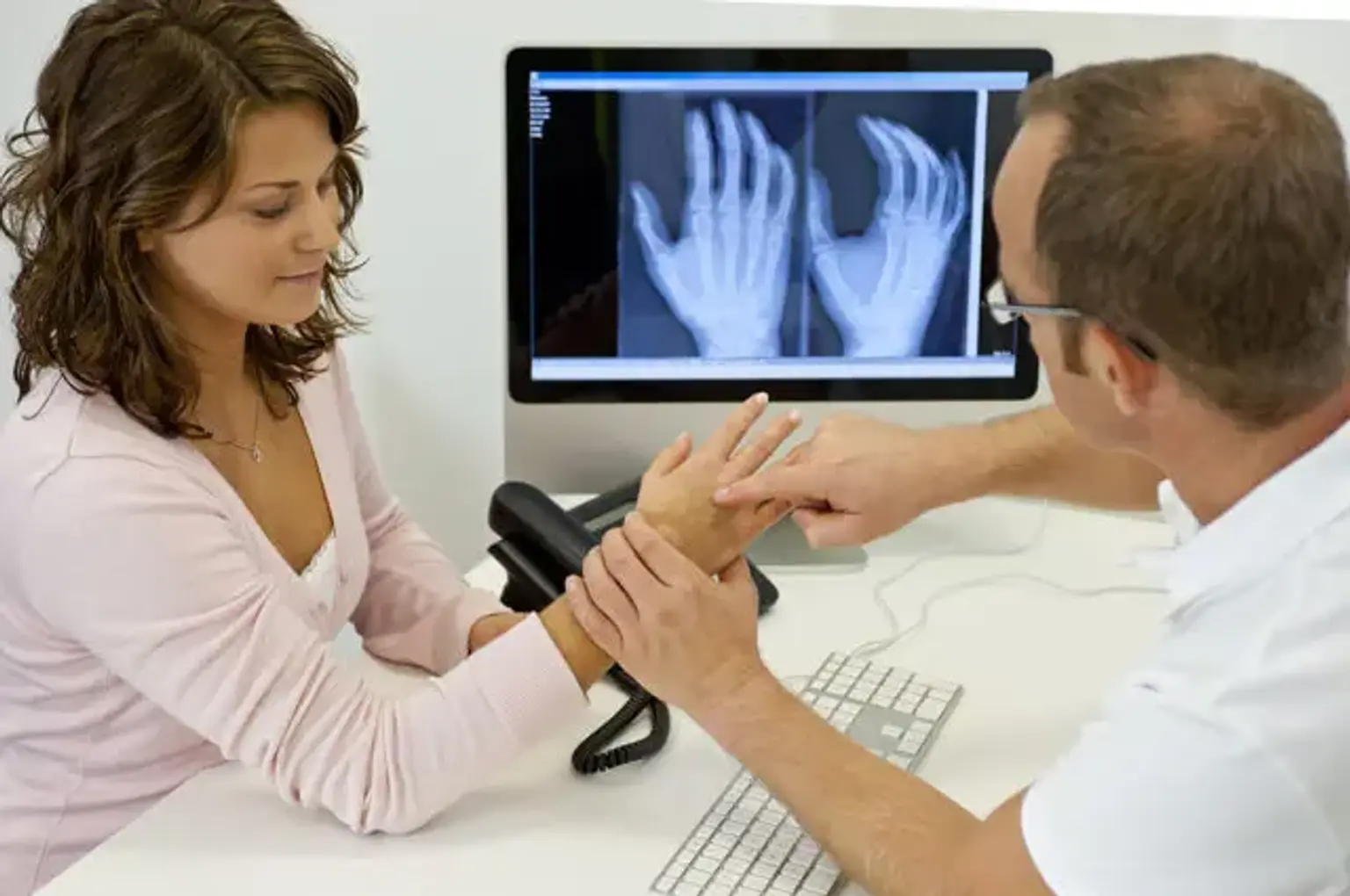
Diagnosing Carpal Tunnel Syndrome requires a thorough evaluation by a healthcare professional. Typically, this process includes a physical exam, a discussion of the patient’s symptoms and medical history, and sometimes specialized tests to confirm the diagnosis.
Physical Examination
A physical examination is the first step in diagnosing Carpal Tunnel Syndrome. The doctor will perform a series of tests to assess the function of the wrist and hand. Common diagnostic tests include:
Tinel’s Sign: The doctor taps gently on the median nerve at the wrist. A tingling sensation or pain in the fingers is a positive result, indicating nerve irritation or compression.
Phalen’s Maneuver: The patient is asked to flex their wrists by pressing the backs of their hands together for about one minute. If this results in tingling or numbness in the fingers, it suggests CTS.
These tests help to identify abnormal responses that suggest Carpal Tunnel Syndrome, but they are not always conclusive.
Electromyography (EMG) and Nerve Conduction Studies
If a physical examination suggests CTS, the doctor may recommend further tests to confirm the diagnosis and evaluate the severity of the condition. One of the most common tests is electromyography (EMG), which measures the electrical activity of muscles. A needle electrode is inserted into the muscles to detect abnormal electrical activity that indicates nerve damage.
In combination with EMG, nerve conduction studies (NCS) are often performed to measure how quickly electrical impulses travel through the median nerve. Slower conduction speeds can indicate nerve compression or damage.
Imaging Tests
In some cases, an ultrasound or MRI (magnetic resonance imaging) may be used to assess the carpal tunnel's structure. These imaging tests can help rule out other conditions, such as a tendon injury or a tumor, that might cause similar symptoms to CTS.
Differentiating Carpal Tunnel Syndrome from Other Conditions
Carpal Tunnel Syndrome shares symptoms with several other conditions, including:
Arthritis: Joint pain or stiffness can mimic CTS symptoms.
Cubital Tunnel Syndrome: Compression of the ulnar nerve at the elbow can cause similar tingling and numbness in the hand.
Thoracic Outlet Syndrome: This condition involves compression of nerves in the neck and shoulder, which can also lead to hand and wrist symptoms.
Peripheral Neuropathy: Nerve damage due to conditions like diabetes can cause tingling and numbness in the hands and feet.
It’s important for healthcare professionals to differentiate CTS from these other conditions to ensure proper treatment.
Non-Surgical Treatment Options
Non-surgical treatments are often the first line of defense in managing Carpal Tunnel Syndrome, especially in the early stages. These methods aim to reduce pressure on the median nerve, relieve symptoms, and prevent further damage.
Wrist Splints
One of the most common treatments for CTS is wearing a wrist splint or brace, particularly at night. Splints help to keep the wrist in a neutral position, reducing pressure on the median nerve while preventing further compression. Wearing a splint during sleep is especially helpful since many people unknowingly bend their wrists during the night, worsening the symptoms.
Physical Therapy
Physical therapy is an essential part of managing Carpal Tunnel Syndrome. Specific exercises and stretches can help strengthen the muscles around the wrist, improve flexibility, and reduce pressure on the nerve. A physical therapist can guide patients through a program that includes:
Stretching exercises: To improve wrist flexibility and reduce tightness.
Strengthening exercises: To build strength in the wrist and hand muscles.
Nerve gliding exercises: To help the median nerve move more freely through the carpal tunnel.
These exercises are often very effective in managing mild to moderate CTS, and they can prevent the condition from worsening.
Anti-inflammatory Medications
Non-steroidal anti-inflammatory drugs (NSAIDs), such as ibuprofen or naproxen, can help reduce inflammation and relieve pain associated with CTS. In more severe cases, prescription-strength medications may be recommended.
Corticosteroid Injections
For more significant inflammation, a corticosteroid injection may be given directly into the carpal tunnel. Steroids can reduce swelling and relieve pain, providing temporary relief from CTS symptoms. While this treatment is not a permanent solution, it can be particularly helpful for patients who are not yet ready for surgery or those who have not responded to other treatments.
Ergonomic and Lifestyle Changes
Making changes to how one works can greatly reduce the strain on the wrist. Ergonomic adjustments to workstations—such as proper chair height, wrist support, and keyboard placement—can prevent further aggravation of CTS. Taking regular breaks and stretching during repetitive tasks can also help minimize the risk of developing CTS.
When Surgery Becomes Necessary
For many people with Carpal Tunnel Syndrome (CTS), non-surgical treatments are effective in managing symptoms. However, in some cases, when conservative methods fail or if the symptoms are severe and cause significant functional impairment, surgery may be recommended. Surgery aims to relieve pressure on the median nerve by widening the carpal tunnel.
Carpal Tunnel Release Surgery
The most common surgical treatment for CTS is Carpal Tunnel Release Surgery. This procedure involves cutting the transverse carpal ligament, which forms the top of the carpal tunnel, to enlarge the tunnel and reduce pressure on the median nerve. By creating more space in the carpal tunnel, the nerve is less compressed, alleviating the symptoms of tingling, numbness, and weakness in the hand.
The surgery can be performed using either an open or endoscopic approach. The open method involves a larger incision, while the endoscopic method uses a smaller incision and a camera to guide the surgeon’s tools. The choice between the two methods depends on the surgeon’s preference, the severity of the condition, and the patient’s overall health.
Open vs. Endoscopic Surgery
Open Carpal Tunnel Release: This traditional method requires a small incision at the base of the palm. The surgeon directly cuts the carpal ligament, which decompresses the median nerve. While this method allows for a clear view of the anatomy, it also typically requires a longer recovery time.
Endoscopic Carpal Tunnel Release: This minimally invasive technique uses a small camera (endoscope) inserted through a tiny incision. The surgeon cuts the ligament under direct video guidance. The benefits of this method include smaller incisions, reduced pain, and a faster recovery period. However, it is technically more challenging and may not be suitable for all cases.
Both methods are effective at treating CTS, and success rates are high. However, the choice of approach should be discussed thoroughly with a healthcare provider.
Effectiveness of Surgery
Carpal Tunnel Release surgery is highly effective, with up to 90% of patients reporting significant improvement in symptoms after the procedure. Many patients experience relief from pain and numbness within a few weeks, although full recovery may take several months. However, while surgery can alleviate the compression on the median nerve, it does not address the underlying causes of CTS, such as repetitive stress, which means patients may need to adopt lifestyle changes to prevent recurrence.
Risks of Surgery
While surgery is generally safe, like any medical procedure, it carries some risks, including:
Infection: As with any surgery, there is a risk of infection at the incision site.
Nerve damage: Though rare, there’s a possibility of accidental injury to nearby nerves during the procedure.
Scarring: Surgical scars can form, though this is usually minimal with the endoscopic approach.
Incomplete relief: In some cases, surgery may not fully resolve symptoms, especially if CTS is caused by other underlying health conditions.
Patients should discuss the potential risks and benefits with their surgeon to make an informed decision.
Recovery and Post-Surgical Care
Following Carpal Tunnel Release surgery, patients will need time to heal, and proper post-surgical care is essential to achieving the best possible results. While surgery offers a long-term solution for CTS, the recovery process varies depending on the surgical approach and the individual’s overall health.
Initial Recovery
Immediately after the surgery, patients may experience some discomfort, swelling, and stiffness in the wrist. The doctor will typically recommend ice packs and pain medication to manage these symptoms. For those who have had endoscopic surgery, the recovery period is generally shorter, with less swelling and bruising compared to the open method.
Patients will need to wear a wrist brace or splint for a few days to protect the wrist and allow it to heal. The brace will also help to maintain proper wrist position to prevent strain on the surgical site. Patients should follow their surgeon's instructions closely during this initial phase to promote healing and prevent complications.
Rehabilitation and Physical Therapy
Once the initial swelling has gone down, rehabilitation plays a key role in recovery. Physical therapy (PT) is often recommended to strengthen the wrist muscles, restore flexibility, and improve overall function. PT can begin within a few weeks of surgery, depending on the surgeon’s advice.
Common PT exercises include:
Stretching exercises: To gently stretch the tendons and muscles in the wrist and forearm.
Strengthening exercises: To improve muscle strength and prevent weakness in the hand and wrist.
Nerve gliding exercises: To help improve the mobility of the median nerve and prevent stiffness.
Physical therapy is crucial for restoring full function and reducing the risk of re-injury.
Long-Term Outcomes
Most patients experience a significant reduction in CTS symptoms after surgery. The majority report improvements in hand strength, reduced numbness, and relief from pain. However, it’s important to note that full recovery can take anywhere from 2 to 12 weeks, depending on the surgery type and individual healing.
After surgery, patients are generally able to return to normal activities, but they may need to avoid heavy lifting and repetitive hand movements for several months to prevent re-aggravating the condition.
Expected Recovery Time
Recovery time can vary based on several factors, including the patient’s overall health, the extent of CTS, and the type of surgery performed. However, most patients can expect to return to light activities within 1 to 2 weeks following endoscopic surgery, and within 3 to 4 weeks after open surgery. Full recovery, including resumption of work and physical activities, typically takes around 2 to 3 months.
Preventing Carpal Tunnel Syndrome
While treatment options for Carpal Tunnel Syndrome are highly effective, prevention remains the best strategy. By adopting healthy habits and making a few adjustments in daily activities, you can reduce the risk of developing CTS or prevent the condition from worsening.
Workplace Prevention Strategies
For people who work at desks or perform repetitive hand movements, ergonomic adjustments to the workspace can help minimize the strain on the wrists. Some strategies include:
Adjusting chair height and desk positioning: Ensure that your wrists are in a neutral position (not bent up or down) while typing or using a mouse.
Keyboard and mouse positioning: Keep the keyboard and mouse at a height where your forearms are parallel to the floor, and use an ergonomic keyboard or mouse to reduce stress on the wrists.
Taking breaks: Regular breaks throughout the day to stretch and change positions can reduce the risk of developing CTS. Stand up, stretch, and shake out your hands every 30 minutes.
Proper Hand and Wrist Posture
Maintaining proper posture and wrist alignment during daily activities is crucial in preventing strain on the median nerve. For instance:
Avoid prolonged flexion or extension of the wrist: Repeated bending or extending the wrist, such as when using a keyboard or lifting heavy objects, increases the risk of CTS.
Use proper lifting techniques: When lifting heavy objects, keep the wrist in a neutral position to avoid unnecessary strain on the carpal tunnel.
Exercise and Stretching
Performing wrist and hand stretches regularly can improve flexibility and strengthen muscles, reducing the risk of injury. Some effective exercises include:
Wrist flexor and extensor stretches: Gently stretch the muscles of the forearm by extending the wrist in different directions.
Wrist curls and extensions: Use light weights or resistance bands to strengthen the wrist and forearm muscles.
Frequently Asked Questions
How long does Carpal Tunnel Syndrome take to heal?
The healing time for Carpal Tunnel Syndrome varies depending on the treatment used. Non-surgical methods like physical therapy and wrist splints may take a few weeks to show significant improvement. Surgery recovery usually takes around 2 to 3 months for full recovery.
Is surgery always necessary for Carpal Tunnel Syndrome?
No, surgery is not always necessary. Many patients experience relief from non-surgical treatments, such as wrist braces, physical therapy, and corticosteroid injections. Surgery is typically recommended only when conservative treatments fail or if the symptoms are severe.
Can pregnancy cause Carpal Tunnel Syndrome?
Yes, pregnancy can contribute to Carpal Tunnel Syndrome due to hormonal changes that lead to fluid retention. This can put pressure on the median nerve, resulting in CTS symptoms. Symptoms often improve after pregnancy.
What are the signs that Carpal Tunnel Syndrome is getting worse?
Signs that CTS is worsening include increased frequency of numbness or tingling, difficulty with daily activities such as typing or holding objects, and persistent pain despite non-surgical treatments. If symptoms worsen, it is important to seek medical advice.
How much does Carpal Tunnel surgery cost?
The cost of Carpal Tunnel Release surgery varies depending on the location, healthcare provider, and whether the surgery is performed in a hospital or outpatient setting. On average, the cost can range from $3,000 to $8,000, though insurance may cover a portion of the cost.
Conclusion
Carpal Tunnel Syndrome (CTS) is a common condition that can significantly impact your quality of life, especially if left untreated. The good news is that there are various treatment options available, ranging from conservative measures such as wrist splints and physical therapy to more advanced interventions like corticosteroid injections and surgery. While non-surgical treatments are effective for many patients, surgery offers a long-term solution for those with more severe or persistent symptoms.
The effectiveness of Carpal Tunnel Release surgery is well-documented, with high success rates in relieving pressure on the median nerve and improving symptoms such as pain, numbness, and weakness in the hand. Although the recovery process can take several weeks to months, most patients experience a significant improvement in hand function and return to their normal activities.
Preventing CTS is equally important, and lifestyle changes, proper ergonomics, and wrist exercises can all play a role in minimizing the risk of developing or worsening the condition. Additionally, understanding the symptoms of CTS and seeking timely treatment can help prevent irreversible nerve damage.
If you're experiencing symptoms of Carpal Tunnel Syndrome, it's essential to consult a healthcare provider who can assess your condition and recommend the most appropriate treatment. With the right care and intervention, CTS can be managed effectively, allowing you to return to a pain-free life and maintain full hand functionality.