Introduction
Cerebral palsy (CP) is a neurological condition that affects movement and muscle coordination, caused by brain damage occurring before or during birth, or in early childhood. It is the most common motor disability in children, affecting an estimated 1 in 323 individuals in the United States. The severity of CP varies widely from person to person, with some individuals experiencing mild symptoms and others requiring extensive support for daily activities.
Early diagnosis and intervention are crucial in managing cerebral palsy and improving outcomes. With advancements in treatment options and rehabilitation strategies, individuals with CP can lead fulfilling lives, achieving greater independence and mobility than ever before. This article explores the various treatment and rehabilitation methods that have proven effective in enhancing the quality of life for individuals with cerebral palsy.
Early Diagnosis and Intervention for Cerebral Palsy
Early diagnosis of cerebral palsy is vital for implementing effective treatment strategies. Most children with CP are diagnosed by the age of two, but early signs can often be observed even earlier. Signs include delayed motor skills, such as difficulty sitting, crawling, or walking, and abnormal muscle tone (either too stiff or too floppy). Parents and caregivers who notice these signs should consult a pediatrician for further evaluation.
The sooner CP is diagnosed, the earlier interventions can begin, which can significantly improve outcomes. Early intervention typically involves therapies like physical, occupational, and speech therapy, aimed at helping the child develop motor skills, coordination, and communication abilities. Early treatments are also designed to address muscle stiffness or spasticity, allowing for better control of movements.
Through early interventions, children with CP can experience improved motor function, enhanced speech and communication, and greater overall independence. While there is no cure for cerebral palsy, early treatments can help individuals with the condition live more independent and fulfilling lives.
Multidisciplinary Approach to Treatment
A successful treatment plan for cerebral palsy requires a multidisciplinary approach, which involves collaboration between healthcare providers from various specialties. Each specialist plays a unique role in addressing the different aspects of cerebral palsy. The goal is to create a comprehensive, individualized rehabilitation plan that targets the specific needs of the patient.
The team typically includes:
Physical Therapists: Help improve mobility, flexibility, and strength through exercises and stretches. They assist in developing motor skills, such as walking, running, and jumping, and work to minimize muscle tightness or spasticity.
Occupational Therapists: Focus on helping individuals with CP gain independence in daily activities, such as dressing, feeding, and personal hygiene. They also address fine motor skills, such as hand-eye coordination and writing.
Speech Therapists: Assist with communication difficulties, whether through improving speech clarity or using augmentative communication devices for those with severe speech impairments. They also work on feeding and swallowing issues.
Neurologists and Pediatricians: Provide medical management and oversee the overall health of the patient. They monitor for complications, such as seizures or scoliosis, and manage any associated medical conditions.
This team-based approach ensures that all aspects of cerebral palsy are addressed, enhancing the patient's physical, emotional, and cognitive well-being. Collaboration among specialists allows for more effective, personalized treatment plans, improving the overall quality of life for individuals with CP.
What is Cerebral Palsy?
Cerebral palsy is a term used to describe a group of disorders that impact muscle movement and coordination. It occurs when the brain is damaged or develops abnormally, typically before, during, or shortly after birth. The damage affects the brain’s ability to control the muscles, leading to motor impairments. While cerebral palsy is a lifelong condition, its effects vary significantly from one individual to another.
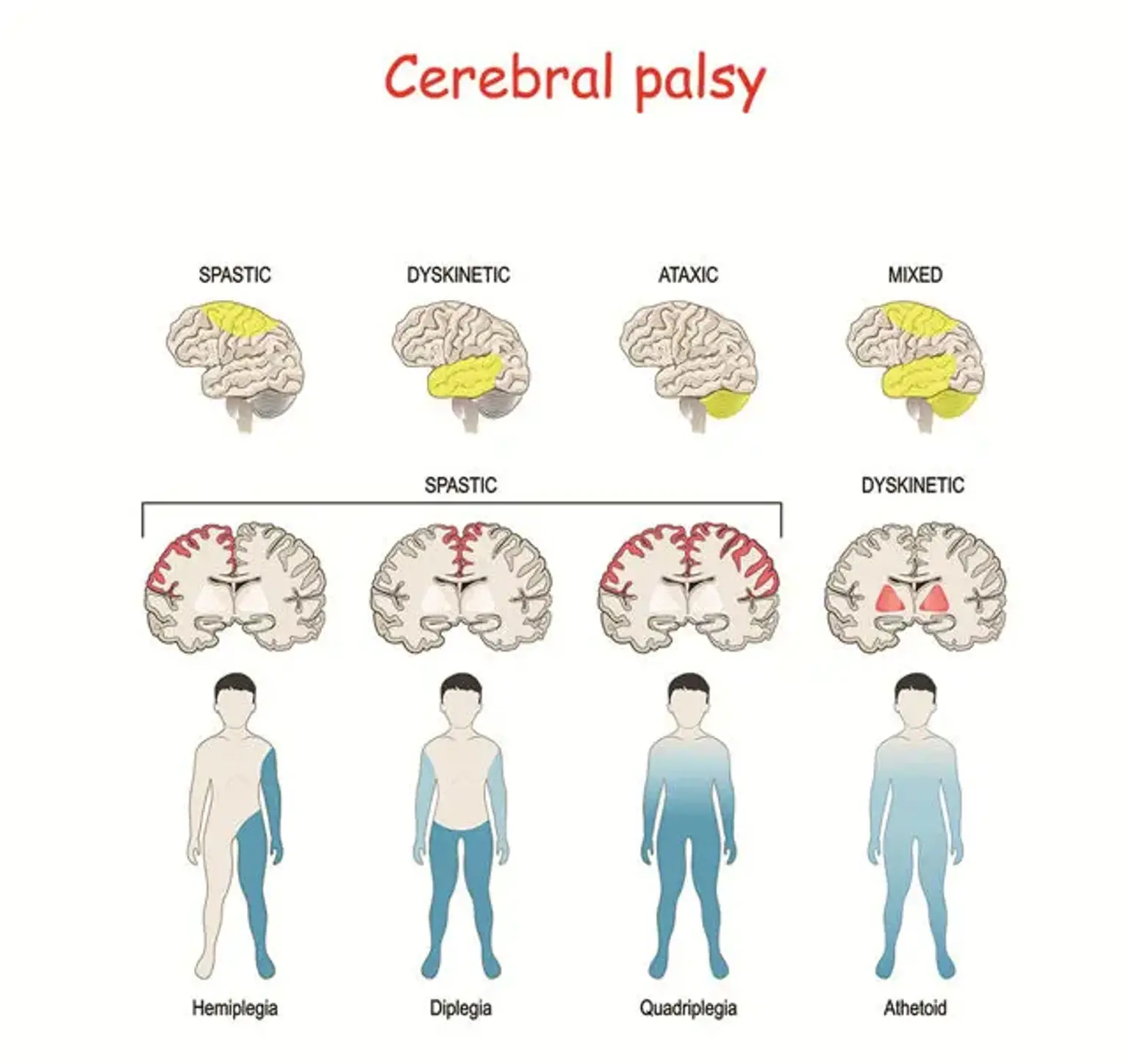
There are four main types of cerebral palsy:
Spastic Cerebral Palsy: The most common form, characterized by stiff and tight muscles that make movement difficult.
Dyskinetic Cerebral Palsy: Involves involuntary movements, such as twisting or writhing.
Ataxic Cerebral Palsy: Affects balance and coordination, making it difficult to walk and perform fine motor tasks.
Mixed Cerebral Palsy: A combination of spastic and dyskinetic symptoms.
The symptoms of cerebral palsy can range from mild to severe. Some individuals may have trouble with fine motor skills, such as writing or buttoning a shirt, while others may face significant challenges with walking or speaking. The condition often coexists with other medical issues, including intellectual disabilities, vision problems, and seizures.
Physical Therapy for Cerebral Palsy
Physical therapy is one of the cornerstones of cerebral palsy treatment, aimed at improving mobility, muscle strength, and coordination. It helps children and adults with CP increase their range of motion, reduce muscle stiffness, and enhance motor skills. Physical therapists use various techniques, including stretching exercises, strengthening activities, and balance training, to help patients move more freely and with less discomfort.
For children with spastic cerebral palsy, physical therapy can reduce muscle tightness and improve posture. For individuals with ataxic or dyskinetic CP, the focus is on improving balance and coordination. Regular therapy sessions can significantly improve mobility and reduce the risk of joint deformities or secondary conditions like scoliosis.
While physical therapy can't cure cerebral palsy, it plays a key role in helping individuals lead more independent lives. As progress is made, physical therapists may modify exercises to match the patient's evolving needs and capabilities.
Speech Therapy for Cerebral Palsy
Speech therapy is vital for individuals with cerebral palsy who experience communication difficulties. Many people with CP struggle with speaking clearly due to motor control issues, while others may have trouble understanding or processing speech. Speech therapists help patients improve their ability to communicate, whether through verbal speech, sign language, or augmentative communication devices.
Therapists also work with CP patients to improve their swallowing and feeding skills, addressing common problems like choking or difficulty chewing. Speech therapy is often integrated with other treatments to provide a comprehensive approach to overall well-being.
For children, early speech therapy can be especially beneficial, helping them to communicate effectively as they grow. Even if verbal communication is challenging, therapy can significantly enhance non-verbal communication skills, enabling greater social interaction and self-expression.
Medical Treatments for Cerebral Palsy
Medical treatments for cerebral palsy are focused on managing symptoms, reducing discomfort, and preventing complications. While there is no cure for CP, several approaches can improve function and quality of life.
Medications: Doctors may prescribe muscle relaxants, like baclofen or diazepam, to help reduce spasticity and ease muscle stiffness. Anti-seizure medications are also common for those with epilepsy, a condition that often accompanies cerebral palsy.
Botox Injections: For spasticity, botulinum toxin (Botox) injections can be used to temporarily relax overactive muscles, making movement easier and reducing pain.
Intrathecal Baclofen Therapy: For more severe cases of spasticity, intrathecal baclofen therapy delivers medication directly to the spinal fluid, providing stronger relief and allowing greater movement.
These treatments work in conjunction with therapy to help patients manage the physical challenges of cerebral palsy. In some cases, medications may need to be adjusted over time to address the changing needs of the individual.
Occupational Therapy and Daily Functioning
Occupational therapy (OT) focuses on helping individuals with cerebral palsy develop skills for daily life. It helps patients with CP learn to perform everyday tasks, such as dressing, eating, and using the bathroom, with more independence. OT professionals work on fine motor skills, like writing or buttoning a shirt, and help improve hand-eye coordination.
Therapists often recommend adaptive equipment, such as special utensils or modified tools, to make tasks easier and safer. Occupational therapy also focuses on improving cognitive and social skills, which can help patients integrate more fully into school or work environments.
For children, OT promotes self-esteem and a sense of accomplishment by helping them master age-appropriate tasks. It can also be critical for improving social interactions, which can positively impact their emotional development.
Surgical Options for Cerebral Palsy
While surgery isn’t always necessary, it can be a crucial part of treatment for individuals with cerebral palsy, particularly for improving mobility or managing severe spasticity. One common procedure is selective dorsal rhizotomy (SDR), a surgery that targets nerve roots in the spine to reduce muscle stiffness and improve movement.
Orthopedic surgeries may also be needed to correct joint deformities or improve alignment, especially in cases of severe spasticity that lead to contractures. These surgeries can help individuals with CP walk more easily or reduce pain associated with abnormal muscle tone.
Surgical interventions are typically considered after other treatments, like therapy or medications, have been exhausted. In most cases, the goal is to improve function and enhance quality of life, but surgery comes with risks and requires careful consideration.
Stem Cell Therapy and Experimental Treatments
In recent years, stem cell therapy has emerged as a promising area of research for cerebral palsy treatment. The idea is that stem cells could potentially help repair or replace damaged brain tissue, improving motor function and overall neurological outcomes. However, stem cell treatments for CP are still in the experimental stages and are not yet widely accepted as standard treatments.
Some clinical trials have shown positive results, with improvements in motor skills and reduced muscle tone. Still, these treatments come with uncertainties, and not all patients will experience the same benefits. Researchers are continuing to study the safety and effectiveness of stem cell therapies, and more evidence is needed before these treatments become a mainstream option.
Assistive Devices for Cerebral Palsy Patients
Assistive devices play a significant role in helping individuals with cerebral palsy lead more independent lives. These devices vary widely depending on the severity of CP and individual needs. Mobility aids, such as wheelchairs, walkers, and canes, are commonly used to assist with movement. In some cases, patients may use braces or orthotic devices to improve walking and posture.
For individuals with speech or communication difficulties, augmentative and alternative communication (AAC) devices, like speech-generating devices or tablets with communication apps, can provide an essential means of expression. Additionally, specialized utensils, adapted keyboards, and tools for everyday tasks help individuals with CP perform daily activities with greater ease.
These devices not only improve mobility and functionality but also enhance quality of life by promoting greater independence and reducing reliance on others.
Therapeutic Equipment and Technology
Advances in therapeutic equipment and technology have revolutionized rehabilitation for cerebral palsy. Innovations such as robotic exoskeletons, functional electrical stimulation devices, and therapy robots are helping individuals with CP regain mobility and independence.
Robotic exoskeletons are wearable devices that help individuals with CP walk and move more naturally by providing support to the lower limbs.
Functional electrical stimulation (FES) devices use electrical impulses to stimulate muscles, improving strength and reducing spasticity.
Therapy robots provide interactive exercises designed to improve motor control, balance, and coordination, particularly in children.
These technologies are particularly useful in intensive rehabilitation settings, allowing for repetitive and targeted exercises that accelerate progress. While still not widely available, therapeutic technology holds great promise in improving outcomes for individuals with cerebral palsy.
Psychosocial Support for Individuals with Cerebral Palsy
Cerebral palsy can have a significant emotional and psychological impact on individuals and their families. The challenges of living with CP may lead to feelings of frustration, anxiety, or depression, especially as children grow older and become more aware of their condition. Psychosocial support is essential to help individuals cope with these emotional hurdles.
Support from counselors, psychologists, or mental health professionals can be beneficial in addressing these issues. Therapy or support groups provide a safe space to express feelings and develop coping strategies. Family counseling can also help parents and siblings understand how to best support the individual with CP.
Social integration and emotional well-being are crucial for the overall health of people with CP. By focusing on both physical and mental health, individuals are better equipped to face the challenges of the condition.
Nutrition and Diet in Cerebral Palsy Management
Proper nutrition plays an important role in managing cerebral palsy, particularly because individuals with CP may have difficulties with swallowing or feeding. Adequate nutrition helps maintain a healthy weight, supports muscle function, and promotes overall well-being.
For individuals with spastic cerebral palsy, maintaining a healthy weight can be challenging due to the increased muscle tone and energy expenditure. A balanced diet with sufficient protein, vitamins, and minerals is essential for muscle repair and growth. Dietitians can create tailored meal plans to address specific needs, such as soft foods or liquid nutrition for those with swallowing difficulties.
In addition, for those with CP who are non-ambulatory, regular monitoring of their nutritional intake is vital to prevent malnutrition or obesity, which can further complicate their condition. Collaboration with healthcare professionals ensures that patients receive the best dietary care.
Support Networks for Families and Caregivers
Caring for someone with cerebral palsy can be physically and emotionally demanding. Therefore, support networks for families and caregivers are essential. These networks include family members, friends, support groups, and healthcare professionals who work together to provide care and emotional support.
Support groups for both individuals with CP and their families offer opportunities to share experiences, learn from others, and gain emotional strength. Many non-profit organizations offer resources and community support to help families navigate the challenges of cerebral palsy.
Respite care programs also provide short-term relief for caregivers, giving them time to rest or attend to other responsibilities. By fostering a sense of community and providing access to support, caregivers can better manage the demands of daily care.
Cost and Accessibility of Cerebral Palsy Treatments
The cost of treatment for cerebral palsy can be significant, as it involves long-term therapy, medical care, and sometimes surgeries or specialized equipment. While some treatments, such as physical therapy and medications, are commonly covered by insurance, many advanced therapies or technologies may not be fully funded.
Therapies, assistive devices, and surgical interventions can become expensive over time, especially for families without adequate insurance or financial resources. In some cases, out-of-pocket expenses may limit access to critical therapies. Families often rely on support from nonprofit organizations or government programs to offset costs.
Access to cerebral palsy treatments varies globally, with some regions offering advanced therapies and medical interventions, while others may have limited resources. Efforts to increase accessibility, such as telemedicine options and nonprofit funding, are helping to bridge these gaps and provide individuals with CP more equitable access to care.
Quality of Life for Individuals with Cerebral Palsy
While cerebral palsy is a lifelong condition, many individuals with CP can lead fulfilling lives, especially when given access to proper treatment, therapies, and support. With early intervention and ongoing care, many people with CP achieve independence in daily tasks, pursue education and careers, and engage in social activities.
The quality of life for individuals with CP often depends on the severity of the condition, the effectiveness of treatment, and the support they receive from family, healthcare providers, and society. Access to community programs, adaptive sports, and recreational activities can help individuals with CP maintain a positive outlook and remain physically active.
Ultimately, living with cerebral palsy is about maximizing potential and providing opportunities for individuals to grow, learn, and engage in life to the fullest. Quality of life improves significantly when families, therapists, and communities work together to provide ongoing care and encouragement.
Advances in Research and Future Outlook
The field of cerebral palsy treatment and rehabilitation has seen significant advancements in recent years. Research into new therapies, medications, and technologies is continually improving, offering hope for better outcomes for individuals with CP. Stem cell therapy, gene therapy, and robotic devices are among the most promising areas of research, potentially offering ways to repair brain damage or enhance motor function.
Additionally, research into early detection and personalized treatment plans has led to better targeting of interventions based on an individual’s specific type of cerebral palsy and their unique needs. Clinical trials and ongoing studies continue to explore innovative treatments that could change the future of cerebral palsy care.
While there is still no cure, the future for individuals with cerebral palsy looks more promising than ever, with the potential for greater independence, mobility, and quality of life.
Global Awareness and Advocacy for Cerebral Palsy
Raising global awareness about cerebral palsy is crucial in improving the lives of those affected by the condition. Advocacy efforts help to raise public understanding of CP, reduce stigma, and encourage governments and healthcare organizations to invest in research and accessible treatment options.
Nonprofit organizations, such as Cerebral Palsy International Research Foundation (CPIRF), work tirelessly to promote advocacy and research, while also providing resources for individuals and families. These organizations also lobby for better access to treatments, therapies, and financial support.
Global advocacy efforts are also focused on improving accessibility and inclusion for individuals with CP, whether in schools, workplaces, or recreational activities. Through awareness campaigns and partnerships, more communities around the world are embracing the need for greater resources and support for people with cerebral palsy.
Conclusion
Cerebral palsy is a lifelong condition that presents unique challenges, but with the right treatments, therapies, and support, individuals can lead fulfilling lives. Advances in medical care, therapy techniques, and assistive technologies continue to improve the quality of life for those with CP, offering hope for greater independence and mobility. Early intervention, psychosocial support, and a strong network of caregivers are essential for managing the condition effectively.
As research evolves, new treatments and therapies offer promising possibilities, giving individuals with cerebral palsy more opportunities to thrive. Advocacy and global awareness play crucial roles in ensuring that people with CP have access to the care and resources they need to reach their full potential. Through resilience, determination, and the support of the community, those living with cerebral palsy can continue to overcome challenges and achieve their dreams.