Introduction
Cesarean delivery, commonly known as a C-section, is a surgical procedure used to deliver a baby through incisions made in the mother’s abdomen and uterus. It is performed when vaginal delivery is not possible or safe for the mother or baby. While C-sections have become more common in recent years, many expectant parents are still uncertain about the procedure, its necessity, and recovery. This article will guide you through the process, risks, benefits, and what to expect after a C-section, helping you make an informed decision about your childbirth plan.
What is Cesarean Delivery?
A cesarean delivery is a type of surgical birth where the baby is delivered through a cut in the mother’s abdomen and uterus rather than through the birth canal. The procedure is usually done under regional anesthesia, such as an epidural or spinal block, allowing the mother to remain awake during the delivery.
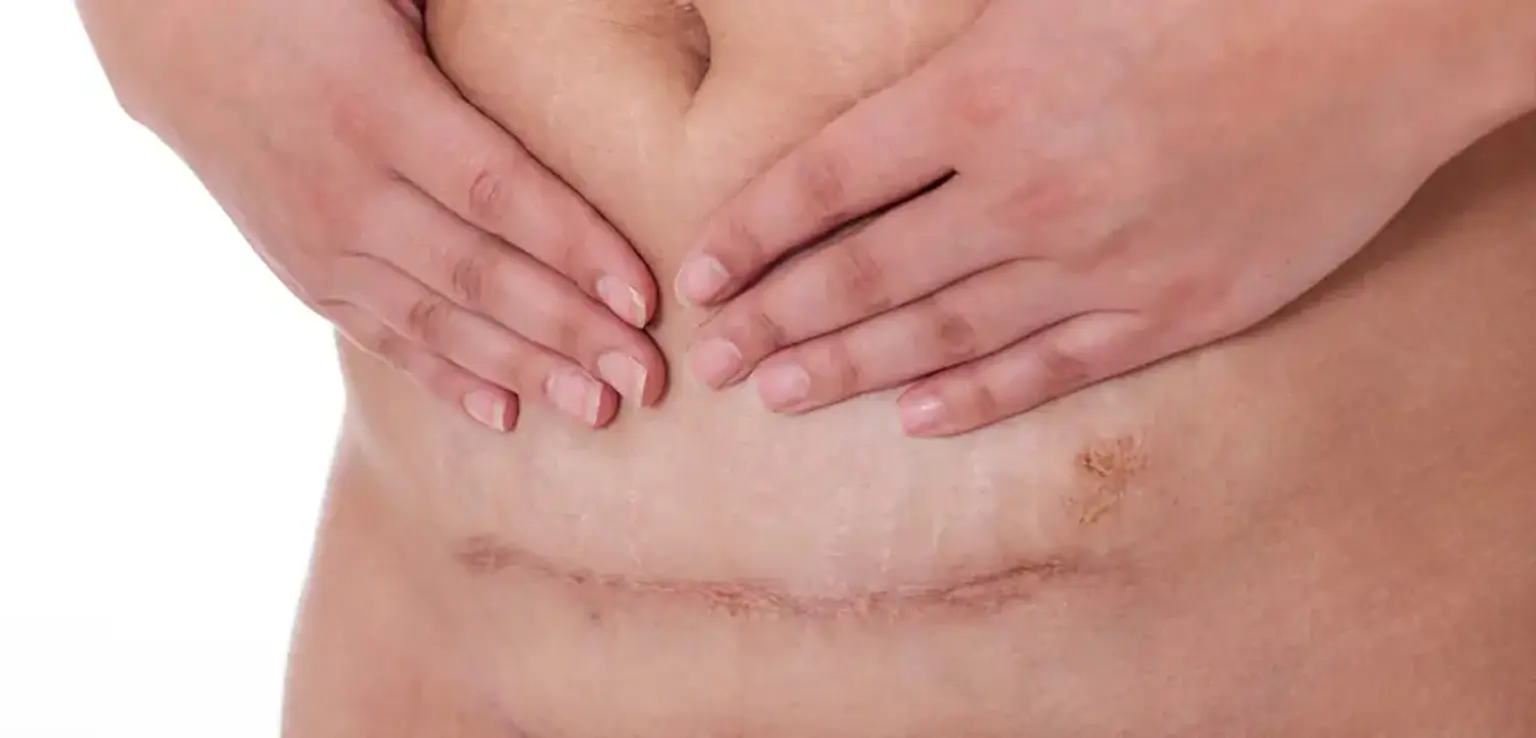
Cesarean sections can be categorized into two types: elective and emergency. Elective C-sections are scheduled ahead of time, usually for medical reasons, while emergency C-sections are performed when unforeseen complications arise during labor that may threaten the health of the mother or baby.
While vaginal birth is often considered the preferred method of delivery, C-sections are essential in many cases to ensure the safety of both mother and baby, especially in high-risk pregnancies.
Why is a Cesarean Section Performed?
A cesarean delivery is typically recommended when there are complications that make vaginal delivery too risky. These can include:
Fetal distress: When the baby’s heart rate drops or the baby shows signs of not getting enough oxygen, a C-section may be necessary.
Breach presentation: If the baby is positioned feet-first or in a way that makes vaginal delivery difficult or dangerous, a C-section is often needed.
Placenta previa: When the placenta is blocking the birth canal, a cesarean section is typically required to avoid heavy bleeding.
Multiple pregnancies: For twins or more, a C-section may be safer, especially if the babies are in abnormal positions.
Maternal health issues: Conditions like gestational diabetes, preeclampsia, or certain infections can make vaginal delivery more dangerous, leading to the need for a cesarean.
While elective C-sections may be chosen for non-medical reasons, such as scheduling convenience or anxiety about vaginal birth, medical reasons for C-sections generally outweigh personal preferences.
The Cesarean Delivery Procedure
The cesarean delivery procedure is typically a quick operation, though it can vary based on the complexity of the situation. The procedure usually follows these basic steps:
Preparation: The mother is given anesthesia, often a regional block (epidural or spinal), so she remains awake but numb from the waist down. A catheter is placed in the bladder, and the surgical area is cleaned and sterilized.
Incision: A horizontal incision is typically made just above the pubic hairline. In some cases, a vertical incision may be necessary, especially if there are complications.
Delivery: The surgeon carefully opens the uterus, allowing the baby to be lifted out. The baby is then handed to the medical team for immediate care, and the cord is cut.
Closure: After the baby is delivered, the surgeon removes the placenta and stitches up the uterus and abdominal incision. The incision is typically closed with sutures or staples, which may be removed after a few days.
Though it may sound intense, the C-section procedure is generally safe for both mother and baby, with proper care and preparation. The time in the operating room is usually 45 minutes to an hour, depending on the complexity of the surgery.
Risks and Complications of Cesarean Delivery
Like any surgical procedure, cesarean delivery carries certain risks. Though rare, complications can arise both during the procedure and in the recovery period. For the mother, potential risks include:
Infection: At the incision site or in the uterus.
Excessive bleeding: Sometimes, C-sections can result in more blood loss than a vaginal birth.
Blood clots: These can form in the legs or lungs after surgery.
Injury to organs: In rare cases, the bladder or bowel may be injured.
Anesthesia complications: Reactions to anesthesia can cause issues like nausea or headache.
For the baby, risks include:
Breathing problems: Babies born via C-section may have transient breathing issues.
Injury during surgery: Though rare, accidental cuts can happen during the procedure.
While these risks are generally low with proper medical care, it’s important for expectant mothers to discuss the possibility of complications with their healthcare provider before the surgery.
C-section vs Vaginal Birth: A Comparison
Deciding between a cesarean delivery and vaginal birth can be difficult, especially if you have a choice. Both methods have their pros and cons. For C-sections, benefits include:
Controlled delivery: C-sections are scheduled, reducing the unpredictability of labor.
Less risk of birth trauma: For babies in difficult positions, C-sections can reduce the risk of injuries during delivery.
However, vaginal birth has its own advantages:
Faster recovery: Women who have vaginal births typically recover faster than those who undergo C-sections.
Lower risk of complications: Vaginal birth is less invasive, with fewer chances of infection or long-term scarring.
Each delivery method has its place, and the best choice depends on the specific health conditions of both mother and baby.
Recovery After a Cesarean Delivery
Recovery after a C-section takes time and patience. Initially, the mother may experience pain from the surgical site, which can be managed with painkillers prescribed by her doctor. The recovery process includes:
Hospital stay: Most women remain in the hospital for 3-4 days after a C-section.
Pain management: Doctors typically prescribe oral pain relievers, and some may suggest other methods like heat packs.
Mobility: Mothers are encouraged to move around slowly to prevent blood clots, but they should avoid heavy lifting and strenuous activity for several weeks.
The full recovery can take up to 6-8 weeks, during which the mother should rest, avoid lifting heavy objects, and follow any advice from her doctor to ensure proper healing.
Postpartum Care After a C-section
Postpartum care is crucial for healing after a C-section. After leaving the hospital, new mothers should:
Monitor the incision site: Watch for signs of infection, such as redness, swelling, or discharge.
Rest: Adequate rest is essential for the healing process.
Follow up: A follow-up appointment will typically occur within 6 weeks to check the mother’s recovery progress.
Emotional care: New mothers may experience feelings of sadness or frustration, especially if they had planned for a vaginal birth. Emotional support from family, friends, or support groups can be beneficial.
Recovering from a C-section requires time, patience, and self-care. Ensuring that the mother feels physically and emotionally supported is key to a smooth recovery process.
Managing C-section Pain
Managing C-section pain is a significant part of recovery. While the procedure itself is done under anesthesia, pain after the surgery can be expected. However, there are various ways to manage discomfort:
Pain medications: Doctors will prescribe pain relievers, such as ibuprofen or stronger medications for more intense pain. Taking these as prescribed is important to stay comfortable while healing.
Supportive care: Ice packs and warm compresses can help ease swelling and discomfort around the incision.
Movement: Though it may be painful at first, moving gently helps promote circulation and reduce stiffness, which aids in recovery.
It’s important to follow the doctor’s advice about pain management and avoid overexertion, especially in the first few weeks post-surgery.
C-section Scar Care and Healing
Caring for the C-section scar is an essential part of the recovery process. The incision site needs proper attention to reduce the risk of infection and ensure the scar heals well:
Cleanliness: Gently clean the scar with soap and water, but avoid scrubbing the area. Pat the scar dry with a clean towel to avoid irritation.
Monitoring for infection: Signs of infection include redness, increased pain, warmth, or discharge. If these occur, contact your doctor immediately.
Scar healing: The scar should begin to heal within a few weeks, but it may take up to a year to fully fade and soften. Using silicone gel sheets or ointments as recommended by your doctor can help minimize the appearance of the scar over time.
While a visible scar may be a reminder of the C-section, proper care can significantly reduce its appearance and promote faster healing.
The Impact of C-sections on Future Pregnancies
For women who have had a cesarean delivery, it’s important to understand how it may affect future pregnancies. While many women go on to have healthy pregnancies after a C-section, there are a few risks to be aware of:
Risk of uterine rupture: In rare cases, a uterine rupture can occur in subsequent pregnancies, especially if the woman has had multiple C-sections.
Placenta issues: Previous C-sections increase the risk of placenta previa or placenta accreta, where the placenta attaches too deeply in the uterus.
Vaginal birth after cesarean (VBAC): Some women may wish to attempt a VBAC in a subsequent pregnancy. Whether this is possible depends on various factors, including the type of incision used in the original C-section and the overall health of the mother. Discussing this option with a healthcare provider is essential to assess the risks and benefits.
While having a C-section does not necessarily preclude future pregnancies, planning for future deliveries may require careful consideration and consultation with a doctor.
Emotional Impact of Cesarean Delivery
The emotional impact of a C-section is often overlooked, but it is just as important as physical recovery. Many women have expectations for a vaginal birth, and having to undergo a C-section—whether elective or emergency—can sometimes lead to feelings of disappointment or even grief.
Feelings of disappointment: Some women may feel that they missed out on the experience of a natural birth. It’s important to acknowledge and process these feelings rather than suppress them.
Postpartum depression: While postpartum depression can occur after any delivery, women who have had a C-section might be at higher risk due to the added stress of surgery and a longer recovery period.
Support and counseling: Emotional support is critical. Seeking help from family, friends, or professional counselors can assist in dealing with the emotional challenges of recovery. Support groups for C-section mothers are also available to share experiences and build a sense of community.
Understanding and addressing the emotional impact of C-sections is essential for overall well-being and recovery.
C-sections and Breastfeeding
After a C-section, many mothers are eager to begin breastfeeding, but the recovery process may present some challenges. Here’s what to expect:
Positioning: Mothers may find it uncomfortable to hold their baby in the typical breastfeeding position right after surgery. Using pillows for support or trying the side-lying position can reduce strain on the incision site.
Milk production: Some women may experience a delayed onset of milk production after a C-section, but this usually resolves within a few days.
Skin-to-skin contact: Early skin-to-skin contact is still possible and beneficial for both mother and baby. It helps establish bonding and supports breastfeeding initiation.
While there may be some challenges, most mothers can successfully breastfeed after a C-section with the right support and techniques.
Cost of Cesarean Delivery
The cost of a cesarean delivery can vary significantly depending on where you live and the complexity of the surgery. On average, C-sections are more expensive than vaginal births due to the added costs of:
Surgical team and operating room time: The procedure itself requires an anesthesiologist, surgeon, and nurses, as well as a sterile operating room.
Hospital stay: A typical hospital stay after a C-section is 3-4 days, which is longer than after a vaginal birth.
Postoperative care: Additional medications, monitoring, and follow-up appointments also add to the cost.
Insurance coverage varies, so it’s important to check what’s included in your plan. In some cases, women may have to pay a significant portion out-of-pocket.
Global Popularity of Cesarean Delivery
The rate of C-sections has increased worldwide in recent decades. While some countries have seen a rise due to medical advancements, others have seen higher rates due to societal pressures or convenience. The global popularity of C-sections varies:
Developed countries: In places like the U.S., Brazil, and Italy, C-sections are common and sometimes performed for convenience, with rates exceeding 30% of all births.
Developing countries: In many parts of Asia and Africa, C-sections are more likely to be performed when medically necessary due to factors like limited access to healthcare or higher-risk pregnancies.
The rise in C-sections has sparked debates about overuse and the importance of maintaining a balance between necessary surgical intervention and promoting natural births.
When to Consider a Cesarean Section
Knowing when a C-section is necessary is essential for both expectant mothers and healthcare providers. Some situations where a C-section is recommended include:
Emergency situations: If labor isn’t progressing, the baby is in distress, or there are concerns about the baby’s safety, an emergency C-section may be required.
Medical conditions: Certain maternal health issues, like preeclampsia or diabetes, may increase the likelihood of needing a C-section.
Previous C-sections: If a woman has had a C-section before, a repeat procedure may be necessary to prevent complications.
Ultimately, the decision should be made based on medical advice, the mother’s health, and the well-being of the baby.
Preparing for a Cesarean Delivery
Proper preparation for a C-section can help ease the anxiety around the procedure and ensure both mother and baby are ready. Here's what to expect:
Pre-surgery assessment: Your doctor will evaluate your health, review medical history, and may perform tests like blood work or an ultrasound. They will also discuss anesthesia options and any medications you should stop taking before the surgery.
Understanding the procedure: It’s important to be informed about the C-section process. Your doctor will explain the steps of the surgery and any risks involved.
Support system: Arrange for someone to accompany you to the hospital, as having emotional support is essential. Be sure to discuss your preferences with your birthing team regarding anesthesia, post-surgery care, and immediate baby care.
Preparation is key to reducing stress and ensuring a smooth delivery.
C-section and Postpartum Mental Health
Postpartum mental health is a crucial aspect of recovery after a C-section. The emotional and physical toll of the procedure can sometimes be overwhelming. Women may experience:
Postpartum depression: This can occur regardless of delivery method. The physical recovery, hormonal changes, and added stress of the surgery can contribute to feelings of sadness or anxiety.
Post-traumatic stress: If the C-section was unexpected or traumatic, some mothers may experience PTSD-like symptoms. Talking to a therapist or counselor can be beneficial in these cases.
Support groups: Connecting with other C-section mothers or joining a postpartum support group can provide comfort and encouragement.
It’s vital to acknowledge and address emotional challenges after childbirth, especially following a C-section.
When is a Cesarean Section Unavoidable?
A C-section is sometimes unavoidable due to factors that make vaginal birth too risky. These include:
Fetal complications: Conditions like fetal distress, abnormal fetal positioning, or large baby size may necessitate a C-section.
Obstructions: Conditions like placenta previa, where the placenta blocks the birth canal, or uterine abnormalities can prevent a safe vaginal birth.
Maternal health risks: Health issues like preeclampsia, active herpes lesions, or other infections may require a C-section to protect the mother and baby.
When a C-section is deemed medically necessary, the benefits usually outweigh the risks, ensuring a safer delivery.
Conclusion
Choosing between a C-section and vaginal birth is a deeply personal decision. The most important factor is the health and safety of both mother and baby. It’s essential for expectant mothers to be well-informed about the procedure, its risks, and its benefits. Discussing options with a healthcare provider can help ensure that any decisions made are based on medical necessity and personal preference.
While C-sections are safe for most women, understanding the process, recovery, and potential complications can help ease concerns and prepare for a smooth experience. Whether your birth plan involves a C-section or vaginal delivery, the goal remains the same: a healthy mother and baby.