Introduction
Chin reduction surgery, also known as chin reshaping or jawline contouring, has gained popularity as a cosmetic procedure that enhances facial aesthetics. For individuals who feel that their chin is too prominent or misaligned with the rest of their face, chin reduction can offer a more balanced and harmonious look. This procedure is becoming increasingly common, not only for cosmetic reasons but also to help improve self-esteem and confidence.
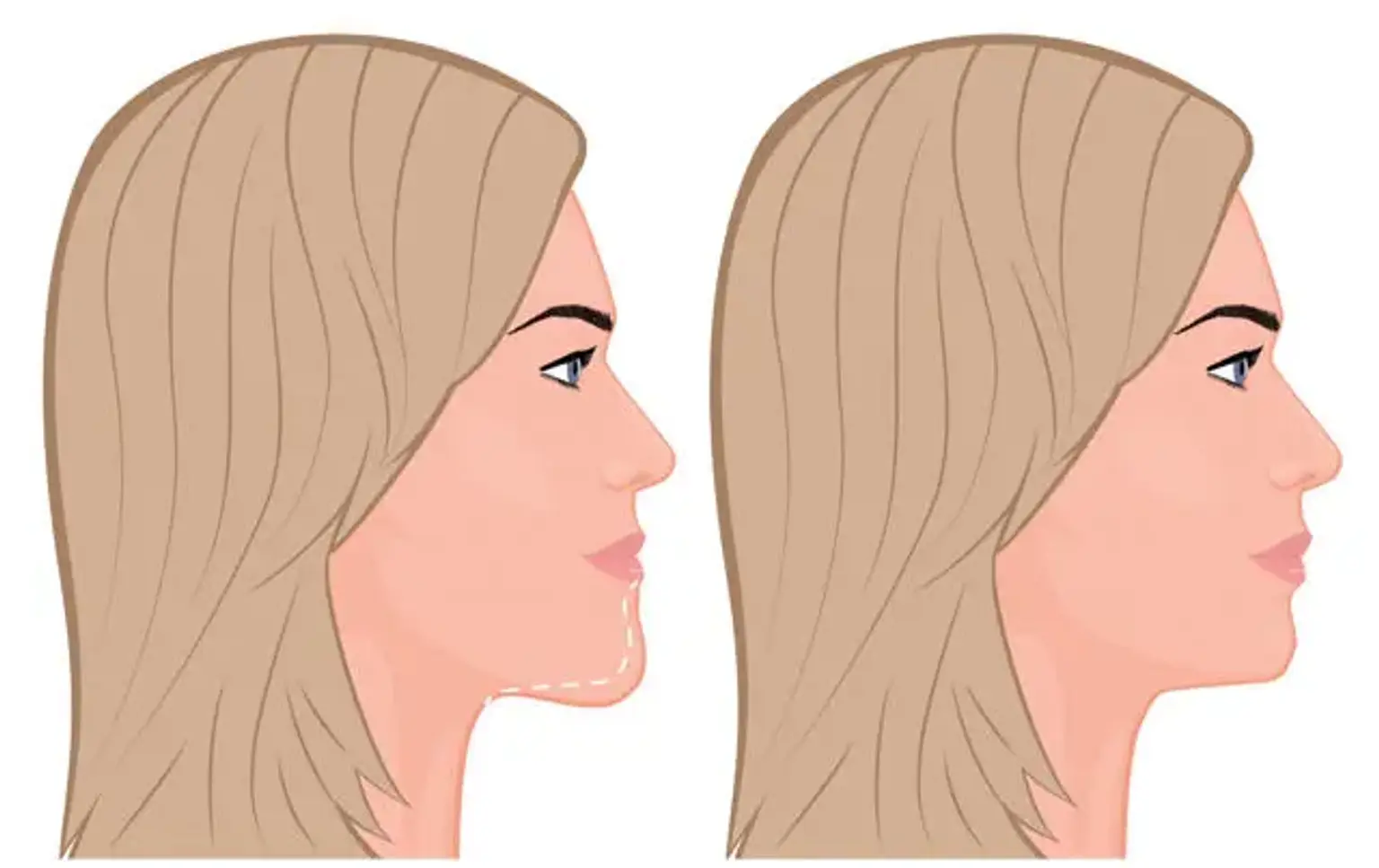
Whether it’s for addressing a double chin, improving the jawline, or reshaping the overall facial profile, chin reduction surgery can be tailored to suit individual needs. This article explores the details of chin reduction surgery, from the various techniques available to the recovery process, helping you understand if it's the right choice for you.
What is Chin Reduction Surgery?
Chin reduction surgery involves modifying the chin to achieve a more aesthetically pleasing and balanced facial appearance. There are several methods used, depending on the desired outcome:
Chin Liposuction: This method is ideal for patients with excess fat under the chin. Liposuction removes the fat, providing a slimmer profile and better-defined jawline.
Genioplasty: This involves repositioning the chin bone to improve its shape and size. It’s typically recommended for those with a protruding chin or facial asymmetry.
Chin Bone Reduction: This procedure focuses on reducing the size of the chin bone itself, providing a more refined look.
Each technique is customized based on the patient's unique facial features, and often, multiple methods may be combined to achieve optimal results.
Reasons for Chin Reduction Surgery
There are many reasons people opt for chin reduction surgery, ranging from cosmetic desires to functional benefits:
Facial Symmetry: A disproportionate chin can disrupt the balance of facial features. Chin reduction surgery can help achieve better harmony between the chin, nose, and other facial elements.
Double Chin Removal: Excess fat under the chin is a common concern for many. Chin liposuction or submental liposuction offers a non-invasive way to reduce this unwanted fat and create a firmer neckline.
Improved Jawline: A well-defined jawline is often a sign of youth and health. Chin reduction surgery can redefine the jaw and create a more sculpted profile.
Self-esteem Boost: For many, facial appearance plays a crucial role in confidence. Reshaping the chin can have a positive impact on self-image.
Whether you’re looking to reduce excess fat or reposition the chin bone for better alignment, chin reduction surgery can help improve your facial appearance and overall quality of life.
Chin Reduction Surgery Techniques
There are various techniques used in chin reduction surgery, each tailored to a patient’s specific needs. Here’s a breakdown of the most common procedures:
Chin Liposuction: For individuals with excess fat under the chin, liposuction is the most common approach. It involves small incisions through which a cannula is inserted to remove fat, leaving behind a smoother, more defined neckline.
Genioplasty: This surgery involves cutting the chin bone and repositioning it to improve its shape and size. It’s typically used for those with a protruding chin, where the bone is reshaped for a more balanced appearance.
Chin Bone Reduction: In cases where the chin is excessively large or angular, the surgeon will reduce the bone using specialized tools. This is a more invasive procedure and typically requires more recovery time.
Non-Surgical Contouring: For minor adjustments, non-invasive procedures like fillers or Botox can also offer temporary chin reshaping. These methods are less common for significant changes but can be used to enhance the jawline or improve minor asymmetry.
Each technique has its pros and cons, and a consultation with a qualified surgeon will help determine the best option for you.
Is Chin Reduction Surgery Safe?
Chin reduction surgery is generally safe when performed by a qualified, experienced surgeon. However, like any surgical procedure, it comes with some inherent risks. Common risks include infection, scarring, nerve damage, and reactions to anesthesia. These complications are rare but can occur if safety protocols are not followed.
To minimize risks, it’s crucial to:
Choose a board-certified surgeon with experience in chin surgery.
Follow all pre-surgery and post-surgery instructions carefully.
Attend regular follow-up appointments to ensure proper healing.
Before undergoing surgery, patients should have a thorough consultation, which includes a review of their medical history, a physical examination, and any necessary imaging to assess the chin structure. This helps determine the most suitable approach for each individual.
Consultation and Pre-Surgery Preparation
The consultation is a critical part of the chin reduction surgery process. It allows the surgeon to understand the patient's goals and create a personalized plan. During this meeting, you can expect:
Discussion of Goals: What you hope to achieve with the surgery—whether it’s slimming the chin, improving jawline definition, or correcting facial asymmetry.
Physical Examination: The surgeon will evaluate the chin’s size, shape, and structure to determine the best surgical technique.
Pre-Surgery Instructions: You'll receive guidelines on how to prepare for surgery. This may include stopping certain medications, quitting smoking, or avoiding alcohol, as these factors can affect healing.
In some cases, patients may need imaging or X-rays to assess bone structure. This helps in deciding the extent of surgery and minimizing risks.
How Long Does Chin Reduction Surgery Take?
Chin reduction surgery typically lasts between 1 to 2 hours, depending on the complexity of the procedure and the techniques used.
Chin Liposuction: This is usually quicker, often taking about an hour or less. The surgeon removes excess fat through small incisions, leaving little to no visible scarring.
Genioplasty and Chin Bone Reduction: These procedures may take longer, especially if bone repositioning or significant reductions are involved. Surgery may take up to 2 hours, and general anesthesia is typically used.
The exact duration of the surgery depends on factors like the surgical method chosen, the patient's anatomy, and any additional procedures performed. It's essential to have a clear discussion with the surgeon about what to expect in terms of time and recovery.
Chin Reduction Surgery Recovery Timeline
Recovery from chin reduction surgery varies depending on the method used and individual factors. However, there are general stages you can expect:
Immediate Aftercare: In the first 24-48 hours, patients may experience swelling, bruising, and mild discomfort. A compression garment is often worn to reduce swelling and support healing.
First Week: The majority of the swelling will begin to subside, though there may still be some bruising. Most patients can resume normal activities within 3-5 days, but strenuous physical activities should be avoided for at least 1-2 weeks.
3-6 Weeks: At this point, swelling will significantly decrease, and most people feel comfortable returning to their regular routine. However, you should avoid activities that put pressure on the chin, such as intense exercise.
Full Recovery: Complete healing may take several months. Final results become more apparent as the swelling fully subsides, and the skin adjusts to its new shape.
During recovery, follow-up appointments with your surgeon are important to ensure proper healing and monitor any potential complications.
Cost of Chin Reduction Surgery
The cost of chin reduction surgery can vary significantly based on several factors, including the type of procedure, the surgeon’s expertise, and the geographic location of the surgery. On average, the cost for chin reduction surgery can range from $3,000 to $8,000. However, more complex procedures, such as genioplasty or chin bone reduction, can exceed this range.
Here are some factors that influence the cost:
Procedure Type: Chin liposuction is generally less expensive than more invasive techniques like genioplasty.
Surgeon’s Experience: A highly experienced, board-certified surgeon may charge more for their expertise.
Location: Costs can vary depending on where the surgery is performed. Major cities tend to have higher prices due to higher demand and overhead costs.
While chin reduction surgery is considered a cosmetic procedure and is typically not covered by insurance, it’s essential to discuss payment options with your surgeon. Many clinics offer financing plans to make the procedure more affordable.
Expected Results: Before and After Chin Reduction Surgery
One of the most significant benefits of chin reduction surgery is the dramatic improvement in facial appearance. Patients can expect a more balanced profile, with a chin that is more in harmony with the rest of the facial features.
Before and after photos of patients undergoing chin reduction surgery can be a powerful visual tool for prospective patients to understand what changes are possible. Here are the common outcomes:
Slimmer, More Defined Jawline: Liposuction or chin bone reduction can eliminate excess fat and reshape the chin, leading to a sharper jawline.
Improved Facial Symmetry: Genioplasty or chin repositioning can help bring the chin into better alignment with the rest of the face, improving overall symmetry.
More Youthful Appearance: By contouring the chin, patients often notice a more youthful, rejuvenated appearance, as a well-defined chin is associated with youthfulness and vitality.
The results are long-lasting, and many patients report feeling more confident and satisfied with their appearance after surgery.
Benefits of Chin Reduction Surgery
The benefits of chin reduction surgery go beyond just cosmetic enhancement. Here are some key advantages:
Improved Facial Harmony: By reducing the prominence of the chin, the surgery helps achieve better balance among facial features, particularly the nose, cheeks, and jawline.
Increased Self-Confidence: Many individuals who feel self-conscious about their chin or jawline report a significant boost in confidence and self-esteem following surgery.
Permanent Results: Once the chin has been reshaped, the results are typically permanent, providing lasting improvements without the need for frequent touch-ups.
Enhanced Jawline Definition: Chin reduction surgery can enhance the jawline, which is particularly important for those looking for a sharper, more sculpted appearance.
Additionally, the procedure can be tailored to fit each patient’s goals, making it highly personalized and effective for a wide range of individuals.
Chin Liposuction vs. Chin Bone Reduction
When considering chin reduction surgery, it’s important to understand the difference between chin liposuction and chin bone reduction, as they address different concerns:
Chin Liposuction: This technique is best suited for individuals with excess fat under the chin. It involves the removal of fat using a small cannula inserted through tiny incisions. Liposuction is less invasive, requires minimal downtime, and is ideal for those with a double chin or fatty deposits.
Chin Bone Reduction (Genioplasty): This procedure is more invasive and is typically used for individuals with a chin that is too large or protruding. It involves modifying the chin bone itself to reshape the chin and improve facial balance. This procedure requires more recovery time and is generally more expensive.
Both procedures can achieve a more defined jawline and a harmonious facial appearance, but the choice depends on the underlying issue—whether it’s excess fat or an overly prominent chin bone. In some cases, both liposuction and bone reduction may be performed together for optimal results.
Non-invasive Alternatives for Chin Contouring
While chin reduction surgery offers permanent and dramatic results, some people may not be ready for a surgical procedure or may prefer less invasive alternatives. Here are a few non-surgical treatments that can help contour the chin:
Botox and Fillers: Botox can be used to reduce the appearance of a “gummy” chin, while dermal fillers can help create more definition by enhancing the chin’s shape. These treatments are temporary, usually lasting 6-12 months, and are ideal for those seeking subtle improvements.
Kybella: Kybella is an injectable treatment specifically designed to target and dissolve fat under the chin, making it an effective solution for individuals with a double chin. Multiple sessions may be required to achieve desired results.
CoolSculpting: A non-invasive procedure that freezes fat cells, CoolSculpting is another option for reducing submental fat (the fat beneath the chin). It’s a good option for those who want to avoid surgery but still reduce a double chin over time.
Although non-invasive treatments can improve the appearance of the chin, they typically offer more subtle changes compared to surgery. They are a great option for those seeking a less dramatic transformation or those not ready for a full surgical procedure.
Chin Surgery for Men vs. Women
Chin reduction surgery is popular among both men and women, but there are some differences in approach based on gender and facial anatomy.
Chin Surgery for Men: Men often seek chin surgery to create a more angular, strong jawline. Since male faces generally have more pronounced chin bones, the procedure may involve more significant reshaping or chin bone reduction to enhance masculinity and facial balance.
Chin Surgery for Women: Women typically seek a more refined, softer chin. A slight reduction in size or reshaping of the chin bone can create a more balanced and feminine look, especially when paired with other procedures like rhinoplasty or cheek augmentation. The goal is usually to achieve a smooth, youthful profile that complements other facial features.
Although the techniques remain similar, the desired outcomes differ depending on gender and personal aesthetic goals. Surgeons will tailor the approach to meet the specific needs and proportions of each patient.
Chin Implants: A Complementary Procedure to Chin Reduction
In some cases, chin reduction surgery is combined with chin implants to enhance facial contouring further. While reduction surgery is aimed at decreasing the size or prominence of the chin, implants can be used to add volume and shape where needed.
Chin Implants: If a patient has a recessed or underdeveloped chin, adding an implant can help balance the face by creating a more prominent chin. This can complement chin reduction surgery, especially if the goal is to improve both the contour and symmetry of the face.
Chin implants come in various materials, including silicone and porous polyethylene, and are customized to match the patient’s facial anatomy. While implants provide a permanent solution, they also come with risks such as infection or implant displacement.
When performed together, chin reduction surgery and implants can achieve a dramatic transformation, offering both a refined and sculpted appearance.
Risks and Complications of Chin Reduction Surgery
Like any surgical procedure, chin reduction surgery carries some risks and potential complications. These can vary depending on the technique used, the patient’s health, and the skill of the surgeon. However, most complications are rare and can be mitigated by following safety protocols.
Infection: Any surgical procedure carries a risk of infection. To minimize this, antibiotics may be prescribed before and after surgery, and the surgical area should be kept clean.
Scarring: While surgeons make small incisions in discreet areas (such as under the chin or inside the mouth), there is always a risk of scarring. Scars are generally minimal but may become more noticeable in some individuals.
Nerve Damage: Temporary numbness or tingling in the chin or lower lip is common, but permanent nerve damage is rare. Skilled surgeons take great care to avoid damaging nerves during the procedure.
Asymmetry: In some cases, the chin may not heal symmetrically, or the result may not match the patient’s expectations. If necessary, follow-up surgeries can help correct minor asymmetries.
Hematoma or Bleeding: Some swelling and bruising are normal after chin reduction surgery, but excessive bleeding or hematoma (blood pooling under the skin) can occur in rare cases.
Before opting for chin reduction surgery, patients should discuss all potential risks with their surgeon. Ensuring that the surgery is performed by a qualified and experienced professional can significantly reduce the chances of complications.
Chin Reduction Surgery: A Global Perspective
Chin reduction surgery has become a globally recognized procedure, with increasing demand in many parts of the world. From North America to Asia and Europe, people are seeking this surgery to enhance their facial aesthetics and improve self-esteem. The popularity of chin surgery can be attributed to:
Cultural Influence: In many Asian countries, there is a strong emphasis on achieving a more delicate and refined facial appearance, which often includes a smaller chin. In contrast, Western countries may focus more on jawline definition and overall facial symmetry.
Global Accessibility: With advancements in medical technology, chin reduction surgery has become more accessible and affordable in various parts of the world. Medical tourism is on the rise, with patients traveling to countries with highly skilled surgeons offering competitive prices, such as South Korea, Mexico, and Thailand.
Social Media and Beauty Trends: The rise of social media influencers and celebrities with well-defined faces has also contributed to the procedure’s popularity. People are increasingly drawn to the idea of achieving their desired facial aesthetics, driven by media portrayals of beauty standards.
As the procedure continues to evolve and become more mainstream, patients worldwide are turning to chin reduction surgery as an option to enhance their confidence and appearance.
When to Consider Chin Reduction Surgery
Chin reduction surgery is not for everyone, and it’s essential to determine if it’s the right option for your specific needs. Here are some factors to consider when deciding:
Excessive Chin Size: If you have a chin that feels disproportionately large or protruding in relation to the rest of your face, chin reduction surgery could be a viable option to achieve better facial harmony.
Self-Esteem and Confidence: If you feel self-conscious about your chin or jawline and it affects your confidence or social interactions, surgery can help improve your self-image and overall well-being.
Non-surgical Alternatives Have Not Worked: If you’ve tried non-invasive treatments (like liposuction or fillers) and are not satisfied with the results, surgical intervention may provide more permanent and significant changes.
Good Health and Realistic Expectations: Candidates for chin reduction surgery should be in good health and have realistic expectations about the results. It’s crucial to understand that while the surgery can make a significant difference, the results may not be perfect.
A thorough consultation with a board-certified plastic surgeon or cosmetic surgeon is essential to evaluate your suitability for chin reduction surgery and to discuss any concerns or expectations you may have.
Chin Reduction Surgery FAQs
1. Is chin reduction surgery painful? Most patients experience mild discomfort, especially in the first few days after the surgery. Pain can be managed with prescribed painkillers, and swelling usually subsides after the first week.
2. Can I wear makeup after chin reduction surgery? It’s best to avoid makeup around the chin area until the incisions are fully healed. You can usually start wearing makeup on the face after about 1-2 weeks.
3. How long will the results last? The results of chin reduction surgery are generally permanent, though aging and lifestyle factors (like weight changes) can affect the appearance of your chin over time.
4. Can chin reduction surgery be combined with other facial procedures? Yes, many patients opt to combine chin reduction with other procedures like rhinoplasty (nose surgery), facelift, or liposuction for comprehensive facial rejuvenation.
5. How soon can I return to work? Most patients can return to work within a week, although those with physically demanding jobs may need a bit longer for recovery.
These are just a few of the most common questions that patients have when considering chin reduction surgery. It's essential to address all concerns during the pre-surgery consultation to ensure you feel comfortable and well-informed about the procedure.
Conclusion
Chin reduction surgery is a transformative procedure that can enhance your facial aesthetics and boost self-confidence. Whether you're looking to reduce the size of a prominent chin, achieve a more balanced face, or define your jawline, this surgery can provide long-lasting results that align with your aesthetic goals.
However, it’s crucial to remember that this is a highly individualized procedure, and results can vary from person to person. Ensuring that you choose a qualified, experienced surgeon is key to achieving the best possible outcome. Chin reduction surgery is not just about changing the appearance of your chin—it’s about improving the harmony of your face and giving you the confidence to embrace your unique beauty.
If you’re considering this procedure, take the time to research and speak with your surgeon about all your options, expectations, and potential risks. With the right preparation and realistic expectations, chin reduction surgery can be a rewarding step toward enhancing your overall appearance.