Introduction
Chronic pain is a condition that affects millions of people worldwide, often disrupting daily life and well-being. Unlike acute pain, which has a clear cause and resolves with treatment, chronic pain persists for months or even years, often without a clear source. It can result from conditions such as arthritis, nerve damage, or fibromyalgia, and can be a constant challenge to manage.
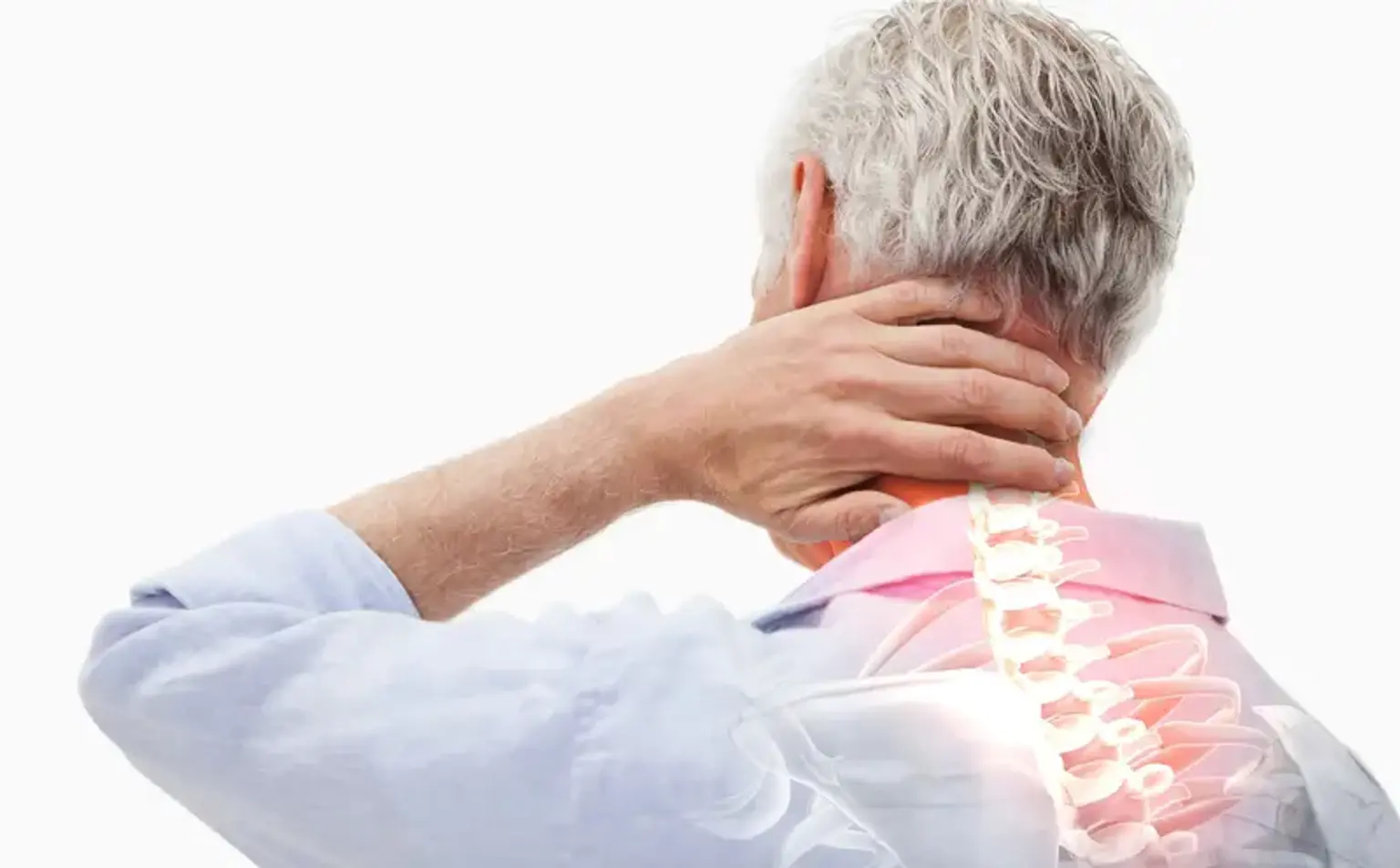
Effective chronic pain management is critical in improving the quality of life for those affected. Through the right combination of therapies and treatments, individuals can regain control over their pain and continue with their lives. Chronic pain management is not a one-size-fits-all solution, but a personalized approach that combines various techniques, including medications, therapies, and lifestyle changes.
What Is Chronic Pain?
Chronic pain is defined as pain that persists beyond the usual course of an acute illness or injury. While acute pain is a normal response to injury or illness and typically resolves with healing, chronic pain lingers for months or even years. It can result from conditions such as:
Neuropathic pain: Caused by nerve damage.
Arthritis: Joint inflammation leading to long-term pain.
Fibromyalgia: Widespread musculoskeletal pain.
Back pain: Often related to disc issues, muscle strain, or nerve compression.
The impact of chronic pain is not just physical—it can affect mental health as well, leading to depression, anxiety, and stress. This complex condition requires a comprehensive management plan that addresses both the physical and psychological components.
The Role of Pain Management
Chronic pain management is essential for improving a patient’s overall quality of life. Without treatment, chronic pain can lead to decreased mobility, depression, and a reduced ability to engage in normal activities. Pain management aims to reduce the intensity and frequency of pain, allowing individuals to lead fuller lives.
Managing chronic pain involves a combination of approaches, including:
Medications: Pain relievers like NSAIDs, opioids (in some cases), and antidepressants for nerve pain.
Physical therapies: Exercises and techniques to improve mobility and reduce pain.
Psychological therapies: Cognitive Behavioral Therapy (CBT) and mindfulness strategies to help cope with the mental aspects of pain.
Effective pain management addresses both the physical symptoms and the emotional impact of chronic pain, offering a holistic approach to treatment.
Managing Chronic Back Pain
Chronic back pain is one of the most common types of chronic pain, often caused by poor posture, muscle strain, or spinal issues. It can be debilitating, affecting movement and quality of life.
Physical Therapy: Tailored exercises help strengthen back muscles, improve posture, and reduce pain.
Injections: Corticosteroid or nerve block injections can provide significant relief for severe pain.
Surgery: For certain conditions, such as herniated discs, surgery may be recommended.
A comprehensive approach combining exercise, medications, and in some cases, surgical options, is key to managing chronic back pain.
Traditional Pain Management Methods
Traditional chronic pain management often starts with medications, which are used to reduce pain intensity and improve daily functioning. Over-the-counter pain relievers like NSAIDs (e.g., ibuprofen) are commonly used for conditions such as arthritis. However, for more severe pain, doctors may prescribe stronger medications, including opioids or antidepressants for nerve pain.
While medications can be effective, they are not without risks. Opioids, in particular, carry the risk of addiction and tolerance, leading some patients to require higher doses over time. Due to these risks, healthcare providers often explore alternative treatments or a combination of therapies to minimize reliance on medications.
Other traditional methods include:
Physical therapy: Tailored exercises to strengthen muscles, improve posture, and relieve tension.
Heat and cold therapy: Simple but effective treatments for reducing inflammation and relieving muscle pain.
Injections and nerve blocks: Corticosteroid injections and nerve blocks may be used for severe pain relief, particularly in conditions like back pain.
While traditional methods can help, a multifaceted approach to chronic pain management often yields the best results for long-term relief.
Non-Medication-Based Approaches
Managing chronic pain doesn’t always require medication. Many people find relief through non-medication-based treatments that focus on improving the body’s natural healing abilities. Some of the most effective methods include:
Physical Therapy: Regular exercises and stretches prescribed by a physical therapist can help alleviate pain by strengthening muscles, improving joint mobility, and promoting better posture. Physical therapy is often a first-line treatment for conditions like chronic back pain and arthritis.
Cognitive Behavioral Therapy (CBT): This form of psychological therapy teaches patients how to manage pain by changing negative thought patterns. It helps individuals develop coping strategies to reduce the emotional toll of pain.
Acupuncture: A traditional Chinese therapy where fine needles are inserted into specific points on the body. Many studies suggest it can help with pain relief, especially for conditions like arthritis, back pain, and fibromyalgia.
The Importance of Multidisciplinary Care
Chronic pain is complex, often involving both physical and psychological components. As such, a multidisciplinary approach—combining treatments from various specialists—is often the most effective. For example, a team might include:
Pain Management Specialists: Doctors who specialize in diagnosing and treating pain, often using a variety of techniques.
Physical Therapists: Experts who guide patients through exercises to strengthen muscles and alleviate pain.
Psychologists or Counselors: Professionals who offer therapies like CBT to help patients manage the emotional stress of chronic pain.
This collaborative approach ensures that all aspects of pain—physical, emotional, and lifestyle—are addressed, offering a more holistic solution for the patient.
Alternative Pain Management Options
In addition to traditional treatments, many people explore alternative therapies to help manage chronic pain. These approaches, while not always backed by extensive scientific evidence, have helped many find relief:
CBD and Medicinal Cannabis: Cannabis-based products have gained popularity in recent years for their potential to reduce pain and inflammation. While research is ongoing, some studies show promising results, particularly for conditions like arthritis and neuropathic pain.
Spinal Cord Stimulation: For severe back pain that doesn't respond to other treatments, spinal cord stimulators can be implanted. These devices send electrical pulses to the spinal cord to interrupt pain signals before they reach the brain.
Massage Therapy: Therapeutic massage can reduce muscle tension and improve blood circulation, offering relief for conditions like fibromyalgia and general muscle pain.
Interventional Pain Management Techniques
When conservative treatments don’t provide sufficient relief, more invasive options may be considered. Interventional pain management techniques are minimally invasive procedures that can offer substantial pain relief. Some common procedures include:
Trigger Point Injections: Involves injecting local anesthetic or corticosteroids into painful muscle knots or trigger points. This can help reduce muscle spasms and pain, particularly in conditions like fibromyalgia or myofascial pain syndrome.
Nerve Blocks: These injections target specific nerves responsible for pain transmission. Nerve blocks can provide significant relief, especially for pain in the back, neck, or joints.
Epidural Steroid Injections: Often used for conditions like sciatica or herniated discs, epidural injections deliver corticosteroids directly into the epidural space around the spinal cord to reduce inflammation and pain.
These procedures offer another layer of pain relief, especially when other methods fail to work.
Managing Neuropathic Pain
Neuropathic pain arises from nerve damage, often caused by conditions like diabetes, shingles, or a herniated disc. It’s often described as burning, tingling, or stabbing pain. Managing neuropathic pain can be challenging but effective treatments exist.
Medications: Antidepressants (like amitriptyline) and anticonvulsants (like gabapentin) are commonly prescribed to manage nerve pain.
Nerve Blocks: These injections can provide relief by targeting the damaged nerve.
Physical Therapy: Strengthening muscles around the affected area can improve mobility and reduce pain.
Effective management of neuropathic pain requires a tailored approach, often combining medications, therapies, and lifestyle changes.
Opioid Use in Chronic Pain Management
Opioids are sometimes prescribed for severe chronic pain, but their use is controversial due to the risks of addiction and overdose. Doctors are now more cautious about prescribing opioids and are looking for alternative treatments.
Non-Opioid Medications: Drugs like NSAIDs, antidepressants, or anticonvulsants are often used as safer alternatives.
Physical Therapy: Exercises, stretches, and muscle strengthening can help reduce reliance on opioids.
Interventional Procedures: Options like nerve blocks or spinal cord stimulation can provide effective pain relief without the need for opioids.
Patients should work closely with their healthcare providers to find the safest, most effective pain management strategy.
Fibromyalgia and Chronic Pain
Fibromyalgia is a condition characterized by widespread musculoskeletal pain, fatigue, and sleep disturbances. It’s often linked to heightened sensitivity to pain. While there is no cure, effective treatments can help manage symptoms.
Medications: Drugs like antidepressants and pain relievers are often used to reduce pain and improve sleep.
Exercise: Low-impact exercises like swimming and walking help alleviate pain and improve overall well-being.
Cognitive Behavioral Therapy: CBT can help manage the emotional and psychological stress that comes with chronic pain.
A combination of medication, physical activity, and psychological support is often the most effective treatment plan for fibromyalgia.
Psychological Support for Chronic Pain
Chronic pain can take a significant toll on mental health, leading to conditions such as depression and anxiety. Managing the psychological aspects of pain is crucial for overall treatment success.
Cognitive Behavioral Therapy (CBT): CBT helps patients reframe negative thoughts related to their pain, promoting healthier coping mechanisms and emotional well-being.
Mindfulness and Meditation: Techniques like mindfulness meditation help reduce stress and improve pain perception by teaching individuals to focus on the present moment.
Support Groups: Connecting with others who have similar experiences can provide emotional relief and offer practical advice for managing pain.
Incorporating psychological support into a pain management plan enhances the ability to cope with chronic pain and improves mental health.
Emerging Treatments for Chronic Pain
The field of chronic pain management is continuously evolving, with new treatments emerging to offer more options for patients. Some of the most promising developments include:
Gene Therapy: Researchers are exploring ways to target the genetic causes of chronic pain, offering the potential for more personalized treatments in the future.
Stem Cell Therapy: Stem cell injections are being studied for their ability to repair damaged tissues and reduce pain, particularly in conditions like osteoarthritis.
Platelet-Rich Plasma (PRP) Therapy: This technique uses a patient’s own blood platelets to promote healing in damaged tissues, reducing pain and inflammation.
While these treatments are still being researched, they offer hope for more effective and less invasive pain management options in the future.
Lifestyle Changes for Chronic Pain Relief
Making certain lifestyle adjustments can help reduce the severity of chronic pain and improve quality of life. These changes focus on reducing stress, improving mobility, and maintaining overall well-being.
Healthy Diet: A balanced diet rich in anti-inflammatory foods (like omega-3 fatty acids) can reduce pain and inflammation. Foods like fruits, vegetables, and whole grains support overall health.
Regular Exercise: Low-impact exercises such as yoga, swimming, or walking help maintain mobility, reduce stiffness, and promote the release of natural pain-relieving endorphins.
Sleep Management: Proper sleep is essential for pain relief. Establishing a regular sleep routine and creating a restful environment can improve recovery and reduce pain sensitivity.
Making sustainable lifestyle changes can play a crucial role in managing chronic pain in the long term.
Managing Chronic Pain in the Elderly
Chronic pain is particularly common in older adults due to age-related conditions like osteoarthritis, osteoporosis, and spinal problems. Managing pain in the elderly requires a careful approach, considering the complexities of aging bodies and potential medication side effects.
Medication Adjustments: Older adults often require lower doses of pain medications to avoid adverse effects. Non-opioid medications like NSAIDs or acetaminophen are typically preferred, while opioids are used sparingly due to their risk of addiction and side effects.
Physical Therapy: Gentle exercises tailored to the elderly can improve mobility, reduce pain, and enhance overall function.
Alternative Therapies: Acupuncture, massage therapy, and cognitive behavioral therapy (CBT) can be beneficial for managing chronic pain in older adults without the use of heavy medications.
A comprehensive approach that blends physical care, medication management, and lifestyle changes is key to supporting elderly individuals with chronic pain.
The Impact of Chronic Pain on Relationships
Chronic pain doesn’t only affect the individual—it can also strain relationships with family, friends, and romantic partners. The emotional toll of chronic pain can lead to isolation, frustration, and misunderstandings.
Communication: Open communication is crucial in managing the effects of chronic pain on relationships. It’s important for both the person experiencing pain and their loved ones to express their needs and concerns clearly.
Couples Therapy: In cases where pain affects intimate relationships, couples therapy or counseling can help address emotional challenges and improve communication.
Support Systems: Building a support network of friends, family, and professionals helps individuals feel understood and less isolated in their pain.
By fostering understanding and support, chronic pain can be better managed within the context of relationships, helping individuals and their loved ones navigate the challenges together.
Cost of Chronic Pain Treatment
Chronic pain treatment can be expensive, with costs adding up over time for medications, therapies, specialist consultations, and medical procedures. The financial burden can be overwhelming for individuals, especially those without adequate insurance coverage.
Insurance Coverage: Many insurance plans cover some pain management treatments, but not all procedures or alternative therapies are included. It's important for patients to check their insurance policy to understand coverage limits.
Affordable Options: Some therapies, like physical therapy, may be more affordable and still effective in managing chronic pain. Additionally, lifestyle changes, such as exercise and diet, can be low-cost ways to reduce pain.
Financial Assistance Programs: Some organizations offer financial support or sliding-scale fees for pain management treatments. Patients should seek out these resources to help reduce the financial strain.
Managing chronic pain involves not only dealing with the physical and emotional aspects but also navigating the often significant financial costs of treatment.
The Future of Chronic Pain Management
As our understanding of chronic pain deepens, the future of its management looks increasingly promising. Advances in technology and research are creating new possibilities for treatment and better outcomes for patients.
Precision Medicine: The use of genetic information to create personalized pain management plans is expected to become more common. This approach tailors treatments based on individual needs and responses.
Wearable Technology: Devices that track pain levels, provide real-time feedback, and even deliver therapeutic interventions are likely to become more prevalent in managing chronic pain.
Integrated Care Models: The future of pain management will likely see more collaborative care models, where healthcare providers from multiple disciplines work together to address all aspects of chronic pain—physical, emotional, and social.
With these innovations, the future of chronic pain management offers a brighter outlook for those affected by this challenging condition.
Frequently Asked Questions (FAQs) About Chronic Pain Management
Chronic pain management is complex, and many people have questions about how to effectively manage their condition. Here are some common FAQs:
Can chronic pain ever be completely cured?
While chronic pain may not always be curable, it can often be managed effectively with the right combination of treatments, allowing individuals to live more comfortably.What is the most effective treatment for chronic pain?
The most effective treatment varies from person to person, but a multidisciplinary approach combining medications, therapies, and lifestyle changes tends to yield the best results.How long does it take to see results from chronic pain treatments?
Results vary, but many people begin to experience improvements within a few weeks to months. Some treatments, like physical therapy, require long-term commitment for optimal results.Are there any risks with long-term pain medication use?
Yes, especially with opioids. Risks include dependence, tolerance, and side effects. It’s important to explore alternative treatments and work with healthcare providers to manage medication use safely.
Chronic pain management is an ongoing process, and patients should work closely with their healthcare team to find the most suitable plan for their individual needs.
Conclusion
Chronic pain is a complex condition that affects millions worldwide. Effective management requires a personalized approach, combining medication, physical therapy, psychological support, and lifestyle changes. While there’s no one-size-fits-all solution, a multidisciplinary treatment plan tailored to the individual can significantly improve quality of life.
Innovations in pain management, including new medications, therapies, and technologies, offer hope for better outcomes in the future. It’s essential for those suffering from chronic pain to work closely with healthcare professionals to explore all available options and find what works best for them. With the right support, chronic pain can be managed, allowing individuals to live fulfilling lives despite the challenges they face.