Introduction
CO2 Fraxel laser skin resurfacing is a popular, advanced treatment designed to rejuvenate the skin by addressing a range of skin imperfections such as fine lines, wrinkles, acne scars, and sun damage. It uses fractional CO2 laser technology to treat the skin in a controlled, non-invasive manner, improving skin texture and tone with minimal downtime.
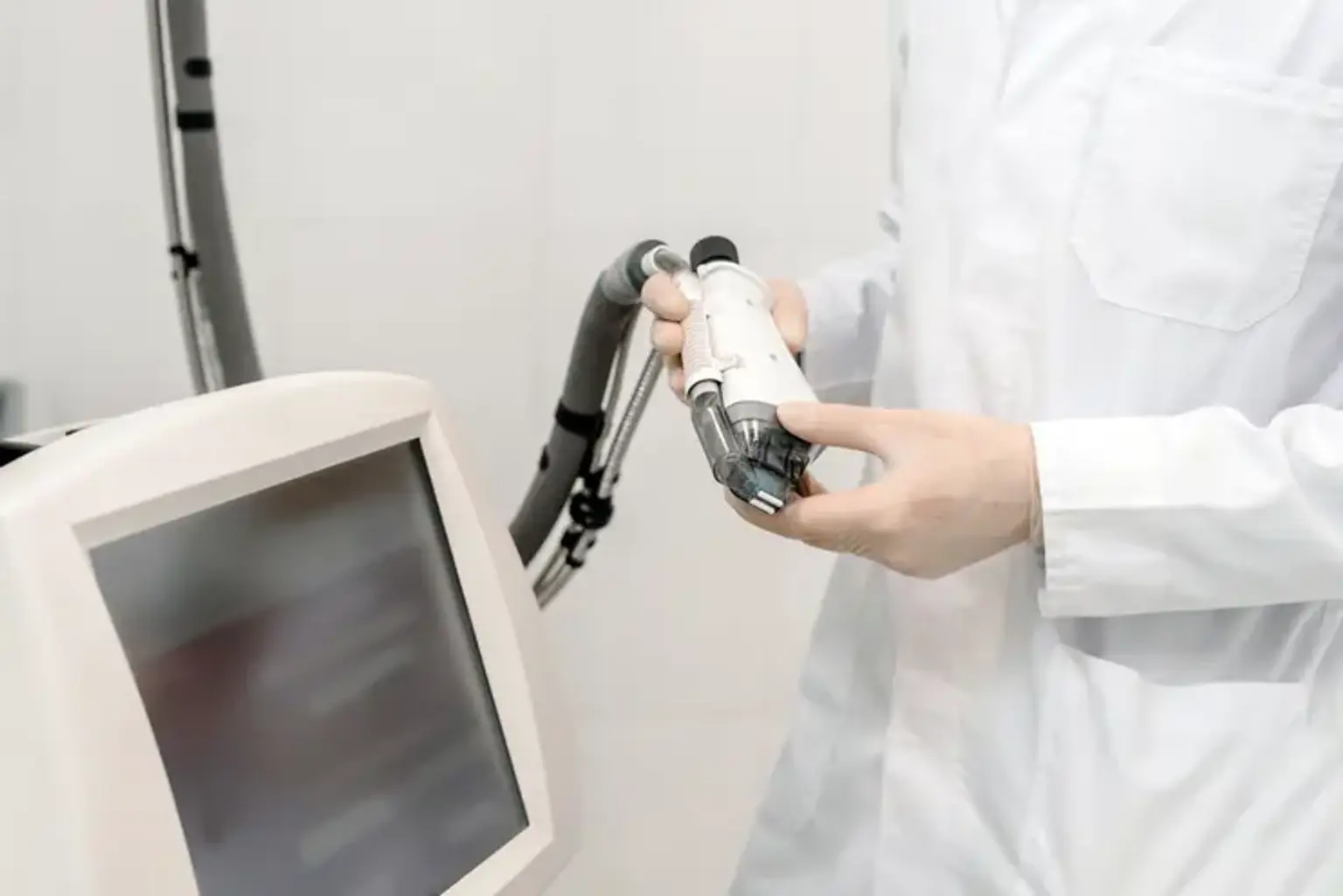
Unlike traditional lasers, Fraxel works by targeting only a fraction of the skin at a time, leaving surrounding tissues intact for faster healing. This method delivers impressive results, making it a preferred choice for people looking to refresh their complexion and improve skin texture without requiring significant recovery time.
Understanding Fractional Laser Technology
Fractional laser technology is the key to the CO2 Fraxel laser’s effectiveness. The laser beam is divided into tiny, microscopic columns that penetrate the skin, stimulating the body’s natural healing process. As the laser targets specific areas, it creates controlled micro-injuries in the skin, which encourages collagen production.
Collagen, a protein that keeps skin firm and smooth, is crucial for maintaining youthful, healthy skin. By promoting collagen production, the Fraxel CO2 laser works to tighten the skin, reduce wrinkles, and even out skin tone. The procedure also encourages the regeneration of healthy, new skin, making it a powerful tool for overall skin rejuvenation.
The CO2 Laser vs. Traditional CO2 Laser
When it comes to laser skin treatments, CO2 lasers are among the most powerful, but there are different types. The CO2 Fraxel laser is fractional, meaning it targets only a fraction of the skin at once, unlike traditional CO2 lasers, which treat the entire skin surface.
Advantages of Fraxel CO2 Laser:
Less Downtime: Since it treats only portions of the skin, healing time is faster than with traditional CO2 lasers.
Minimal Risk of Hyperpigmentation: Because Fraxel targets micro-zones, the risk of discoloration or scarring is lower, especially for individuals with darker skin tones.
More Versatile: Fraxel can be adjusted to treat mild to severe skin concerns with customizable settings.
Traditional CO2 lasers, while highly effective, are more intense, often requiring more downtime and posing a higher risk of side effects such as scarring and discoloration. However, traditional lasers may still be suitable for those seeking more aggressive treatment, such as deeper wrinkle reduction.
How the CO2 Fraxel Laser Works for Skin Resurfacing
The CO2 Fraxel laser delivers a concentrated, fractional beam of light that heats the deeper layers of the skin while leaving the surrounding tissue intact. This process stimulates the body's natural healing response, which leads to the production of new collagen and elastin fibers, essential for youthful-looking skin.
During treatment, the laser also targets imperfections on the surface, such as fine lines, wrinkles, sun spots, and acne scars. The energy from the laser helps to vaporize damaged skin cells, promoting the regeneration of smoother, more even skin. This makes Fraxel particularly effective for:
Reducing Fine Lines and Wrinkles: The laser stimulates collagen to smooth out age-related wrinkles and expression lines.
Acne Scar Treatment: By resurfacing the skin, Fraxel helps improve the appearance of scars by breaking down scar tissue and promoting the regeneration of smoother skin.
Sun Damage: It can also address pigmentation issues, such as dark spots and sun spots, by breaking up the pigmentation and encouraging even skin tone.
The result is fresher, firmer skin that looks naturally rejuvenated.
Key Benefits of Fraxel CO2 Laser Skin Resurfacing
Fraxel CO2 laser skin resurfacing offers a wide range of benefits, making it a top choice for individuals seeking skin rejuvenation.
Wrinkle Reduction: By stimulating collagen production, Fraxel smooths out fine lines and deeper wrinkles, especially around the eyes, mouth, and forehead.
Improved Skin Texture: The laser helps refine skin texture, making it smoother and more even.
Scar Treatment: It is highly effective in reducing acne scars, surgical scars, and other skin imperfections.
Sun Damage: Fraxel repairs sun-damaged skin by addressing pigmentation issues like age spots and freckles.
Minimal Downtime: Compared to traditional CO2 lasers, Fraxel’s fractional approach reduces healing time, allowing patients to return to their daily activities faster.
The ability to treat multiple skin issues at once, combined with relatively quick recovery, makes Fraxel a highly popular choice for those seeking skin rejuvenation.
What to Expect During a CO2 Fraxel Laser Treatment
CO2 Fraxel treatments typically begin with a consultation to assess your skin and determine the right approach. Before the procedure, your skin will be cleansed and a numbing cream will be applied to minimize discomfort. For more intensive treatments, local anesthesia may be used.
The treatment itself usually lasts between 30 minutes to an hour, depending on the area being treated. During the session, you'll feel a warm, prickling sensation as the laser penetrates the skin, but the numbing cream helps keep discomfort minimal.
Afterward, your skin may appear red and feel like a mild sunburn, which is normal. Some patients may also experience swelling or slight blistering. The treatment is non-invasive, so no cutting or stitches are required, and there's minimal risk of complications.
Post-Treatment Care: Recovery and Results
Following your Fraxel treatment, it’s important to follow the aftercare instructions provided by your provider to ensure proper healing. Immediately after the treatment, your skin may be red and slightly swollen, similar to a sunburn, and this typically lasts for a few hours to a few days.
Over the next several days, your skin will begin to peel as the old skin is replaced by new, healthier cells. It’s crucial to avoid picking at the peeling skin to prevent scarring. Sunscreen is essential during the healing process, as the skin will be more sensitive to UV exposure.
Most people can return to normal activities within a few days, but it’s best to avoid strenuous exercise and excessive sun exposure for at least a week. Final results typically become visible within 2-3 weeks, with continued improvements over the following months as collagen production increases.
The Recovery Timeline: From Redness to Skin Renewal
The recovery process after a CO2 Fraxel treatment is relatively quick compared to traditional lasers. Here's a breakdown of what to expect:
Day 1-3: You may experience redness and mild swelling, similar to a sunburn. Cold compresses can help alleviate discomfort.
Day 4-7: As the skin heals, you may notice slight peeling and flaking. Continue using a gentle moisturizer and sunscreen to protect your skin.
Week 2-3: The redness and peeling should subside, revealing fresher, more even skin. The deeper layers of skin will continue to regenerate, leading to smoother texture and tone.
1-3 Months: Full results will gradually become more evident as collagen production continues to improve skin elasticity and firmness.
With proper care, the results from CO2 Fraxel skin resurfacing can last for months to years, depending on factors like skin type, sun exposure, and lifestyle.
Fraxel CO2 Laser for Acne Scars and Wrinkle Treatment
One of the standout features of Fraxel CO2 laser skin resurfacing is its effectiveness in treating both acne scars and wrinkles. Acne scars, particularly deep ones, can be difficult to treat, but Fraxel helps by targeting the damaged skin tissue beneath the surface. The laser’s fractional approach breaks down scar tissue and stimulates collagen production, resulting in smoother, more even skin.
For wrinkles, Fraxel works by stimulating collagen in the deeper layers of the skin. The treatment smooths out fine lines and wrinkles, especially around the eyes, mouth, and forehead. Many patients notice a significant reduction in the appearance of age-related wrinkles after a few sessions, with results continuing to improve over time.
Case Study: A patient with moderate acne scarring underwent three Fraxel treatments. After the treatments, their skin was visibly smoother, and the scars were significantly reduced. Wrinkles around the eyes also appeared less prominent, giving the patient a refreshed, youthful appearance.
Side Effects and Risks of Fraxel CO2 Laser Skin Resurfacing
As with any medical procedure, there are some risks and side effects associated with Fraxel CO2 laser skin resurfacing. However, the procedure is generally safe when performed by a trained professional.
Common Side Effects:
Redness and Swelling: This is the most common side effect, often resembling a mild sunburn. It usually subsides within a few days.
Peeling and Dryness: As the skin heals, it may peel and flake. It’s important to avoid picking at the skin to prevent scarring.
Slight Bruising: In some cases, bruising may occur around the treated area, though this typically fades quickly.
Potential Risks:
Hyperpigmentation or Hypopigmentation: Rarely, darker skin tones may experience changes in pigmentation. This is more common in patients who do not follow aftercare instructions, particularly regarding sun exposure.
Infection: As with any procedure that creates small wounds on the skin, there’s a slight risk of infection, though this is very uncommon.
Scarring: If the skin is not cared for properly during recovery, there is a small risk of scarring.
The best way to minimize these risks is by ensuring you’re a good candidate for the procedure and following post-treatment care instructions closely.
The Cost of CO2 Fraxel Laser Skin Resurfacing
The cost of Fraxel CO2 laser skin resurfacing varies depending on factors such as location, provider, and the size of the area being treated. On average, a single treatment session can range from $1,000 to $2,500.
Factors Influencing Cost:
Location: Prices may be higher in larger cities or regions with a higher cost of living.
Treatment Area: Smaller areas like the under-eye or upper lip may cost less, while full-face treatments are more expensive.
Number of Sessions: While some people achieve their desired results with just one treatment, others may require multiple sessions for optimal results, increasing the total cost.
Many providers offer financing options, and some may include aftercare services like skincare products or follow-up appointments in the total cost. It’s important to weigh the cost against the long-term benefits, as the results of Fraxel can last for years with proper maintenance.
How Long Do the Results Last?
One of the main appeals of Fraxel CO2 laser skin resurfacing is the long-lasting results it provides. After the initial treatment, most patients notice improvements in their skin texture, tone, and firmness within a few weeks. Collagen production continues for months, leading to even more pronounced results.
Longevity of Results:
Wrinkle Reduction: The reduction of fine lines and wrinkles can last for one to two years, depending on factors like age, skin type, and lifestyle.
Skin Tone and Texture: The improvement in skin texture and tone can last up to two years, although some people may require maintenance treatments after one year to keep the results fresh.
Acne Scarring: Acne scar improvement can last long-term, but additional treatments may be needed for more severe scars.
To maintain the results, it’s important to follow a good skincare regimen and protect your skin from excessive sun exposure. Many patients choose to undergo touch-up treatments every 6-12 months for continued skin rejuvenation.
Is CO2 Fraxel Laser Skin Resurfacing Right for You?
Before deciding if Fraxel CO2 laser skin resurfacing is right for you, it’s important to consider several factors. While the procedure can deliver outstanding results, it’s not suitable for everyone.
Good Candidates for Fraxel CO2 Laser:
Individuals with Sun Damage: Those with sun spots, age spots, or general sun damage can benefit from the laser’s ability to even out skin tone.
Aging Skin: If you're noticing fine lines, wrinkles, or a loss of skin elasticity, Fraxel is effective in stimulating collagen to restore a more youthful appearance.
Acne Scars: People with mild to moderate acne scarring often see noticeable improvements after Fraxel treatments.
Healthy Skin: Fraxel works best on patients with healthy skin and good healing capacity. Those with active skin conditions such as eczema or active acne may need to wait until their skin is clear.
Not Suitable for:
People with darker skin tones may be at a higher risk for hyperpigmentation and should consult a specialist to determine if the procedure is appropriate.
Pregnant women or individuals with certain medical conditions may need to avoid the treatment. Always consult with your doctor or dermatologist to assess suitability.
How Many Fraxel CO2 Laser Sessions Are Required?
The number of Fraxel CO2 laser treatments needed varies depending on the specific skin concern and the severity of the condition. For many people, one treatment is enough to see visible results, but for others, multiple sessions may be necessary.
General Guidelines:
Mild Skin Issues (e.g., light sun spots or fine lines): Typically, 1-2 treatments may be sufficient to achieve desired results.
Moderate to Severe Skin Concerns (e.g., acne scars or deeper wrinkles): 3-5 sessions may be recommended, spaced several weeks apart for optimal results.
After the initial series of treatments, maintenance sessions may be required every 6-12 months to maintain skin improvements. Your dermatologist will help determine the optimal treatment plan based on your individual skin type and concerns.
Fraxel CO2 Laser for Different Skin Types
One of the reasons CO2 Fraxel laser resurfacing is so popular is its versatility. The procedure can be tailored to various skin types, but it is crucial to consider how your skin type may impact the results and risks of the treatment.
For Lighter Skin Types (Fitzpatrick I-III): Fraxel is highly effective for lighter skin tones, as the laser’s fractional approach reduces the risk of hyperpigmentation and scarring. Lighter skin tends to respond well to the stimulation of collagen, leading to smoother, firmer skin with minimal side effects.
For Darker Skin Types (Fitzpatrick IV-VI): While Fraxel is effective for darker skin tones, there is a higher risk of hyperpigmentation. This is because the laser can target the melanin in the skin, which could lead to dark spots or uneven pigmentation. However, Fraxel’s fractional technology allows for more controlled treatment, and by adjusting the laser’s settings, specialists can reduce the risk of pigmentation changes.
Darker skin types should consult with a specialist experienced in treating various skin tones to minimize risks and achieve the best results.
Comparing CO2 Fraxel to Other Skin Resurfacing Treatments
When considering skin resurfacing options, it’s helpful to compare Fraxel CO2 laser with other popular treatments, such as microneedling, chemical peels, and traditional laser resurfacing.
Fraxel CO2 vs. Microneedling:
Microneedling uses tiny needles to create micro-channels in the skin, promoting collagen production. While it is less invasive, it may require more sessions to see similar results to Fraxel, especially for deeper wrinkles and scars.
Fraxel CO2 provides a more intense treatment and delivers faster, more dramatic results in a single session, especially for more severe issues like deep wrinkles and scars.
Fraxel CO2 vs. Chemical Peels:
Chemical peels use acids to exfoliate the skin and promote regeneration. They are effective for treating surface-level issues like pigmentation but may not address deeper skin concerns as effectively as Fraxel CO2.
Fraxel CO2 is a more advanced option, capable of penetrating deeper layers of the skin to treat issues like deeper wrinkles and acne scars.
Fraxel CO2 vs. Traditional Laser Resurfacing:
Traditional CO2 lasers treat the entire skin surface, causing more downtime and risk of side effects like scarring and pigmentation changes.
Fraxel CO2 uses fractional technology to target only a fraction of the skin, resulting in less downtime, fewer side effects, and a more gradual, natural healing process.
Overall, Fraxel CO2 laser skin resurfacing stands out for its ability to deliver significant, lasting results with minimal recovery time, making it a versatile option for many individuals seeking skin rejuvenation.
Fraxel CO2 Laser vs. Other Non-Laser Treatments
When considering non-laser options for skin rejuvenation, Fraxel CO2 stands out for its precision and effectiveness. However, there are several alternatives worth comparing, such as radiofrequency treatments and intense pulsed light (IPL).
Fraxel CO2 vs. Radiofrequency (RF) Treatments:
Radiofrequency treatments like Thermage use heat energy to stimulate collagen production, improving skin tone and texture. While RF is less invasive and requires no downtime, it generally provides more subtle results over a series of treatments. Fraxel CO2 offers more dramatic, long-lasting results, particularly for deeper skin issues such as wrinkles and acne scars.
Fraxel CO2 vs. IPL:
Intense Pulsed Light (IPL) targets pigmentation and redness, making it great for surface-level concerns like age spots and redness. However, it doesn't penetrate the skin as deeply as Fraxel, which means Fraxel is more effective for treating textural issues, deep wrinkles, and scars.
Is Fraxel CO2 Laser Worth the Investment?
For many people, the results of Fraxel CO2 laser skin resurfacing make the procedure well worth the investment. While the treatment can be costly, the long-term benefits it offers often outweigh the price, especially when compared to ongoing treatments like facials or chemical peels.
Factors to Consider:
Long-Term Results: The improvements in skin texture, tone, and collagen production can last for years, making it a cost-effective option for those looking for lasting changes.
Minimal Maintenance: While Fraxel isn’t a one-time miracle, it requires fewer follow-up treatments than other options, reducing the long-term cost.
Time-Saving: The relatively quick recovery time allows individuals to resume their regular activities without lengthy downtime, adding to the procedure’s overall convenience.
If you're looking for visible, lasting improvements in skin appearance, Fraxel CO2 can be a valuable investment.
The Psychological Benefits of Fraxel CO2 Laser
Beyond its physical benefits, Fraxel CO2 laser skin resurfacing can have a profound impact on a patient's mental and emotional well-being. Many patients report feeling more confident and self-assured after their treatment, especially if they’ve struggled with acne scars, age spots, or wrinkles for years.
Improved Self-Confidence:
Clearer, smoother skin often leads to a boost in self-esteem. For individuals who’ve felt self-conscious about their appearance, Fraxel can provide a sense of renewal and empowerment. Many people find they feel more comfortable socializing and expressing themselves after treatment.
Emotional Relief:
Skin concerns can significantly impact mental health, leading to feelings of frustration or embarrassment. Fraxel’s ability to address these concerns effectively allows patients to break free from their insecurities and embrace their natural beauty.
Frequently Asked Questions (FAQs) About Fraxel CO2 Laser Skin Resurfacing
Here are some common questions people have before undergoing Fraxel CO2 laser skin resurfacing:
1. Is the treatment painful?
Most patients experience mild discomfort during the procedure, which can be alleviated with a topical numbing cream. Some report feeling a warm, prickling sensation during treatment.
2. How many treatments will I need?
For mild concerns, one treatment may be sufficient. For more severe issues like acne scars or deeper wrinkles, multiple sessions (usually 3-5) may be needed.
3. How long will it take to recover?
Most people can return to their daily activities in about 5-7 days. Full recovery and optimal results may take a few weeks.
4. Can Fraxel be combined with other treatments?
Yes, Fraxel can be combined with treatments like Botox or dermal fillers to enhance overall skin rejuvenation, but it’s important to wait until healing is complete.
5. Are the results permanent?
Fraxel provides long-lasting results, but skin aging continues over time. Maintenance treatments every 6-12 months can help preserve the results.
By addressing these common concerns, Fraxel CO2 laser skin resurfacing becomes a clearer and more appealing option for those seeking effective skin rejuvenation.
Conclusion
Fraxel CO2 laser skin resurfacing is a transformative procedure that offers dramatic improvements for a variety of skin concerns, from wrinkles and acne scars to sun damage and uneven skin tone. By targeting deeper layers of the skin with fractional laser technology, it stimulates collagen production and promotes skin regeneration, resulting in smoother, firmer, and more youthful-looking skin.
While the procedure is not without its risks and costs, the long-term benefits—such as lasting skin rejuvenation, minimal maintenance, and a significant boost in self-confidence—make it a worthwhile investment for many. With its versatility and effectiveness, Fraxel CO2 laser stands out as a top choice in the realm of non-surgical aesthetic treatments.
If you are considering Fraxel CO2, it’s essential to consult with a qualified dermatologist or specialist to determine if it’s the right option for your skin type and concerns. With the proper care and attention, Fraxel can offer life-changing results, helping you achieve smoother, more youthful skin that boosts not just your appearance, but your confidence as well.