Introduction
Cochlear implant surgery is a life-changing procedure for individuals with severe hearing loss who do not benefit from traditional hearing aids. This surgery involves implanting a small device that bypasses damaged parts of the ear and directly stimulates the auditory nerve, allowing individuals to hear sounds again. The procedure has gained widespread use, particularly for those with profound hearing impairment, and its benefits extend beyond just restoring hearing—it significantly improves the quality of life for many.
In recent years, cochlear implant surgery has become increasingly popular in Korea, where advanced technology and highly skilled surgeons offer affordable and effective treatments. The surgery is a beacon of hope for people struggling with hearing loss, helping them reconnect with the world around them.
What is a Cochlear Implant?
A cochlear implant is a small electronic device designed to restore hearing for people with severe or profound sensorineural hearing loss. Unlike traditional hearing aids, which amplify sound, cochlear implants work by bypassing the damaged areas of the ear and directly stimulating the auditory nerve with electrical signals.
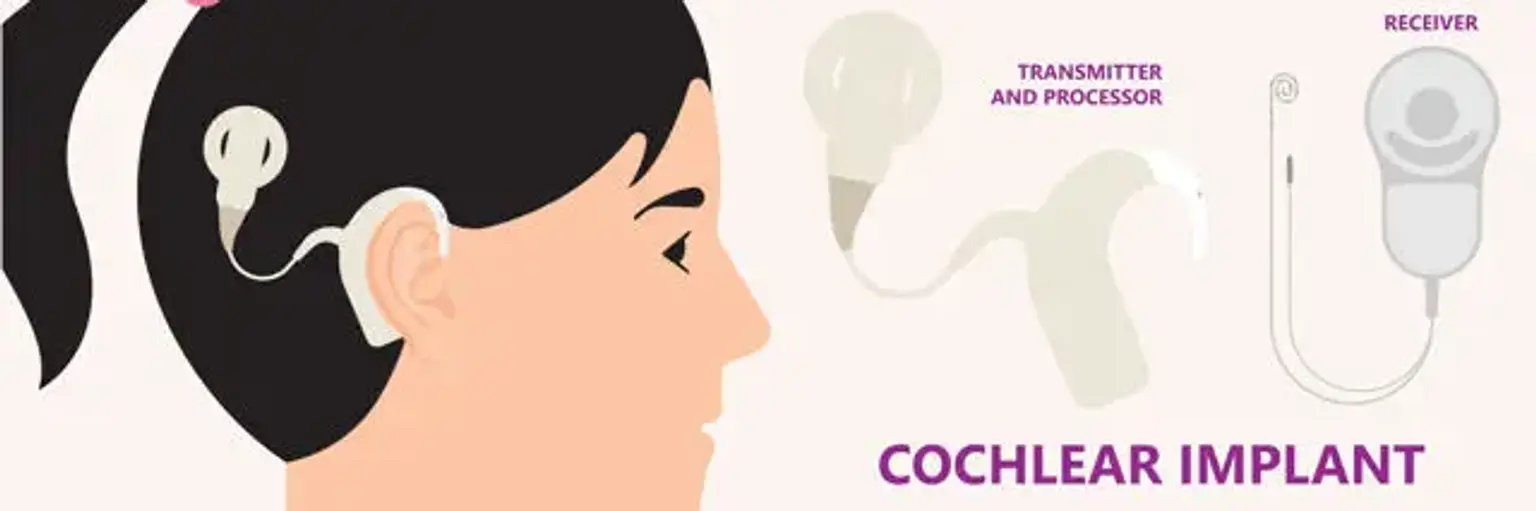
The implant consists of two main components:
Internal device: A surgically placed component that includes a receiver-stimulator and electrode array. The electrode array is inserted into the cochlea (the part of the ear responsible for sound processing).
External device: A microphone and speech processor worn behind the ear that captures sound and converts it into digital signals.
By bypassing damaged parts of the ear, cochlear implants can significantly improve hearing and speech comprehension for individuals with limited or no hearing from conventional hearing aids.
Cochlear Implant Surgery for Adults and Children
Cochlear implant surgery is beneficial for both adults and children, though the procedure and timing may differ:
For Adults: The surgery is typically performed on those who have lost their hearing later in life, usually due to aging or trauma. Adults can still experience significant improvements in speech recognition and quality of life, but the brain’s ability to process sound may be less adaptable than in children.
For Children: Early implantation is key for children with severe hearing loss. When done at a young age, before the age of 2-3, cochlear implants can significantly improve speech development and language acquisition. Early implantation allows children to develop normal hearing and language skills, preventing delays in speech and cognitive development.
In both cases, patients may require speech therapy and regular adjustments to the device to maximize the effectiveness of the implant.
Who is a Candidate for Cochlear Implants?
Not everyone with hearing loss is a candidate for a cochlear implant. Candidates typically meet these criteria:
Severe to profound sensorineural hearing loss: Those who have little or no benefit from conventional hearing aids.
Good overall health: Candidates must be physically able to undergo surgery and anesthesia.
Adequate auditory nerve function: The auditory nerve must be intact to receive stimulation from the cochlear implant.
Motivation and support: Patients must be committed to post-surgery rehabilitation, which often includes speech therapy to help adjust to new sounds.
Children, especially those under 3 years old, can benefit greatly from early implantation, which aids in language development. For adults, implantation can improve communication and enhance quality of life, although the outcomes may vary based on how long the individual has been without hearing.
The Cochlear Implant Procedure: Step by Step
Cochlear implant surgery is typically performed under general anesthesia and takes about 1-2 hours. Here’s a step-by-step breakdown of the procedure:
Pre-Surgery Evaluation: Patients undergo hearing tests, imaging scans (like CT or MRI), and physical evaluations to assess candidacy for the implant.
Surgical Process:
An incision is made behind the ear to expose the bone. A small hole is drilled into the skull, and the internal component is placed.
The electrode array is carefully inserted into the cochlea, where it will stimulate the auditory nerve.
The incision is closed, and the area is bandaged.
Post-Surgery Activation: After the healing period, the external device is fitted, and the implant is activated. This begins the process of sound processing and tuning.
The procedure is generally safe, with a high success rate for those who meet the criteria for implantation.
How Does Cochlear Implant Surgery Work?
Cochlear implant surgery works by bypassing damaged portions of the inner ear and directly stimulating the auditory nerve. Here’s how the process works:
Sound Capture: The external microphone picks up sounds from the environment.
Sound Processing: The processor converts these sounds into digital signals, which are sent to the internal device.
Signal Transmission: The internal device sends electrical impulses to the electrode array implanted in the cochlea.
Auditory Nerve Stimulation: The electrodes stimulate the auditory nerve, which transmits signals to the brain, allowing the patient to perceive sound.
The result is a significant improvement in hearing, enabling those who were once completely deaf to hear and communicate more effectively.
Benefits of Cochlear Implants
Cochlear implants provide numerous benefits, particularly for individuals with severe hearing loss:
Improved Speech Recognition: Unlike hearing aids, which amplify sound, cochlear implants directly stimulate the auditory nerve, providing clearer sound and better speech comprehension.
Restored Communication: Patients often experience significant improvements in daily communication, making it easier to engage in conversations without relying on lip reading or sign language.
Enhanced Quality of Life: Many patients report a renewed sense of independence and social interaction post-surgery, helping them re-engage with their work, social circles, and hobbies.
Better Hearing in Noisy Environments: Cochlear implants can improve the ability to hear speech over background noise, which is a common difficulty for those with hearing loss.
Post-Surgery Cochlear Implant Care
After cochlear implant surgery, proper care is essential for a smooth recovery and optimal outcomes. Here’s what you need to know about post-surgery cochlear implant care:
Incision Care: Keep the surgical site clean and dry. Follow the surgeon’s instructions for bandage changes and showering. Avoid putting pressure on the area during the first few weeks.
Swelling and Discomfort: Swelling and mild discomfort are common in the initial recovery period. Over-the-counter pain relievers may help, but always follow the doctor’s advice regarding pain management.
Avoid Infection: To prevent infection, refrain from swimming or exposing the implant site to excessive moisture until cleared by the doctor.
Device Activation: After the healing period, the external device will be activated. The audiologist will program the cochlear implant to suit the patient’s hearing needs, and adjustments may continue over several sessions.
Speech Therapy: Ongoing therapy is often needed to help patients adapt to new sounds and improve speech recognition, especially for children or those who have been without sound for a long time.
By adhering to proper care and follow-up routines, patients can ensure the best possible hearing restoration.
Cochlear Implant Recovery: What to Expect
Cochlear implant recovery varies, but here’s a general timeline of what to expect:
Initial Recovery (first week): After surgery, patients experience mild pain, swelling, and dizziness. Pain medications are prescribed, and the incision site must be kept clean.
Device Activation: About 2-4 weeks after surgery, the implant is activated. At this point, patients start hearing sounds, but the brain needs time to adjust.
Full Adjustment: Over the next 3-6 months, patients undergo regular follow-ups to fine-tune the device and receive speech therapy. Hearing improvement continues as the brain adapts to the new sound input.
Long-Term Care: Routine visits to the audiologist ensure the implant continues to function optimally and the patient’s hearing abilities are maximized.
Patients must be patient during the recovery process, as the adjustment to new sounds and speech can take time, but the results are usually worth the effort.
Risks and Complications of Cochlear Implant Surgery
While cochlear implant surgery is generally safe, there are some risks and potential complications. These include:
Infection: Any surgery carries a risk of infection, especially at the incision site. Following post-surgery care instructions significantly reduces this risk.
Device Malfunction: Although rare, the implant can malfunction or fail. Regular checkups ensure the device is working properly.
Dizziness and Nausea: Some patients experience dizziness or vertigo after surgery, which is typically temporary.
Facial Nerve Damage: The facial nerve, located near the surgical site, can be injured in rare cases, leading to facial weakness or numbness.
Hearing Issues: Some individuals may not experience the desired improvement in hearing, depending on factors like the extent of hearing loss or the age of implantation.
It’s essential to discuss potential risks with your surgeon beforehand and follow all post-surgery instructions to minimize complications.
Cochlear Implant Surgery Success Rate
The success rate of cochlear implant surgery is generally very high, with most patients experiencing significant improvement in hearing. Success is measured by the patient’s ability to perceive speech and environmental sounds. Factors influencing success include:
Age: Younger patients, particularly children who receive implants early, tend to have better outcomes due to more adaptable auditory processing.
Duration of Hearing Loss: Those who have been deaf for many years may experience a longer adjustment period and may not achieve the same results as those with more recent hearing loss.
Device Programming: Ongoing adjustments and tuning of the implant play a crucial role in success. An experienced audiologist can optimize the device settings for each patient.
Overall Health: Patients in good health generally experience fewer complications and better recovery outcomes.
On average, more than 80% of patients experience marked improvements in their ability to hear and communicate effectively post-surgery.
Cochlear Implants vs Hearing Aids: Which Is Better?
Cochlear implants and hearing aids both serve the purpose of improving hearing, but they are used for different types of hearing loss.
Hearing Aids: These devices amplify sound and are useful for those with mild to moderate hearing loss. However, they are not effective for individuals with severe or profound hearing loss because they cannot provide sufficient sound amplification.
Cochlear Implants: For those with severe to profound hearing loss, cochlear implants bypass damaged parts of the ear and directly stimulate the auditory nerve, making them far more effective than hearing aids for individuals with extensive hearing loss.
Cochlear implants are generally recommended for those who don’t benefit from hearing aids. They provide clearer sound, better speech recognition, and improved hearing in noisy environments, giving patients a chance to regain a more natural hearing experience.
The Cost of Cochlear Implant Surgery
The cost of cochlear implant surgery can vary widely depending on several factors, including the country of treatment, the surgeon's expertise, and the type of implant used. On average, cochlear implant surgery in the United States can cost between $30,000 and $50,000, which includes both the surgical procedure and the external device. However, in Korea, the cost can be more affordable, typically ranging from $15,000 to $25,000, including the implant and post-surgery care.
Several factors contribute to the overall cost:
Surgeon and Facility Fees: Fees vary depending on the surgeon's experience and the reputation of the hospital or clinic.
Type of Cochlear Implant: There are various brands of cochlear implants, and the cost may vary depending on the features and technology offered.
Post-Surgery Care: This includes follow-up visits, speech therapy, and ongoing adjustments to the implant, all of which are necessary for optimal results.
Insurance coverage is a key consideration—many insurance plans will cover cochlear implants if they are deemed medically necessary. It’s important to verify with your provider to understand the extent of coverage.
Cochlear Implant Surgery in Korea
Korea has become a leading destination for cochlear implant surgery due to its advanced medical technology, highly skilled surgeons, and more affordable prices. Many international patients travel to Korea for hearing restoration surgery because of the country’s reputation for excellence in both medical procedures and post-operative care.
Key reasons for the popularity of cochlear implants in Korea:
High-Quality Care: Korean hospitals are known for their cutting-edge technology and experienced medical staff who specialize in cochlear implants.
Affordable Treatment: Compared to countries like the United States and Europe, the cost of cochlear implant surgery in Korea is significantly lower while maintaining high standards of care.
Comprehensive Care: Patients in Korea receive thorough pre-surgery evaluations, the latest implants, and detailed post-surgery support, including speech therapy and device programming.
With its combination of expertise, technology, and cost-effectiveness, Korea has become a top choice for people seeking cochlear implants.
Is the Restore Volume Procedure Effective for Cochlear Implants?
The Restore Volume procedure is a non-invasive treatment designed to enhance the auditory experience for individuals with cochlear implants. While it is not directly related to the implantation process, it can be used in conjunction with cochlear implants to improve sound quality, especially for patients with vocal cord atrophy or volume loss in the hearing process.
How the Restore Volume procedure helps:
Enhanced Sound Clarity: The procedure can improve the volume and clarity of the sound perceived through the cochlear implant, making speech recognition and environmental sounds more distinct.
Cochlear Implant Adjustment: In some cases, the Restore Volume procedure can fine-tune the output of the cochlear implant, allowing patients to hear more naturally.
Though this procedure is not necessary for every cochlear implant patient, it can be an effective option for individuals looking for enhanced sound volume or clarity, especially in challenging listening environments.
What to Expect During Cochlear Implant Surgery
Understanding the process of cochlear implant surgery can help reduce anxiety and prepare you for the procedure. Here’s a general overview of what to expect:
Pre-Surgery Preparation: Before the surgery, you will undergo several evaluations, including hearing tests, imaging (like CT scans or MRIs), and a consultation with your surgeon. You will also be given instructions about fasting and what medications to avoid.
The Surgery: The procedure typically takes 1-2 hours and is performed under general anesthesia. The surgeon will make an incision behind your ear, implant the device, and carefully insert the electrode array into the cochlea.
Post-Surgery Care: After the surgery, you will stay in the hospital for a short period to monitor recovery. Expect mild swelling, discomfort, and dizziness. Pain medications and care instructions will be provided to manage symptoms.
Device Activation: The external device will be activated 2-4 weeks after surgery. During this time, your audiologist will fine-tune the implant to maximize your hearing capabilities.
While the process can be lengthy, most patients find the results—improved hearing and enhanced quality of life—well worth the effort. It’s important to maintain realistic expectations during recovery, as full adjustment to the implant may take several months.
How Cochlear Implants Improve Quality of Life
Cochlear implants can significantly improve quality of life for individuals with severe hearing loss. Unlike hearing aids, which only amplify sound, cochlear implants bypass damaged parts of the ear and directly stimulate the auditory nerve. This allows users to perceive sound more clearly, enabling better communication and social interaction.
Restored Communication: People with cochlear implants can engage in conversations more easily, reducing isolation and dependence on lip-reading.
Improved Social Interactions: Hearing restored through cochlear implants enhances the ability to participate in social events and work environments, leading to greater independence.
Boosted Confidence: Cochlear implants often help patients regain confidence, allowing them to pursue hobbies, education, and careers without the limitations of hearing loss.
For both adults and children, cochlear implants offer a chance to experience the world of sound once again, improving both personal and social experiences.
Cochlear Implant Surgery Recovery Time and Tips
The recovery time after cochlear implant surgery varies, but most patients experience initial recovery within 1-2 weeks. Here’s what to expect:
First Week: Swelling and mild discomfort are common around the surgery site. Pain is usually manageable with prescribed medication.
Next 3-6 Months: Full adjustment to the implant takes time. As the brain adapts to the new sounds, patients may need several follow-up visits to fine-tune the device.
Speech Therapy: Ongoing therapy is critical to maximize hearing improvements, especially for patients who’ve been without sound for long periods.
Recovery Tips:
Keep the incision clean to prevent infection.
Avoid heavy lifting and strenuous activities for a few weeks.
Stay patient as sound perception improves gradually.
Benefits of Cochlear Implants for Both Adults and Children
Cochlear implants offer tremendous benefits for both adults and children with severe hearing loss. Early implantation in children is crucial for speech and language development, allowing them to develop normal communication skills. For adults, implants provide improved speech recognition, enhancing both personal and professional life.
For Children: Early intervention enables typical language development, allowing children to grow up with speech and hearing abilities similar to their peers.
For Adults: Cochlear implants restore the ability to hear speech, reducing dependence on lip-reading and enhancing social interactions.
In both groups, cochlear implants offer a significant improvement in quality of life, allowing individuals to engage in daily activities and enjoy a more connected existence.
Frequently Asked Questions About Cochlear Implant Surgery
Here are some common questions about cochlear implant surgery:
How soon will I hear after the surgery?
It takes 2-4 weeks for the external device to be activated. Full adjustment may take several months.
Is the surgery painful?
The procedure itself is performed under general anesthesia, so there is no pain during surgery. Post-surgery discomfort is generally mild and managed with medication.
Can I swim with a cochlear implant?
You should avoid submerging the implant in water until cleared by your doctor. After the device is fully activated and healed, some models are water-resistant.
Will the cochlear implant restore normal hearing?
While cochlear implants provide significant hearing improvements, they do not restore hearing to normal levels. However, they can drastically enhance the ability to hear and understand speech.
What is the success rate of cochlear implants?
The success rate is high, with most patients experiencing significant improvements in hearing, though results may vary based on individual factors.
Conclusion
Cochlear implant surgery offers a life-changing solution for individuals with severe hearing loss, providing the opportunity to regain the ability to hear and engage with the world around them. Whether for adults or children, the benefits of cochlear implants are profound, ranging from restored communication and enhanced social interactions to improved quality of life.
While the recovery process takes time and requires patience, the results are often worth the effort, as patients experience clearer sound and better speech recognition. The success of cochlear implants is backed by a high success rate, especially when paired with proper post-surgery care and speech therapy.
With advancements in technology and the availability of affordable treatment options in places like Korea, more individuals are able to benefit from this life-changing procedure. If you're considering cochlear implants, it’s important to consult with a qualified surgeon and audiologist to discuss your options and ensure the best possible outcome.
Reconnecting with sound through cochlear implants can transform your life, allowing you to communicate more freely, enjoy social interactions, and experience the world with renewed clarity.