Introduction:
Overview of Complex Joint Replacement Surgery
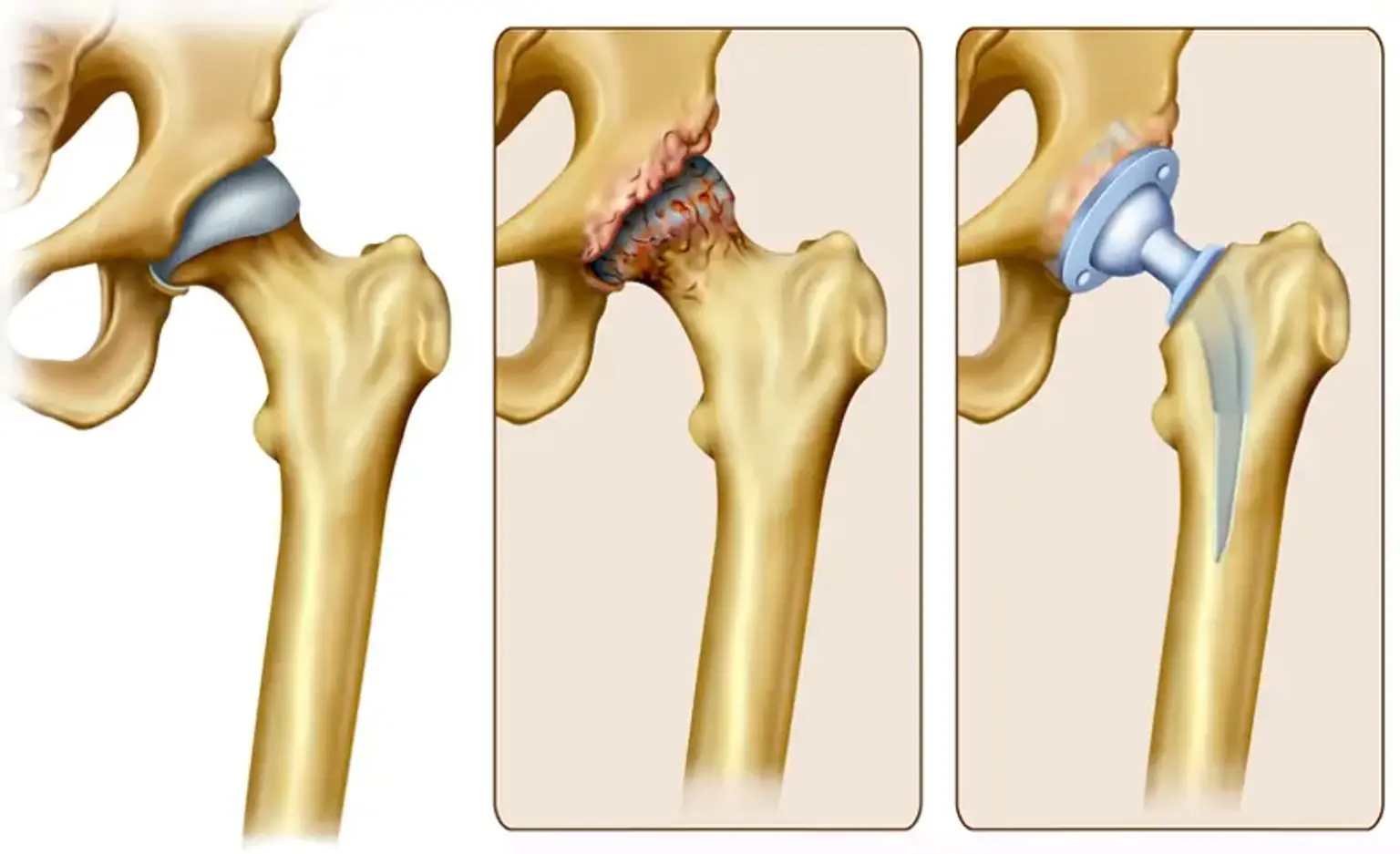
Joint replacement surgery, especially complex procedures like hip, knee, and shoulder replacements, is a life-changing treatment for patients suffering from severe joint pain due to arthritis, injury, or degeneration. These surgeries involve replacing damaged joints with artificial ones to restore mobility and improve quality of life. Over the years, advances in medical technology have made these procedures more efficient and accessible, benefiting millions globally.
Global Popularity and Advancements
Complex joint replacement surgeries have seen a significant rise worldwide, driven by aging populations, lifestyle factors, and the increasing prevalence of joint diseases. Modern advancements, including minimally invasive techniques and robotic-assisted surgeries, have contributed to more successful outcomes, quicker recoveries, and enhanced patient satisfaction. With increasing accessibility and improved technology, joint replacements are now one of the most common and effective surgical treatments.
Understanding Joint Replacement
What is Joint Replacement Surgery?
Joint replacement surgery involves removing a damaged joint and replacing it with an artificial one, often made from durable materials like metal, ceramic, or plastic. The goal is to reduce pain and restore function to the affected joint, allowing patients to resume daily activities with less discomfort. Common procedures include knee replacements, hip replacements, and shoulder replacements, though other joints may also be treated.
Who Needs Joint Replacement Surgery?
People with conditions like osteoarthritis, rheumatoid arthritis, or severe joint injuries often need joint replacement surgery. These conditions lead to pain, stiffness, and reduced mobility in the joints, which can significantly impair a person's quality of life. When nonsurgical treatments such as medication and physical therapy are no longer effective, joint replacement may be the best option for improving mobility and pain management.
The Role of Orthopedic Surgeons
Orthopedic surgeons specialize in diagnosing, treating, and surgically addressing joint issues. For joint replacement surgeries, a qualified orthopedic surgeon assesses the patient's overall health, joint condition, and lifestyle to determine if surgery is necessary. Their expertise ensures the right type of implant and surgical method is chosen to optimize outcomes and reduce the risk of complications.
The Procedure Explained
Pre-Surgical Assessment and Preparation
Before undergoing joint replacement surgery, patients undergo several assessments to ensure they are suitable candidates. This includes imaging tests like X-rays or MRIs to evaluate the extent of joint damage. Blood tests, heart evaluations, and discussions about medical history help determine any risks. Patients are also instructed on how to prepare, including stopping certain medications and arranging postoperative care.
The Surgery Process
On the day of surgery, patients are placed under anesthesia—either general anesthesia or a regional block. The surgeon then makes an incision near the affected joint, removes the damaged joint surfaces, and replaces them with an artificial joint. The procedure may take a few hours, depending on the complexity. For minimally invasive procedures, smaller incisions are made, leading to quicker recovery times.
Technological Advancements: Robotic-Assisted Surgery
One of the most notable advancements in joint replacement is robotic-assisted surgery. Robots enhance the surgeon's precision during the procedure, helping to align the joint components more accurately. This reduces the risk of complications, shortens recovery times, and improves the long-term functionality of the replacement. Robotic surgery is especially beneficial for patients who require a highly personalized approach to their joint replacement.
Types of Joint Implants
The artificial joints used in replacement surgeries come in a variety of materials, including metal alloys, ceramic, and polyethylene (plastic). These materials are chosen for their durability, low wear, and biocompatibility. Advances in implant technology have allowed for longer-lasting replacements that can better withstand the stress of daily activities and provide patients with improved mobility for years.
Recovery and Rehabilitation
Postoperative Recovery Timeline
After surgery, patients typically spend a few days in the hospital for monitoring and pain management. The recovery timeline can vary, but most patients are encouraged to start moving the joint gently within 24 to 48 hours to prevent stiffness. Full recovery can take several weeks to months, depending on the joint replaced and the patient's overall health. Patients usually experience significant pain relief within the first few weeks, and the function of the joint gradually improves as healing progresses.
Rehabilitation and Physical Therapy
Physical therapy is a crucial component of recovery. Early rehabilitation focuses on regaining mobility and reducing swelling. Later stages of therapy help strengthen the muscles around the joint and improve balance and flexibility. A dedicated physical therapist will guide patients through exercises tailored to their specific needs, ensuring a faster and safer recovery. Most patients see significant improvement within 6 to 12 weeks, though full recovery may take up to a year, depending on the surgery type.
Pain Management
Pain management after joint replacement is tailored to the individual. Common methods include medications like opioids (short-term), NSAIDs, or nerve blocks. Ice therapy and elevation can also help control swelling and pain during the early recovery stages. For some patients, nerve blocks or epidural anesthesia may be used during and after surgery to minimize discomfort. The goal is to keep pain manageable while facilitating early movement and rehabilitation.
Lifestyle Modifications Post-Surgery
Following joint replacement, patients may need to modify their daily activities temporarily. This could involve using mobility aids like crutches or walkers during the early stages of recovery. Gradually, patients can return to more regular activities, but high-impact activities like running or jumping may need to be avoided to protect the implant. Following the surgeon's guidelines on activity levels ensures the longevity of the artificial joint and prevents complications.
Risks, Complications, and Considerations
Potential Risks and Complications
While joint replacement surgery is generally safe, like all surgeries, it carries some risks. Common complications include infection, blood clots, and nerve damage. Less frequently, the implant may loosen or wear out prematurely. Some patients may experience temporary stiffness or a change in joint function. However, with modern techniques and proper post-surgical care, the incidence of severe complications remains low.
Managing Risks: Safety Protocols
To minimize risks, hospitals follow strict safety protocols. This includes the use of sterile techniques during surgery to prevent infections, deep vein thrombosis (DVT) prevention strategies, and careful monitoring during the postoperative period. Surgeons also ensure that the patient is fit for surgery, addressing any underlying health issues before proceeding. Close follow-up visits are scheduled to detect any issues early on, and most complications are easily managed with timely intervention.
Joint Replacement in Elderly Patients
Elderly patients are among the most common candidates for joint replacement surgery, especially for hip and knee replacements. However, they may have additional health concerns, such as cardiovascular issues or diabetes, which need careful consideration. Surgeons take extra precautions, such as modifying anesthesia protocols and closely monitoring vital signs. The recovery process for elderly patients may take longer, but the outcomes often result in significantly improved quality of life, reduced pain, and increased independence.
Long-Term Results and Benefits
Benefits of Joint Replacement Surgery
One of the most significant benefits of joint replacement surgery is the profound improvement in pain relief. Patients who previously struggled with severe pain from arthritis or joint damage often experience substantial relief post-surgery. This relief allows them to regain mobility and return to daily activities, such as walking, climbing stairs, or even participating in recreational activities. The psychological benefits of the procedure are also considerable, as many patients experience enhanced self-esteem and a renewed sense of independence, free from chronic pain. Overall, joint replacement improves the quality of life by reducing discomfort and restoring function.
Long-Term Outcomes and Success Rates
Joint replacement surgeries, especially for the hip and knee, are among the most successful and well-established orthopedic procedures. Studies show that the success rate for joint replacement is high, with over 90% of patients reporting improved function and pain relief after surgery. The longevity of the artificial joint also contributes to the success of the procedure, with most implants lasting 15-20 years or more. However, the long-term success of the surgery depends on several factors, including the patient’s age, activity level, and how well they follow post-surgical care instructions. While complications like implant loosening or infection are rare, they can sometimes occur, and early intervention is key to ensuring long-lasting results.
Financial and Insurance Aspects
Cost of Joint Replacement Surgery
The cost of complex joint replacement surgery varies widely based on the location, type of joint replaced, and whether the surgery is performed using advanced technology like robotics. In general, the total cost can range from $20,000 to $60,000 or more in many countries, including preoperative consultations, surgery, hospital stays, and rehabilitation. Patients with insurance coverage typically pay a portion of this cost, depending on their plan. Those without insurance may face higher out-of-pocket expenses. Some hospitals offer payment plans or financial assistance to help manage costs.
Global Accessibility and Popularity
While joint replacement surgery is a common procedure in high-income countries, it is becoming increasingly accessible in emerging economies. Countries such as India, Mexico, and Thailand have become popular destinations for "medical tourism," where patients can receive joint replacement surgeries at a fraction of the cost compared to Western countries. As surgical techniques and rehabilitation protocols improve worldwide, patients now have more options for affordable and effective treatment, regardless of their location. However, it is crucial for patients to choose reputable hospitals and qualified surgeons to ensure high-quality care and positive outcomes.
Frequently Asked Questions (FAQs)
How long is recovery after joint replacement surgery?
Recovery can take anywhere from 3 to 12 months, depending on the joint replaced and the patient's commitment to rehabilitation. However, most patients start feeling better within a few weeks.
What are the risks of joint replacement surgery?
While complications like infection or blood clots can occur, these risks are relatively rare. Choosing an experienced surgeon and following postoperative care instructions can minimize these risks.
Are robotic-assisted joint replacements better than traditional ones?
Robotic-assisted surgeries provide greater precision and may reduce recovery time. However, the outcomes of traditional joint replacement can be just as successful in many cases.
Is joint replacement surgery only for elderly patients?
No. Joint replacement is not limited to older adults. Younger patients with severe arthritis or joint injury can also benefit, though their recovery may be more challenging due to higher activity levels.
Conclusion
Future of Joint Replacement Surgery
The future of joint replacement surgery looks promising, with continuous advancements in technology and techniques. Innovations like 3D printing for custom implants, artificial intelligence for pre-surgical planning, and further improvements in robotic surgery will continue to enhance precision, recovery times, and patient satisfaction. Additionally, ongoing research into biomaterials and regenerative medicine may eventually lead to implants that last longer and even self-repair, offering even more durable solutions to joint pain.
Patient Testimonials and Success Stories
Many patients who have undergone joint replacement surgery share inspiring success stories. For example, a 70-year-old woman who had been unable to walk without a cane for years due to knee arthritis may find herself participating in light jogging just months after surgery. These success stories highlight the transformative power of joint replacement and the life-changing benefits it offers. The psychological and physical recovery is often just as rewarding as the functional improvement.