Introduction
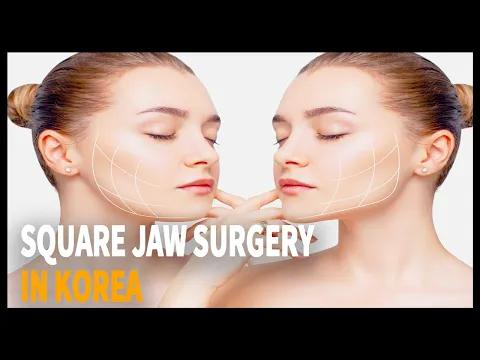
Facial bone contouring is a transformative procedure aimed at enhancing the shape and structure of the face. It involves reshaping the bones to create more balanced and harmonious features. This surgery is becoming increasingly popular worldwide, especially in regions like South Korea, where aesthetic surgery is widely sought after. Individuals looking to refine their appearance, address issues like a square jawline or high cheekbones, or simply achieve a more youthful look, often turn to facial bone contouring for a long-term solution.
What is Facial Bone Contouring?
Facial bone contouring is a cosmetic procedure that reshapes the underlying bone structure of the face to improve facial aesthetics. The goal is to achieve more balanced proportions by adjusting features like the jaw, cheekbones, chin, and forehead. Common surgeries involved include:
Cheekbone Reduction: Reducing prominent cheekbones to soften the face.
Jawline Contouring: Sculpting the jawline to create a more delicate or angular look, often referred to as "V-line surgery."
Malar Reduction: Reducing the size of the zygomatic bones (cheekbones) to enhance the overall facial symmetry.
These procedures are generally performed under anesthesia and involve surgical repositioning or removal of bone structures for a more harmonious facial appearance.
Types of Facial Bone Contouring Procedures
Several procedures are used to contour the face, depending on the patient’s goals:
Jawline Contouring: For individuals with a wide or square jaw, jawline contouring reshapes the lower jaw to create a more refined and symmetrical appearance. This can be done by removing a portion of the jawbone or reshaping the mandible.
Cheekbone Reduction: This surgery reduces the prominence of high cheekbones, creating a softer look that better fits the facial proportions. The cheekbones may be reduced or repositioned for a more balanced outcome.
V-Line Surgery: Popular in East Asia, V-line surgery focuses on narrowing the lower part of the face to create a sharper, more angular look that resembles the shape of the letter "V." This involves reshaping the jaw and chin area.
These surgeries are tailored to each individual’s unique facial structure, and multiple procedures can be combined for a comprehensive aesthetic change.
Benefits of Facial Bone Contouring Surgery
Facial bone contouring offers several aesthetic and psychological benefits:
Enhanced Facial Harmony: By reshaping the bones, the face gains a more balanced and proportionate appearance, making features appear more harmonious.
Increased Confidence: Many patients report a boost in self-esteem after the surgery, feeling more comfortable with their appearance.
Long-Lasting Results: Unlike temporary fillers or Botox, the changes made during bone contouring are permanent, offering patients a long-term solution to facial concerns.
Refined Features: For individuals with features they feel are too prominent, such as a strong jawline or high cheekbones, facial bone contouring can soften these areas for a more refined and delicate look.
Overall, facial bone contouring offers patients a lasting way to achieve their ideal facial structure, improving both their appearance and confidence.
Comprehensive Approach: Combining Different Techniques
In many cases, patients may opt for a combination of facial bone contouring procedures to achieve their ideal look. For example, jawline contouring and cheekbone reduction can be performed together to create a more refined and symmetrical face. Combining these techniques allows for a comprehensive approach, addressing multiple areas of the face in a single surgery, which ultimately leads to a more harmonious result.
Each patient’s needs are unique, and the combination of procedures is tailored to their facial structure and aesthetic goals. This holistic approach ensures that all features blend well, resulting in a more balanced and natural appearance. Experienced surgeons will carefully plan each step of the surgery to avoid any disproportionate changes and ensure the final outcome aligns with the patient’s expectations.
The Surgical Process: What to Expect
Facial bone contouring involves a detailed and precise surgical process. Before the surgery, a comprehensive consultation and planning phase takes place, often using advanced imaging technology to map out the best approach. Surgeons evaluate the patient’s facial anatomy to decide on the most suitable procedure and ensure that the reshaping will complement the existing structure.
During the surgery, which is typically performed under general anesthesia, the surgeon may make small incisions inside the mouth or along the hairline to minimize visible scarring. The bone is then reshaped, removed, or repositioned as needed. For added stability, titanium or absorbable screws are used to secure the bones in their new position.
The procedure can take several hours depending on the complexity and the number of areas being addressed. Post-surgery, the patient is monitored as they wake up from anesthesia and is closely observed for any complications.
Recovery After Facial Bone Contouring Surgery
Recovery after facial bone contouring varies by procedure, but generally, patients experience some swelling, bruising, and discomfort in the first few days. The recovery timeline can range from a few weeks for lighter procedures to several months for more extensive contouring.
For the first 48 hours, swelling is usually at its peak, and ice packs can help manage inflammation. Patients will need to follow strict post-operative care instructions, which include avoiding strenuous activities, keeping the head elevated while resting, and adhering to dietary recommendations (like soft foods). Stitches are usually removed within 1-2 weeks.
Full recovery from bone reshaping surgeries can take 3 to 6 months, during which time the bones heal, swelling decreases, and the final results begin to emerge. It’s essential to attend follow-up appointments to monitor healing and ensure that the bones have properly set in their new position.
Risks and Considerations
Like any surgical procedure, facial bone contouring carries risks. While complications are rare, it’s important to be aware of potential concerns:
Infection: As with any surgery, infection is a risk. Surgeons use sterile techniques, but patients must follow care instructions to avoid infection.
Nerve Damage: Nerve damage, especially around the jaw and chin, is a risk during bone reshaping. This can lead to numbness or altered sensation, though it’s typically temporary and resolves as the nerves heal.
Asymmetry: Although rare, there is a slight chance that the results may be asymmetrical, requiring touch-up procedures.
Swelling and Bruising: Post-operative swelling and bruising are common and should subside within a few weeks, but the full results may take months to reveal themselves.
Choosing an experienced, qualified surgeon significantly reduces the risk of complications. Thorough consultations, realistic expectations, and adherence to post-operative care can help ensure the best possible outcome.
The Role of Qualified Surgeons in Facial Bone Contouring
The success of facial bone contouring surgery largely depends on the skill and experience of the surgeon. It’s crucial to choose a board-certified surgeon who specializes in aesthetic or craniofacial surgery. These professionals are well-trained in the complex anatomy of the face and are equipped with advanced techniques to achieve precise, natural-looking results.
A qualified surgeon will take a detailed medical history, perform comprehensive imaging, and design a personalized treatment plan based on your facial anatomy. Surgeons who specialize in facial bone contouring use cutting-edge technology, such as 3D imaging and computer-assisted planning, to map out each step of the surgery with accuracy. It’s essential to choose a surgeon with a strong track record of successful outcomes, as well as positive patient testimonials, to ensure a safe and satisfying experience.
Cost Considerations and Accessibility
Facial bone contouring surgery can be a significant investment, with prices varying widely depending on the complexity of the procedure, the surgeon’s experience, and the location of the surgery. On average, the cost for a single procedure like jawline contouring may range from $5,000 to $15,000, while more extensive surgeries (e.g., combining jaw and cheekbone surgeries) could cost upwards of $20,000.
Other factors affecting the price include post-operative care, anesthesia, and the type of materials used (e.g., titanium screws). It’s important to understand that while the cost of the surgery can be substantial, it’s a one-time investment for long-term, permanent results. Some clinics offer financing options or payment plans to help make the procedure more accessible.
Non-Surgical Alternatives to Facial Bone Contouring
While surgical bone contouring offers permanent results, non-surgical alternatives can provide temporary enhancements without the need for invasive procedures. Techniques such as dermal fillers, Botox, and Kybella have become popular options for people looking to reshape their face without going under the knife.
Dermal Fillers: These injectables can add volume to the cheeks, jawline, or chin to improve facial contours. While results are not permanent, fillers can provide a subtle, natural enhancement that lasts several months.
Botox: Botox can be used to reduce the appearance of masseter muscle hypertrophy, softening the jawline and creating a slimmer profile.
Kybella: A non-surgical treatment that targets fat beneath the chin, Kybella helps reduce the appearance of a double chin, improving the overall shape of the jawline.
These alternatives are less invasive and require little to no downtime, but they typically do not achieve the same level of dramatic, long-term results as surgical contouring.
Global Popularity and Trends in Facial Bone Contouring
Facial bone contouring has gained significant popularity worldwide, particularly in countries where cosmetic surgery is a major cultural trend. South Korea, often considered the aesthetic surgery capital of the world, is a leader in facial bone contouring. Many individuals, especially in East Asia, opt for these procedures to achieve the ideal "V-line" face—an aesthetic associated with youthful, feminine beauty.
In the United States and Europe, facial bone contouring is also on the rise, with patients increasingly seeking jawline refinement, chin reshaping, and cheekbone reduction. While the demand may not be as high as in Asia, the procedure has gained traction among individuals looking to enhance their facial structure in a more permanent way.
As facial bone contouring grows in popularity, patients from all over the world are traveling to medical tourism hotspots where expert surgeons offer these procedures at competitive prices. This trend is expected to continue as the procedures become more accessible and widely recognized for their ability to enhance one’s appearance.
Combining Facial Bone Contouring with Skin-Tightening Procedures
After undergoing facial bone contouring, some patients opt for additional skin-tightening procedures to prevent sagging or looseness of the skin. Since the facial structure is altered, the skin may require extra support to maintain a smooth, youthful appearance.
Popular treatments include facelifts, mini-lifts, and laser skin tightening. These procedures complement bone contouring by tightening and lifting the skin to match the newly contoured structure. Many patients choose this combination for a more holistic result, as skin tightening ensures that the face looks naturally youthful and firm post-surgery.
Understanding the Psychological Impact of Facial Contouring
Facial bone contouring can have significant psychological benefits. Many patients report an increase in self-esteem and confidence after the procedure, particularly those who have struggled with features they feel are too prominent or asymmetrical.
However, it’s important to note that the decision to undergo surgery should be well-thought-out. Patients should have realistic expectations about the results and understand that the procedure enhances but does not completely transform one's identity. Psychological support and a thorough consultation with a surgeon can help ensure that patients are making an informed decision for the right reasons.
Patient Case Study: Real-Life Transformation
Let’s take the case of Sarah, a 32-year-old woman who felt self-conscious about her square jawline and high cheekbones. After a consultation, Sarah decided to undergo jawline contouring and cheekbone reduction. Within six months, she noticed a significant improvement in her facial profile. Not only did she gain a more balanced appearance, but her confidence also soared as she felt more comfortable in social and professional settings.
Sarah’s transformation highlights how facial bone contouring can enhance both physical appearance and emotional well-being. Although the recovery process took time, the long-term results were worth the effort.
Frequently Asked Questions (FAQs)
Q: How long is the recovery period after facial bone contouring?
A: Recovery time varies depending on the procedure. Mild swelling and bruising can last up to two weeks, but full recovery may take 3 to 6 months.
Q: Is the procedure painful?
A: Most patients report minimal pain during the recovery phase, which is manageable with prescribed medication.
Q: Can facial bone contouring be reversed?
A: Since the procedure involves permanent bone reshaping, it cannot be easily reversed. It’s important to carefully consider the decision before proceeding.
Q: Are the results natural-looking?
A: When performed by a skilled surgeon, facial bone contouring provides natural, harmonious results that enhance facial features without an exaggerated look.
Long-Term Results: What to Expect
Facial bone contouring delivers permanent results, which is one of the main advantages of the procedure. Once the bones heal and settle in their new positions, the changes are long-lasting, offering patients a new facial structure that remains stable over time. While natural aging will continue, the reshaped bones will provide a solid foundation that prevents the need for frequent touch-ups.
That said, some patients may choose to undergo complementary treatments, like non-surgical procedures, to maintain a youthful look or address any slight changes in skin elasticity as they age.
Considerations for Different Age Groups
Facial bone contouring is popular among both younger and older patients, though the reasons for choosing the surgery may differ. Younger patients often seek bone contouring to refine their facial features, correct asymmetry, or achieve a more idealized look, such as a sharper jawline or smaller chin.
Older patients, on the other hand, may choose facial contouring as part of an overall rejuvenation strategy. For them, contouring can help reverse the effects of aging, such as sagging skin and a less defined jawline, while restoring facial harmony. Regardless of age, it’s crucial that the surgeon assesses the patient’s skin quality, bone density, and overall health before proceeding with surgery.
Post-Surgical Care: Essential Tips for a Smooth Recovery
Proper post-operative care is vital to achieving the best results and minimizing complications after facial bone contouring. Here are some essential tips for a smooth recovery:
Rest and Recovery: After surgery, avoid strenuous activities for at least 3-4 weeks. Rest and keep your head elevated to reduce swelling.
Diet: Stick to soft foods that don’t require much chewing. Avoid spicy or hot foods to reduce irritation around the surgery site.
Follow-Up Appointments: Attend all follow-up appointments to monitor the healing process. Your surgeon will check for any complications and ensure that the bones are healing correctly.
Avoid Smoking: Smoking can delay healing and increase the risk of complications. It’s best to refrain from smoking for several weeks post-surgery.
By following these guidelines, most patients can expect a relatively smooth recovery process and optimal final results.
Conclusion
Facial bone contouring is a life-changing procedure that can enhance the balance and harmony of your face. Whether you’re looking to refine your jawline, soften your cheekbones, or achieve a more youthful appearance, bone contouring provides long-lasting results.
Before undergoing the procedure, it’s important to consult with a qualified surgeon to discuss your goals, expectations, and any potential risks. With careful planning and proper aftercare, facial bone contouring can give you the enhanced look you’ve always desired, improving both your appearance and confidence for years to come.
If you’re considering facial bone contouring, take the time to research, evaluate your options, and make sure it aligns with your personal goals. With the right care and the right surgeon, this procedure can truly transform your face and your life.