Introduction
Comprehensive joint reconstruction surgery refers to a set of advanced surgical procedures designed to repair or replace damaged joints. This type of surgery is particularly crucial for patients suffering from chronic pain, reduced mobility, or severe joint degeneration due to conditions like arthritis, trauma, or wear and tear. The goal is to restore the joint’s function, alleviate pain, and improve the patient's quality of life.
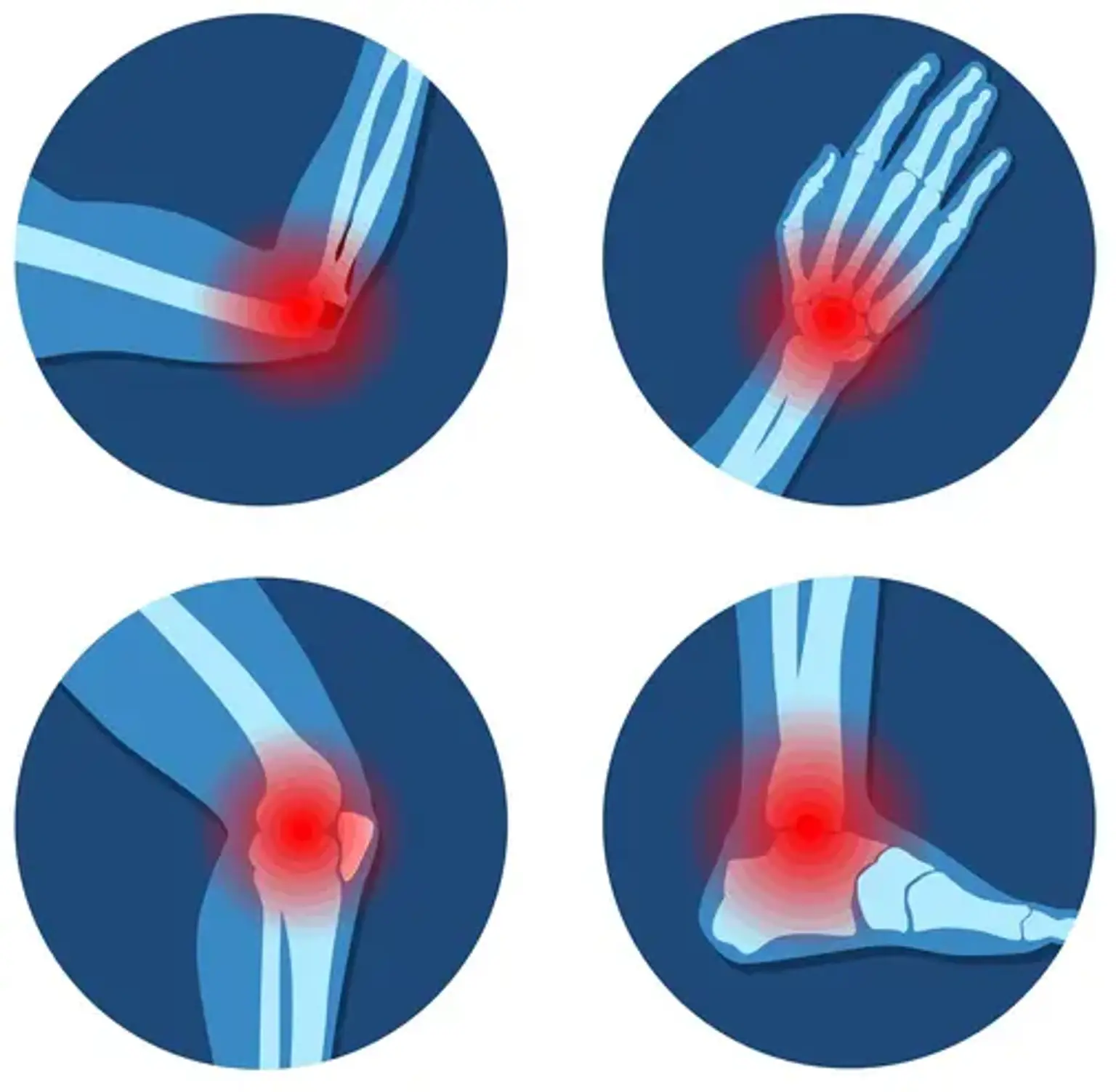
Joints that most commonly undergo reconstruction include the knee, hip, shoulder, and ankle. Whether through full joint replacement or partial joint repair, the procedure aims to return the patient to their normal daily activities with minimal discomfort. Joint reconstruction has seen significant advancements in recent years, with minimally invasive techniques making recovery faster and more efficient.
The Need for Joint Reconstruction Surgery
The need for joint reconstruction surgery arises from various causes, including traumatic injuries, osteoarthritis, and other degenerative diseases. As we age, our joints naturally undergo wear and tear, which can result in pain, stiffness, and loss of function. Arthritis is one of the most common conditions that necessitate joint reconstruction, as it causes inflammation and damage to the cartilage that cushions the joints.
For many patients, joint reconstruction offers a significant improvement in their quality of life, reducing chronic pain and increasing mobility. When non-surgical methods like physical therapy, medications, and lifestyle changes are no longer effective, surgery becomes a viable solution to restore joint function and alleviate discomfort.
Comprehensive Joint Reconstruction Surgery vs. Other Surgical Procedures
There are several surgical options for joint problems, but comprehensive joint reconstruction stands out due to its ability to fully restore joint function. Unlike simple joint repair or arthroscopy, which may address only the symptoms or small injuries, joint reconstruction aims to repair or replace the entire joint structure.
For instance, a total knee replacement involves removing the damaged cartilage and bone and replacing them with prosthetic components. In contrast, arthroscopy may involve minimally invasive techniques where small incisions are made to repair soft tissue damage within the joint. Comprehensive joint reconstruction is often recommended when the joint is severely damaged, and non-invasive treatments cannot provide relief.
The advantage of joint reconstruction is its ability to provide long-lasting pain relief and improve mobility in cases of significant joint damage. With advanced techniques, recovery time has decreased, making it more accessible to a wider range of patients.
Understanding Joint Reconstruction: A Broad Overview
Joint reconstruction surgery encompasses a range of techniques, but the primary goal remains the same: to restore mobility and reduce pain for patients suffering from joint damage. Unlike simpler procedures such as joint repair or arthroscopy, comprehensive joint reconstruction often involves replacing or rebuilding the entire joint.
There are two main approaches:
Total Joint Replacement: This involves replacing the damaged joint with a prosthesis, typically made from metal, plastic, or ceramic.
Partial Joint Replacement: In cases where the damage is not widespread, only the affected part of the joint is replaced.
Depending on the joint and the extent of the damage, your surgeon may recommend one option over the other. The advancements in prosthetic design and surgical techniques have made joint reconstruction an effective solution for restoring functionality.
Who is a Candidate for Joint Reconstruction Surgery?
Not everyone with joint pain or damage is a candidate for joint reconstruction. Generally, this surgery is considered for patients who have:
Severe arthritis or joint degeneration
Chronic pain that limits daily activities
Insufficient improvement from conservative treatments like medications or physical therapy
Patients should also be in generally good health to ensure a smoother recovery process. Your orthopedic surgeon will assess factors such as age, weight, overall health, and the degree of joint damage before recommending surgery.
Types of Joint Reconstruction Procedures
There are several types of joint reconstruction surgeries, each tailored to the specific joint and degree of damage. Some of the most common types include:
Knee Reconstruction: This includes both total knee replacement (replacing the entire joint) and partial knee replacement (replacing only the damaged portion). It is often recommended for patients with severe osteoarthritis or joint degeneration.
Hip Reconstruction: A total hip replacement involves removing the damaged parts of the hip joint and replacing them with a prosthetic. It is commonly performed to treat arthritis or hip fractures.
Shoulder Reconstruction: This surgery may involve total shoulder replacement or procedures to repair torn ligaments, damaged cartilage, or bone issues. It’s often used to treat arthritis or sports injuries.
Ankle Reconstruction: This surgery is typically done to repair damaged cartilage or bones caused by trauma or degenerative conditions. It can involve joint replacement or stabilization of the ankle joint.
Each of these procedures has specific goals and recovery expectations, tailored to the patient’s individual condition.
Risks and Complications of Joint Reconstruction Surgery
Like all surgeries, joint reconstruction comes with certain risks and potential complications. Some of the most common risks include:
Infection: The surgical site can become infected, though this is relatively rare with proper care.
Blood Clots: Blood clots can form in the legs after surgery, but anticoagulants and early mobilization reduce this risk.
Nerve Damage: In some cases, the nerves surrounding the joint can be injured during surgery.
Implant Failure: Although rare, prosthetic joints can sometimes wear out or become dislodged over time.
It’s crucial to follow your surgeon’s post-operative care instructions to minimize risks and ensure a successful recovery.
Recovery and Rehabilitation After Joint Reconstruction
After joint reconstruction surgery, the recovery process is crucial to restoring mobility and strength. The initial recovery period typically lasts a few weeks, during which patients are advised to rest and avoid putting weight on the joint. Pain management strategies, including medications and ice therapy, are used to minimize discomfort.
Physical therapy is a vital part of recovery, beginning soon after surgery. It helps restore range of motion, rebuild muscle strength, and improve flexibility. Your physical therapist will guide you through gentle exercises, progressing as your joint heals. The timeline for full recovery can vary, but most patients return to normal activities within 3 to 6 months, with some needing up to a year for complete recovery.
The Procedure: What to Expect During Joint Reconstruction Surgery
Joint reconstruction surgery typically begins with a thorough evaluation by your orthopedic surgeon, who will determine the extent of the damage and recommend the best procedure. The surgery itself usually takes several hours, depending on the joint being treated.
The procedure generally involves either an open approach or minimally invasive technique. Open surgery requires larger incisions to access the joint, while minimally invasive surgery uses smaller incisions and special instruments, resulting in faster recovery times. Anesthesia is administered to ensure the patient is comfortable throughout the operation.
Once the damaged joint is accessed, the surgeon removes the affected cartilage or bone. In the case of joint replacement, the damaged parts are replaced with prosthetic components designed to mimic the natural function of the joint. The surgery may also involve realigning the joint or stabilizing ligaments.
Minimally Invasive Joint Reconstruction: The Future of Surgery
Minimally invasive joint reconstruction surgery is transforming the way joint procedures are performed. Unlike traditional surgeries that require large incisions, minimally invasive techniques involve small cuts and specialized instruments, leading to a number of significant benefits. These include less trauma to the tissues, reduced blood loss, and faster recovery times.
In addition, minimally invasive surgery often results in shorter hospital stays and less post-operative pain, allowing patients to return to their normal routines more quickly. Robotic-assisted surgery is a key part of this innovation, offering greater precision during the procedure, which reduces the risk of complications and enhances the accuracy of implant placement.
For many patients, minimally invasive joint reconstruction has become the preferred method, especially for those with active lifestyles who want a quicker recovery and minimal scarring.
Cost of Comprehensive Joint Reconstruction Surgery
The cost of joint reconstruction surgery can vary depending on several factors, including the type of joint being treated, the complexity of the surgery, and the geographic location of the surgery. On average, total joint replacement procedures can range from $15,000 to $40,000 or more. Additional costs for hospital stays, rehabilitation, and post-surgery care can also contribute to the total cost.
Many patients with insurance coverage can expect a significant portion of the cost to be covered, though this can depend on the insurance plan. Some procedures, like minimally invasive joint replacement, may cost more due to the advanced technology used. Financial assistance programs and payment plans are also available to help manage the cost of surgery.
The investment in joint reconstruction surgery is often seen as worthwhile due to the long-term benefits it provides, including pain relief, improved function, and the ability to resume everyday activities.
Innovations in Joint Reconstruction Surgery
Recent advancements in joint reconstruction surgery have revolutionized the field, leading to faster recovery and better outcomes. Key innovations include robotic-assisted surgery, which provides greater precision in joint placement and alignment. This technology allows for smaller incisions, less trauma to surrounding tissue, and quicker recovery.
Additionally, new materials for implants, such as more durable metals, ceramics, and polyethylene, have improved the longevity and performance of prosthetic joints. 3D imaging and custom implants tailored to the patient’s anatomy also enhance surgical accuracy and outcomes, reducing complications and implant failure rates.
These innovations are making joint reconstruction procedures more accessible, safer, and effective, with a focus on improving both short-term and long-term recovery for patients.
Joint Reconstruction for Athletes and Active Individuals
Joint reconstruction surgery is often necessary for athletes and active individuals who suffer from joint damage due to intense physical activity or sports-related injuries. Whether it's a torn ligament in the knee or a damaged hip joint, surgery can restore the function of the joint, enabling athletes to return to their sports with minimal long-term issues.
The procedure can also be a game-changer for those who have tried physical therapy and other non-surgical treatments without success. In many cases, joint reconstruction surgery allows athletes to regain strength, flexibility, and mobility, making it possible to continue playing their sport at a competitive level.
However, the recovery time for athletes may vary depending on the procedure and the level of activity required. Professional athletes may take longer to recover and may require tailored rehabilitation programs to ensure they return to their sport safely and effectively.
Global Popularity of Joint Reconstruction Surgery
Joint reconstruction surgery is becoming increasingly popular worldwide, particularly in aging populations. As life expectancy increases, so does the prevalence of joint issues such as arthritis and degenerative diseases, which often lead to the need for joint replacement or reconstruction. According to global health statistics, the number of joint replacement surgeries, especially hip and knee replacements, continues to rise every year.
Countries with well-established healthcare systems, such as the United States, the United Kingdom, and Germany, are seeing a high volume of these procedures. However, demand is also growing in developing nations as access to advanced medical treatments improves. The rise in global popularity is driven by an aging population, improved surgical techniques, and a growing awareness of the benefits of joint reconstruction surgery.
The accessibility and effectiveness of these procedures continue to make joint reconstruction a standard solution for individuals dealing with severe joint pain and mobility issues, regardless of their location.
Expected Results: What to Expect Post-Surgery
The results of joint reconstruction surgery are typically very positive, with most patients experiencing significant pain relief and improved mobility. The primary goal of the surgery is to restore function to the joint and enable the patient to return to daily activities with less discomfort.
After the recovery period, patients can expect increased joint stability and strength. For instance, knee reconstruction can improve walking and climbing stairs, while shoulder reconstruction may restore the ability to lift the arm. While some patients may experience mild discomfort or stiffness post-surgery, the long-term benefits often outweigh these temporary issues. The success rate for joint reconstruction is high, especially with modern surgical techniques.
How to Choose a Qualified Surgeon for Joint Reconstruction
Choosing the right orthopedic surgeon is critical to the success of joint reconstruction surgery. When seeking a surgeon, patients should prioritize qualifications, experience, and a proven track record in performing the specific type of joint surgery needed.
Here are some important factors to consider:
Board Certification: Ensure the surgeon is board-certified in orthopedic surgery, indicating they have met specific educational and professional standards.
Specialization: Look for a surgeon who specializes in joint reconstruction, particularly for the specific joint you need surgery on (knee, hip, shoulder, etc.).
Experience and Success Rates: Ask about the surgeon's experience with the procedure, their success rates, and any patient testimonials or reviews.
Technology and Techniques: A skilled surgeon should be well-versed in the latest techniques, including minimally invasive and robotic-assisted surgery, to ensure the best possible outcomes.
Patients should also feel comfortable with their surgeon and should ask questions about the procedure, risks, and expected recovery time. A confident, well-informed surgeon will provide clear answers and help you feel at ease with your decision.
Post-Surgery Care and Monitoring
After joint reconstruction surgery, the initial care focuses on pain management, wound care, and preventing complications. Patients are typically monitored in the hospital for a day or two to ensure there are no issues like infection or blood clots. Pain is managed through medications, ice therapy, and elevation to reduce swelling.
Once discharged, follow-up appointments with your surgeon will be necessary to track healing progress and detect any complications early. Physical therapy continues to play a vital role in restoring joint function, helping you regain strength and flexibility. Patients are encouraged to stay active within their limits and avoid strenuous activities until cleared by their doctor.
Long-Term Success and Maintenance of Joint Reconstruction
Long-term success after joint reconstruction surgery depends on several factors, including the type of surgery performed, the patient’s age, overall health, and commitment to rehabilitation. Many patients experience long-lasting benefits such as improved function and reduced pain, with prosthetic joints typically lasting 15 to 20 years before they may require revision surgery.
Maintaining a healthy weight, staying active within your limitations, and regularly engaging in strengthening exercises are key to preserving the function of the reconstructed joint. Additionally, routine check-ups with your orthopedic surgeon can help monitor the longevity of implants and ensure the joint is functioning well.
The Psychological Impact of Joint Reconstruction Surgery
Undergoing joint reconstruction surgery not only affects the body but also the mind. For many, the prospect of regaining mobility and reducing pain is a huge emotional relief. However, the recovery process can be challenging and may lead to feelings of frustration, especially during the early stages of rehabilitation.
Support from family, friends, and healthcare providers is crucial. Patients should also be prepared for potential emotional ups and downs as they navigate the physical challenges of recovery. Having realistic expectations about recovery time and results can help ease anxiety and improve overall mental well-being.
Conclusion
Comprehensive joint reconstruction surgery offers a life-changing solution for individuals suffering from chronic joint pain and mobility issues. With advancements in surgical techniques, faster recovery times, and a focus on long-term functionality, this procedure has become an effective option for many.
While it’s not the right choice for everyone, those who meet the criteria and have exhausted other treatment options may find significant relief through surgery. Consulting with a qualified orthopedic surgeon is the best way to determine if joint reconstruction is the right solution for you. With proper care, rehabilitation, and realistic expectations, the results of joint reconstruction surgery can enhance your quality of life and restore your independence.