Introduction
Orthopedic care focuses on diagnosing, treating, and preventing conditions related to the musculoskeletal system, which includes bones, joints, muscles, ligaments, and tendons. Comprehensive orthopedic care is essential for improving mobility and quality of life for individuals affected by musculoskeletal disorders. It ranges from routine joint pain management to complex surgeries, ensuring that patients receive personalized and effective treatment throughout their recovery journey.
What is Orthopedic Surgery?
Orthopedic surgery is a medical specialty that involves surgical procedures to treat injuries, diseases, and disorders of the musculoskeletal system. It covers a wide range of procedures, such as joint replacements, fracture repairs, and spinal surgeries. Orthopedic surgeons are highly trained to address both the structural and functional aspects of bone and joint health. Whether a patient is dealing with arthritis, fractures, or degenerative conditions, orthopedic surgery offers a solution for long-term relief and recovery.
Common Orthopedic Conditions and Their Treatment
Some of the most common conditions treated in orthopedic care include:
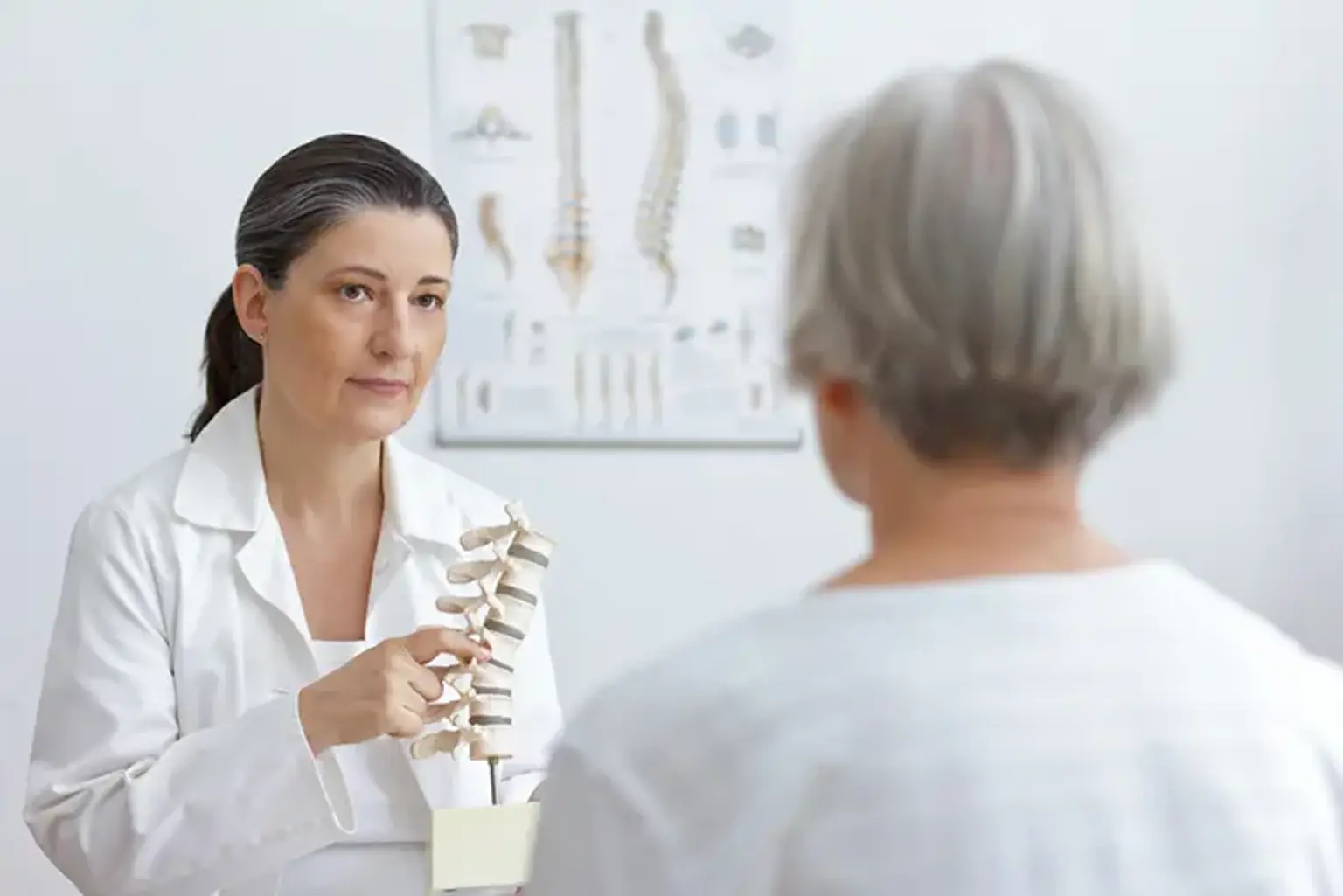
Arthritis: Joint inflammation causing pain and stiffness. Treatment options include medication, physical therapy, and in some cases, joint replacement.
Fractures: Broken bones that may require surgery or a cast for healing. Prompt treatment is crucial to ensure proper bone alignment and recovery.
Sports Injuries: Injuries like ligament tears or sprains often require surgical intervention or rehabilitation through physical therapy.
Scoliosis: A condition where the spine curves abnormally. Severe cases may require spinal surgery to correct posture and alleviate discomfort.
Orthopedic treatment is tailored to each condition, ranging from non-surgical methods like physical therapy and injections to surgical interventions when necessary.
Joint Replacement: A Lifesaver for Many Patients
Joint replacement surgery, most commonly for the knee and hip, is one of the most successful orthopedic procedures. It involves replacing a damaged joint with an artificial one, often made of metal, plastic, or ceramic materials. These procedures help individuals regain mobility, reduce pain, and improve their quality of life.
Advancements in joint replacement surgery, such as minimally invasive techniques, have reduced recovery times and improved outcomes. While the recovery process varies by individual, most patients can return to normal activities within a few months. For those suffering from chronic joint pain due to arthritis or injury, joint replacement offers a lasting solution that significantly enhances mobility and daily function.
Fracture Management and Healing
Fractures are a common orthopedic concern, ranging from simple bone breaks to more complex fractures that require surgical intervention. Effective fracture management is crucial to ensure proper healing and restore function. The treatment approach depends on the type of fracture—simple fractures may heal with immobilization using casts or braces, while more severe fractures might require surgical procedures such as internal fixation or bone grafting.
Healing time varies, but most fractures take 6-8 weeks to heal. During recovery, patients are often advised to follow a rehabilitation plan, which may include physical therapy to regain strength and mobility. Proper nutrition, including calcium and vitamin D, is also essential to support bone healing.
Sports Injuries: A Specialized Area of Orthopedic Care
Sports injuries are a significant aspect of orthopedic care, affecting athletes of all levels. Common injuries include ligament tears, muscle strains, and fractures, especially in high-contact sports like football and basketball. One of the most frequent sports injuries is an ACL (anterior cruciate ligament) tear, typically treated with surgery followed by rehabilitation to restore stability to the knee.
Orthopedic care for sports injuries not only focuses on immediate treatment but also on long-term recovery and prevention. Physical therapy plays a vital role in strengthening muscles and improving flexibility, helping athletes return to their sport with reduced risk of re-injury. Prevention strategies, such as proper training techniques and equipment, are also essential components of sports injury management.
Spine Surgery: Treating Back Pain and Disorders
Back pain is one of the most common reasons people seek orthopedic care. Conditions like herniated discs, spinal stenosis, and scoliosis can cause chronic pain and limit mobility. In severe cases, spine surgery may be necessary to alleviate pressure on the nerves or correct spinal alignment.
Minimally invasive spine surgery has revolutionized treatment, offering smaller incisions, less pain, and faster recovery. These techniques are used for conditions like disc herniation or degenerative disc disease. After surgery, patients typically undergo physical therapy to strengthen their back muscles and prevent future issues. Most people experience significant relief from pain and improved function post-surgery.
The Role of Physical Therapy in Orthopedic Care
Physical therapy is a cornerstone of orthopedic care, particularly during recovery from surgery or injury. After procedures like joint replacement or ligament repair, physical therapy helps patients regain strength, mobility, and flexibility. Therapists use a variety of techniques, including exercises, manual therapy, and modalities like heat and ice, to reduce pain and improve function.
In addition to post-surgical rehabilitation, physical therapy is used as a proactive measure for managing chronic conditions such as arthritis or tendinitis. A tailored exercise regimen can reduce pain, improve joint function, and enhance overall quality of life. Whether recovering from surgery or preventing injury, physical therapy is integral to a successful orthopedic treatment plan.
Minimally Invasive Surgery: A Revolution in Orthopedics
Minimally invasive surgery (MIS) has transformed the way orthopedic procedures are performed, offering significant benefits over traditional open surgeries. In MIS, smaller incisions are made, which leads to less tissue damage, reduced scarring, and shorter recovery times. These techniques are commonly used in joint replacement surgeries, spine surgeries, and ligament repairs.
For example, in knee and hip replacement surgeries, surgeons can now use robotic-assisted technology to guide the placement of implants with greater precision, improving outcomes. Patients benefit from less postoperative pain, reduced risk of infection, and a faster return to daily activities. Overall, minimally invasive surgery has greatly enhanced patient experiences and surgical outcomes in orthopedic care.
Pain Management in Orthopedic Care
Pain management is an essential aspect of orthopedic care, addressing the discomfort caused by musculoskeletal conditions or surgical recovery. Non-surgical pain management options include medications such as anti-inflammatory drugs, acetaminophen, and prescription pain relievers. For chronic pain, treatments like corticosteroid injections, nerve blocks, or platelet-rich plasma (PRP) therapy are used to reduce inflammation and promote healing.
In addition to medication, physical therapy and alternative therapies like acupuncture and massage can be effective in managing pain. For patients undergoing orthopedic surgery, pain management strategies also include regional anesthesia and post-surgical pain control to ensure a smoother recovery process. The goal is to alleviate pain while minimizing side effects and improving overall function.
Arthritis: Managing Joint Pain and Disability
Arthritis is one of the most prevalent musculoskeletal conditions, affecting millions worldwide. It causes inflammation and pain in the joints, which can significantly impact daily life. The two most common types of arthritis are osteoarthritis (OA) and rheumatoid arthritis (RA). OA occurs when the cartilage in joints wears down over time, while RA is an autoimmune condition where the body attacks its own joints.
Treatment options for arthritis focus on pain relief, reducing inflammation, and improving joint function. Non-surgical treatments include medications, physical therapy, and lifestyle changes such as weight management and exercise. For severe cases, surgical interventions like joint replacement may be necessary to restore mobility and reduce pain. Advances in biologic treatments, such as injections of hyaluronic acid or PRP therapy, are also showing promise in managing arthritis symptoms and improving joint health.
The Importance of Bone Health and Osteoporosis Prevention
Bone health plays a critical role in orthopedic care, as strong bones provide a solid foundation for the body’s joints and muscles. Osteoporosis, a condition where bones become brittle and fragile, is a major concern, particularly in older adults. It increases the risk of fractures, especially in the spine, hips, and wrists. Preventing osteoporosis and maintaining bone density are key focuses in orthopedic care.
Prevention strategies include regular weight-bearing exercise, a diet rich in calcium and vitamin D, and medications that can slow bone loss. Early detection through bone density tests helps identify those at risk. For individuals with osteoporosis, treatments may include medications like bisphosphonates or hormone therapy to strengthen bones and prevent fractures. Orthopedic care is integral to managing bone health and preventing the debilitating effects of osteoporosis.
Orthopedic Implants: What Patients Need to Know
Orthopedic implants are devices used in surgeries to replace or support damaged joints, bones, or tissues. Common examples include knee and hip implants, which are used in joint replacement surgeries, and spinal implants, which stabilize the spine after surgery. These implants are usually made from durable materials like titanium, stainless steel, or ceramics, designed to mimic the natural movement of joints and provide long-lasting support.
For patients undergoing joint replacement, it’s essential to understand the types of implants available, their benefits, and potential risks. The lifespan of an implant can vary, but modern designs can last 15–20 years or more with proper care. Post-surgical monitoring is important to ensure the implant is functioning correctly and that no complications, like infections or wear, occur.
Post-Surgical Recovery: What to Expect After Orthopedic Surgery
Recovery after orthopedic surgery varies depending on the procedure, but there are common stages for most patients. Immediately after surgery, pain management is prioritized, and most patients will be advised to limit movement and rest. Over time, patients can expect gradual improvement as they engage in physical therapy, which is essential for restoring strength, flexibility, and function.
For major surgeries like joint replacement or spinal procedures, recovery might take a few months, with full rehabilitation potentially lasting up to a year. During this period, patients are encouraged to follow their surgeon’s instructions for mobility, nutrition, and activity to ensure proper healing. With the right care and rehabilitation, most patients experience a significant reduction in pain and can return to normal activities with improved function.
Safety Protocols in Orthopedic Care
Safety is a top priority in orthopedic care, particularly when it comes to surgeries. Before any procedure, patients undergo a pre-surgical assessment to evaluate their overall health and suitability for surgery. This includes blood tests, imaging, and sometimes physical examinations to ensure no underlying conditions could complicate the surgery.
In the operating room, strict infection control measures are followed, including sterilization of equipment and use of antibiotics. Anesthesia safety is also a key component, with anesthesia specialists monitoring the patient throughout the procedure. Post-surgical care includes regular check-ups to monitor recovery, detect any potential complications like infection, and ensure the surgical site is healing properly. Safety protocols are essential to achieving the best outcomes and minimizing risks.
Qualified Practitioners in Orthopedic Care
Choosing the right orthopedic practitioner is crucial to receiving effective care. Orthopedic surgeons are specialized medical professionals who have completed extensive training, including medical school, residency, and often fellowship training in specific areas like joint replacement or spine surgery. Their expertise is essential for diagnosing complex musculoskeletal conditions and recommending the best treatment options.
Patients should seek a qualified orthopedic surgeon who is board-certified, has relevant experience in the specific procedure they need, and is committed to ongoing education to stay up-to-date with the latest advancements. It’s also important to feel comfortable and confident in the doctor-patient relationship. Many surgeons offer consultations to discuss treatment options and expected outcomes, ensuring that patients are fully informed before proceeding with any procedure.
Pediatric Orthopedic Care: Addressing Musculoskeletal Issues in Children
Orthopedic care isn't just for adults. Pediatric orthopedic care focuses on treating musculoskeletal issues in children, from birth through adolescence. Children’s bones, muscles, and joints are still growing, which means their treatment needs differ significantly from those of adults. Common pediatric orthopedic issues include clubfoot, hip dysplasia, scoliosis, and fractures. Early intervention is crucial for ensuring proper growth and development.
Treatment for children may involve physical therapy, braces, casting, or surgery, depending on the severity of the condition. Pediatric orthopedic surgeons are specially trained to address these unique concerns and ensure that children can grow up with strong, healthy bones and joints. Monitoring growth and development is key to preventing long-term issues and ensuring optimal musculoskeletal health throughout childhood.
Geriatric Orthopedic Care: Managing Age-Related Musculoskeletal Conditions
As people age, musculoskeletal problems like arthritis, osteoporosis, and degenerative disc disease become more common. Geriatric orthopedic care focuses on managing and treating these age-related conditions, helping older adults maintain their mobility and independence. The goal is to reduce pain, improve function, and enhance quality of life.
For older patients, the focus is often on non-surgical treatments like pain management, physical therapy, and joint injections. However, surgical interventions, such as joint replacement, may be necessary for severe conditions. Orthopedic care for the elderly also emphasizes fall prevention, bone health, and maintaining an active lifestyle to prevent further degeneration and improve overall wellness.
The Role of Technology in Modern Orthopedics
Advancements in technology have dramatically improved the field of orthopedics, from more precise diagnostic tools to innovative surgical techniques. Robotic-assisted surgery, for example, allows surgeons to perform procedures with greater precision and fewer complications. These technologies also enable minimally invasive surgeries, which reduce recovery time and improve outcomes for patients.
Other technological advances include 3D imaging for better pre-surgical planning, wearable devices that monitor patient movement, and virtual reality for rehabilitation exercises. By integrating cutting-edge technology, orthopedic practitioners are able to offer more accurate, efficient, and personalized care. This not only improves patient outcomes but also enhances the overall experience throughout treatment and recovery.
The Global Popularity of Orthopedic Care: Trends and Accessibility
Orthopedic care is in high demand worldwide, with millions of people seeking treatment for musculoskeletal conditions each year. Global trends show an increasing need for orthopedic services, particularly in aging populations and regions with rising rates of obesity, which can lead to joint problems and other musculoskeletal issues.
Access to orthopedic care varies by country and region, with many developed nations offering advanced treatments and technologies. However, there are still significant disparities in access, particularly in lower-income countries where resources for surgeries, rehabilitation, and even basic diagnostic tools may be limited. Despite these challenges, there has been a growing effort to improve access to quality orthopedic care globally, with initiatives focusing on education, telemedicine, and surgical missions to underserved areas.
As orthopedic care continues to evolve, advancements in treatments, technology, and accessibility will make it easier for people around the world to receive the care they need, ensuring that musculoskeletal health remains a priority for future generations.
Conclusion
Comprehensive orthopedic care is essential for maintaining musculoskeletal health and improving quality of life for individuals of all ages. From pediatric to geriatric care, orthopedic treatments address a wide range of conditions, from fractures and sports injuries to complex surgeries like joint replacements and spine operations. Advances in technology, including minimally invasive surgery and robotic-assisted procedures, have revolutionized how orthopedic care is delivered, ensuring quicker recoveries and better outcomes for patients.
Moreover, as the global population continues to age and lifestyle-related conditions rise, the demand for orthopedic care will only grow. It's crucial for patients to seek timely treatment and work closely with qualified orthopedic professionals to receive personalized care. Whether managing chronic pain, recovering from surgery, or preventing injury, comprehensive orthopedic care remains fundamental in helping people maintain mobility, independence, and a high quality of life.