Introduction
Corneal transplant surgery, also known as keratoplasty, is a life-changing procedure that helps restore vision for those suffering from severe corneal diseases. The cornea, the clear, dome-shaped surface at the front of the eye, is essential for focusing light and enabling clear vision. When the cornea becomes damaged due to disease, injury, or infection, it can result in blurred vision or even blindness. For patients with conditions like keratoconus, corneal scarring, or Fuchs' dystrophy, a corneal transplant can provide a chance to regain their sight.
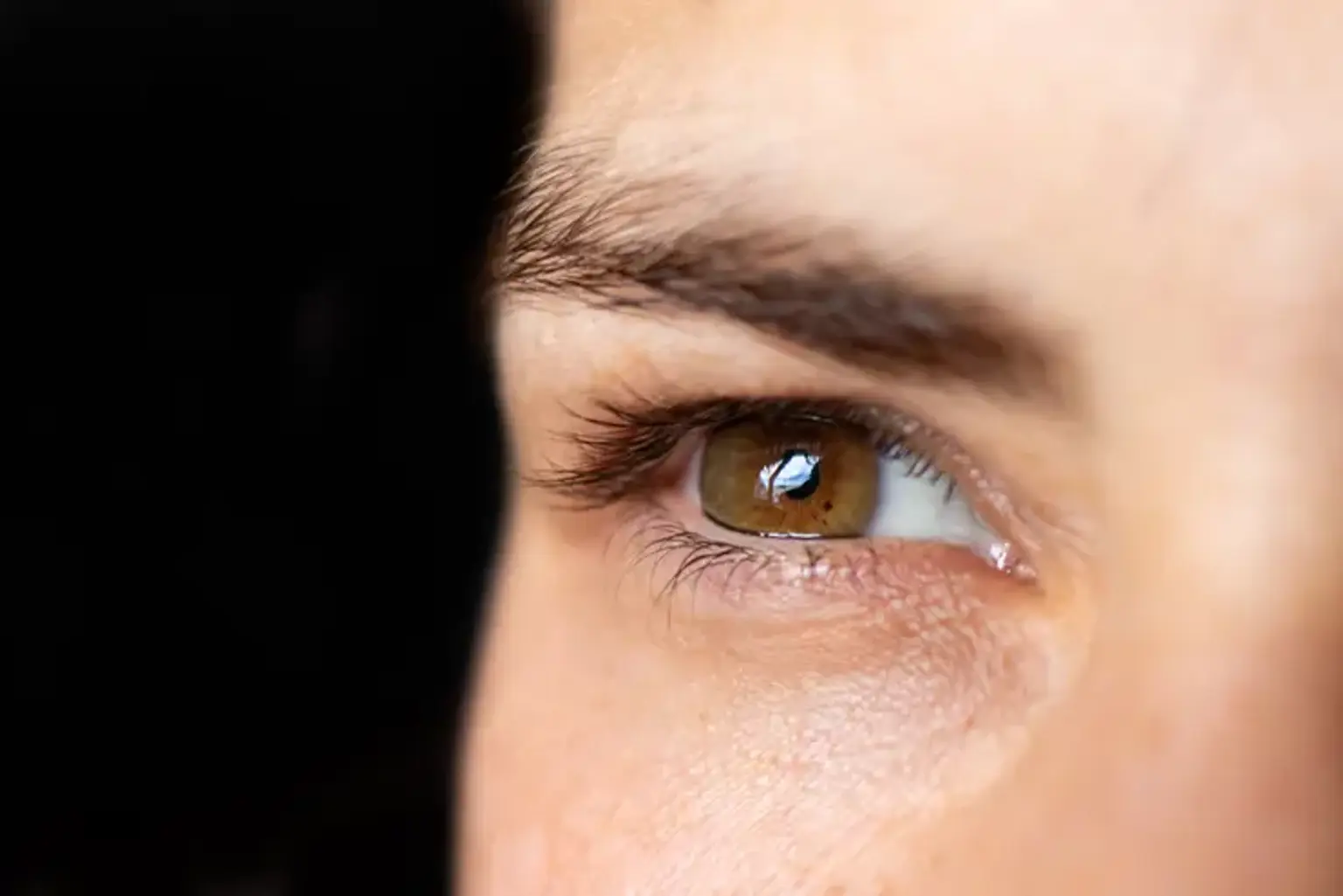
In this article, we’ll explore the different types of corneal transplant surgeries, how the procedure works, common conditions treated, and what patients can expect during recovery.
What is a Corneal Transplant?
A corneal transplant, or keratoplasty, is a surgical procedure where a damaged or diseased cornea is replaced with a healthy donor cornea. The surgery aims to restore vision, alleviate pain, and prevent further vision loss. It is often recommended when other treatments, like glasses, contacts, or medications, are no longer effective.
There are several types of corneal transplant procedures, including Penetrating Keratoplasty (PKP) and Descemet's Stripping Endothelial Keratoplasty (DSEK). In PKP, the entire cornea is replaced with a donor graft, while DSEK involves transplanting only the innermost layer, the endothelium, which is typically affected in conditions like Fuchs' dystrophy.
The choice of surgery depends on the underlying cause of corneal damage and the patient's specific needs. The goal of the procedure is to improve vision while maintaining the eye's structure and health.
Common Conditions Treated with Corneal Transplants
Corneal transplants are often necessary for patients whose vision is impaired by various corneal diseases. Some of the most common conditions that lead to the need for a transplant include:
Keratoconus: A progressive thinning of the cornea that causes it to bulge into a cone shape, leading to distorted vision.
Fuchs' Dystrophy: A condition that affects the corneal endothelium, leading to swelling, clouding, and vision loss.
Corneal Scarring: Resulting from infections, injuries, or surgeries, scarring can cause the cornea to become opaque, significantly impacting vision.
These conditions can lead to blurry vision, sensitivity to light, and even blindness if left untreated. Corneal transplant surgery offers a chance to restore sight, reduce pain, and improve quality of life for individuals affected by these conditions.
How Corneal Transplant Surgery Works
The corneal transplant surgery itself is typically performed under local anesthesia, which numbs the eye while the patient remains awake. The surgeon carefully removes the damaged cornea and replaces it with a healthy donor cornea, which is carefully matched to the recipient’s eye.
In Penetrating Keratoplasty (PKP), the surgeon removes the full thickness of the cornea and replaces it with the donor graft. This procedure is commonly used for patients with extensive corneal damage.
On the other hand, Descemet’s Stripping Endothelial Keratoplasty (DSEK) focuses on replacing only the endothelial layer of the cornea, which is typically damaged in conditions like Fuchs' dystrophy. DSEK is a more minimally invasive technique, leading to faster recovery times compared to PKP.
Both procedures are highly effective, but DSEK has the advantage of quicker recovery and less risk of complications like astigmatism. The choice of procedure depends on the patient's condition and the surgeon's recommendation.
Types of Corneal Transplantation
Corneal transplant surgery can be performed using different techniques, with the most common being Penetrating Keratoplasty (PKP) and Descemet’s Stripping Endothelial Keratoplasty (DSEK). The choice between these methods depends on the type of corneal condition and the extent of damage to the eye.
Penetrating Keratoplasty (PKP): In this traditional method, the entire cornea is removed and replaced with a donor cornea. PKP is often recommended for patients with extensive corneal scarring or conditions affecting the full thickness of the cornea. Though effective, this procedure requires a longer recovery time and carries a higher risk of complications such as astigmatism or graft rejection.
Descemet’s Stripping Endothelial Keratoplasty (DSEK): DSEK is a more advanced technique that involves transplanting only the innermost layer of the cornea—the endothelium—typically affected in conditions like Fuchs' dystrophy. This procedure is less invasive, involves a smaller incision, and leads to a quicker recovery with less risk of complications, making it the preferred choice for patients with endothelial dysfunction.
In some cases, other variations such as Descemet’s Membrane Endothelial Keratoplasty (DMEK) or Deep Anterior Lamellar Keratoplasty (DALK) may be used, depending on the severity of the condition and the patient's specific needs.
Who is a Candidate for Corneal Transplant Surgery?
Corneal transplant surgery is typically recommended for individuals who have significant corneal damage that affects their vision and cannot be treated effectively with glasses, contact lenses, or medications. Ideal candidates include:
Patients with corneal dystrophies: Such as Fuchs' dystrophy or keratoconus, where the cornea thins or becomes irregular, leading to vision loss.
Those with corneal scarring: From trauma, infections, or previous eye surgeries.
People experiencing severe vision impairment or blindness due to corneal opacity or damage.
Before surgery, a comprehensive eye exam and tests are performed to determine the extent of corneal damage and to ensure the patient is a suitable candidate for a transplant. Age, overall health, and other factors also play a role in determining eligibility.
Candidates should be prepared for a recovery period that involves careful post-operative care and follow-up appointments to monitor the healing process.
Benefits of Corneal Transplant Surgery
The primary benefit of corneal transplant surgery is vision restoration. For many patients, this procedure can lead to a dramatic improvement in visual clarity, reducing the reliance on glasses or contact lenses. Other key benefits include:
Alleviating pain: Corneal diseases often cause significant discomfort. After a transplant, patients often experience relief from the chronic pain associated with their condition.
Improved quality of life: Restoring vision has a profound impact on daily activities, from driving to reading, and boosts emotional well-being.
Increased independence: With improved vision, patients can regain more independence and confidence in their everyday tasks.
Corneal transplant surgery not only improves physical vision but also offers emotional benefits. For many patients, the restoration of sight allows them to engage more fully in life, improving self-esteem and personal relationships.
Risks and Complications
Like any surgery, corneal transplant procedures come with risks. While most patients experience successful outcomes, it's important to be aware of potential complications, including:
Graft Rejection: This occurs when the body’s immune system attacks the transplanted cornea. Early signs of rejection include blurry vision, pain, and light sensitivity. Fortunately, graft rejection can often be managed with medications like steroids, but in rare cases, it may lead to graft failure.
Infection: Infection in the eye can occur post-surgery, especially if the eye is not protected or if proper hygiene is not maintained. Patients must follow post-operative care instructions to reduce the risk.
Astigmatism: In procedures like PKP, irregular healing of the corneal graft can result in astigmatism, causing distorted vision. This may require additional corrective surgery or glasses.
Glaucoma: Increased eye pressure can occur after a transplant, which may lead to glaucoma. Regular eye pressure monitoring is essential.
While these risks exist, the likelihood of serious complications can be minimized by choosing a skilled surgeon, following post-surgical care instructions, and attending regular follow-up appointments.
Recovery After Corneal Transplant Surgery
Recovery after corneal transplant surgery varies, but most patients can expect a gradual improvement in their vision. Immediately after the procedure, patients may experience some discomfort, such as mild pain or sensitivity to light. The eye is patched to protect it, and pain medications or eye drops are prescribed.
The recovery timeline depends on the type of surgery. Penetrating Keratoplasty (PKP) typically takes longer to heal, with visual recovery spanning several months. On the other hand, Descemet’s Stripping Endothelial Keratoplasty (DSEK) has a faster recovery time, often within a few weeks.
During recovery, patients should avoid strenuous activities, protect the eye from injury, and use prescribed medications as directed. Regular follow-up appointments are crucial to monitor the healing process and detect any potential complications early.
Post-Operative Care and Follow-Up
After surgery, consistent post-operative care is critical for healing and graft survival. Patients are typically prescribed:
Antibiotic and steroid eye drops: To prevent infection and reduce inflammation.
Follow-up visits: Frequent eye exams are necessary, especially during the first year, to ensure the transplant is healing properly.
It’s also important to avoid touching or rubbing the eye, as this can cause damage to the graft. Patients are advised to wear an eye shield at night to prevent accidental trauma while sleeping. Following the doctor’s instructions can significantly reduce the risk of complications and improve the chances of a successful outcome.
How Long Does It Take to Recover from a Corneal Transplant?
Full recovery from corneal transplant surgery can take several months, with vision improvements continuing to develop over time. After PKP, patients may notice initial improvements in vision within 1-3 months, but it can take up to a year for complete visual stabilization. DSEK typically offers faster visual recovery, with significant improvements often seen within 2-3 months.
However, the eye may take up to a year to fully heal, and it’s common for patients to need corrective lenses or glasses for optimal vision. Regular check-ups are necessary to monitor the success of the transplant and address any issues early on.
Managing Graft Rejection
One of the most serious risks after corneal transplant surgery is graft rejection, where the immune system attacks the transplanted cornea. Symptoms include blurred vision, pain, redness, and sensitivity to light. If caught early, rejection can often be managed with steroid eye drops or other immunosuppressive treatments.
Preventing rejection involves:
Close follow-up care: Regular exams help identify signs of rejection early.
Adhering to medication: Consistent use of prescribed medications, including immunosuppressants, can prevent the immune system from attacking the graft.
Graft rejection is more common in the first year after surgery but can occur later, so lifelong monitoring is recommended to ensure long-term transplant success.
Success Rates of Corneal Transplant Surgery
Corneal transplant surgery has a high success rate, with over 90% of patients experiencing improved vision after the procedure. The success of the surgery depends on several factors, including the patient's overall health, the condition being treated, and the type of transplant performed.
Penetrating Keratoplasty (PKP): This traditional method has a high success rate, though it can be impacted by complications such as graft rejection or astigmatism.
Descemet’s Stripping Endothelial Keratoplasty (DSEK): DSEK has slightly higher success rates than PKP due to its minimally invasive nature and quicker recovery time.
Patients who follow post-operative care instructions and attend regular follow-up visits have a much higher chance of success. While graft rejection remains a concern, it is treatable when caught early.
Cost of Corneal Transplant Surgery
The cost of corneal transplant surgery can vary widely, depending on the country, hospital, and type of transplant. On average, the total cost for the procedure, including pre-surgical exams, surgery, and post-operative care, can range from $5,000 to $15,000 in the United States.
Surgery Costs: The cost of the surgery itself may vary depending on whether a PKP or DSEK is performed.
Donor Cornea: In some countries, the cost of the donor cornea is included in the surgery fee. In others, there may be an additional charge.
Insurance often covers a significant portion of the cost, but coverage details vary, so it’s important to check with the provider beforehand. Many hospitals also offer payment plans to help manage the financial burden.
Lifestyle Changes After Corneal Transplant Surgery
After corneal transplant surgery, patients will need to make certain lifestyle adjustments to ensure the health of the eye and avoid complications. These include:
Avoiding eye trauma: Protective eyewear or shields are recommended, especially during sleep, to avoid accidental injury.
Limiting physical activities: Patients should refrain from heavy lifting or strenuous exercise for several months during the recovery phase.
Adhering to medication schedules: Consistently using eye drops as prescribed is crucial for preventing infection and reducing inflammation.
While these adjustments are temporary, they are important for the long-term success of the transplant. Once the recovery process is complete, most patients can return to their usual activities with improved vision.
Advances in Corneal Transplantation
Over the past few decades, corneal transplant surgery has seen significant advancements, improving both the success rates and recovery times for patients. Some of the most notable developments include:
Minimally invasive techniques: Procedures like DSEK and DMEK involve smaller incisions and less tissue removal, leading to quicker recovery and fewer complications.
Better tissue preservation: Advances in the way donor corneas are preserved have increased the availability of corneal tissue and reduced rejection rates.
Improved diagnostic tools: New imaging technology helps surgeons assess the health of the cornea more accurately, ensuring a better match for the donor tissue and a higher success rate.
These innovations continue to make corneal transplant surgery safer and more effective, offering hope for those with serious corneal conditions.
Impact of Corneal Transplant on Quality of Life
Undergoing corneal transplant surgery can significantly improve a patient's quality of life. For individuals with severe corneal disease or damage, the restoration of vision opens up new possibilities. Many patients report a substantial improvement in their ability to perform daily tasks like reading, driving, and engaging in social activities.
The psychological benefits are just as important. For individuals who have lived with impaired vision for years, regaining sight can lead to a boost in self-esteem, reduced anxiety, and an improved sense of independence. It is common for patients to feel a renewed sense of confidence and freedom after surgery, especially as they begin to experience the world in clearer detail.
Frequently Asked Questions (FAQs)
1. How long does the corneal transplant last? A corneal transplant can last for many years, with the majority of grafts remaining successful for 10-15 years. However, graft rejection or other complications can occur, and some patients may need additional treatments later on.
2. Can I drive after a corneal transplant? Vision improvements vary by individual. Once the eye has healed and vision is stable, many patients regain the ability to drive, but this will be determined by the surgeon during follow-up appointments.
3. Are corneal transplants covered by insurance? In most cases, yes. Insurance often covers a significant portion of the surgery, but it’s important to check with your insurance provider for specific coverage details.
Global Popularity of Corneal Transplants
Corneal transplant surgery is one of the most common and successful organ transplants performed worldwide. It has gained global recognition due to its relatively low cost compared to other organ transplants, its high success rate, and the availability of donor tissue.
In developed countries, access to donor corneas is usually good, and many patients undergo successful transplants each year. However, in developing nations, the availability of donor tissue can be more limited, and some patients may experience longer waiting times for a transplant.
Conclusion
Corneal transplant surgery offers a life-changing opportunity for individuals suffering from severe corneal diseases. With advancements in techniques, high success rates, and an increasing number of donor corneas available, patients can regain their sight and dramatically improve their quality of life. While the recovery process requires patience and dedication, the results are often rewarding, allowing individuals to lead more independent and fulfilling lives.
For anyone considering a corneal transplant, it's important to consult with a qualified ophthalmologist to understand the best approach for your condition. With the right treatment and care, the potential for vision restoration is greater than ever.