Introduction
Corrective jaw surgery, also known as orthognathic surgery, is a medical procedure designed to correct misalignments of the jaw and facial bones. This surgery can improve the function of the jaw, including biting, chewing, and speaking, as well as enhance the overall appearance of the face. The procedure is often recommended for individuals who have severe jaw issues that cannot be addressed through orthodontic treatment alone.
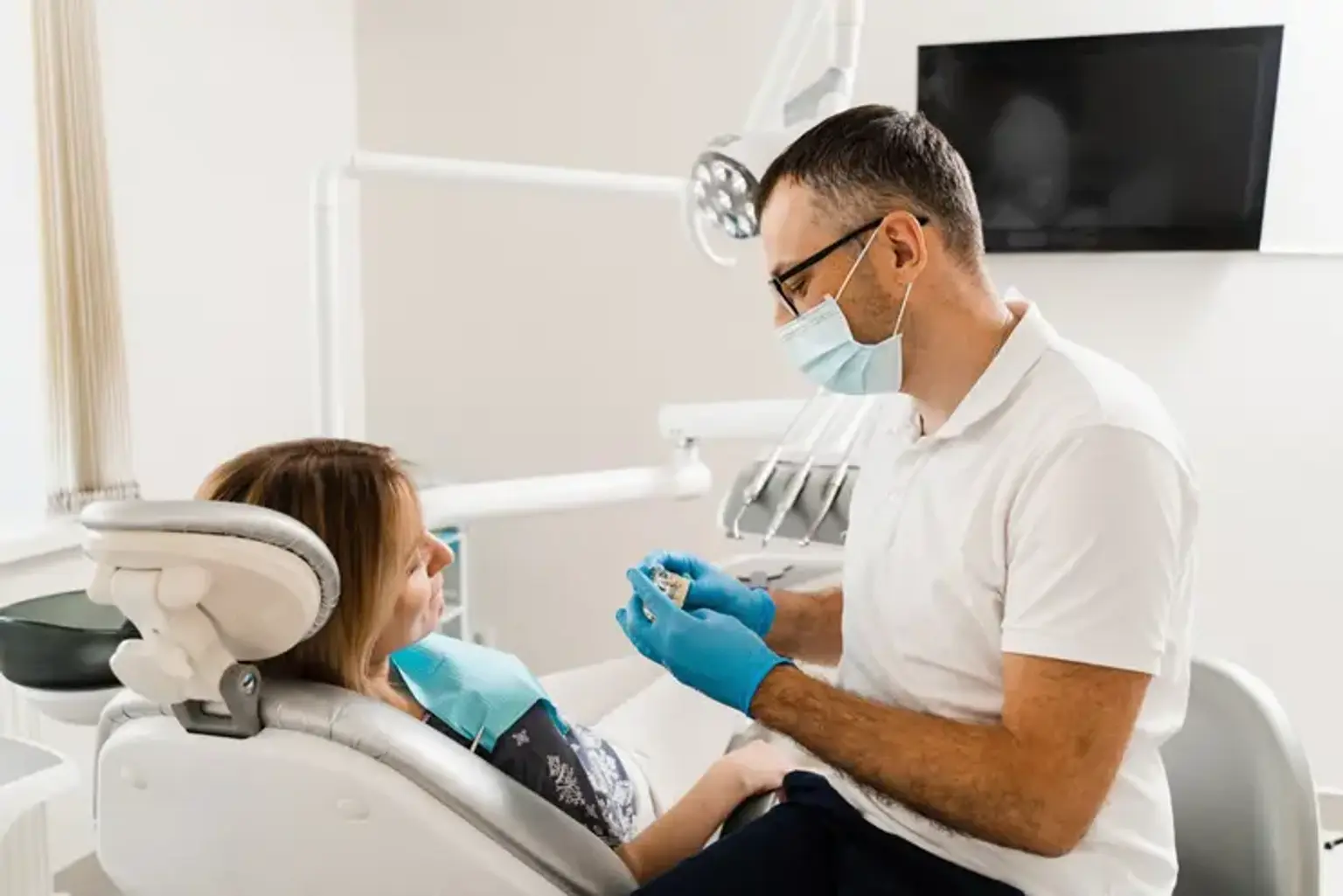
Orthognathic surgery is typically performed by a maxillofacial surgeon in collaboration with an orthodontist. It’s especially helpful for people with conditions like overbite, underbite, or crossbite, where the teeth do not align properly, affecting both aesthetics and health.
Why Choose Corrective Jaw Surgery?
People choose corrective jaw surgery for various reasons, including both medical and aesthetic concerns. Common conditions such as an overbite, underbite, or crossbite can cause problems with biting, chewing, and speaking, as well as lead to discomfort or pain in the jaw joints. For many individuals, traditional orthodontic treatments like braces are not sufficient to fully correct these issues.
Additionally, orthognathic surgery offers significant cosmetic benefits by improving facial symmetry and jaw alignment. In some cases, this procedure can even help with sleep apnea and other breathing issues. Ultimately, people choose jaw surgery to improve both their physical health and self-esteem, boosting confidence through better facial appearance and more comfortable jaw function.
The Process of Orthognathic Surgery
The process of orthognathic surgery begins with a comprehensive consultation, during which your surgeon and orthodontist will assess your jaw alignment and plan your treatment. Diagnostic tools like X-rays, CT scans, and 3D imaging will help them determine the exact nature of your misalignment.
Once the assessment is complete, the surgery itself typically involves repositioning the upper and lower jaw. This may involve cutting the jaw bones, moving them into a new position, and securing them with plates, screws, or wires. The surgery is performed under general anesthesia and typically takes several hours.
In most cases, patients will need to wear braces before and after the surgery to help with final alignment. After the procedure, follow-up care is essential to ensure proper healing and optimal results.
Types of Jaw Misalignments and How Surgery Helps
Orthognathic surgery is particularly effective in treating common jaw misalignments, such as overbite, underbite, and crossbite.
Overbite: An overbite occurs when the upper jaw protrudes too far over the lower jaw. Orthognathic surgery can help reposition the upper jaw to align better with the lower jaw, improving both function and appearance.
Underbite: An underbite happens when the lower jaw extends beyond the upper jaw. This condition can be corrected by moving the lower jaw back into a more natural position, balancing the bite and enhancing facial symmetry.
Crossbite: A crossbite occurs when some of the upper teeth sit inside the lower teeth when biting. This can lead to tooth wear, gum recession, and jaw discomfort. Surgery can help reposition the jaw to eliminate this misalignment and restore normal function.
By realigning the jaw and teeth, orthognathic surgery not only corrects these bite issues but also improves overall facial aesthetics, making the face look more balanced and harmonious.
What to Expect During the Surgery
Orthognathic surgery is typically performed under general anesthesia, meaning you will be asleep throughout the procedure. The surgeon will make incisions inside the mouth to access the jaw bones, avoiding visible scars. Depending on the type of misalignment, the surgery may involve repositioning the upper jaw, lower jaw, or both. The surgeon will carefully move the bones into the correct position and secure them using plates, screws, or wires.
The procedure usually lasts several hours, but the exact duration depends on the complexity of the surgery. While the thought of surgery may be intimidating, it’s important to remember that this is a routine procedure performed by skilled professionals, with a very high success rate. Following the surgery, you’ll be monitored in the hospital for a short time before being sent home with specific post-operative care instructions.
The Risks and Complications of Orthognathic Surgery
Like any surgery, orthognathic surgery carries some risks. While serious complications are rare, it’s important to be aware of potential issues that may arise. These can include:
Infection: As with any surgery, infection is a risk. However, this can usually be prevented with proper hygiene and antibiotics.
Nerve Damage: There is a small risk of nerve damage, which could cause numbness or tingling in the chin, lips, or gums. In most cases, this sensation returns after several months, though in rare cases, it may be permanent.
Relapse: After surgery, there is a chance that the jaw may shift slightly from its corrected position, especially if post-operative instructions aren’t followed carefully.
Jaw stiffness or pain: This is common during recovery, but with proper care, it usually resolves.
By choosing an experienced surgeon and following all pre- and post-operative instructions, you can minimize these risks and ensure a smoother recovery.
Expected Results After Corrective Jaw Surgery
The results of orthognathic surgery can be life-changing. Most patients experience an improvement in both the functionality and appearance of their jaw. Correcting bite issues often eliminates chronic pain or discomfort in the jaw, neck, and shoulders. For those with speech or chewing difficulties, surgery can restore normal function, leading to a more comfortable and fulfilling daily life.
A major benefit for many patients is the improvement in facial aesthetics. Repositioning the jaw can lead to a more balanced and symmetrical face. As a result, patients often experience a boost in self-esteem and confidence.
However, it's important to note that the full results take time. Swelling and bruising will subside in the weeks following surgery, and the final aesthetic changes will become fully visible once healing is complete, usually within 6 to 12 months.
Recovery and Aftercare Following Orthognathic Surgery
Recovery after orthognathic surgery typically takes a few weeks, with the initial phase focusing on rest and managing swelling. Most patients can return to work or school after about two weeks, but full recovery can take several months.
During the first few days after surgery, expect some swelling, bruising, and discomfort, which can be managed with prescribed pain medications. You may be on a liquid or soft food diet for several weeks, depending on your surgeon’s recommendations. Ice packs can help reduce swelling, and gentle jaw exercises will be prescribed to improve mobility.
Follow-up appointments are crucial to monitor your progress and ensure proper healing. Your orthodontist may also continue treatment after the surgery to fine-tune the alignment of your teeth. It’s important to avoid smoking, follow all oral hygiene instructions, and attend all scheduled appointments to ensure the best possible outcome.
How Long Does It Take to Fully Recover?
The recovery timeline for orthognathic surgery varies depending on the complexity of the procedure and the individual. Generally, the first few days to weeks involve the most significant discomfort and swelling. Most people can return to work or school within 2–3 weeks, but it may take several months before the jaw is fully healed.
During the first month, swelling should gradually reduce, and any bruising will fade. Full recovery, including regaining full jaw function and settling of facial features, usually takes around 6 to 12 months. It’s important to remember that while the physical healing process may take a few months, the final aesthetic results continue to evolve for a year or more.
Post-Surgical Orthodontic Treatment
Orthodontic treatment typically doesn’t end with the surgery. After your corrective jaw surgery, you will most likely need to wear braces or retainers to fine-tune the positioning of your teeth. This post-surgical orthodontic phase can last anywhere from a few months to a year, depending on the complexity of the misalignment and the desired final result.
Your orthodontist will work closely with your surgeon to monitor your progress and adjust your braces as needed. This stage ensures that your teeth remain in their new positions and that the bite functions properly, complementing the surgical improvements. While this phase may feel lengthy, it’s crucial for ensuring long-term success and stability.
Cost of Corrective Jaw Surgery: What to Expect
The cost of orthognathic surgery varies significantly depending on several factors, such as the location of the surgery, the surgeon’s experience, the complexity of the procedure, and whether you have insurance coverage. On average, the cost can range from $20,000 to $40,000 or more, with additional costs for pre-surgical consultations, post-surgical orthodontics, and hospital stays.
Insurance may cover part of the cost, especially if the surgery is deemed medically necessary, such as when it’s required for correcting severe bite issues or treating sleep apnea. Be sure to check with your insurance provider to understand what is covered under your policy. Many patients also explore financing options to manage the cost of surgery.
Global Popularity and Advancements in Orthognathic Surgery
Orthognathic surgery is increasingly popular worldwide, with thousands of patients choosing this procedure every year to address both functional and aesthetic concerns. In addition to improving jaw alignment and bite function, the surgery has grown in popularity due to its ability to enhance facial appearance and boost self-esteem.
Recent advancements in technology have made orthognathic surgery more precise and efficient. 3D imaging and computer-assisted planning now allow surgeons to create highly accurate models of the jaw before the procedure, leading to better outcomes and faster recovery times. Robotic assistance in some surgeries has also improved precision, reducing the risk of human error.
These innovations, combined with increasing patient demand, have made orthognathic surgery a viable option for people around the globe, making it more accessible and effective than ever before.
Orthognathic Surgery for Sleep Apnea
Orthognathic surgery can also serve as a treatment for obstructive sleep apnea (OSA), a condition where the airway becomes partially or fully blocked during sleep, leading to disrupted breathing. For some individuals with sleep apnea, misalignment of the jaw contributes to airway obstruction. By repositioning the jaw, orthognathic surgery can help widen the airway and improve airflow, significantly reducing or even eliminating sleep apnea symptoms.
While surgery may not be the first option for sleep apnea treatment, it can be highly effective for patients with moderate to severe OSA who do not respond well to other treatments like CPAP machines. By realigning the jaw, patients often experience better sleep quality and reduced daytime fatigue. However, it's essential to undergo a thorough evaluation by a sleep specialist and a surgeon to determine if jaw surgery is the right choice for managing sleep apnea.
Orthognathic Surgery for Facial Aesthetics
One of the most compelling reasons people seek corrective jaw surgery is to enhance their facial aesthetics. Jaw misalignments can cause noticeable facial asymmetry or contribute to features like a recessed chin or overly prominent jawline. Orthognathic surgery helps balance these features, improving facial proportions and harmony.
By realigning the jaw, the procedure can create a more symmetrical face, enhance the contour of the chin, and create a more youthful appearance. Many patients report increased self-confidence following the surgery, as it improves both their smile and overall facial structure. In some cases, celebrities and public figures have openly discussed their positive experiences with orthognathic surgery, further increasing its appeal.
If you're considering this surgery for cosmetic reasons, it's important to consult with a surgeon who specializes in both functional and aesthetic outcomes to ensure you achieve the desired results.
Who Are the Best Candidates for Corrective Jaw Surgery?
Orthognathic surgery is typically recommended for individuals who have severe jaw misalignments that cannot be corrected through orthodontics alone. The best candidates for this surgery include:
Adults: While children and teens may benefit from orthodontics, adults with fully developed jaws are often better suited for surgery to address misalignments.
Individuals with bite issues: Overbites, underbites, crossbites, and open bites that severely affect chewing, speech, and overall comfort can often be corrected with orthognathic surgery.
Patients with facial asymmetry: Those with significant facial imbalances or jaw discrepancies that impact appearance may benefit from surgery to improve facial aesthetics.
Those who have failed to improve with braces alone: For patients who have undergone orthodontics but still have functional problems or facial asymmetry, surgery may be necessary.
Good overall health is also a key factor in determining whether you are a suitable candidate. A thorough consultation with a qualified surgeon and orthodontist will help determine if corrective jaw surgery is the best course of action for you.
How to Find a Qualified Orthognathic Surgeon
Choosing the right surgeon is one of the most critical steps in ensuring the success of your orthognathic surgery. When selecting a surgeon, consider the following:
Certification and experience: Make sure the surgeon is board-certified in oral and maxillofacial surgery, with specific experience in orthognathic procedures.
Patient reviews and testimonials: Look for feedback from previous patients to gauge the surgeon's skill and patient care.
Consultation: During your consultation, ask the surgeon about their approach to surgery, recovery expectations, and any concerns you may have. A good surgeon should be able to explain the process clearly and answer your questions in detail.
Collaboration with an orthodontist: Ensure the surgeon works closely with an orthodontist to plan the procedure and post-operative care for optimal results.
The right surgeon will not only have the technical expertise but will also prioritize your well-being and comfort throughout the process.
Common FAQs About Orthognathic Surgery
Is the surgery painful?
While you will be under general anesthesia during the procedure, post-surgery pain can be managed with prescribed medications. Swelling and discomfort are common but typically subside within a few weeks.
How soon can I return to work or school?
Most patients can return to normal activities within 2–3 weeks, but strenuous activities should be avoided for a few months. Follow your surgeon’s advice for a smooth recovery.
Will my facial appearance change significantly?
Yes, orthognathic surgery can significantly enhance facial symmetry and aesthetics, improving jawline definition and overall facial balance. However, it’s essential to have realistic expectations and discuss goals with your surgeon.
What if my teeth don’t align after surgery?
If your teeth are not fully aligned after surgery, post-surgical orthodontics will be necessary to fine-tune your bite and alignment.
Non-Surgical Alternatives to Corrective Jaw Surgery
For patients who are not candidates for surgery or who prefer non-invasive options, there are some alternatives, though they may not offer the same level of correction:
Braces and aligners: While braces alone cannot correct significant jaw misalignment, they can be used to address mild bite issues or prepare the teeth for surgery.
Jaw appliances: Devices like retainers, headgear, or expanders may help with minor bite issues but are generally not effective for severe cases.
Cosmetic options: In some cases, patients opt for non-surgical cosmetic procedures to improve facial appearance, such as chin implants or Botox, although these do not address the underlying jaw misalignment.
Surgery remains the most effective method for correcting severe jaw misalignments, but a consultation with your orthodontist and surgeon can help you explore all available options.
The Psychological Benefits of Orthognathic Surgery
Beyond the physical changes, orthognathic surgery often has profound psychological benefits. Many patients experience a boost in self-esteem and confidence once their facial features are balanced, and their jaw alignment is corrected.
For individuals who have long struggled with functional issues like difficulty chewing or speaking, the relief after surgery can be life-changing. Improved facial appearance can also enhance social interactions and self-image, offering long-term emotional benefits.
Patients often feel more comfortable in social situations and report a significant improvement in their overall quality of life after the procedure.
Conclusion
Corrective jaw surgery (orthognathic surgery) offers both functional and aesthetic benefits for individuals suffering from jaw misalignment, bite issues, or facial asymmetry. While the procedure involves careful planning, a skilled surgeon, and a commitment to post-surgical care, the results can be life-changing, improving both health and appearance.
If you're considering orthognathic surgery, the best course of action is to consult with a qualified oral surgeon and orthodontist to discuss your goals, expectations, and treatment options. With the right preparation and care, corrective jaw surgery can enhance your quality of life, boost your confidence, and provide lasting benefits for years to come.