Introduction
Curved nose correction surgery, also known as rhinoplasty for a crooked nose, is a popular procedure aimed at improving both the appearance and function of the nose. Whether due to congenital factors, trauma, or simply the natural structure of a person's nose, a curved or deviated nose can impact self-esteem, facial symmetry, and even breathing.
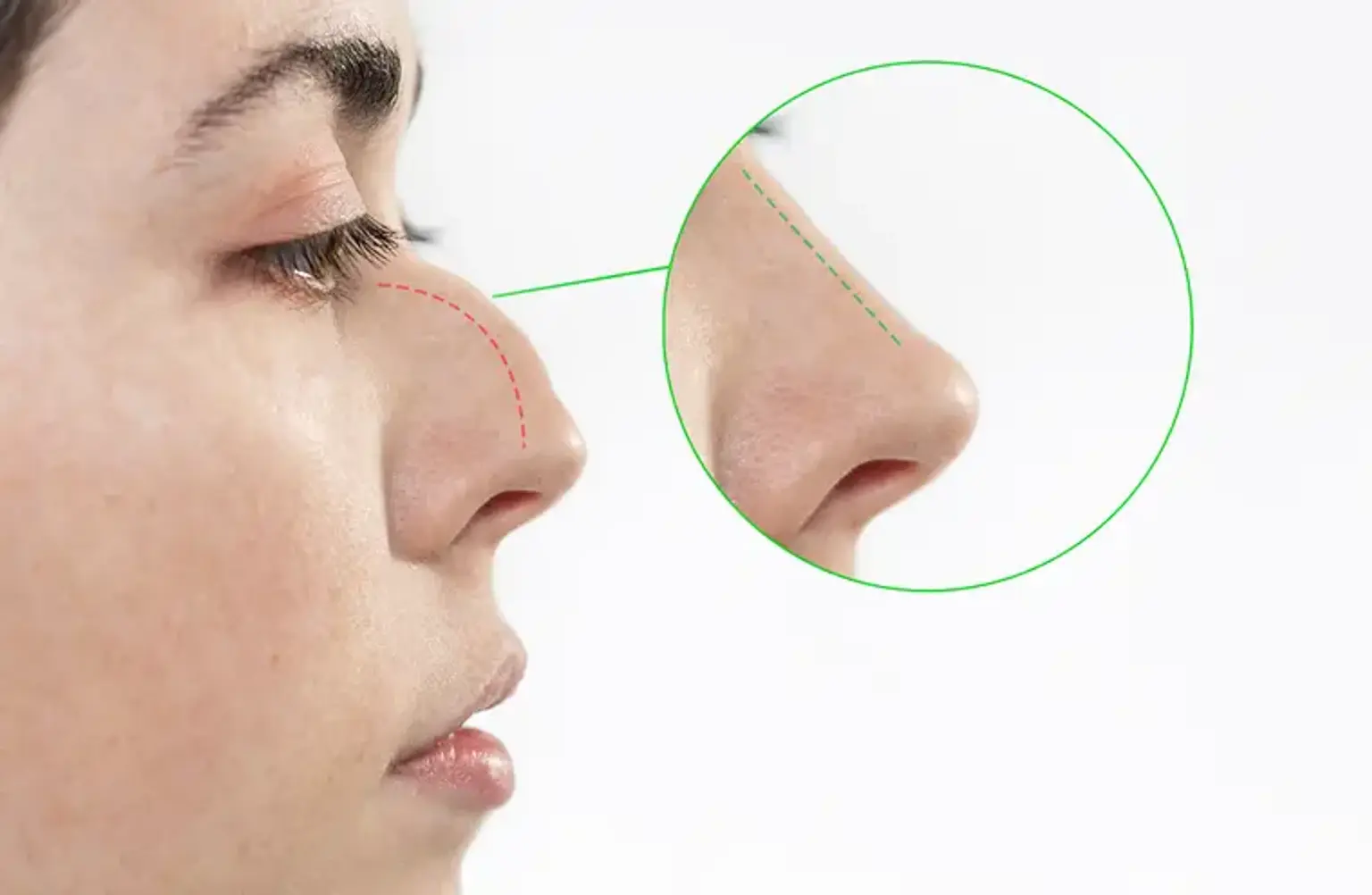
This surgery is often sought by individuals looking for a smoother, straighter nose and better airflow. The procedure can be both cosmetic, to improve the aesthetics of the nose, and functional, to address medical issues like breathing difficulties caused by a deviated septum.
Why Do People Choose Curved Nose Correction Surgery?
There are two primary reasons why people opt for curved nose correction surgery: aesthetic and functional needs.
Aesthetic reasons are common, as individuals seek to correct facial asymmetry or restore balance to their features. A straight nose can enhance the overall facial harmony and boost confidence. Many people find that a more symmetrical nose gives them a fresh, more youthful look.
Functional reasons focus on improving nasal airflow, especially for those with a deviated septum or other internal nasal irregularities. For some, this surgery offers a significant improvement in breathing, leading to better quality of life, especially during physical activities or while sleeping.
Understanding the Anatomy of the Nose
The structure of the nose consists of cartilage, bone, and skin, which work together to create its shape and functionality. In a curved nose, the septum (the partition between the nostrils) may be displaced or bent, resulting in asymmetry and potentially obstructed airflow.
A curved nose can occur naturally due to genetics or injury, where the nose may become misshapen or the septum becomes deviated. Rhinoplasty for curved nose correction involves reshaping the cartilage and bones to improve both appearance and function, addressing issues like breathing difficulties.
Step-by-Step Process of Curved Nose Correction Surgery
Before undergoing curved nose correction surgery, a patient will typically undergo a consultation with a qualified surgeon. The consultation focuses on assessing the nose’s structure and discussing the patient’s goals, whether cosmetic, functional, or both.
Once the plan is in place, anesthesia is administered to ensure the patient is comfortable during the procedure. Surgeons can choose from two main approaches:
Open rhinoplasty: Involves a small incision across the columella (the tissue between the nostrils), giving the surgeon more visibility and control.
Closed rhinoplasty: Involves incisions inside the nostrils, leaving no visible scarring.
The surgeon will then reshape the cartilage and bone to straighten the nose and restore symmetry. If a deviated septum is present, it will be corrected to improve breathing. The procedure typically takes 1-3 hours, depending on its complexity.
Non-Surgical Alternatives for Curved Nose Correction
While traditional rhinoplasty is the most effective way to correct a curved nose, non-surgical options have gained popularity in recent years. These treatments often involve the use of dermal fillers to reshape the nose without the need for invasive surgery.
Non-surgical nose jobs can temporarily smooth out bumps, correct minor asymmetries, and enhance the shape of the nose. However, they are only suitable for individuals with relatively minor deformities. Fillers can’t address issues like a deviated septum or significant structural concerns, and the results are temporary, typically lasting between 6 to 12 months.
These non-invasive methods are less costly and have a shorter recovery time but come with limitations in terms of permanency and the scope of correction.
Benefits of Curved Nose Correction Surgery
Undergoing curved nose correction surgery offers numerous benefits, both cosmetic and functional.
Improved Appearance: The primary benefit is the enhancement of facial symmetry. A straightened nose can significantly improve the balance of a person’s face, contributing to a more youthful and harmonious appearance.
Better Breathing: Many patients opt for rhinoplasty due to functional reasons. Correcting a deviated septum or other internal nasal issues can improve airflow, reduce snoring, and make it easier to breathe, especially during physical activities.
Psychological Benefits: A more aesthetically pleasing nose can boost self-esteem and confidence. Many patients feel more comfortable in social situations and experience a greater sense of emotional well-being after their surgery.
Potential Risks and Complications
Like any surgery, curved nose correction comes with potential risks and complications. While most people experience positive results, it’s essential to be aware of the following:
Infection: As with any surgical procedure, infection is possible, though it is rare when proper aftercare is followed.
Bleeding and Swelling: Mild bleeding and swelling are common during the early recovery stages. Some patients may experience prolonged swelling, which can take several months to fully subside.
Asymmetry: In rare cases, the results may not be as symmetrical as expected, requiring revision surgery to correct any issues.
Breathing Difficulties: In some cases, the internal structure of the nose may not be fully optimized after surgery, leading to breathing difficulties. This can usually be addressed through a secondary procedure.
Choosing an experienced surgeon and following aftercare instructions carefully helps minimize these risks.
Long-Term Outcomes: What to Expect Post-Surgery
The long-term outcomes of curved nose correction surgery are typically very positive, but patience is required during the recovery process.
Immediate Changes: Within the first few weeks, you’ll notice significant improvements, especially in the external appearance of the nose. However, swelling is common, and it might obscure the final result.
Recovery Timeline: Swelling and bruising usually subside within 2-3 weeks, but full recovery can take up to a year for the nose to fully settle into its final shape.
Permanent Results: Once healed, the results of rhinoplasty are generally permanent, though aging may subtly alter the appearance of the nose over time. For those who have had functional rhinoplasty, breathing improvement typically lasts indefinitely.
Following the surgeon's post-operative care plan is crucial for achieving the best results and ensuring that the nose heals properly.
What to Expect During the Recovery Process
After curved nose correction surgery, the recovery process is critical to ensure a successful outcome. Immediately following the surgery, patients can expect some swelling and bruising, especially around the nose and eyes. This is a normal response to the procedure and typically improves within 2 to 3 weeks.
During the first week, you may need to wear a splint on your nose to help maintain its shape and protect it while it heals. It’s important to avoid any strenuous activities or contact sports during this period to prevent damage to the delicate structures of the nose.
After the initial phase, patients usually feel comfortable enough to return to work or daily activities, though full recovery can take several months. Swelling may persist for up to a year, but the most visible changes will occur within the first few months.
Tips for a Smooth Recovery and Minimizing Risks
To ensure a smooth recovery and minimize the risk of complications, consider the following tips:
Follow your surgeon's aftercare instructions carefully. This includes taking prescribed medications, using cold compresses to reduce swelling, and avoiding activities that could stress the nose.
Sleep with your head elevated during the first few weeks to minimize swelling. This is particularly important while the bones and cartilage settle into their new positions.
Avoid wearing glasses or sunglasses for several weeks to prevent pressure on the nose. If you need to wear glasses, use a soft, cushioned support to avoid direct pressure on the bridge of your nose.
Limit physical activities for about 6 weeks post-surgery, especially anything that could risk injury to your nose.
By sticking to these recovery guidelines, you can reduce the risk of complications and help your nose heal more quickly.
When Can You See Final Results?
One of the most common questions about curved nose correction surgery is when the final results will be visible. While significant improvements are noticeable within a few weeks, final results may take up to 12 months to fully reveal themselves.
Swelling and bruising tend to subside within the first few weeks, and most of the nose's new shape becomes clear after about 3 months. However, minor residual swelling can persist for up to a year, especially in the tip of the nose.
The healing timeline can vary depending on individual factors like age, skin type, and the complexity of the surgery. It’s important to be patient, as the nose may change subtly over time as it continues to settle into its new shape.
Factors That Affect the Cost of Curved Nose Correction Surgery
The cost of curved nose correction surgery varies widely depending on several factors. Understanding these factors can help you better prepare financially.
Geographical Location: The cost can differ greatly by region. For instance, rhinoplasty tends to be more expensive in major cities or countries with higher living costs, such as the United States or Western Europe.
Surgeon’s Experience: Highly experienced and board-certified surgeons typically charge higher fees due to their expertise and successful track record in performing rhinoplasty procedures.
Scope of Surgery: The complexity of the surgery will also impact the cost. A simple cosmetic correction may be less expensive compared to a functional rhinoplasty that addresses both appearance and breathing issues.
Surgical Center Fees: In addition to the surgeon’s fee, there are anesthesia costs and facility fees. The reputation and quality of the surgical center can affect these additional charges.
Overall, the cost of curved nose correction surgery ranges from $3,000 to $15,000, depending on the factors mentioned above.
Average Cost of Curved Nose Correction Surgery Around the World
The cost of curved nose correction surgery varies significantly across different regions. In the United States, the procedure typically ranges from $5,000 to $15,000, depending on the surgeon’s experience and the complexity of the surgery.
In Europe, costs can be similar, though countries like Turkey and Eastern European nations often offer more affordable options, with prices starting around $3,000 to $5,000. Asia and the Middle East also have competitive pricing, with Thailand and Dubai offering high-quality procedures for about $2,500 to $7,000.
Insurance may cover functional rhinoplasty if it’s related to breathing issues, but cosmetic procedures are usually out of pocket.
Making Sure You Get Value for Your Money
When considering curved nose correction surgery, it’s essential to focus on quality, not just cost. Choosing a qualified, experienced surgeon ensures that you get the best results and avoid complications. While it may be tempting to go for the cheapest option, the risks of poor outcomes—such as asymmetry, breathing issues, or unsatisfactory cosmetic results—often outweigh the savings.
Do thorough research on your surgeon's credentials, read patient reviews, and look at before-and-after photos. It’s also wise to consult with multiple surgeons to compare their approaches and ensure you're comfortable with their expertise.
Curved Nose Surgery: A Global Trend
Curved nose correction surgery has become increasingly popular worldwide. In South Korea, Brazil, and the US, rhinoplasty is one of the top cosmetic procedures, driven by both aesthetic desires and functional needs.
The rise of social media and the influence of celebrities has also contributed to the procedure’s popularity, with many people seeking to replicate their idols' perfect noses. As awareness grows, people from all corners of the globe are opting for this surgery to enhance their appearance and, in some cases, improve breathing.
Cultural Considerations in Curved Nose Surgery
Cultural preferences play a significant role in how curved nose surgery is approached. Ethnic rhinoplasty, or custom rhinoplasty based on a person’s ethnic background, has become increasingly popular as people seek results that complement their natural features.
For example, in Asian rhinoplasty, surgeons focus on preserving the natural shape while correcting any asymmetry or functional issues. In contrast, Western rhinoplasty may aim for more dramatic, straighter shapes.
Understanding these cultural differences is essential to achieve results that align with both personal desires and cultural expectations, ensuring a natural and flattering outcome.
Choosing the Right Surgeon for Curved Nose Correction
Selecting the right surgeon is one of the most crucial decisions when considering curved nose correction surgery. It's important to look for a board-certified rhinoplasty surgeon with extensive experience and specialized training. Surgeons should have a deep understanding of both cosmetic and functional aspects of nasal anatomy.
Ask to see before-and-after photos of previous patients to assess the surgeon’s skill and aesthetic approach. A consultation will allow you to discuss your goals, understand the surgeon’s methods, and ensure you’re both on the same page. Don't be afraid to ask about the surgeon’s revision rate or the number of similar surgeries they’ve performed.
Emotional and Psychological Considerations
Undergoing curved nose correction surgery is a significant emotional and psychological decision. Many people seek rhinoplasty to improve their self-esteem and feel more confident in social settings. However, it's important to have realistic expectations.
Discuss your goals with your surgeon to ensure they align with the surgery's possibilities. While the results can be life-changing, the process should not be rushed. Taking time to understand the psychological impact and ensuring you're undergoing surgery for the right reasons—such as improving your quality of life, not just to meet external pressures—will lead to a more positive experience.
Frequently Asked Questions About Curved Nose Correction
1. Is curved nose correction surgery painful?
Most patients experience only mild discomfort after the surgery, which can be managed with pain medication. The pain is typically brief and well-tolerated.
2. How long does the surgery take?
The procedure typically lasts between 1-3 hours, depending on the complexity.
3. Can I breathe better after surgery?
For many patients, improving nasal airflow is one of the primary reasons for surgery. If you have a deviated septum or other obstructions, breathing should improve after the procedure.
4. Will I have visible scars?
Scarring is minimal, especially with closed rhinoplasty. Any scarring from an open procedure is well-hidden along the columella (the area between the nostrils).
Conclusion
Curved nose correction surgery can be a transformative procedure, both physically and emotionally. Whether you're seeking a more balanced appearance, better breathing, or both, this surgery offers the potential for significant improvement.
Before proceeding, make sure to weigh the benefits, risks, and costs, and take time to select a qualified surgeon who understands your goals. Rhinoplasty is a highly personalized procedure, and the best outcomes come from clear communication and realistic expectations.
Remember that the journey doesn’t end after surgery; post-operative care and patience during recovery are key to achieving your desired results. If you're ready for a positive change, curved nose correction surgery could be the step that enhances your quality of life.