Introduction
Custom dentures are a personalized solution for those with missing teeth, offering improved comfort, function, and aesthetics. Unlike standard dentures, which are mass-produced, custom dentures are designed specifically for each patient, ensuring a more precise fit. This tailored approach helps restore not just the ability to eat and speak, but also the self-confidence that comes with a natural-looking smile.
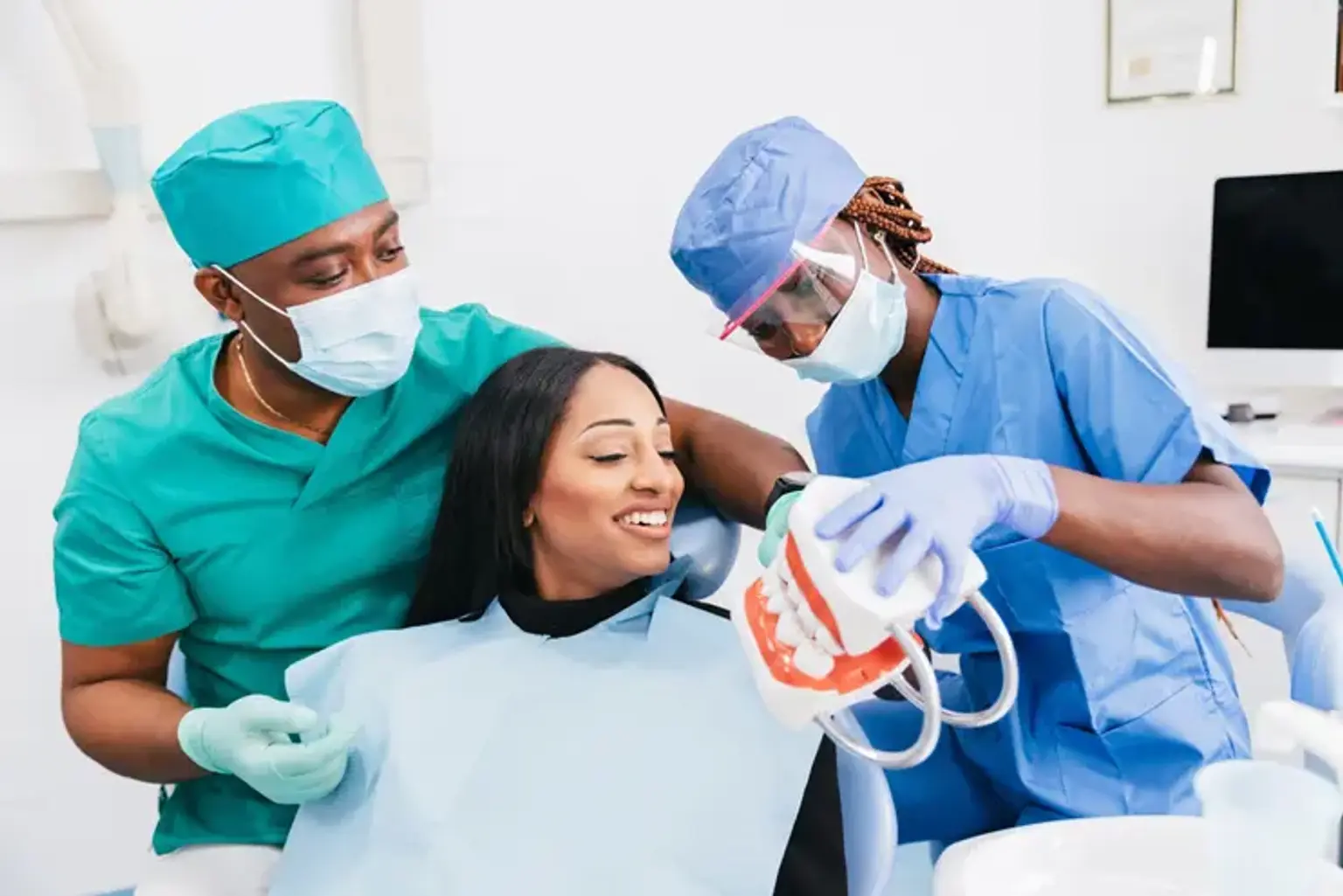
Custom dentures are crafted to meet both the functional and cosmetic needs of the individual, offering a better alternative to conventional dentures. Whether you're missing a few teeth or require a full set, custom dentures are an ideal way to regain oral health and appearance.
What Are Custom Dentures?
Custom dentures are dental prosthetics created to replace missing teeth. They are designed based on detailed impressions of the patient's mouth, ensuring a fit that mirrors the natural shape and alignment of teeth. Custom dentures provide a higher level of comfort compared to generic dentures, as they are made to match the unique contours of your gums and oral structure.
Unlike traditional dentures, which are pre-made and require adjustments, custom dentures are meticulously crafted by dental professionals using advanced techniques. This attention to detail not only enhances comfort but also improves the overall function of the dentures. For many patients, custom dentures offer a way to eat, speak, and smile with greater ease and confidence.
The Importance of a Custom Fit: Why Custom Dentures Matter
One of the key reasons to opt for custom dentures is the perfect fit they offer. Custom-made dentures are designed to ensure that they sit securely in the mouth, minimizing the risk of slippage, irritation, and discomfort. A well-fitted denture helps restore normal function, allowing patients to eat and speak naturally.
With standard dentures, patients often experience discomfort, sore spots, or difficulty chewing certain foods. Custom dentures, on the other hand, are tailored to the specific needs of the patient, addressing these concerns. By using advanced techniques such as digital molding and 3D printing, custom dentures can be crafted to provide better stability and enhanced comfort.
A perfect fit also helps in maintaining oral health, preventing issues such as gum irritation and tooth misalignment. Custom dentures support the natural structure of the mouth and help maintain proper jaw function.
The Step-by-Step Process of Custom Denture Fabrication
Creating custom dentures is a precise process that involves several key steps to ensure a perfect fit and natural appearance. Here’s a breakdown of the stages involved:
Step 1: Initial Consultation and Assessment
The process begins with a detailed consultation with a dental professional. During this appointment, the dentist will evaluate your oral health, including the condition of your gums and remaining teeth. They will also take impressions of your mouth, which serve as the foundation for creating your custom dentures. The dentist may discuss your preferences for the appearance of your new smile and address any concerns about comfort.
Step 2: Designing the Denture
Once the initial assessment is complete, the dental technician will design the dentures based on the impressions taken during the consultation. This stage involves selecting the right materials for your dentures and ensuring they match your natural teeth in terms of color, shape, and size. The design also takes into account functional considerations, such as your bite and jaw alignment, to ensure a smooth and comfortable fit.
Step 3: Denture Fabrication and Technology
Using the design blueprint, the dentures are crafted in a dental laboratory. 3D printing and digital molding technologies are commonly used to achieve a high level of precision in the fabrication process. These advanced techniques allow for a more accurate fit, reducing the need for adjustments during the fitting stage. The dentures are made from durable materials, such as acrylic or porcelain, which are carefully selected for their strength and aesthetic qualities.
Step 4: Fitting and Adjustment
Once the dentures are fabricated, the dentist will perform a fitting to ensure they sit comfortably in the mouth. Adjustments are made as needed to address any issues with fit or comfort. This stage is crucial for ensuring that the dentures feel natural and function properly. The dentist will also guide you on how to care for your new dentures and may schedule follow-up visits to monitor their fit over time.
The Role of 3D Printing in Custom Denture Fabrication
The advent of 3D printing has revolutionized the field of custom denture fabrication, allowing for more accurate and faster production. Using digital scans of a patient's mouth, dental technicians can create a 3D model, ensuring that every detail is captured precisely. This method reduces human error and eliminates the need for traditional molds, which can sometimes be uncomfortable for patients.
3D printing also enables the creation of highly detailed dentures that fit better and look more natural. The precision offered by 3D printing technology means that custom dentures are more likely to require fewer adjustments during the fitting process. Additionally, the use of digital dentures means that patients can receive their prosthetics more quickly, often in a matter of days rather than weeks.
Materials Used in Custom Denture Fabrication
The materials used in custom denture fabrication play a crucial role in both comfort and durability. Common materials include:
Acrylic: Widely used for denture bases, acrylic is lightweight, durable, and can be easily molded to fit the contours of the mouth. It also offers a natural appearance.
Porcelain: Often used for denture teeth, porcelain closely mimics the look and feel of natural teeth, offering both aesthetic appeal and strength.
Resin: Known for its flexibility, resin is used in some custom dentures to enhance comfort and ensure a snug fit.
Each material has its advantages, and the choice depends on the patient’s needs, budget, and preferences. Acrylic dentures are commonly recommended for their balance of cost-effectiveness and natural appearance.
How Custom Dentures Improve Aesthetic and Functionality
One of the main reasons people opt for custom dentures is the dramatic improvement in both aesthetic appearance and functionality. Custom dentures are designed to replicate the natural look of your teeth, matching the size, shape, and color of your existing teeth for a seamless smile.
From a functional perspective, custom dentures allow for better speech, eating, and comfort. They are designed to fit securely, reducing the risk of slipping and irritation that can occur with traditional dentures. With the ability to customize the denture teeth and base to suit individual needs, patients can achieve a more natural and comfortable experience.
By addressing both cosmetic and functional concerns, custom dentures help restore confidence and quality of life for patients who have lost their teeth.
The Benefits of Choosing Custom Dentures Over Standard Dentures
When comparing custom dentures to standard dentures, the differences are clear. Standard dentures are mass-produced and may require multiple adjustments to fit properly, often leading to discomfort and poor function. In contrast, custom dentures are tailored specifically to each patient, offering:
Better Fit: Custom dentures are designed to match the unique contours of your mouth, providing a more secure and comfortable fit.
Enhanced Comfort: A custom-made denture reduces the chances of irritation and sore spots, which are common with standard dentures.
Natural Appearance: The individualized design allows for dentures that look and feel more like natural teeth, improving self-esteem and confidence.
Long-Term Durability: Custom dentures are crafted from high-quality materials, ensuring they last longer and function better than their standard counterparts.
Choosing custom dentures may require a higher initial investment, but the long-term benefits in terms of comfort, appearance, and functionality make them a worthwhile choice for many patients.
How Long Does It Take to Get Custom Dentures?
The process of creating custom dentures typically takes between 2 to 4 weeks, depending on the complexity and the patient’s specific needs. During this time, the dentures are crafted in a dental laboratory, starting with an initial consultation and ending with the final fitting.
The timeline includes multiple stages: taking impressions, creating the design, fabricating the dentures using materials like acrylic or porcelain, and adjusting them for a perfect fit. Some patients may need a few follow-up visits for adjustments, but in general, the process is relatively quick compared to the long-term benefits provided by the custom dentures.
For patients needing dentures urgently, some dental practices may offer same-day dentures or quicker solutions, but these might not offer the same precision and personalization as a fully custom set.
The Cost of Custom Dentures: Affordable Solutions
The cost of custom dentures can vary significantly based on factors such as material choice, the complexity of the case, and the dental practice's location. On average, patients can expect to pay between $1,000 to $3,000 per arch, with full dentures costing more. However, the investment is often worth it due to the enhanced comfort, fit, and appearance compared to standard dentures.
While custom dentures may seem like a significant upfront expense, many dental insurance plans offer partial coverage for dentures. Additionally, dental financing options or payment plans are available to help patients manage the costs.
Despite the cost, custom dentures are considered a long-term solution that helps improve quality of life, making them a cost-effective choice for many patients over time.
Aftercare and Maintenance for Custom Dentures
Proper care and maintenance are essential for keeping custom dentures in good condition and extending their lifespan. Here are some tips for aftercare:
Daily Cleaning: Rinse dentures after every meal to remove food particles and plaque. Brush them gently using a soft toothbrush and mild soap or denture cleanser.
Storage: When not in use, dentures should be stored in water or a denture solution to prevent warping.
Regular Checkups: Visit your dentist regularly for checkups. Over time, your gums may change shape, and your dentures might need adjustments.
Handling with Care: Always handle your dentures carefully to avoid accidental drops or damage. They can break if dropped onto a hard surface.
By following these simple aftercare steps, patients can enjoy their custom dentures for years to come.
Common Problems with Dentures and How Custom Fabrication Helps
While dentures in general are an excellent solution for tooth loss, some patients may experience problems with their standard dentures, such as:
Slipping or shifting: Ill-fitting dentures can slip out of place, leading to discomfort and embarrassment.
Irritation or sore spots: Poor-fitting dentures can cause painful sores and irritation on the gums.
Difficulty chewing: Without a good fit, dentures can make it hard to chew food properly.
Custom dentures help address these issues by providing a precise fit. Since they are crafted based on the individual’s unique dental structure, custom dentures reduce the risk of slippage, irritation, and discomfort. They also improve functionality, allowing patients to chew and speak more naturally.
By ensuring a more secure and comfortable fit, custom dentures significantly improve the overall patient experience compared to traditional, mass-produced options.
The Psychological Benefits of Custom Dentures
The impact of tooth loss goes beyond physical appearance and functionality. For many people, missing teeth can affect their confidence, self-esteem, and social interactions. Custom dentures play a significant role in restoring a patient’s psychological well-being.
By offering a natural, secure, and comfortable fit, custom dentures help patients feel more confident about their appearance. This boost in self-esteem often leads to improved mental health, as individuals no longer feel self-conscious about their smile when interacting with others. Patients are also more likely to engage in social activities, speak freely, and smile confidently without fear of their dentures slipping or becoming uncomfortable.
Restoring a natural smile with custom dentures often leads to a sense of emotional well-being, encouraging patients to enjoy life’s simple pleasures, like dining out or conversing with friends and family, without worry or discomfort.
Custom Dentures and Oral Health: Why They’re Important
Custom dentures are more than just a cosmetic solution. They also play a vital role in maintaining oral health. When teeth are lost, the structure of the jaw and gums can change over time. Custom dentures help prevent these changes by supporting the mouth and jaw in a way that preserves bone structure.
Additionally, well-fitted dentures can prevent issues such as gum irritation, tooth misalignment, and uneven wear on the remaining teeth. By ensuring a snug fit, custom dentures can also prevent food particles from getting trapped under the denture, reducing the risk of gum disease and other oral health problems.
Overall, custom dentures contribute to better oral hygiene and help maintain the long-term health of your gums and remaining teeth.
Advancements in Custom Denture Technology
The field of dentistry has seen remarkable advancements in denture technology, particularly in the fabrication of custom dentures. Traditional methods of denture creation have been significantly enhanced by the use of digital technology and 3D printing.
Digital impressions have replaced the need for uncomfortable molds, providing more accurate and detailed impressions of the mouth. This ensures a more precise fit and reduces the need for adjustments. Additionally, 3D printing allows for rapid and accurate fabrication, which speeds up the production process and ensures high-quality, durable dentures.
These technological innovations, along with improved materials such as advanced acrylics and porcelain, have elevated the effectiveness of custom dentures, offering patients better aesthetics, comfort, and functionality than ever before.
Choosing the Right Dentist for Custom Dentures
The success of custom dentures relies heavily on the expertise of the dentist or prosthodontist. Choosing a qualified professional is crucial to ensuring that your dentures are crafted with precision and care.
When selecting a dentist, consider their experience in denture fabrication and their familiarity with the latest technologies, such as 3D printing and digital impressions. It’s also essential to look for a dentist who listens to your concerns, understands your aesthetic preferences, and offers personalized care.
Reading reviews, asking for recommendations, and having an initial consultation are great ways to find a dentist who can help you achieve the best possible outcome with your custom dentures. A skilled dentist will guide you through the process, making sure you are comfortable and satisfied with your results.
Custom Dentures for Seniors: A Practical Solution
As we age, the risk of tooth loss increases, making custom dentures an essential solution for many seniors. With proper care, custom dentures can restore the ability to eat, speak, and smile confidently, significantly improving quality of life. They also offer enhanced comfort compared to standard dentures, which can be prone to slipping or causing sore spots.
For seniors, the process of getting custom dentures may involve considerations like reduced jawbone density or changes in gum health. A well-fitted set helps support the jaw structure, preventing further bone loss and promoting oral health. Custom dentures provide seniors with the confidence to engage in social activities, improving both physical and emotional well-being.
Full vs. Partial Custom Dentures: Which Is Right for You?
Custom dentures come in two primary forms: full dentures and partial dentures. Full dentures replace an entire set of teeth, while partial dentures are used when only a few teeth are missing.
Full dentures are ideal for patients who have lost most or all of their teeth. They provide a complete restoration of function and appearance, making it easier to chew and speak. Partial dentures, on the other hand, are used when some natural teeth remain. They fill in the gaps, improving bite and aesthetics while also preventing shifting of remaining teeth.
Both options can be custom-designed to fit securely and comfortably, with the choice depending on the patient’s specific needs and remaining teeth.
Understanding the Risks and Limitations of Custom Dentures
While custom dentures offer numerous benefits, it's important to be aware of the potential risks and limitations. Some patients may experience initial discomfort as their gums and mouth adjust to the new dentures. In rare cases, dentures can cause sore spots or irritation, which may require follow-up adjustments.
Additionally, custom dentures may need periodic adjustments or replacements due to changes in gum shape or jaw structure over time. While they are durable, they are not impervious to damage, and wear-and-tear can affect their performance.
It’s essential to follow proper aftercare instructions and attend regular checkups with your dentist to ensure your dentures continue to fit well and function optimally.
Conclusion
Custom dentures provide significant benefits in terms of comfort, aesthetics, and functionality. While they may come at a higher cost than standard dentures, the investment is often worthwhile for the improved quality of life they offer. From restoring confidence to enhancing oral health and ensuring a natural appearance, custom dentures are a reliable, long-lasting solution for tooth loss.
Whether you're seeking full dentures or partial replacements, the personalized fit and advanced technology behind custom dentures ensure that they deliver the best results. If you're considering dentures, investing in a high-quality, custom solution is a choice that will help you smile confidently for years to come.