Introduction
Cyst aspiration is a minimally invasive medical procedure used to remove fluid from a cyst. It’s commonly performed on cysts that are benign and not infected. Aspiration involves inserting a needle into the cyst to drain its contents, offering relief from discomfort and cosmetic concerns.
The procedure has gained popularity due to its simplicity, effectiveness, and quick recovery time. While it’s been used for decades, it’s especially popular in dermatology, orthopedic, and gynecological practices around the world. For patients seeking a less invasive treatment than surgery, cyst aspiration provides a safer alternative with fewer risks.
What is Cyst Aspiration?
Cyst aspiration is a procedure where a needle is used to extract fluid from a cyst. The fluid inside the cyst can be thick or thin, depending on the type of cyst. Aspiration is generally done for non-cancerous cysts that cause discomfort, swelling, or cosmetic issues. Unlike surgery, which involves cutting into the skin, aspiration requires only a small needle, making it less invasive.
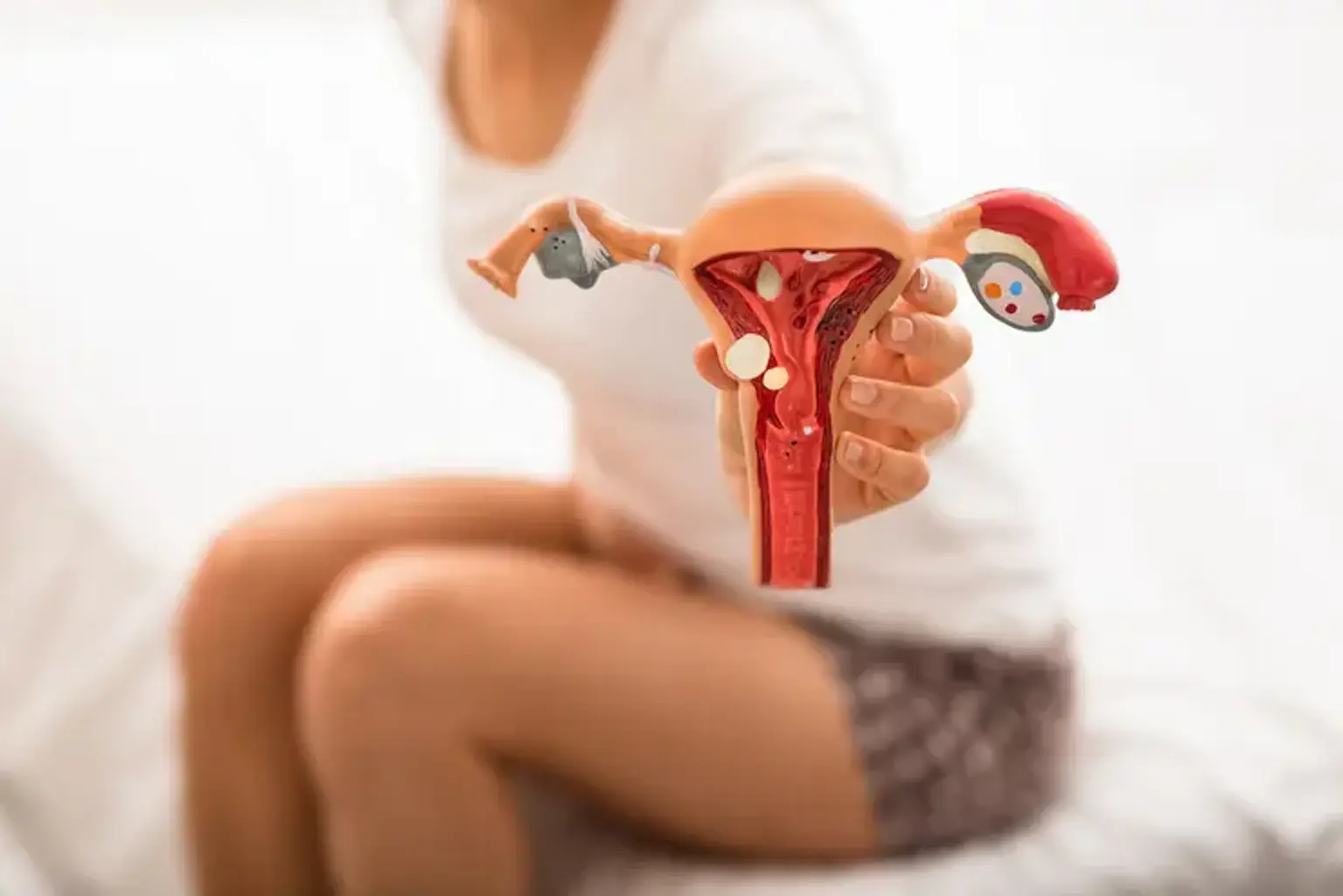
The procedure is typically quick, done under local anesthesia, and can be performed in a doctor’s office or clinic. While it doesn’t eliminate the cyst’s lining (which might cause recurrence), it provides immediate relief by draining the fluid and shrinking the cyst.
Cyst Aspiration for Skin Cysts: A Closer Look
Skin cysts, such as sebaceous or epidermoid cysts, are among the most common types treated with aspiration. These cysts can form on the face, neck, back, or other body parts, causing both discomfort and cosmetic concerns.
Cyst aspiration is particularly effective when the cyst is not infected and is causing mild to moderate symptoms. By draining the cyst's contents, the procedure shrinks the cyst and reduces swelling. It's often used as an alternative to surgery for small to medium-sized cysts, helping prevent scarring and promoting faster recovery.
Before and after photos can be particularly helpful in illustrating the positive cosmetic effects, showing the significant reduction in swelling and the potential for minimal scarring. However, it’s important to note that cysts may recur after aspiration, as the cyst wall remains intact.
The Cyst Aspiration Process: Step-by-Step
Here’s how cyst aspiration typically works:
Pre-Procedure Assessment: Your doctor will examine the cyst, assess its size, and determine if aspiration is the best treatment option. A small needle may be used to test if the cyst contains fluid.
Anesthesia: For most cyst aspirations, local anesthesia is used to numb the area. This ensures that the procedure is pain-free.
Needle Insertion: A sterile needle is inserted into the cyst, and fluid is gently aspirated. This can take anywhere from a few minutes to 10–15 minutes, depending on the cyst's size.
Post-Procedure Monitoring: After the aspiration, the doctor may apply a bandage to the area and monitor it briefly for any complications. You may be asked to follow up after a few weeks to ensure the cyst doesn’t reoccur.
Benefits of Cyst Aspiration
Cyst aspiration offers several benefits over more invasive treatments, particularly surgery:
Minimally Invasive: Aspiration only requires a small needle, reducing the need for stitches and minimizing scarring.
Quick Recovery: Since it doesn’t involve cutting into the skin, recovery is typically faster. Many patients return to their normal activities within hours.
Lower Risk: Compared to surgical procedures, cyst aspiration carries a lower risk of complications, such as infection or bleeding.
Cost-Effective: The procedure is often more affordable than surgical removal, especially when done in a doctor’s office.
Patients who choose cyst aspiration often experience minimal disruption to their lives, as the procedure is quick and relatively painless.
Cyst Aspiration vs. Surgical Removal
While both cyst aspiration and surgical removal are effective treatments, they differ in approach and outcomes. Cyst aspiration is typically recommended for smaller cysts that are not infected. It is a quick, less invasive procedure that requires no stitches and has a much shorter recovery time.
On the other hand, surgical removal involves excising the entire cyst, including its sac, to prevent recurrence. This is often necessary for larger or more persistent cysts, especially if they are causing significant discomfort, infection, or cosmetic concerns.
The main advantage of aspiration over surgery is its minimal recovery time. However, surgery may be preferred if the cyst is particularly large, or if aspiration has been ineffective in preventing the cyst from returning. Your doctor will assess the situation and recommend the best approach based on the size, location, and nature of the cyst.
Types of Cysts Treated with Aspiration
Cyst aspiration is commonly used for several types of cysts, including:
Sebaceous Cysts: These are often found on the skin and occur when sebaceous glands become blocked.
Ganglion Cysts: Typically found near joints or tendons, ganglion cysts are filled with a thick, jelly-like fluid.
Epidermoid Cysts: These are slow-growing cysts that form from trapped skin cells.
Ovarian Cysts: Aspiration may be used for some non-complicated ovarian cysts, although surgery is often needed for larger or more persistent ones.
Each type of cyst has different characteristics, and the decision to use aspiration depends on the cyst’s location, size, and symptoms.
Global Popularity of Cyst Aspiration
Cyst aspiration is widely practiced across the globe, particularly in dermatology and general surgery. Its popularity has grown due to its minimally invasive nature, quicker recovery times, and effectiveness in treating benign cysts.
In Developed Countries: In places like the U.S., Canada, and the UK, cyst aspiration is commonly performed in outpatient clinics. The procedure is often preferred for smaller cysts or when surgery is not necessary.
In Developing Countries: Cyst aspiration is also gaining traction as a cost-effective solution for treating cysts, especially in areas with limited access to advanced surgical procedures.
Technological advancements, such as the use of ultrasound for guidance, have made cyst aspiration even more precise, improving the success rates and expanding its availability worldwide. As patients continue to seek less invasive treatments, cyst aspiration remains a popular choice due to its accessibility and relatively low risk.
Cyst Aspiration Cost and Insurance Coverage
The cost of cyst aspiration can vary depending on factors such as the cyst’s size, location, and the region where the procedure is performed. On average, cyst aspiration can range from $150 to $500, with the procedure typically being done in an outpatient setting.
Insurance Coverage: In many cases, cyst aspiration is covered by insurance, particularly if the cyst is causing pain, discomfort, or potential complications. However, insurance may not cover the procedure if it’s deemed cosmetic or non-essential. It’s always a good idea to check with your insurance provider beforehand to understand your coverage.
While cyst aspiration is often more affordable than surgical removal, costs can still add up, particularly if follow-up care or additional treatments are required.
Risks and Complications of Cyst Aspiration
Although cyst aspiration is generally safe, like any medical procedure, it carries some risks and potential complications. These include:
Infection: Although rare, there’s a risk of infection at the needle insertion site. Following proper aftercare and keeping the area clean can minimize this risk.
Recurrence: Aspiration removes the fluid from the cyst, but it doesn’t eliminate the cyst lining, which may cause the cyst to return over time.
Bruising or Swelling: Some patients experience mild bruising or swelling at the aspiration site. This usually resolves within a few days.
Bleeding: Minor bleeding is possible but typically not concerning. If bleeding is excessive or continuous, medical attention may be needed.
In general, these complications are rare, and most patients recover without any major issues. It’s important to follow your doctor's post-procedure instructions to minimize risks.
When to Consider Cyst Aspiration
Cyst aspiration is typically recommended when a cyst is causing discomfort, cosmetic concerns, or mild swelling but is not infected or excessively large. Ideal candidates include individuals with:
Small to Medium-Sized Cysts: Aspiration works best for cysts that are not too large, as it can help reduce swelling and discomfort effectively.
Non-Infected Cysts: Aspiration is not appropriate for infected cysts, as draining the cyst without proper treatment can worsen the infection. In such cases, incision and drainage or antibiotics may be necessary.
Cosmetic Concerns: Aspiration is often sought by patients who wish to avoid surgery and reduce visible cysts, especially on the face or neck.
However, aspiration may not be suitable for all cyst types or for patients with certain health conditions. Your doctor will assess the cyst's size, location, and symptoms to determine if aspiration is the right choice or if other treatments should be considered.
Post-Procedure Care and Recovery Timeline
After cyst aspiration, the recovery process is usually fast and straightforward. Here’s what to expect:
Immediately After: The area may feel sore or tender for a short period, but this discomfort is typically mild and can be managed with over-the-counter pain relievers.
First Few Days: You might notice some swelling or bruising around the aspiration site. Keeping the area clean and dry is crucial to prevent infection.
Returning to Activities: Most people can return to their daily activities within a day or two, although avoiding strenuous exercise for about a week is recommended to allow proper healing.
Follow-Up Visits: Your doctor may schedule a follow-up visit to check for any signs of infection or cyst recurrence. If the cyst reappears, they may recommend another aspiration or surgery.
Overall, recovery is typically swift, and most people experience minimal discomfort after the procedure.
What to Expect During Cyst Aspiration
Cyst aspiration is generally well-tolerated, and the procedure is quick. Most patients experience minimal discomfort, thanks to the local anesthesia that numbs the area. You might feel a slight pressure or a small pinch when the needle is inserted, but the process itself is not painful.
The procedure typically takes just 10 to 20 minutes. Afterward, the area might feel sore for a short time, but the pain is usually manageable with over-the-counter pain relievers. Most people can go back to their daily activities within hours, though it’s advised to avoid strenuous exercise for a few days.
Alternatives to Cyst Aspiration
While cyst aspiration is an excellent option for many, there are several alternatives depending on the cyst’s characteristics and symptoms:
Incision and Drainage (I&D): For infected cysts, a doctor may make a small incision and drain the fluid. This is more invasive than aspiration and may require stitches.
Cyst Excision: If the cyst is recurrent or particularly bothersome, surgical removal may be necessary. This procedure involves excising the entire cyst and its sac to prevent recurrence.
Steroid Injections: In certain cases, steroid injections can help shrink cysts, particularly for ganglion cysts. This approach may not fully remove the cyst, but it can reduce its size and symptoms.
Your doctor will explain the pros and cons of each alternative based on the specific situation, helping you make an informed decision about the best treatment for you.
Cyst Aspiration and Self-Care Tips
After cyst aspiration, following proper aftercare is crucial for a smooth recovery. Here are some tips to help you take care of the area and promote healing:
Keep the Area Clean and Dry: Gently wash the area with soap and water, and pat it dry with a clean towel. Avoid scrubbing or using harsh chemicals on the site.
Avoid Tight Clothing: If the cyst was on an area with clothing contact (like the back or abdomen), avoid tight clothing that might irritate the site.
Monitor for Infection: Watch for signs of infection, such as increased redness, warmth, or pus. If these symptoms occur, contact your healthcare provider immediately.
Limit Physical Activity: While you can return to most daily activities, avoid strenuous exercise for a few days to prevent additional pressure or trauma to the area.
Pain Management: If you experience mild discomfort, over-the-counter pain relievers like ibuprofen or acetaminophen can help manage pain. Always follow your doctor’s recommendations for pain management.
Proper self-care after the procedure can minimize complications and help ensure a smooth recovery process.
Frequently Asked Questions About Cyst Aspiration
To help clarify any doubts you may have, here are some frequently asked questions about cyst aspiration:
Does cyst aspiration hurt? Most patients experience minimal discomfort during the procedure, thanks to the local anesthesia. You might feel a slight pressure, but the procedure itself is generally not painful.
How long does it take to recover from cyst aspiration? Recovery is typically fast, with most people resuming their daily activities within a day or two. Any soreness or swelling usually resolves within a few days.
Can the cyst come back after aspiration? Yes, since cyst aspiration only drains the fluid and does not remove the cyst’s lining, recurrence is possible. If the cyst returns, further treatment may be necessary.
Is cyst aspiration safe? The procedure is generally safe with minimal risks. However, as with any medical procedure, there is a small risk of infection, bleeding, or recurrence.
What happens if the cyst is infected? Cysts that are infected typically require different treatment, such as incision and drainage or antibiotic therapy, rather than aspiration.
How to Find a Qualified Professional for Cyst Aspiration
Selecting a skilled healthcare provider is essential for a successful cyst aspiration procedure. Here’s how to ensure you’re in capable hands:
Specialization: Look for a doctor with experience in dermatology, surgery, or a related field who has performed numerous cyst aspirations. Dermatologists and general surgeons often perform this procedure.
Certifications: Verify the doctor’s credentials and certifications. Ensure they are board-certified in their specialty and have relevant experience.
Consultation: Schedule a consultation to discuss your cyst, treatment options, and any concerns you may have. A good doctor will take the time to explain the procedure and answer your questions.
Patient Reviews: Check online reviews or ask for recommendations from family and friends who have undergone similar procedures. Positive feedback can help you feel more confident in your choice.
Finding a qualified professional ensures that your procedure is done safely and efficiently, minimizing the risk of complications.
Cyst Aspiration in Children and Special Populations
While cyst aspiration is a safe procedure for adults, it can also be performed on children, particularly for common cysts like sebaceous or ganglion cysts. However, there are a few considerations for pediatric patients:
Age Considerations: Children may require more gentle handling and reassurance, as they may feel more anxious about the procedure. Local anesthesia or mild sedation may be used to ensure comfort.
Follow-Up Care: Due to the growth and development of children’s bodies, extra monitoring may be necessary to ensure the cyst does not return or cause further complications.
In older adults or individuals with chronic health conditions, cyst aspiration can still be performed, but their medical history will be considered more carefully. In some cases, additional precautions may be required, especially if the patient is on blood thinners or has a weakened immune system.
The Emotional Impact of Cyst Aspiration
For many patients, cysts—especially those located on visible areas like the face, neck, or hands—can have a significant emotional impact. Aspiration offers a non-surgical solution that not only improves physical comfort but also boosts self-esteem.
Cosmetic Improvement: For those who are self-conscious about the appearance of a cyst, aspiration can provide immediate cosmetic relief. The reduction in size can make a noticeable difference in how a person feels about their appearance.
Boost in Confidence: Addressing cysts can lead to increased confidence, as patients no longer have to worry about the cyst’s appearance or the discomfort it may cause.
Psychological Benefits: The ability to resolve the issue without major surgery helps alleviate the anxiety some patients may feel about undergoing more invasive treatments. Aspiration is a way to address the problem with minimal disruption to daily life.
Patients should feel confident that they can address cysts safely and effectively, with emotional and psychological benefits beyond just physical healing.
Conclusion
Cyst aspiration is a valuable, minimally invasive procedure that provides effective relief for many types of benign cysts. It is quick, cost-effective, and typically results in minimal recovery time. While there are risks, they are generally rare, and most patients recover smoothly with appropriate aftercare.
If you have a cyst that causes discomfort, swelling, or cosmetic concerns, cyst aspiration may be an ideal solution. Consulting with a qualified healthcare provider is crucial in determining whether this procedure is right for you. They will assess the cyst’s characteristics, your overall health, and provide guidance on the best treatment option.
By choosing cyst aspiration, many patients experience not only physical relief but also enhanced self-esteem and confidence. If you are considering cyst aspiration, speak with your doctor to explore the benefits, risks, and how the procedure can fit into your healthcare plan.