Introduction
Dental Lumineers are a modern solution for individuals looking to enhance their smile without the need for extensive dental work. These ultra-thin porcelain veneers are designed to cover the front surface of the teeth, improving their appearance without grinding down the natural tooth structure.
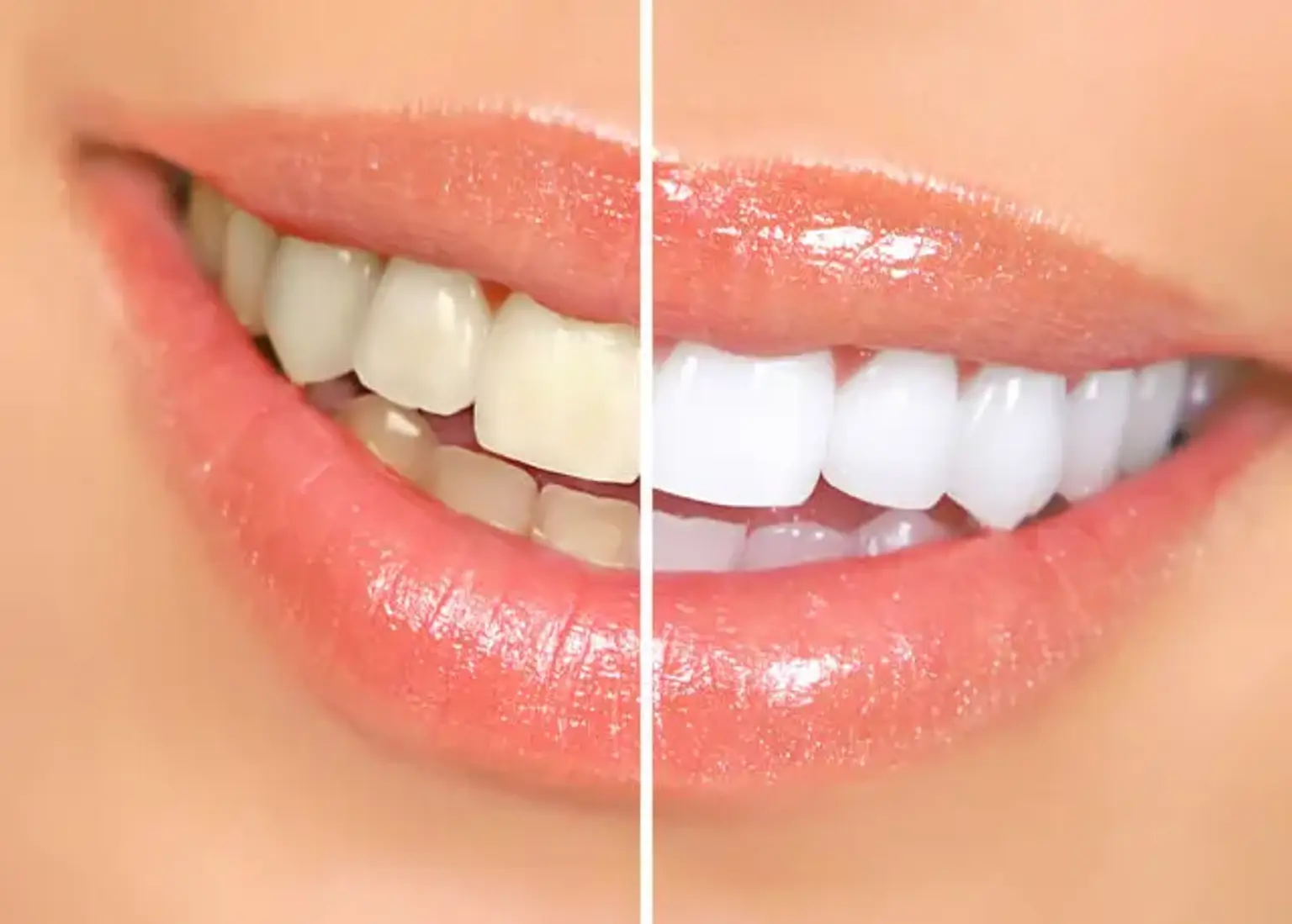
While cosmetic restoration has been around for years, the advent of Lumineers offers a non-invasive, pain-free alternative to traditional veneers. Unlike regular veneers that require substantial tooth reshaping, Lumineers are applied directly to the tooth with minimal to no enamel removal.
Patients are increasingly choosing Lumineers for smile makeovers because they provide an effective, long-lasting solution for discolored, chipped, or misaligned teeth. The procedure is simple and often requires only two visits to the dentist, making it a popular choice for individuals seeking quick, lasting results.
The Science Behind Dental Lumineers
Lumineers are made from ceramic materials, specifically a type of porcelain that is both thin and durable. Their unique composition allows them to be extremely strong yet thin enough (about the thickness of a contact lens) to be placed over the teeth without altering their natural structure.
Unlike traditional veneers, which require the removal of some enamel, Lumineers are a non-invasive solution. The light-reflecting properties of the ceramic material give a natural, vibrant look, often indistinguishable from natural teeth. This makes Lumineers an excellent option for those who want to enhance their smile without compromising the health of their teeth.
Advancements in cosmetic dentistry have led to the development of materials and techniques that make the application of Lumineers smoother and more precise. Using digital imaging and precise molds, the dentist can design a set of Lumineers that perfectly match the shape and shade of your natural teeth.
Benefits of Choosing Lumineers for Cosmetic Restoration
There are several reasons why people opt for Lumineers as part of their cosmetic restoration:
Minimal Invasiveness: Since Lumineers don’t require significant reshaping of the natural tooth, the procedure is typically pain-free and doesn’t involve drilling or shots. This is ideal for those who are nervous about traditional veneers.
Long-lasting results: Lumineers are designed to be durable and resistant to stains, meaning they can last for many years with proper care.
Quick recovery: With no need for anesthetics or prolonged healing times, most patients can resume normal activities the same day.
Aesthetic enhancement: Whether you're dealing with stained, chipped, or misaligned teeth, Lumineers can create a flawless smile. The materials used are custom-designed to look natural and vibrant.
In addition, the preservation of natural teeth makes Lumineers a great choice for people who want to avoid invasive dental treatments.
The Procedure of Getting Lumineers: Step-by-Step
Getting Lumineers is a straightforward process that typically takes two dental visits.
First Visit: During the initial consultation, the dentist will perform a thorough examination to ensure that Lumineers are suitable for your teeth. They will also take digital impressions of your teeth, which will be used to craft the custom Lumineers.
Second Visit: Once the Lumineers are ready (usually in about 2 weeks), the dentist will carefully place them over your teeth, ensuring a comfortable and secure fit. In most cases, there is no need for local anesthesia, as the procedure is painless.
Because Lumineers don’t require any enamel removal, patients can often walk out of the dentist's office with a brand-new smile in just one appointment. The fit is precise, and any minor adjustments can be made on the spot for a perfect result.
Who is a Good Candidate for Lumineers?
Lumineers are an excellent choice for patients who have cosmetic issues with their teeth, including:
Chipped or cracked teeth: Lumineers can seamlessly cover minor damage.
Stained or discolored teeth: They are highly effective at masking stubborn stains that traditional whitening methods can’t remove.
Misaligned teeth: If you're hesitant to opt for braces, Lumineers offer a quick solution to straighten teeth.
Gaps between teeth: Lumineers can close minor gaps, giving you a more uniform smile.
That being said, not everyone is a good candidate for Lumineers. Those with severely damaged or decayed teeth may need additional treatments, such as crowns, to ensure the health of their teeth before opting for a cosmetic procedure. Good oral health is crucial for a successful outcome.
A consultation with a qualified cosmetic dentist will help determine whether Lumineers are the best option for your unique dental needs.
Lumineers vs Traditional Veneers: What’s the Difference?
The most obvious difference between Lumineers and traditional porcelain veneers is the level of tooth preparation required.
Lumineers: These are ultra-thin and typically don’t require the removal of tooth enamel, making the procedure minimally invasive. They can be applied directly to the tooth surface with little to no alteration.
Traditional Veneers: These require some enamel removal to ensure a secure fit, which may lead to increased sensitivity and a longer recovery time.
While Lumineers are ideal for those looking for a quick, non-invasive solution, traditional veneers may be a better option for individuals who have more significant tooth damage or require a more substantial aesthetic change.
Cost is another factor to consider. Traditional veneers tend to be more expensive due to the need for extensive tooth preparation and longer treatment times.
Cosmetic Dental Restoration: Beyond Just Veneers
While Lumineers are a popular choice for cosmetic smile enhancement, they are just one of several cosmetic dental restoration options available. Other treatments include:
Teeth whitening: A simpler procedure for brightening discolored teeth.
Crowns: Often used for more significant damage or decay, crowns provide full coverage of a tooth.
Bonding: A more affordable alternative to veneers for minor chips or cracks.
In many cases, Lumineers can be used in conjunction with these treatments to achieve a more comprehensive smile makeover. For instance, whitening can be combined with Lumineers for patients who need both stain removal and cosmetic improvement.
Choosing the right combination of treatments depends on your individual needs, and a consultation with a cosmetic dentist can help tailor a personalized plan for your smile transformation.
Costs of Lumineers for Cosmetic Restoration
The cost of Lumineers can vary depending on factors such as location, the dentist’s expertise, and the number of Lumineers needed. On average, Lumineers can range from $800 to $2,000 per tooth.
While this may seem like a significant investment, many patients find that the long-term benefits—such as improved self-esteem, durability, and minimal maintenance—make it worthwhile.
It’s important to note that Lumineers are considered a cosmetic treatment, so they may not be covered by traditional insurance plans. However, many dental offices offer financing options to make the procedure more affordable.
When comparing costs, consider the value Lumineers provide: a non-invasive, long-lasting solution that can transform your smile without the need for painful or complicated dental work.
How Long Do Lumineers Last?
One of the key benefits of Lumineers is their durability. On average, Lumineers can last between 10 to 20 years with proper care, making them a long-term investment in your smile.
The lifespan of Lumineers largely depends on your oral hygiene and lifestyle choices. Regular brushing, flossing, and visits to the dentist are essential to maintaining both the appearance and functionality of your Lumineers. Additionally, avoiding habits like grinding your teeth or chewing on hard objects can prevent premature wear and tear.
Lumineers are also resistant to staining, so you don’t have to worry about your smile becoming discolored over time. This is particularly beneficial for people who drink coffee, tea, or wine, as these substances are known to stain traditional veneers and natural teeth.
Aftercare and Maintenance of Lumineers
Once your Lumineers are in place, maintaining them is straightforward. Here are some essential aftercare tips:
Brush and floss regularly: Continue with your daily oral hygiene routine, but be gentle around the edges of your Lumineers.
Avoid hard foods: While Lumineers are durable, chewing on things like ice, pens, or hard candy can damage them.
Wear a nightguard if needed: If you grind your teeth at night, a nightguard will protect your Lumineers from unnecessary pressure and wear.
Regular dental check-ups: Ensure your dentist monitors the condition of your Lumineers during routine visits.
Taking these precautions can help you enjoy your beautiful, natural-looking smile for many years to come.
Risks and Side Effects of Lumineers
While Lumineers are generally safe and well-tolerated, like any cosmetic dental procedure, they come with some risks and potential side effects:
Tooth Sensitivity: Some patients may experience mild sensitivity to hot and cold temperatures after the procedure. This is usually temporary and resolves as the teeth adjust.
Discomfort during adjustment: After the Lumineers are placed, there may be a short period of discomfort as your mouth adapts to the new fit. Any issues can usually be addressed with minor adjustments by the dentist.
Not suitable for severely damaged teeth: While Lumineers are great for cosmetic fixes, if the underlying tooth is weak or severely decayed, a more robust solution like a crown might be necessary.
Potential for cracking: Although rare, Lumineers can crack or chip under excessive pressure (such as from teeth grinding or chewing very hard foods).
It’s crucial to consult with a skilled dentist to ensure that Lumineers are right for your specific dental needs. They will assess whether you have any conditions (like severe tooth decay or gum disease) that might interfere with the procedure’s success.
Global Popularity of Lumineers in Cosmetic Dentistry
The global demand for Lumineers has surged in recent years, as more people seek out non-invasive and affordable alternatives to traditional dental procedures. Patients from all over the world are turning to Lumineers for their minimal discomfort, quick results, and ability to create a natural, radiant smile.
Lumineers are particularly popular in countries with advanced dental practices, such as the United States, Canada, and many European nations. However, the procedure has also gained traction in medical tourism hotspots, like Mexico, Turkey, and Thailand, where high-quality dental care is available at a fraction of the cost compared to other countries.
In these regions, Lumineers are often combined with other treatments in a comprehensive smile makeover, making them an ideal choice for international patients seeking a complete smile restoration in one trip.
The ease and affordability of Lumineers, combined with their long-lasting results, make them an increasingly popular option for those seeking to improve their smile without undergoing extensive dental surgery.
Common Myths About Lumineers
There are several myths surrounding Lumineers that can create confusion. Here are a few common ones debunked:
Myth 1: Lumineers are the same as traditional veneers: While both improve the appearance of your smile, Lumineers are thinner and less invasive than traditional veneers.
Myth 2: Lumineers are not durable: Lumineers are made from strong ceramic materials and can last for 10-20 years when cared for properly.
Myth 3: The procedure is painful: Since Lumineers require little to no tooth preparation, most patients report minimal to no pain during the process.
Understanding the facts behind Lumineers can help you make a more informed decision about whether they’re right for you.
Choosing the Right Dentist for Lumineers
The success of your Lumineers largely depends on the skill of your dentist. When choosing a practitioner, consider:
Experience with cosmetic dentistry: Look for a dentist who specializes in cosmetic restoration and has experience with Lumineers.
Before-and-after photos: Request to see examples of previous patients who have had Lumineers applied.
Consultation: A good dentist will perform a thorough examination, discuss your goals, and explain whether Lumineers are the best option for you.
It’s important to choose a dentist who listens to your needs and takes a personalized approach to ensure the best results.
Frequently Asked Questions (FAQs)
How long does the procedure take?
The process typically requires two visits: one for impressions and another for placement. Each visit lasts about 1-2 hours.Can Lumineers fix crooked teeth?
Yes, Lumineers can help improve the appearance of slightly misaligned teeth by providing a smoother, more even surface.Are Lumineers reversible?
Unlike traditional veneers, Lumineers are not permanently irreversible because they require little to no enamel removal. However, once applied, they cannot be removed without replacing them.How much do Lumineers cost?
The average cost ranges from $800 to $2,000 per tooth, depending on factors like location and the dentist's expertise.
The Impact of Lumineers on Self-Confidence
For many people, the appearance of their smile plays a major role in their self-esteem. Lumineers can dramatically improve the appearance of teeth, leading to:
Enhanced facial aesthetics: A more uniform, radiant smile can create a balanced and youthful appearance.
Increased confidence: Many patients report feeling more comfortable in social and professional situations after getting Lumineers.
Boost in quality of life: With Lumineers, individuals feel less self-conscious about their teeth, which can positively affect personal relationships and career opportunities.
Overall, the transformative impact of Lumineers goes beyond just physical appearance—it can significantly elevate how individuals feel about themselves.
Alternatives to Lumineers: Which Option is Right for You?
While Lumineers are a great option for many, there are other cosmetic dentistry treatments that may better suit certain needs:
Traditional veneers: If your teeth require more extensive reshaping or if there’s severe discoloration, traditional veneers might be a better option.
Teeth whitening: If stains are the main concern and you have good overall tooth health, whitening treatments could be enough.
Dental bonding: For minor imperfections like small chips or cracks, bonding may be a cost-effective and quick solution.
Choosing the right treatment depends on factors like the severity of your dental issues, your budget, and how permanent you want the results to be. A dentist can help you navigate these options and recommend the most suitable one for your goals.
Lumineers and Cosmetic Dentistry Trends
The growing popularity of Lumineers reflects a larger trend in cosmetic dentistry towards less invasive, quicker, and more affordable procedures. As patients seek natural-looking results with minimal discomfort, Lumineers have become a favorite choice due to their durability, effectiveness, and ease of application.
Additionally, technological advancements in digital imaging and 3D printing are allowing for even more precise fitting and custom-designed Lumineers, contributing to their increasing use. These innovations are making cosmetic dental treatments more accessible and cost-effective for a broader range of people.
Conclusion
If you’re considering a cosmetic smile transformation, Lumineers may be the perfect solution. With their minimal invasiveness, quick procedure, and long-lasting results, they offer a hassle-free way to improve the aesthetics of your smile.
However, it’s essential to consult with an experienced cosmetic dentist to determine if Lumineers are the best fit for your dental needs. A professional will guide you through the decision-making process, ensuring you’re fully informed and confident in your choice.
Ultimately, Lumineers provide a safe, effective, and minimally invasive path to a stunning smile—helping you look your best and feel more confident.