Introduction
Dental prosthetics and restorations are essential treatments in modern dentistry, designed to restore the function, structure, and appearance of teeth that are damaged or missing. These treatments include a range of options such as crowns, bridges, dentures, and dental implants, each offering unique benefits tailored to a patient's needs.
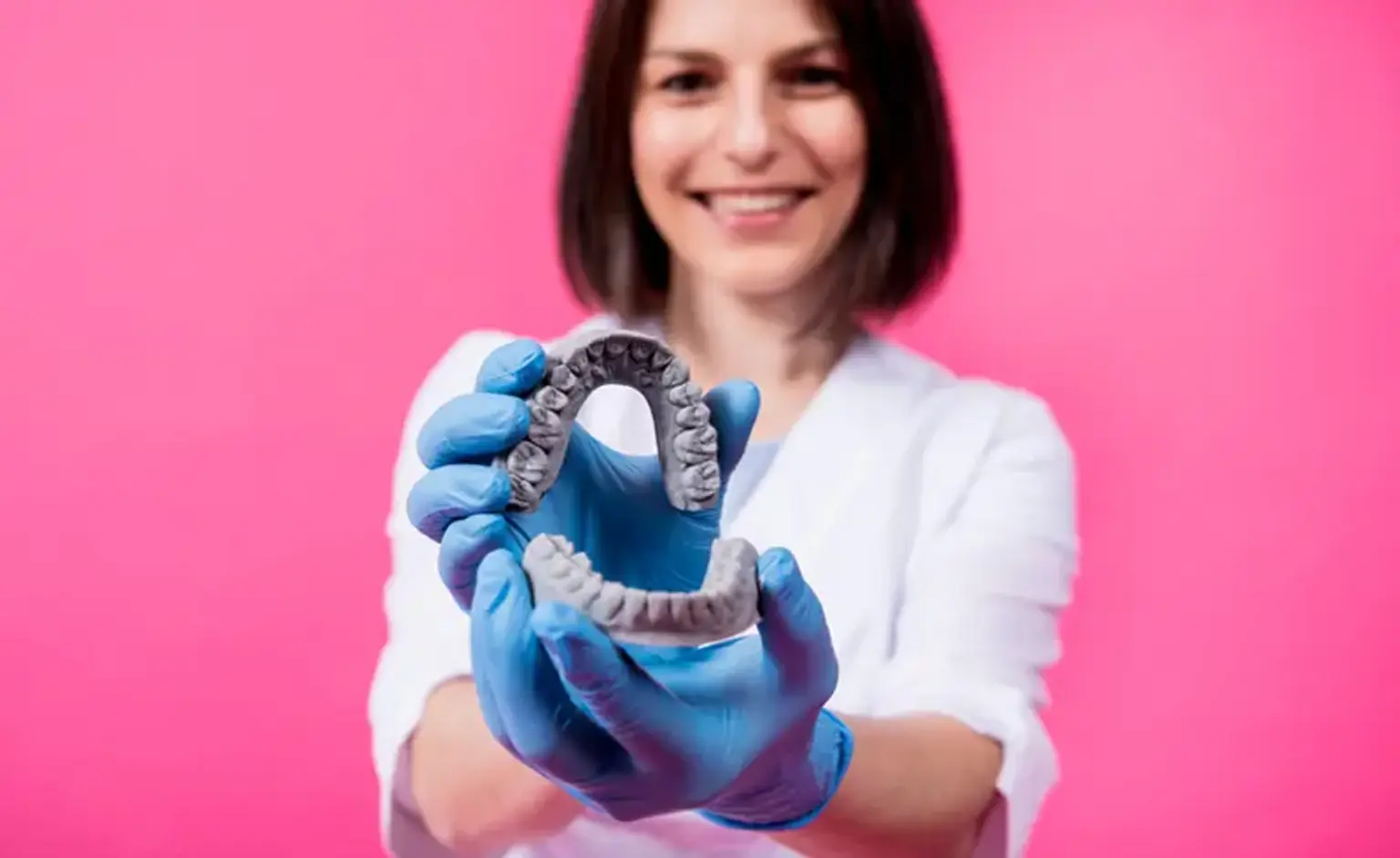
The global popularity of these treatments is rising, especially with advances in dental technology that make procedures safer, more effective, and longer-lasting. From improving oral health to boosting self-confidence, dental restorations play a vital role in maintaining a beautiful and functional smile.
Types of Dental Prosthetics: A Comprehensive Guide
There are several types of dental prosthetics, each suitable for different types of tooth loss or damage:
Dental Implants: Implants are the most permanent and effective solution for replacing missing teeth. A titanium post is surgically placed in the jawbone, which then supports a crown or bridge. They offer natural function and appearance and help preserve bone health.
Crowns: Dental crowns are used to cover damaged or weakened teeth. Made from materials like ceramic or zirconia, they restore both function and aesthetics by encasing the entire tooth.
Bridges: Dental bridges are used to fill the gap created by one or more missing teeth. They anchor to adjacent healthy teeth and are often made of porcelain, offering a natural look and feel.
Dentures: Full or partial dentures are removable replacements for missing teeth. While not as permanent as implants, dentures are an affordable and effective option for those with significant tooth loss.
Implant-Supported Restorations: For patients who prefer a fixed solution, implants can support crowns, bridges, or even full dentures, offering greater stability and a more natural feel than traditional removable dentures.
The Procedure for Getting Dental Prosthetics: What to Expect
The process of getting dental prosthetics typically involves multiple steps, depending on the type of restoration chosen:
Consultation and Evaluation: Your dentist will assess your oral health to determine the best treatment plan. This may involve X-rays or 3D imaging to analyze the condition of your teeth and jawbone.
Treatment Planning and Design: If implants are chosen, digital tools and CAD/CAM technology are used to design custom restorations. For crowns and bridges, impressions are taken to ensure a perfect fit.
The Procedure:
Dental Implants: If you're getting implants, a minor surgery is performed to place the titanium post in the jawbone. After healing, the crown or bridge is placed on top.
Crowns and Bridges: For crowns, the damaged tooth is shaped to accommodate the restoration. Bridges are anchored to nearby teeth or implants and placed to fill the gap.
Dentures: For dentures, the gums are molded to ensure a snug fit, and artificial teeth are attached.
Final Fitting: Once your prosthetic is ready, the dentist ensures a perfect fit, making any necessary adjustments to comfort and function.
Materials Used in Dental Restorations
The materials used in dental prosthetics play a crucial role in their appearance, durability, and functionality. Here are some common materials used in restorations:
Ceramic and Porcelain Crowns: These materials mimic the natural color and translucency of teeth, making them ideal for front teeth where aesthetics are important. They are durable but can be prone to chipping under heavy pressure.
Zirconia Crowns: Zirconia is one of the strongest materials available, offering a combination of durability and natural aesthetics. It's particularly used in the back teeth, where strength is a priority.
Metal Crowns and Bridges: Gold and other metals are highly durable and are often used in areas where strength is crucial, such as the back teeth. Though not as aesthetically pleasing as porcelain, they provide longevity.
Composite Fillings: These tooth-colored materials are often used for fillings but can also be used for small restorations. They bond directly to the tooth and are less invasive than crowns.
Dental Veneers: Made from porcelain or resin, veneers are thin shells that cover the front surface of teeth to improve appearance. They are used for cosmetic purposes to fix imperfections like staining or misalignment.
Benefits of Dental Restorations and Prosthetics
Dental restorations and prosthetics offer a variety of benefits, both functional and aesthetic:
Improved Function: Restoring missing or damaged teeth allows you to eat, speak, and smile confidently again. Whether it’s a crown, bridge, or implant, these treatments restore full chewing function and improve overall oral health.
Aesthetic Enhancement: Restorations like crowns, veneers, and implants can dramatically improve your smile by filling gaps, reshaping teeth, and enhancing overall appearance.
Longevity: Modern materials used in dental restorations are designed to be durable and long-lasting. Implants, for example, can last for decades with proper care, while crowns and bridges offer years of reliability.
Cost-Effectiveness: While the initial investment for treatments like implants may be higher, they offer long-term value by reducing the need for frequent replacements or repairs, making them more cost-effective over time.
Advances in Digital Dentistry for Prosthetics
The field of dental prosthetics has seen major advances due to digital dentistry, which has improved precision, efficiency, and patient experience:
Digital Impressions: Traditional molds are being replaced with 3D scanning technology, which is more comfortable for patients and provides highly accurate digital impressions for restorations.
CAD/CAM Technology: Computer-Aided Design (CAD) and Computer-Aided Manufacturing (CAM) allow for the creation of custom restorations that are tailored to fit each patient perfectly. This technology speeds up the design and production process, providing quicker results.
Personalized Restorations: Using digital impressions and CAD/CAM, dental professionals can create highly individualized restorations that not only fit better but also look more natural, matching the patient's existing teeth closely in size, shape, and color.
3D Printing: This emerging technology allows for the creation of prosthetics like dentures and crowns with greater speed and precision. It also allows for more affordable options and quicker turnaround times for patients.
How to Choose the Right Dental Prosthodontist
Selecting the right dental prosthodontist is crucial for achieving the best results. Here’s what to look for:
Experience and Qualifications: Make sure the prosthodontist has the necessary credentials and extensive experience in performing dental restorations, particularly if you require complex procedures like implants or full-mouth restoration.
Specialization: Prosthodontics is a specialized branch of dentistry, so it’s important to choose a practitioner who focuses specifically on restorative procedures. They should have expertise in crown, bridge, denture, and implant procedures.
Technology: Choose a dentist who uses the latest technology, like digital impressions and CAD/CAM systems, as this ensures higher accuracy and better fitting restorations.
Patient Reviews and Testimonials: Look for patient feedback regarding the quality of care, results, and overall experience. Real-world testimonials can give you valuable insight into what you can expect.
The Cost of Dental Prosthetics: What You Need to Know
The cost of dental prosthetics can vary based on several factors, but it's important to understand your options:
Cost Comparison: Dental implants are typically the most expensive option, followed by crowns and bridges. Dentures tend to be more affordable, especially for full or partial replacements. The cost of each treatment depends on the complexity and materials used.
Insurance and Financing: Many dental insurance plans cover a portion of the cost, especially for procedures like crowns and bridges. However, implants may not be fully covered, and you may need to explore financing options or payment plans to manage costs.
Factors Affecting Cost: The type of restoration, materials used (e.g., zirconia vs. porcelain), the complexity of the procedure, and your location can all influence the final price. It's important to have a clear understanding of costs during your consultation.
Long-Term Value: While the initial cost of implants or high-end crowns may seem high, their longevity and durability can make them a worthwhile investment over time. Proper care and maintenance ensure that your restorations last for years, potentially saving you money in the long run by avoiding repeated treatments.
Risks and Considerations for Dental Restorations
While dental restorations are generally safe, it’s important to be aware of potential risks and considerations:
Implant Complications: Some risks with dental implants include infection, implant failure, or nerve damage. Proper care during healing can minimize these issues.
Crowns and Bridges: Over time, crowns or bridges can loosen or wear down. It's important to maintain oral hygiene and visit your dentist regularly to avoid complications.
Maintenance: Regular dental check-ups are crucial to ensure that restorations are intact and functioning properly. Neglecting maintenance could lead to tooth decay, gum disease, or prosthetic failure.
Cost of Repairs: Although restorations are durable, they can still need repairs or replacements over time, especially if they suffer from wear and tear.
Recovery and Aftercare: How to Ensure Long-Lasting Results
After receiving dental restorations, following proper recovery and aftercare is essential for success:
Post-Surgical Care for Implants: After dental implant surgery, it’s important to avoid hard foods, practice good oral hygiene, and follow your dentist’s instructions for care to ensure proper healing.
Caring for Crowns and Bridges: Maintaining your restorations involves daily brushing and flossing to prevent plaque buildup. Avoid biting down on hard objects to prevent damage.
Denture Care: If you have dentures, clean them regularly and remove them at night to allow your gums to rest. Your dentist will advise on necessary adjustments.
Regular Checkups: Regular visits to the dentist are important for monitoring the condition of your restorations and making any necessary adjustments.
Full-Mouth Restoration: What Is It and Who Needs It?
A full-mouth restoration is a comprehensive approach for patients with significant dental issues. This could include multiple missing teeth, damaged or worn teeth, or serious oral health problems.
What It Includes: Full-mouth restoration often involves a combination of implants, crowns, bridges, and possibly veneers to restore the function and appearance of your entire smile.
Ideal Candidates: People with extensive tooth damage, advanced gum disease, or those who are missing most of their teeth are ideal candidates for this type of restoration.
Process: A full-mouth restoration can be completed over several months, often with staged procedures to ensure optimal healing and functionality.
Results: This procedure can dramatically improve both aesthetics and oral function, making everyday activities like eating and speaking much easier.
Choosing Between Removable and Fixed Dentures
When it comes to dentures, there are two main types: removable and fixed. Each has its pros and cons:
Fixed Dentures: Fixed dentures are attached to dental implants, providing greater stability and comfort. They act and feel like natural teeth, eliminating the need for daily removal and cleaning. They're ideal for people looking for a permanent solution.
Removable Dentures: These are more affordable and can be easily removed for cleaning. They may be less comfortable than fixed dentures but are an effective solution for those with budget constraints or those who are not candidates for implants.
Which is Right for You?: The decision depends on factors like cost, the extent of tooth loss, bone health, and personal preference. Your dentist will help guide you toward the option that fits your lifestyle and needs.
Common FAQs About Dental Prosthetics and Restorations
Patients often have questions before undergoing dental prosthetic treatments. Here are some frequently asked questions:
How long do dental implants last?
Dental implants can last 25 years or more with proper care, making them a long-term solution for missing teeth.Are dental crowns and bridges painful?
The procedure is typically not painful due to local anesthesia. Mild discomfort or sensitivity may occur during recovery.How do I care for my new dentures?
Daily cleaning and regular check-ups are necessary. Dentures should be removed at night to allow the gums to rest.Can prosthetics look natural?
Yes, modern materials and advanced techniques make restorations look and feel like natural teeth.
The Global Popularity of Dental Prosthetics
Dental prosthetics are becoming more common worldwide, driven by advances in technology, greater awareness, and improved accessibility:
Technological Advancements: Digital impressions, 3D printing, and CAD/CAM systems have made procedures faster, more precise, and less invasive.
Increased Accessibility: As dental care becomes more widespread and affordable, more people can benefit from these restorative treatments.
Rising Demand: The global demand for dental implants and cosmetic restorations has increased, particularly in countries with advanced healthcare systems.
Cosmetic Dentistry Trends: In regions like North America and Europe, cosmetic procedures such as veneers and full-mouth restorations are becoming part of the mainstream dental care market.
The Future of Dental Restorations
The future of dental restorations is promising, with continuous innovations enhancing both the process and results:
Improved Materials: New materials are being developed that are even more durable, natural-looking, and bio-compatible, reducing wear and tear and enhancing the aesthetic result.
Regenerative Dentistry: Stem cell technology and other regenerative techniques could allow for the regeneration of damaged tissues, reducing the need for prosthetics in the future.
AI and Robotics: The use of artificial intelligence and robotic systems in dental procedures could make treatments even more precise and personalized, improving both outcomes and patient experience.
Smarter, Faster Treatments: Future treatments may involve faster healing processes, reduced recovery times, and more efficient treatment methods, ensuring that patients can enjoy beautiful, functional smiles quicker than ever.
How Dental Prosthetics Improve Quality of Life
Beyond just aesthetics and functionality, dental prosthetics significantly enhance a person’s overall quality of life:
Boosted Confidence: Restoring missing or damaged teeth can help patients regain their self-esteem and smile freely without feeling self-conscious.
Improved Oral Health: Restorations like implants and crowns prevent further tooth damage and support better oral hygiene.
Easier Eating and Speaking: Missing teeth can make eating and speaking difficult. Restorations make everyday activities more comfortable, allowing you to enjoy meals and conversations with ease.
Long-Term Health Benefits: Dental prosthetics can also protect remaining teeth from shifting or deterioration, promoting better long-term oral health.
The Role of Nutrition in Maintaining Dental Restorations
Maintaining proper nutrition is crucial for the longevity and health of your dental restorations:
Calcium and Vitamin D: These nutrients are essential for strong teeth and bones. Ensuring you get enough of them helps preserve your dental implants and prevent bone loss around restorations.
Avoid Sugary Foods: Excessive sugar can lead to tooth decay, even around crowns and bridges. Limiting sugary snacks and drinks protects your restorations and promotes overall oral health.
Healthy Eating Habits: A balanced diet rich in fruits, vegetables, and proteins supports your gums and teeth, reducing the risk of inflammation or infection around dental restorations.
The Psychological Benefits of Dental Prosthetics
Beyond the physical benefits, dental restorations provide psychological advantages:
Increased Self-Esteem: Having a full set of healthy, attractive teeth enhances one’s appearance and boosts self-confidence, especially in social or professional settings.
Improved Mental Health: Patients often report feeling more comfortable in public and are more likely to smile, which can have a positive impact on mood and overall mental well-being.
Relief from Social Anxiety: Missing or damaged teeth can cause embarrassment and social anxiety. Restorations offer freedom from this emotional burden, allowing patients to feel more at ease in social situations.
The Importance of Regular Checkups After Getting Restorations
Even after receiving dental restorations, regular check-ups with your dentist are essential to ensure long-term success:
Preventing Issues Early: Routine visits allow your dentist to spot any potential problems, such as infection, wear, or improper fit, before they become serious.
Monitoring for Wear and Tear: Crowns, bridges, and dentures can experience wear over time. Check-ups ensure that restorations are intact and functioning as intended.
Ensuring Proper Care: Your dentist can offer personalized advice on how to care for your restorations, ensuring they last as long as possible and maintain optimal functionality.
Conclusion
Dental prosthetics and restorations have transformed the way we approach tooth loss and damage. With advancements in materials, technology, and techniques, patients now have access to high-quality, durable, and aesthetically pleasing solutions that can restore both the function and appearance of their smiles.
Whether you're considering implants, crowns, bridges, or dentures, these treatments not only improve oral health but also enhance self-confidence and overall well-being. By understanding the process, maintaining good oral hygiene, and following aftercare instructions, dental restorations can last for years, offering significant improvements to your quality of life.