What Are Dermal Fillers?
Dermal fillers are non-surgical cosmetic treatments designed to restore volume, smooth wrinkles, and enhance facial contours. Typically injected into areas like the face, lips, and under the eyes, they help reduce the visible effects of aging. As one of the most popular aesthetic procedures worldwide, dermal fillers offer an effective solution for those looking to rejuvenate their appearance without the need for invasive surgery.
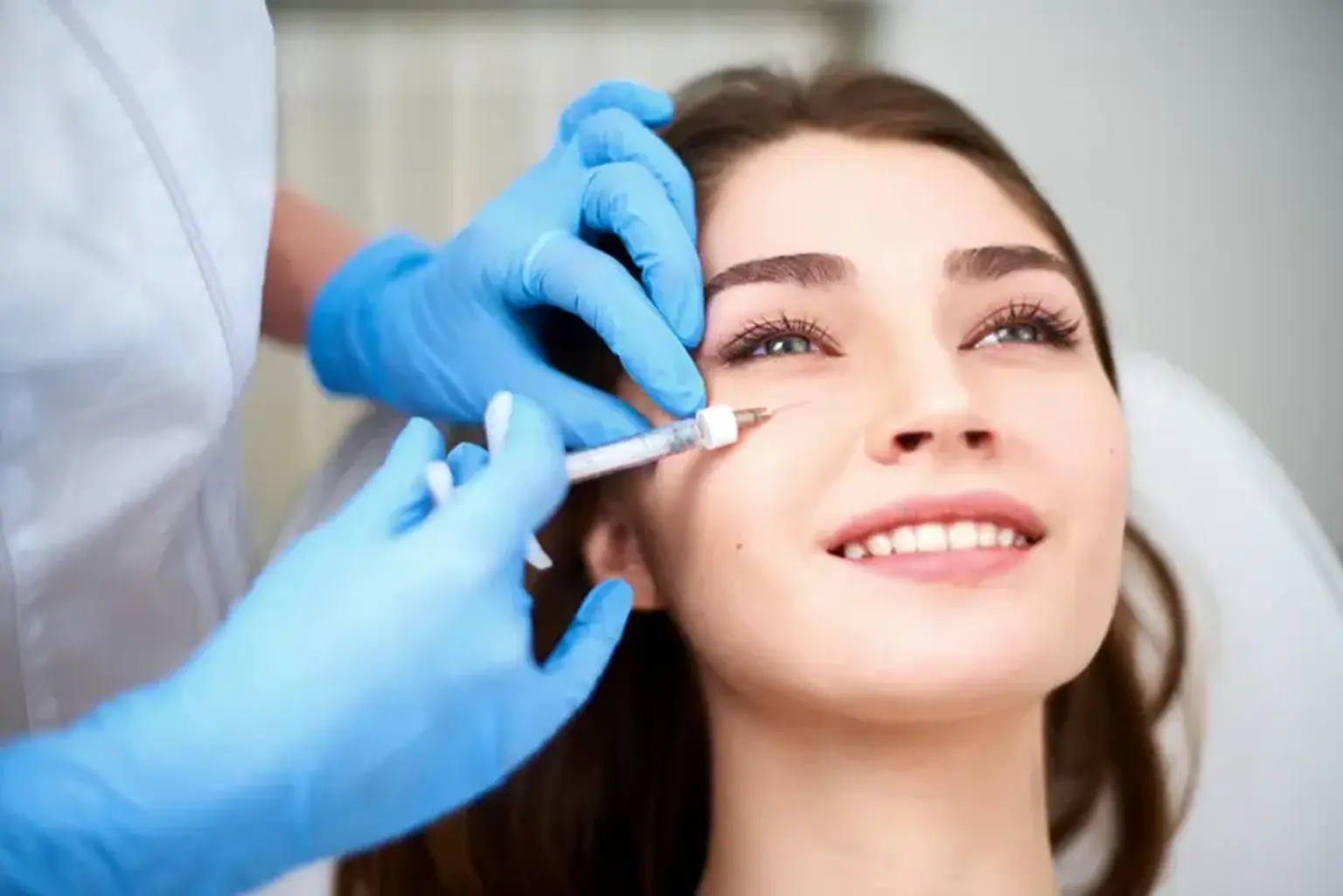
The procedure is quick, relatively painless, and requires minimal downtime, which has contributed to its surge in popularity. With dermal fillers, patients can see immediate improvements in skin texture and volume, making them an attractive option for those wanting a refreshed, youthful look.
Understanding the Types of Dermal Fillers
There are several types of dermal fillers, each formulated to treat specific concerns. The most common include:
Hyaluronic Acid Fillers: These are the most widely used and are made of a substance naturally found in the skin. Hyaluronic acid helps retain moisture, plump the skin, and restore volume. Popular brands include Juvederm and Restylane.
Calcium Hydroxylapatite: This type of filler is used to treat deeper lines and restore facial volume. It stimulates collagen production and provides long-lasting results. Radiesse is a well-known brand that uses this ingredient.
Poly-L-lactic Acid: Known for its ability to boost collagen production, this filler is commonly used to restore lost volume in the cheeks or face. Sculptra is the most recognized brand for this type.
Each filler type has its own unique properties, making them suitable for different facial areas and aesthetic goals.
How Dermal Fillers Work
Dermal fillers are injected into specific areas of the face to address volume loss, wrinkles, and sagging. The hyaluronic acid in the fillers binds with water molecules, helping to plump the skin and create a smoother appearance. For deeper wrinkles or areas that need more volume, other types of fillers (like calcium hydroxylapatite) may be used to restore structure and support.
These injectable treatments work by filling in lines and hollow areas in the skin, giving a lifted, more youthful appearance. Results are typically visible immediately after the procedure, with minimal to no downtime, although swelling or bruising may occur temporarily.
Benefits of Dermal Filler Treatments
The primary benefit of dermal fillers is the ability to enhance facial aesthetics without the need for surgery. Here are a few of the key advantages:
Immediate Results: Patients can see noticeable improvements right after the treatment, with smooth skin and fuller features.
Non-invasive: Dermal fillers are a non-surgical alternative to procedures like facelifts, reducing the risks and recovery times associated with invasive surgeries.
Minimal Downtime: Most people return to their daily routines immediately after treatment. Any side effects like swelling or bruising are usually mild and temporary.
Long-lasting: Depending on the type of filler, results can last from several months to over a year, offering a cost-effective solution for long-term rejuvenation.
In addition to addressing wrinkles, dermal fillers can be used to restore lost volume, enhance lips, and even improve the appearance of scars. With the wide variety of options available, patients can find a solution tailored to their individual needs.
What Conditions Can Dermal Fillers Treat?
Dermal fillers are incredibly versatile and can be used to treat a variety of facial concerns. The most common conditions treated include:
Wrinkles and Fine Lines: Dermal fillers are effective at softening wrinkles, especially around the mouth, eyes, and forehead. They help to "fill in" areas where the skin has lost elasticity, creating a smoother, younger-looking appearance.
Volume Loss: As we age, the face naturally loses volume, especially in areas like the cheeks, temples, and under the eyes. Fillers can restore fullness to these areas, giving the face a more lifted, youthful contour.
Lip Enhancement: Dermal fillers are commonly used to add volume and shape to lips, providing a fuller, more defined pout.
Under-eye Hollows: As the skin around the eyes thins with age, hollows can develop. Dermal fillers can help smooth and rejuvenate the under-eye area, reducing the appearance of dark circles and bags.
Jawline and Chin Definition: Fillers can also be used to contour the jawline and chin, enhancing facial symmetry and definition.
By addressing these concerns, dermal fillers help restore balance and harmony to the face, offering subtle, natural-looking results.
The Dermal Filler Injection Process
The dermal filler procedure is quick, minimally invasive, and typically performed in an outpatient setting. Here’s what to expect during the treatment:
Consultation: Before the procedure, you’ll meet with a qualified practitioner to discuss your aesthetic goals. They will assess your skin, identify areas that need treatment, and recommend the right filler for you.
Preparation: The treatment area will be cleaned and marked, and a numbing cream may be applied to minimize any discomfort during the injections. In some cases, a local anesthetic may be used for deeper treatments.
Injection: The filler is injected into the targeted areas using a fine needle. The procedure usually takes 15 to 30 minutes, depending on the areas being treated.
Post-Treatment: Once the injections are complete, patients can resume normal activities, though some mild swelling or bruising may occur. Results are often visible immediately or within a few days.
The treatment is relatively painless, and most patients report minimal discomfort. The ease and convenience of dermal filler injections make them an attractive option for people with busy schedules.
Choosing the Right Dermal Filler for Your Needs
Selecting the right dermal filler depends on several factors, including the area being treated, your skin type, and the desired outcome. Here’s what to consider when making your decision:
Area of Treatment: Certain fillers are better suited for specific areas. For example, softer fillers like Juvederm are often used for fine lines and lips, while thicker fillers like Radiesse are ideal for restoring volume in the cheeks and jawline.
Desired Results: If you're looking for subtle enhancement, hyaluronic acid fillers are a great option. For more dramatic volume restoration, calcium hydroxylapatite or poly-L-lactic acid fillers might be recommended.
Skin Type: If you have thin or delicate skin, a smoother, softer filler might be the best choice. For those with thicker skin or deeper lines, a more robust filler might be necessary.
A consultation with a skilled practitioner is essential to determine the best filler for your individual needs. They will assess your facial features, listen to your goals, and help you choose the right option for a natural, harmonious result.
Are Dermal Fillers Safe?
Yes, dermal fillers are generally considered safe when administered by a qualified and experienced practitioner. These treatments are FDA-approved and have been extensively studied for both safety and effectiveness. However, as with any medical procedure, there are some risks to be aware of:
Temporary Side Effects: Common side effects include swelling, bruising, redness, and tenderness at the injection site. These effects usually resolve within a few days.
Rare Complications: In rare cases, more serious complications such as infections, lumps, or vascular occlusion (blockage of blood vessels) can occur. Choosing a skilled practitioner minimizes the risk of these complications.
Allergic Reactions: Although uncommon, some individuals may experience allergic reactions to the ingredients in certain fillers. It’s important to discuss your medical history and any allergies with your practitioner before undergoing treatment.
To ensure your safety, always choose a licensed and experienced injector who uses FDA-approved products. They should be able to provide a thorough consultation, discuss potential risks, and take necessary precautions to reduce complications.
Possible Side Effects of Dermal Fillers
Although dermal fillers are generally safe, there are some common side effects that patients might experience. These are typically mild and temporary:
Swelling and Bruising: Mild swelling or bruising is the most common side effect, especially in areas like the lips or under the eyes. This usually resolves within a few days to a week.
Redness and Tenderness: The injection sites might appear red and feel tender for a short time after treatment.
Lumps or Bumps: Occasionally, lumps or bumps can form under the skin, but these typically smooth out over time or can be massaged away by your practitioner.
In rare cases, more serious side effects can occur, such as infection or vascular complications. These are typically preventable by choosing an experienced, qualified practitioner. Always follow aftercare instructions to minimize risks.
Dermal Filler Costs Around the World
The cost of dermal filler treatments varies based on several factors, including the type of filler used, the area being treated, and the practitioner's expertise. On average, dermal filler treatments cost between $500 and $2,000 per session in the United States.
Popular Locations for Dermal Fillers:
United States: High demand for cosmetic treatments, with costs ranging based on location and experience of the practitioner.
South Korea: Known for high-quality, affordable dermal filler treatments, often at lower prices than in Western countries.
Europe: Prices in the UK and Western Europe are similar to those in the U.S., though medical tourism is growing in countries like Hungary and Turkey due to lower costs.
Insurance typically does not cover cosmetic procedures, so patients should plan for the out-of-pocket expense. The cost is also influenced by the filler brand, area treated, and the number of sessions needed.
Are Dermal Fillers Worth the Investment?
Dermal fillers offer long-lasting, visible results without the need for surgery. For many, the benefits—such as restoring facial volume, reducing wrinkles, and enhancing facial features—make the treatment worthwhile.
Value for Money: While the initial cost might seem high, dermal fillers are relatively affordable compared to surgical options like facelifts. Results can last anywhere from six months to over a year, depending on the filler type and the area treated.
Psychological Benefits: Many patients report a significant boost in self-confidence and satisfaction with their appearance after dermal filler treatments. Enhanced facial aesthetics can contribute to improved mental well-being.
For those seeking a non-invasive way to address aging signs or enhance facial features, dermal fillers are often seen as a worthwhile investment in their appearance.
Recovery and Aftercare After Dermal Filler Treatments
One of the major advantages of dermal fillers is the minimal downtime required. Most patients can resume daily activities immediately after the procedure. However, proper aftercare is essential for optimal results:
Post-Treatment Instructions: Your practitioner will likely advise you to avoid strenuous activities, direct sun exposure, or makeup for the first 24 to 48 hours to minimize irritation and swelling.
Managing Swelling and Bruising: Ice packs can be applied to reduce swelling and bruising. Over-the-counter pain relievers like ibuprofen may also help alleviate discomfort.
Avoid Touching the Treated Area: It’s important to avoid massaging or pressing on the treated areas to prevent movement of the filler.
Full results are usually visible within a few days, and any minor swelling or bruising should resolve within a week. Follow-up visits might be necessary for touch-ups or to assess the results.
Longevity of Dermal Fillers
One of the main benefits of dermal fillers is the longevity of the results. While not permanent, they can last from several months to over a year, depending on the type of filler used, the area treated, and individual factors.
Hyaluronic Acid Fillers: These typically last between 6 to 12 months. The body gradually absorbs the hyaluronic acid over time, which can cause the results to fade.
Calcium Hydroxylapatite Fillers: These last around 12 to 18 months, with some cases extending up to 2 years. This filler stimulates collagen production, offering longer-lasting effects.
Poly-L-lactic Acid: Results from Sculptra, for example, can last 2 to 3 years, as it works by stimulating collagen growth over time.
Patients seeking longer-lasting results might opt for certain types of fillers, but regular touch-up treatments will help maintain the desired effects.
Global Popularity of Dermal Fillers
Dermal fillers have gained significant popularity across the globe, with a rapidly growing demand in both established and emerging markets.
United States: The U.S. is one of the largest markets for dermal fillers, with treatments becoming a mainstream aesthetic choice. Cities like Los Angeles and New York are known for their high number of cosmetic procedures.
South Korea: Known for its advanced cosmetic industry, South Korea is one of the top countries where dermal fillers are highly popular, often due to their affordable cost and cutting-edge techniques.
Brazil: In Brazil, cosmetic surgery is a cultural norm, and dermal fillers are a popular non-invasive alternative. Many Brazilian patients seek fillers to maintain youthful skin and enhance facial features.
This global popularity is driven by factors like less invasive procedures, the desire for quick results, and the increasing acceptance of cosmetic enhancements across different cultures.
Risks and Complications of Dermal Fillers
Though rare, dermal fillers do carry some risks and potential complications. These can include:
Infection: Any injection carries the risk of infection, especially if post-treatment care instructions are not followed.
Vascular Complications: In rare cases, fillers can block a blood vessel, leading to tissue damage or skin necrosis. This can be minimized by choosing an experienced injector.
Lumps and Irregularities: If the filler is not injected properly or if too much is injected, lumps or uneven results can occur. A skilled practitioner can massage the filler to smooth out these imperfections.
Allergic Reactions: Though uncommon, some individuals may react to the ingredients in dermal fillers. Always discuss any allergies or sensitivities with your practitioner beforehand.
By choosing a qualified, experienced practitioner and following proper aftercare, the risk of complications can be significantly reduced.
How to Choose the Right Practitioner for Dermal Fillers
Choosing the right practitioner is one of the most important steps in ensuring a successful dermal filler treatment. Here’s what to consider when selecting a provider:
Credentials and Experience: Look for a licensed medical professional with experience in injectable treatments. Dermatologists, plastic surgeons, and trained nurses with aesthetic training are the most qualified to perform these procedures.
Reputation and Reviews: Research the practitioner's reputation by reading patient reviews or asking for before-and-after photos of previous patients. A reputable practitioner will have a portfolio of successful outcomes.
Consultation: A good practitioner will offer a thorough consultation, discussing your goals, medical history, and the type of filler that best suits your needs. They should also explain the potential risks and manage your expectations.
Taking time to find the right professional can make all the difference in achieving a safe, effective, and natural-looking result.
Alternatives to Dermal Fillers
While dermal fillers are a popular choice for non-surgical facial enhancement, there are alternative treatments for those looking for different solutions:
Botox: While Botox is a neuromodulator used to relax muscles and smooth dynamic wrinkles (like frown lines and crow’s feet), dermal fillers address volume loss and static wrinkles. They can complement each other for comprehensive facial rejuvenation.
Thread Lifts: For those seeking more dramatic lifting effects, thread lifts involve the insertion of biodegradable threads into the skin to lift and tighten sagging areas. This is a minimally invasive procedure with longer-lasting results compared to dermal fillers.
Chemical Peels and Laser Treatments: These treatments focus on improving skin texture and tone by exfoliating the outer layer of skin. While they don’t add volume, they can complement dermal fillers by addressing skin pigmentation or texture issues.
Facelift Surgery: For those seeking permanent results or a more significant transformation, a traditional facelift can provide a more dramatic and long-lasting outcome, though it involves more downtime and a higher cost.
Dermal fillers remain one of the most effective and accessible options for non-surgical facial enhancement, but depending on your needs, combining or opting for another treatment may be worth considering.
The Future of Dermal Fillers
The dermal filler industry continues to evolve with advancements in technology and product formulations. Future trends and innovations may include:
Biodegradable Fillers: Newer fillers that break down more naturally within the body could reduce the need for frequent touch-ups and provide longer-lasting effects.
Stem Cell-Infused Fillers: Some researchers are exploring the use of stem cells in fillers to enhance collagen production and provide more natural, lasting volume restoration.
Personalized Fillers: Custom formulations tailored to an individual’s unique facial structure and needs could become more prevalent, ensuring the best possible results for each patient.
Smart Fillers: These advanced fillers may contain nanoparticles that can respond to the body’s environment, helping to stimulate collagen growth or adapt to changes in the skin over time.
As the field advances, dermal fillers will likely become even more refined, offering safer, longer-lasting, and more natural-looking results.
Frequently Asked Questions (FAQs)
Q: How long do dermal fillers last?
A: Dermal fillers typically last between 6 months to 2 years, depending on the type of filler used and the area treated.
Q: Are dermal fillers painful?
A: Most patients experience only mild discomfort, as fillers are injected using a fine needle. Numbing cream is often applied beforehand to minimize pain.
Q: Can dermal fillers be reversed?
A: Hyaluronic acid fillers can be reversed using an enzyme called hyaluronidase, which breaks down the filler. This is useful if the results are not as expected.
Q: Are dermal fillers safe?
A: Yes, dermal fillers are generally safe when administered by a trained professional. Always choose an experienced practitioner to reduce the risk of complications.
Q: How soon will I see results?
A: Results are usually visible immediately, though full effects may take a few days as any swelling or bruising subsides.
Conclusion
Dermal fillers are a safe, effective, and popular non-surgical option for enhancing facial aesthetics, whether to reduce wrinkles, restore volume, or define features. They offer an immediate solution with minimal downtime and can be tailored to meet the specific needs of each individual.
As with any cosmetic procedure, choosing a qualified practitioner and understanding the treatment options are essential for achieving the best results. With advancements in technology, dermal fillers will continue to evolve, offering even more personalized and longer-lasting outcomes in the future. For those looking to rejuvenate their appearance without the need for surgery, dermal fillers remain one of the most accessible and trusted treatments available today.