Introduction
Dermatology is a specialized branch of medicine that focuses on the diagnosis, treatment, and prevention of skin conditions. Skin care is essential not just for aesthetics but also for overall health. With increasing awareness of the importance of maintaining healthy skin, dermatology services have gained immense popularity worldwide.
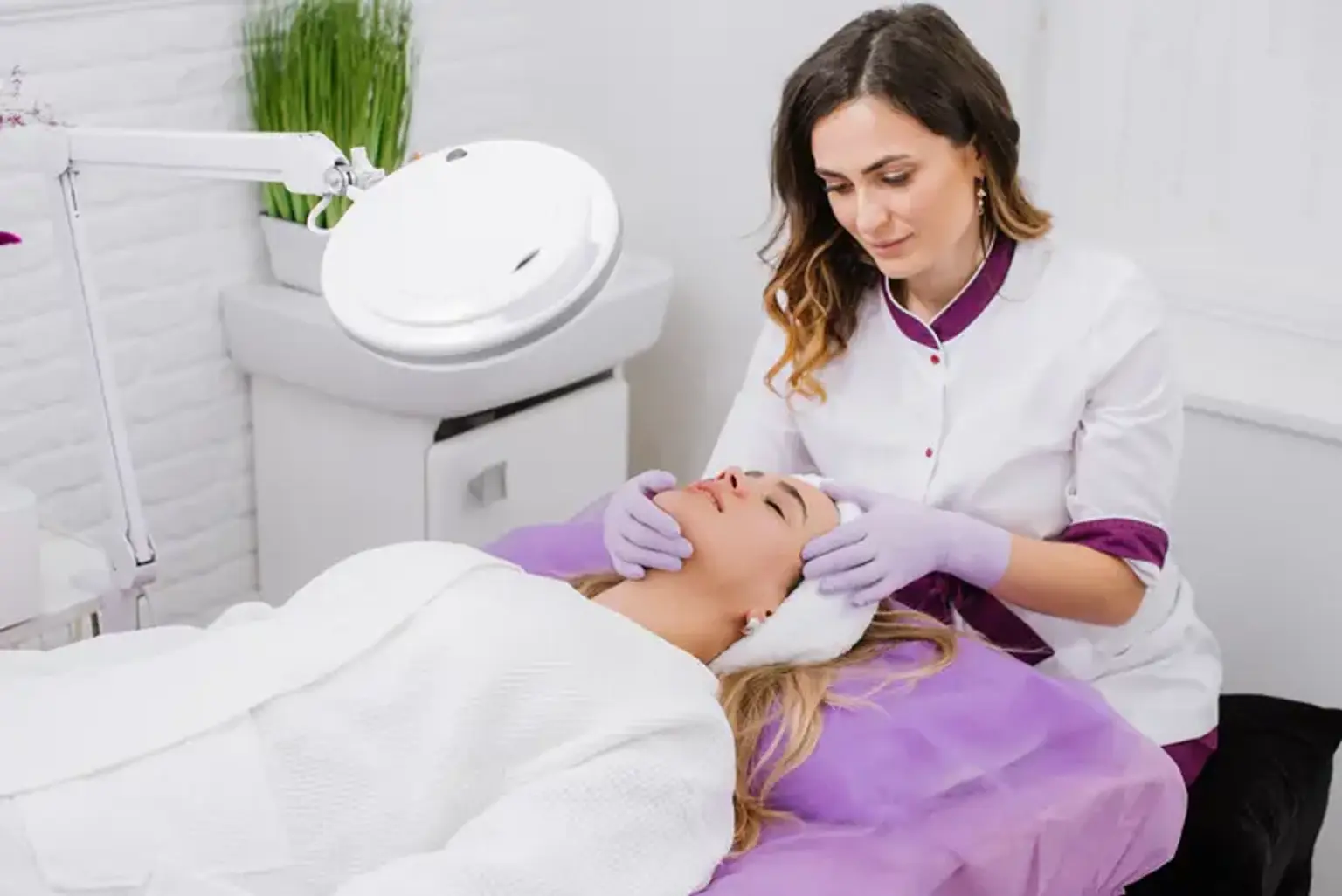
This article will explore various dermatology services, from acne treatments to advanced anti-aging therapies, and explain how they improve skin health and appearance. Whether you're seeking treatment for a common condition or looking to rejuvenate your skin, dermatologists offer tailored solutions to meet your needs.
What Is Dermatology and Why It’s Essential for Skin Care?
Dermatology is the medical discipline that deals with the skin, hair, and nails. Dermatologists are trained to identify a wide range of skin conditions, from common issues like acne and eczema to more serious concerns such as skin cancer.
The importance of dermatology in skin care cannot be overstated. Skin is the body's largest organ, and it acts as a barrier against harmful environmental factors. Neglecting skin health can lead to long-term issues, but professional dermatological care ensures early detection and effective treatment of skin problems. A dermatologist’s expertise is vital for keeping your skin looking healthy, youthful, and radiant.
Common Dermatology Services for Skin Care
Dermatologists offer a variety of treatments designed to address different skin concerns. These services can be broadly classified into three categories:
Cosmetic dermatology: Focuses on improving the skin's appearance through treatments like Botox, dermal fillers, and laser therapies.
Medical dermatology: Involves the diagnosis and treatment of medical conditions such as acne, eczema, and psoriasis.
Surgical dermatology: Includes procedures like skin cancer removal and mole excision.
Some of the most common dermatology services include acne treatment, skin rejuvenation, anti-aging procedures, and more. These services are personalized to meet the needs of each patient, ensuring the most effective results.
Acne Treatment: A Common Dermatology Service
Acne is one of the most common skin conditions, affecting people of all ages. It occurs when hair follicles become clogged with oil and dead skin cells, leading to the formation of pimples, cysts, and blackheads.
Dermatologists offer a range of treatments for acne, from topical medications (like retinoids and antibiotics) to oral medications and even advanced therapies like laser treatments. Professional treatments help not only to clear the skin but also to prevent scarring, which can be a major concern for acne sufferers.
Visiting a dermatologist is essential for those struggling with persistent acne. They can help identify the root cause of the condition and provide a customized treatment plan that ensures the best results for clear, healthy skin.
Anti-Aging Treatments: What Dermatologists Recommend
As we age, the skin naturally loses its elasticity, leading to wrinkles, fine lines, and sagging. Dermatology offers a variety of anti-aging treatments to help reduce these visible signs of aging and restore a youthful appearance.
Some popular anti-aging treatments include Botox injections, dermal fillers, and chemical peels. Botox temporarily paralyzes facial muscles, reducing wrinkles and fine lines. Dermal fillers add volume to the skin, smoothing out deeper wrinkles and restoring lost facial volume. Chemical peels remove the outer layers of skin, encouraging the growth of new, youthful skin.
These treatments are non-surgical, making them popular choices for people looking for quick, effective results without the downtime associated with more invasive procedures.
Laser Therapy for Skin Conditions
Laser therapy is a breakthrough in dermatology, offering precise treatments for a variety of skin conditions. Laser technology uses focused light to target specific layers of the skin, stimulating collagen production and improving skin texture.
Common laser treatments include laser skin resurfacing, which reduces wrinkles and acne scars, and laser hair removal, which provides a long-term solution for unwanted hair. Additionally, tattoo removal and vascular treatments (for conditions like spider veins) are also available using lasers.
Laser treatments are highly effective, and with advances in technology, they are now safer and less invasive than ever. After a laser session, most patients experience minimal discomfort and a short recovery time.
Botox Injections: Enhancing Skin with Non-Surgical Procedures
Botox is one of the most well-known dermatology treatments for wrinkles and fine lines. It works by temporarily blocking the nerve signals that cause muscles to contract, thereby relaxing the muscles and smoothing out the overlying skin.
Botox is particularly effective for treating crow’s feet, forehead lines, and frown lines between the eyebrows. The procedure is quick, with results visible within a few days, and it typically lasts three to six months. The minimal downtime and non-invasive nature of Botox make it an ideal choice for those who want to look younger without undergoing surgery.
Botox has a strong safety profile, but it’s important to consult with a qualified dermatologist who can provide personalized treatment based on your skin and facial anatomy.
Microneedling for Skin Rejuvenation
Microneedling, also known as collagen induction therapy, is a popular treatment that uses tiny needles to create controlled micro-injuries in the skin. This stimulates the body’s natural healing process and boosts collagen production, leading to smoother, more youthful-looking skin.
Microneedling is effective for treating acne scars, fine lines, and stretch marks. It can also improve skin texture, tone, and overall appearance. The procedure is minimally invasive, with only mild discomfort, and most patients experience minimal downtime.
Many dermatologists combine microneedling with PRP (Platelet-Rich Plasma) therapy for enhanced results. PRP is derived from the patient’s own blood and is applied to the skin after microneedling to further accelerate healing and collagen production.
Skin Cancer Screening: Essential Dermatology Service
Skin cancer is one of the most common types of cancer worldwide, but with early detection, it is highly treatable. Regular skin cancer screenings by a dermatologist are crucial for identifying early signs of skin cancer, which may be hard to spot on your own.
A dermatologist will examine your skin for suspicious moles, growths, or changes in existing moles. If necessary, they may conduct a biopsy to determine if the area is cancerous. Early detection can lead to more effective treatments and prevent the spread of cancer.
There are three main types of skin cancer: basal cell carcinoma, squamous cell carcinoma, and melanoma. While basal and squamous cell carcinomas are more common and less dangerous, melanoma is a more aggressive form. Regular screenings are vital for protecting your skin and overall health.
Psoriasis Treatment and Care
Psoriasis is a chronic autoimmune condition that causes the skin to form red, scaly patches. It often appears on the scalp, elbows, knees, and lower back. While it is not curable, there are many dermatology treatments that can manage symptoms and improve quality of life.
Common treatments include topical corticosteroids, topical vitamin D analogs, and phototherapy. In more severe cases, systemic medications (oral or injectable drugs) may be used. Dermatologists will customize the treatment plan depending on the severity of the condition and how it affects the patient’s lifestyle.
Psoriasis can be both physically and emotionally challenging, but with professional care, patients can manage flare-ups and improve their skin health. It's important to work with a dermatologist to find the most effective treatment and prevent exacerbations.
Eczema and Other Dermatitis Conditions
Eczema, also known as atopic dermatitis, is a condition that causes dry, itchy, and inflamed skin. It is commonly seen in children, but it can affect individuals of any age. Eczema often appears in areas like the face, elbows, and behind the knees, and can be triggered by allergens, irritants, and stress.
Dermatologists treat eczema with a combination of topical moisturizers, corticosteroid creams, and antihistamines for managing symptoms. More severe cases may require oral medications or light therapy. Dermatological care also focuses on identifying and avoiding triggers, which helps minimize flare-ups.
Similar to eczema, contact dermatitis and seborrheic dermatitis are common conditions that can be treated by dermatologists. Proper treatment reduces inflammation, relieves itching, and helps restore healthy skin.
Skin Rejuvenation and Brightening Treatments
Skin rejuvenation treatments aim to restore a youthful, glowing appearance by targeting various skin concerns such as fine lines, age spots, and dullness. Dermatologists offer a variety of rejuvenation options to help patients look and feel their best.
Chemical peels are one popular option, which involve applying a chemical solution to the skin to exfoliate the surface, promoting the growth of fresh, smooth skin. Another common treatment is laser therapy, which targets pigmentation issues like age spots and sun damage, helping to even out skin tone.
For those seeking brighter skin, dermatologists may also recommend treatments like microdermabrasion or PRP therapy, which stimulate collagen production and improve skin texture. These treatments can help reverse the effects of aging and environmental damage, leading to healthier, brighter skin.
Sun Damage Repair: Protecting Your Skin
Overexposure to the sun’s harmful UV rays can lead to a variety of skin issues, from premature aging to more serious conditions like skin cancer. Sun damage manifests as wrinkles, sunspots, and hyperpigmentation, making it crucial to protect your skin through proper sun protection and timely treatments.
Dermatologists offer several methods for repairing sun damage, including laser skin resurfacing and chemical peels. These treatments help reduce the appearance of sunspots and wrinkles by removing damaged skin layers and encouraging the production of new, healthy skin. Topical treatments containing ingredients like retinoids and vitamin C can also help improve skin tone and texture over time.
Prevention is equally important. Dermatologists emphasize the importance of daily sunscreen application, wearing protective clothing, and seeking shade during peak sun hours. Repairing sun damage can improve the appearance of your skin, but ongoing protection is key to long-term skin health.
How Dermatology Improves Skin Health and Confidence
For many, skin health is closely tied to self-esteem. Conditions like acne, wrinkles, and scars can affect one's confidence and overall quality of life. Dermatology services not only help restore the skin’s appearance but also boost mental well-being by improving self-image.
Treatments like acne care, skin rejuvenation, and anti-aging therapies can lead to significant improvements in skin texture, tone, and appearance. Real-life examples from dermatology clinics show how patients who struggled with persistent skin conditions often experience increased self-esteem and a renewed sense of confidence after receiving treatment.
Moreover, dermatologists understand the emotional impact of skin concerns and work closely with patients to find solutions that go beyond just the physical. The right treatment plan can enhance both skin health and personal confidence.
Choosing the Right Dermatologist for Your Skin Care Needs
Selecting the right dermatologist is crucial to receiving the best possible care. When choosing a dermatologist, it’s important to consider their experience, qualifications, and specialization in the specific treatment you need.
Look for board-certified dermatologists who are highly trained in diagnosing and treating skin conditions. It’s also helpful to read patient reviews and seek referrals from trusted sources. During your consultation, ask questions about their approach to treatment, the technologies they use, and their experience with your particular concern.
Additionally, a good dermatologist will take the time to understand your skin and provide a personalized treatment plan. They should explain the procedures clearly, answer all your questions, and offer guidance on how to maintain healthy skin long-term.
Safety and Regulations in Dermatology Treatments
Safety is a top priority when it comes to dermatology treatments. The increasing popularity of aesthetic dermatology has brought about concerns regarding the qualifications of practitioners and the risks of unregulated treatments.
Board-certified dermatologists undergo rigorous training and education to ensure that they provide safe and effective treatments. It is essential to seek care only from licensed professionals to minimize the risks of adverse effects. Reputable dermatologists adhere to strict safety protocols, such as conducting thorough consultations, using FDA-approved treatments, and following industry standards for hygiene and sterilization.
Patients should also ask about the risks of any procedure and ensure they understand potential side effects. Being informed and choosing a qualified dermatologist ensures that you are receiving top-notch care and results.
The Role of Dermatology in Managing Chronic Skin Conditions
Chronic skin conditions, such as eczema, psoriasis, and rosacea, can significantly impact daily life. While these conditions are often long-term, dermatologists play a crucial role in helping patients manage symptoms and reduce flare-ups.
For chronic conditions like eczema and psoriasis, dermatologists use a combination of topical treatments, light therapy, and systemic medications to control inflammation and keep the skin healthy. In some cases, new biologic treatments, such as monoclonal antibodies, are used to target the immune system's role in these conditions, providing relief to patients who don't respond to traditional treatments.
With ongoing care, many patients with chronic skin conditions can lead normal lives and keep symptoms under control, thanks to the expertise of dermatologists. Regular check-ups and adjusting treatments as needed are essential for managing chronic conditions effectively.
Understanding the Cost of Dermatology Services
The cost of dermatology services can vary greatly depending on the type of treatment, location, and whether the procedure is considered medical or cosmetic. Many basic dermatology services, such as acne treatments or skin cancer screenings, are covered by insurance, especially if they are deemed medically necessary.
However, cosmetic procedures like Botox, dermal fillers, and laser treatments often fall outside insurance coverage. Patients should inquire about pricing beforehand and consider payment plans or financing options available at many dermatology clinics.
While the upfront cost of some treatments may seem high, dermatological procedures can offer long-term benefits that enhance quality of life. For example, treating acne early can prevent scarring, and addressing sun damage or aging signs can boost self-confidence.
Patient Testimonials: Real-Life Stories of Skin Care Success
Patient testimonials are powerful indicators of the impact that dermatology services can have on a person’s life. Many patients who sought treatment for issues like severe acne, wrinkles, or skin cancer have shared their positive experiences, emphasizing how dermatology treatments improved both their skin and self-esteem.
One patient with persistent acne described how professional treatment helped clear up their skin, leading to a dramatic improvement in their self-confidence. Others have shared how anti-aging treatments allowed them to look years younger, restoring their youthful glow. For individuals with skin cancer, early intervention by a dermatologist has been a life-saving experience.
These real-life stories highlight the emotional and psychological benefits of dermatology services, showing how expert care not only improves skin health but also enhances overall well-being.
The Future of Dermatology: Advancements and Innovations
The field of dermatology is continuously evolving, with new advancements and technologies emerging to provide more effective and less invasive treatments. Innovations in laser therapy, genetic testing, and personalized medicine are revolutionizing how dermatologists treat skin conditions.
For example, genetic testing can now help dermatologists understand a patient’s predisposition to certain skin conditions, allowing for more personalized treatments. Meanwhile, AI-powered skin analysis is helping dermatologists detect conditions like skin cancer earlier, with greater precision.
As technology advances, dermatology treatments will become even more targeted, minimizing risks and improving outcomes. Patients can look forward to even better results, faster recovery times, and more options for maintaining healthy, youthful skin.
Conclusion
Dermatology is essential for maintaining healthy skin and addressing a wide range of skin concerns, from acne and aging to more serious conditions like skin cancer. By offering a variety of treatments, dermatologists help improve both the physical and emotional aspects of skin care, enhancing a person's quality of life and boosting their confidence.
From anti-aging therapies like Botox and fillers to advanced treatments for chronic skin conditions such as eczema and psoriasis, dermatologists are at the forefront of skin health. Their expertise not only addresses visible concerns but also provides critical early detection of serious conditions like skin cancer, which can be life-saving when caught early.
The field continues to evolve with innovations in technology and personalized care, making dermatology more effective and accessible. Whether you're seeking to rejuvenate your skin, manage a chronic condition, or simply maintain healthy skin, dermatology services offer comprehensive solutions for every need.