Introduction
Dermatosis refers to a broad range of skin conditions that affect millions of people worldwide. These conditions can range from mild rashes and irritations to chronic, severe disorders such as psoriasis and eczema. The good news is that with the right dermatosis treatment, most individuals can manage their symptoms, regain their quality of life, and even prevent flare-ups.
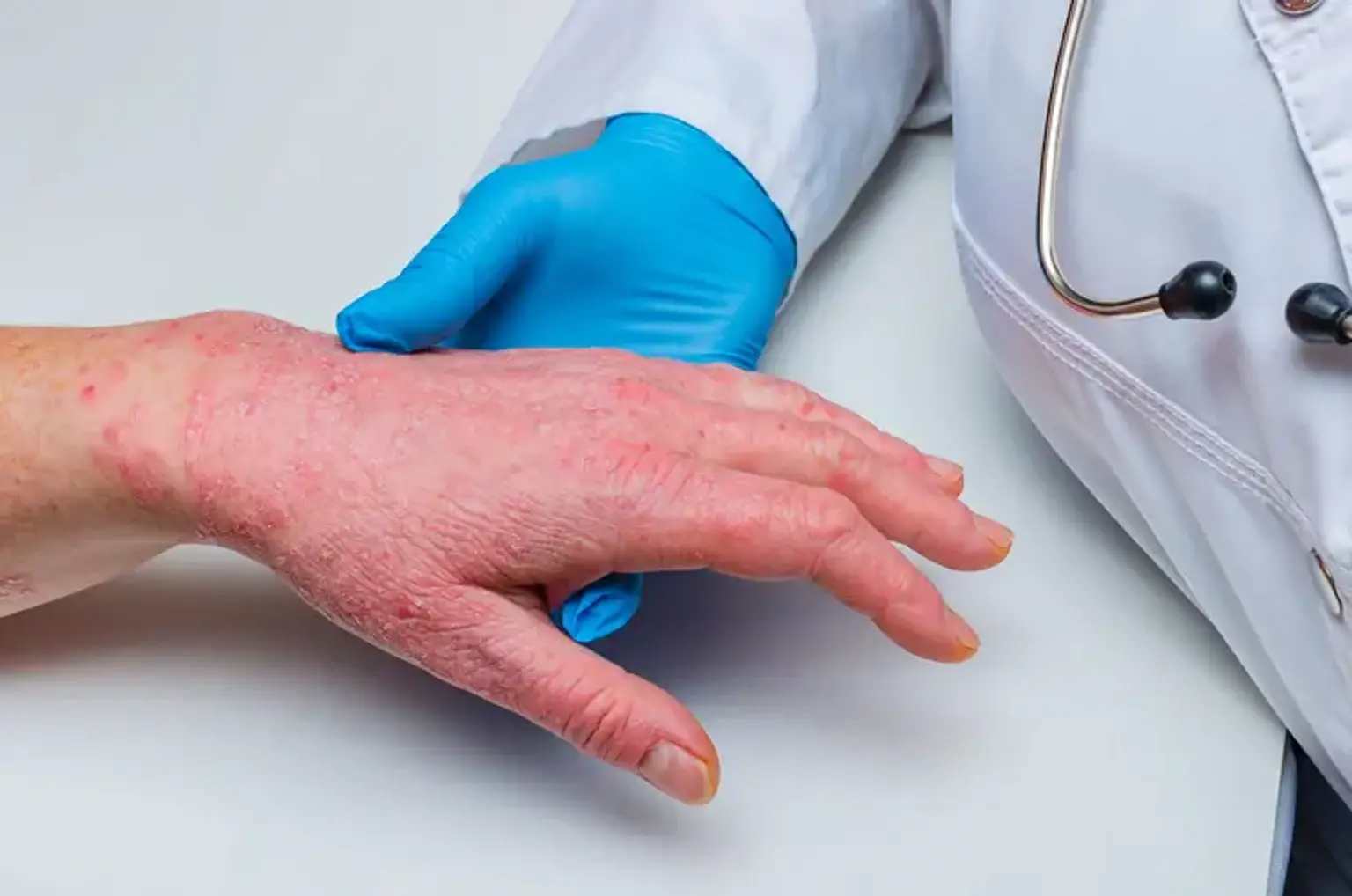
Effective treatment often involves a combination of medical intervention, lifestyle changes, and proper skincare routines. While some treatments provide immediate relief, others may require ongoing management to control symptoms over time. The key to successful dermatosis treatment is early diagnosis and tailored therapy based on the individual’s condition and needs.
What is Dermatosis?
Dermatosis is an umbrella term that encompasses a variety of skin conditions, including common issues like acne, eczema, and psoriasis, as well as rarer disorders. These conditions typically involve irritation, inflammation, or infection of the skin, and they can range from acute flare-ups to chronic skin problems that last for years.
Common types of dermatosis include:
Psoriasis: A chronic autoimmune condition that leads to the rapid growth of skin cells, forming thick, scaly patches.
Eczema: Often referred to as atopic dermatitis, eczema causes red, itchy patches of skin and is typically triggered by allergens or irritants.
Acne: A condition involving the clogging of hair follicles, leading to pimples, blackheads, and cysts, often exacerbated by hormonal changes.
While dermatosis itself is not life-threatening, it can significantly affect an individual’s self-esteem and overall well-being, making timely treatment crucial.
Causes of Dermatosis
Dermatosis can be caused by a variety of factors, some of which are genetic, environmental, or even related to lifestyle. Understanding these causes is essential in managing and preventing flare-ups effectively.
Genetic Factors: Certain forms of dermatosis, such as psoriasis and eczema, have a strong genetic component. People with a family history of these conditions are more likely to develop similar skin problems.
Immune System Involvement: Some skin conditions, like psoriasis and lupus, are autoimmune disorders where the body’s immune system mistakenly attacks healthy skin cells, leading to inflammation and rapid skin cell turnover.
Environmental and External Factors: Allergens, irritants (e.g., soaps, fragrances), environmental changes (like weather or temperature), and even stress can all trigger or exacerbate dermatosis flare-ups. UV radiation from the sun can also cause damage to sensitive skin, leading to conditions like sunburn or exacerbating existing skin issues.
Infections and Bacterial Imbalance: Bacterial infections, fungal overgrowth, and viruses can also contribute to certain forms of dermatosis. For example, ringworm, a fungal infection, can cause red, itchy patches on the skin.
By identifying and understanding these causes, individuals can make more informed choices about managing and preventing outbreaks of dermatosis.
Symptoms of Dermatosis
The symptoms of dermatosis vary greatly depending on the specific condition. However, there are a few common signs that can help identify a skin disorder early, allowing for prompt treatment.
Skin Rashes: Many forms of dermatosis begin with the appearance of a rash. Rashes can be red, inflamed, and often itchy. They may appear in specific areas or spread across larger regions of the skin.
Itching and Burning Sensation: One of the hallmark symptoms of dermatosis is persistent itching or burning. This can range from mild irritation to intense discomfort, particularly in conditions like eczema and psoriasis.
Lesions and Scaling: Conditions such as psoriasis often present with raised, scaly patches on the skin. These lesions may be dry, cracked, and may bleed if scratched excessively. In cases of eczema, the skin can become inflamed and cracked, leading to potential infection if untreated.
Swelling and Redness: Inflammation is common in most types of dermatosis. The skin may appear red, swollen, and tender to the touch, which can make daily activities difficult.
Pustules or Blisters: In some cases, dermatosis can cause the formation of pustules (small pus-filled blisters), such as those seen in acne, or clear fluid-filled blisters, as with contact dermatitis.
Recognizing these symptoms early on can help patients seek timely treatment and reduce the impact of dermatosis on their lives.
Diagnosis of Dermatosis
Diagnosing dermatosis typically starts with a visit to a dermatologist, who will conduct a thorough examination of the skin. The doctor may ask about symptoms, family history, lifestyle, and any potential triggers.
To confirm the diagnosis, the dermatologist might also perform skin tests, such as patch testing for allergies or a skin biopsy to rule out other conditions. Blood tests may also be needed if an autoimmune disorder is suspected, as in the case of psoriasis or lupus.
Accurate diagnosis is essential for determining the best course of treatment and preventing misdiagnosis. Early intervention can significantly improve outcomes and help manage symptoms more effectively.
Topical Treatments for Dermatosis
Topical treatments are the first line of defense for many types of dermatosis, especially when symptoms are mild to moderate. These treatments include creams, ointments, and lotions that are applied directly to the skin.
Corticosteroids are one of the most commonly prescribed topical treatments. These anti-inflammatory medications can reduce redness, swelling, and itching. However, they should be used sparingly to avoid skin thinning and other side effects, especially in sensitive areas.
Topical Calcineurin Inhibitors (e.g., tacrolimus) are another option, particularly for conditions like eczema. These medications help suppress the immune response, reducing inflammation without the side effects associated with steroids.
Moisturizers play a critical role in managing conditions like eczema and psoriasis, as they help to restore hydration to the skin and reduce dryness and irritation. Regular application of a high-quality moisturizer is essential in preventing flare-ups.
Oral Treatments for Dermatosis
In cases where topical treatments are not effective or dermatosis is severe, oral medications may be prescribed. These treatments can target the underlying causes of skin inflammation and help to manage chronic conditions.
Oral Corticosteroids, such as prednisone, may be used for short-term flare-ups of dermatosis. These powerful anti-inflammatory drugs work quickly but are not recommended for long-term use due to potential side effects, such as weight gain and weakened immune function.
Immunosuppressive Drugs (e.g., methotrexate, cyclosporine) may be prescribed for more severe or resistant cases, like severe psoriasis. These medications suppress the immune system to reduce inflammation, but they require close monitoring due to potential side effects.
Biologics are newer treatments that target specific parts of the immune system. These injectable medications are particularly effective for autoimmune-related dermatosis like psoriasis and are usually reserved for patients with moderate to severe cases who do not respond to other treatments.
Natural and Alternative Remedies for Dermatosis
In addition to conventional treatments, many people with dermatosis turn to natural remedies to alleviate symptoms. While these remedies may not replace medical treatments, they can provide additional relief.
Aloe Vera is widely used for its soothing and anti-inflammatory properties. It can help calm irritated skin and provide moisture to dry patches.
Coconut Oil is another popular remedy known for its moisturizing and antimicrobial properties. It can help keep the skin hydrated and prevent infections, particularly for conditions like eczema and psoriasis.
Tea Tree Oil has natural anti-inflammatory and antimicrobial effects, making it useful for conditions like acne. However, it should be used with caution, as it can be irritating to some individuals’ skin.
Oatmeal Baths are recommended for soothing itchy, inflamed skin, particularly in cases of eczema. Oatmeal helps to reduce irritation and create a barrier that locks in moisture.
While natural remedies can complement traditional treatments, it’s always important to discuss them with a healthcare provider to ensure they are safe and effective for your condition.
Light and Laser Therapies for Dermatosis
Light and laser therapies are increasingly popular for managing dermatosis, particularly in conditions like psoriasis and eczema. These treatments involve the use of ultraviolet (UV) light or targeted laser beams to reduce inflammation and control symptoms.
UV Phototherapy is often used for psoriasis and involves exposing the skin to controlled UV light. This can slow the growth of skin cells and ease inflammation. Multiple sessions are required, but it can offer long-term relief when used consistently.
Laser Therapy, such as excimer laser treatment, focuses intense light on affected areas of the skin. It’s effective for localized conditions like psoriasis and acne, offering precise treatment with minimal side effects.
Both therapies are usually done in a dermatologist’s office and are considered safe when used under medical supervision. However, overuse of UV light can increase the risk of skin damage, so it’s important to follow prescribed guidelines.
Immunotherapy for Chronic Dermatosis
Immunotherapy is an advanced treatment option for chronic dermatosis, particularly for conditions that do not respond to conventional therapies. It involves using medications that target the immune system to reduce inflammation and control symptoms.
Biologic Drugs are a popular choice in immunotherapy for conditions like psoriasis. These drugs are injected and specifically target proteins involved in the immune response, offering more targeted and effective treatment than oral medications.
Immunosuppressive drugs, such as methotrexate, work by suppressing the immune system to prevent it from attacking healthy skin cells. While effective, these drugs can have serious side effects, so close monitoring by a dermatologist is necessary.
Immunotherapy is typically reserved for more severe forms of dermatosis that haven’t responded well to other treatments. It offers hope for individuals with chronic, debilitating skin conditions, though it requires a comprehensive treatment plan to ensure safety.
Managing Skin Flare-ups and Relapses
Managing flare-ups is key to living well with dermatosis. Skin conditions can often cycle between periods of flare-ups and remission, and knowing how to manage these flare-ups can reduce discomfort and improve quality of life.
Avoiding Triggers: Identifying personal triggers—such as specific foods, allergens, stress, or environmental factors—is crucial. Keeping a symptom diary can help pinpoint causes and avoid them in the future.
Skincare Routine: Keeping the skin moisturized is essential for all types of dermatosis. Using gentle, fragrance-free products helps prevent irritation, and regular application of moisturizers can prevent dryness that leads to flare-ups.
Stress Management: For many people, stress is a significant trigger for flare-ups. Regular exercise, meditation, and relaxation techniques can help reduce stress levels, keeping symptoms in check.
When flare-ups occur, seeking early treatment can prevent symptoms from worsening. Immediate action, such as applying topical corticosteroids or visiting a dermatologist, can help control inflammation and speed up recovery.
Risks and Side Effects of Dermatosis Treatments
While treatments for dermatosis are generally safe and effective, they can come with potential risks and side effects. Being aware of these can help patients make informed decisions about their care.
Topical Corticosteroids can cause skin thinning if used for prolonged periods. It’s important to use them as prescribed and avoid overuse, especially on sensitive areas of the skin like the face.
Oral Medications, such as immunosuppressants and corticosteroids, can cause side effects like weight gain, increased susceptibility to infections, and changes in mood or energy levels. Long-term use may lead to more serious side effects, such as bone thinning or liver damage.
Biologic Treatments offer targeted relief for chronic dermatosis but may increase the risk of infections, especially during the early phases of treatment. Regular monitoring is required to ensure that the immune system remains balanced and healthy.
As with any medical treatment, the risks should always be weighed against the benefits. Working closely with a dermatologist ensures that the most appropriate and safest treatment options are chosen based on the individual’s specific needs.
Diet and Lifestyle Changes for Dermatosis
Diet and lifestyle changes can play a significant role in managing dermatosis, especially when certain foods or habits trigger flare-ups. Though diet alone cannot cure dermatosis, certain changes may reduce inflammation and improve skin health.
Anti-inflammatory Foods: A diet rich in omega-3 fatty acids (found in fish like salmon and flaxseeds) and antioxidants (found in fruits and vegetables) can help reduce inflammation. Foods like nuts, leafy greens, and berries may also promote healthier skin.
Avoiding Trigger Foods: Some people find that dairy, gluten, or spicy foods can exacerbate conditions like eczema or psoriasis. Keeping a food journal can help identify personal triggers and eliminate them from the diet.
Hydration: Drinking plenty of water is essential for keeping the skin hydrated, especially for those with conditions like eczema or psoriasis. Hydrated skin is less prone to cracking, dryness, and inflammation.
In addition to dietary changes, maintaining a healthy lifestyle that includes regular exercise, adequate sleep, and stress management can help balance the immune system and improve skin health.
Psychological Impact of Dermatosis
Living with dermatosis can be challenging, not just physically but also emotionally. The visible nature of many skin conditions can lead to embarrassment, social withdrawal, and a decrease in self-esteem, especially in severe cases like psoriasis or eczema.
Social and Emotional Effects: People with dermatosis may feel self-conscious about their appearance, especially when flare-ups affect visible areas like the face, hands, or neck. This can lead to anxiety, depression, and social isolation.
Support and Coping: Seeking emotional support is an essential part of managing dermatosis. Speaking with a counselor, joining support groups, or connecting with others who have similar conditions can help individuals cope with the psychological challenges.
Mind-Body Connection: Stress is known to trigger or worsen dermatosis flare-ups. By focusing on stress-reducing practices, like yoga, mindfulness, or meditation, individuals can improve both their mental and physical well-being.
Acknowledging the emotional impact of dermatosis and taking steps to address it is crucial for overall health and recovery.
Long-term Management and Prevention
Dermatosis, especially chronic conditions like psoriasis or eczema, requires long-term management. While there may not be a permanent cure, ongoing care can help prevent flare-ups, reduce severity, and improve the quality of life.
Regular Monitoring: Routine visits to a dermatologist allow for ongoing management of the condition. Adjusting treatments based on symptom progression or flare-up frequency ensures that care remains effective.
Consistent Skincare: Regular use of prescribed topical treatments and moisturizers is key to managing symptoms. It’s important to follow a consistent skincare routine to keep the skin hydrated and avoid irritation.
Proactive Measures: Identifying and avoiding environmental triggers, such as harsh weather, allergens, or irritating chemicals, can help prevent flare-ups. Wearing protective clothing or using barrier creams may also be useful in some cases.
While dermatosis may not be completely curable, proactive and consistent management can help individuals lead a normal life with minimal disruptions.
Cost of Dermatosis Treatment
The cost of treating dermatosis can vary greatly depending on the severity of the condition, treatment options, and healthcare coverage. For individuals with chronic conditions like psoriasis or eczema, the costs can add up over time.
Medication Costs: Prescription medications, including topical treatments, oral medications, and biologics, can be expensive. While some treatments are covered by insurance, others, particularly newer biologic therapies, may come with high out-of-pocket expenses.
Over-the-Counter Products: Many people with mild dermatosis rely on over-the-counter creams, moisturizers, and anti-inflammatory products, which can be more affordable but may not offer the same level of effectiveness as prescription treatments.
Lifestyle and Preventative Costs: Lifestyle changes, such as purchasing hypoallergenic skincare products or adjusting one’s diet, may also contribute to costs. However, these changes can ultimately save money by preventing expensive flare-ups and hospital visits.
It’s important to discuss treatment options with a healthcare provider and explore insurance options to help manage treatment costs. Some drug manufacturers also offer financial assistance programs to help make treatments more affordable.
Advances in Dermatosis Treatment
Recent advances in dermatosis treatment have significantly improved outcomes, particularly for chronic conditions like psoriasis and eczema. New therapies, both topical and systemic, are more effective and have fewer side effects than older treatments.
Biologic Therapies are a breakthrough in treating moderate to severe dermatosis. These drugs target specific parts of the immune system, offering a more targeted approach to treatment. They are especially beneficial for conditions like psoriasis and atopic dermatitis.
Topical JAK Inhibitors represent another exciting advancement. These topical medications help treat eczema by inhibiting enzymes that contribute to inflammation and skin irritation, offering a promising alternative to corticosteroids.
Innovations in dermatology continue to enhance treatment efficacy and provide new hope for those with chronic or hard-to-treat skin conditions.
When to Seek Professional Help
While mild cases of dermatosis can often be managed with over-the-counter treatments, it’s important to seek professional help if symptoms worsen or persist.
Persistent Symptoms: If your condition doesn’t improve after a few weeks of home treatment, or if symptoms become more severe, it’s time to consult a dermatologist. Flare-ups that affect large areas of the body or worsen over time may require prescription medication.
Infections or Complications: If you notice signs of infection (e.g., increased redness, warmth, or pus) or complications like scarring, professional care is essential. A dermatologist can prescribe antibiotics or other treatments to address these issues.
New or Unusual Symptoms: If you experience new or unusual symptoms, such as sudden swelling or blistering, it’s critical to consult a professional. A timely diagnosis can prevent more severe complications and ensure the most appropriate treatment.
The Role of Patient Education
Patient education is a cornerstone of effective dermatosis treatment. Understanding your condition, treatment options, and lifestyle modifications can empower you to take control of your health.
Understanding Your Condition: Knowing the type of dermatosis you have, what triggers it, and how it behaves is vital for effective management. Dermatologists often provide valuable resources to help you understand your condition better.
Treatment Adherence: Sticking to your treatment plan is crucial. A patient who understands how and why a treatment works is more likely to follow through with it, leading to better long-term outcomes.
Self-Care Education: Learning how to properly care for your skin, including moisturizing regularly and avoiding irritants, is just as important as using prescribed treatments. Educated patients can make informed decisions and take proactive steps to manage their condition.
Future Outlook for Dermatosis Treatment
The future of dermatosis treatment looks promising, with continued advancements in research and therapies. New treatments, such as gene therapy and personalized medicine, are in the works, offering hope for more targeted and effective care.
Personalized Treatments: With the rise of precision medicine, treatments may soon be tailored to an individual’s genetic makeup, providing a more effective and customized approach.
Gene Therapy: For certain genetic forms of dermatosis, gene therapy might become a potential solution in the future. This treatment could correct genetic defects that cause skin conditions, offering a long-term cure.
Improved Biologics: Biologic treatments are continuously evolving, with newer drugs targeting specific molecules involved in inflammation. These therapies are expected to become more accessible and affordable in the coming years.
Overall, the future of dermatosis treatment promises more effective, individualized, and long-lasting solutions for patients, improving both the quality of life and long-term outcomes.
Conclusion
Dermatosis treatment has come a long way, offering a wide range of options tailored to the individual needs of patients. From topical treatments to advanced therapies like biologics and immunotherapy, there is hope for managing and even controlling chronic skin conditions. While the path to finding the right treatment can be challenging, advances in dermatology, combined with personalized care plans, have made it easier for individuals to lead fulfilling lives despite their conditions.
Effective management requires a comprehensive approach, which includes not just medical treatment but also lifestyle changes, stress management, and a strong support system. Education is key, as understanding one’s condition and treatment options empowers patients to take control of their health and make informed decisions.
The future of dermatosis treatment is brighter than ever, with emerging therapies like gene therapy and personalized medicine offering the possibility of more effective, long-lasting solutions. With ongoing research and innovation, there is optimism that those suffering from dermatosis will continue to see improved quality of life and better outcomes in the years to come.