Understanding Ear Infections
An ear infection occurs when bacteria, viruses, or fungi infect the middle ear (otitis media) or the outer ear canal (otitis externa). These infections cause symptoms like pain, fluid build-up, and, in some cases, hearing loss. Otitis media is often associated with colds or respiratory infections, while otitis externa, also called swimmer’s ear, is typically caused by moisture or bacteria entering the ear canal.
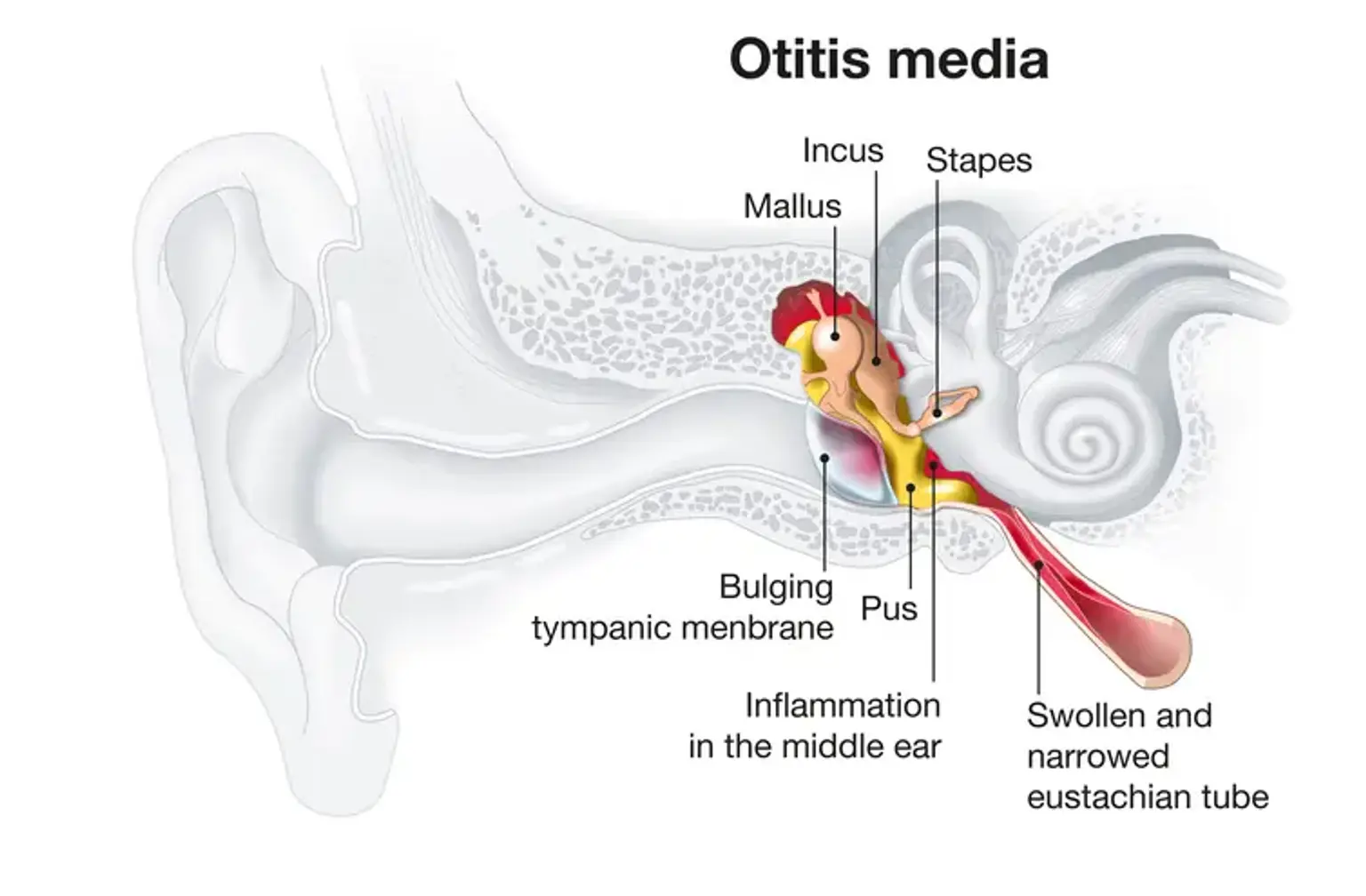
Ear infections are common in both children and adults. If untreated, they can lead to chronic discomfort and even hearing loss. Early diagnosis and proper ear infection care are essential to prevent complications.
Effective Antibiotics for Ear Infections
When an ear infection is caused by bacteria, antibiotics are typically prescribed to eliminate the infection and prevent complications. Common antibiotics for bacterial ear infections include:
Amoxicillin: A first-line antibiotic for most bacterial ear infections. It’s effective against many types of bacteria that cause otitis media.
Cefuroxime: Often used when the infection is resistant to amoxicillin or in patients with certain allergies.
Azithromycin: An alternative for individuals allergic to penicillin. It’s also used in cases where bacterial resistance to other antibiotics is suspected.
It’s important to complete the entire course of antibiotics as prescribed, even if symptoms improve before the treatment is finished. Incomplete treatment can lead to the infection returning or the development of antibiotic-resistant bacteria.
Pain Relief for Ear Infections
Managing pain is a key part of ear infection care. In addition to antibiotics, pain relief is important to help the patient feel more comfortable while the infection heals.
Over-the-Counter Pain Relievers: Medications like acetaminophen (Tylenol) and ibuprofen (Advil) can reduce pain and inflammation. These are generally recommended for managing mild to moderate ear pain.
Warm Compress: Applying a warm compress to the affected ear can help reduce pain and swelling. A warm, moist towel or heating pad can provide relief.
Ear Drops: Over-the-counter ear drops with analgesic properties can help numb the ear and reduce discomfort. However, these should not be used if there is drainage from the ear, as they may cause further irritation.
Elevation: Lying with the head elevated may help alleviate some of the pressure in the ear caused by the infection, providing some relief.
What Causes Ear Infections?
Ear infections are caused by bacteria, viruses, or fungi, which invade the ear and cause inflammation. The two main types are:
Otitis Media (Middle Ear Infection): Often caused by viral or bacterial infections that affect the middle ear. Fluid builds up behind the eardrum, causing pain, swelling, and pressure.
Otitis Externa (Swimmer's Ear): Caused by bacterial infections in the outer ear canal, usually from water exposure, ear trauma, or poor hygiene.
Risk factors include a weakened immune system, frequent exposure to upper respiratory infections, and allergies. Children are more prone to ear infections due to their narrower ear canals and developing immune systems.
Ear Infection Treatment for Children
Ear infections are especially common in children, who often have smaller and more vulnerable ear canals. The treatment for ear infections in children typically involves:
Antibiotics: If the infection is bacterial, doctors will prescribe antibiotics like amoxicillin. However, if the infection is viral, antibiotics are not necessary, and symptom management is the focus.
Pain Management: For children, pain relief is often achieved through acetaminophen or ibuprofen, as well as warm compresses to the ear.
Ear Drops: Special pediatric ear drops can be used to relieve pain in the outer ear canal. Parents should be careful to follow dosage instructions and avoid using drops if there is any drainage from the ear.
Watchful Waiting: In some cases, particularly with viral infections, doctors may suggest a watch-and-wait approach. This allows time for the body to heal on its own, especially in children over the age of 2, where antibiotics may not be necessary for mild infections.
Diagnosing Ear Infections
To properly diagnose an ear infection, healthcare providers use a combination of physical exams and diagnostic tests:
Physical Exam: A doctor will inspect the ear using an otoscope to check for signs of infection, such as redness, swelling, or fluid in the ear.
Tympanometry: This test measures the movement of the eardrum to determine if fluid is present behind it, which is common in otitis media.
Throat Swabs or Blood Tests: If a bacterial infection is suspected, a throat culture or blood test may be done to identify the cause.
By diagnosing the type of infection, doctors can recommend the most appropriate ear infection treatment (e.g., antibiotics for bacterial infections or pain management for viral infections).
Managing Chronic Ear Infections
Chronic ear infections are recurring or persistent infections that affect the ear, leading to long-term pain and discomfort. Treatment for chronic infections often involves:
Long-Term Antibiotic Use: For persistent bacterial infections, doctors may recommend a prolonged course of antibiotics to reduce inflammation and prevent reinfection.
Ear Tubes: Myringotomy (ear tubes) may be inserted into the eardrum to allow fluid to drain, preventing further infections, especially in children.
Hearing Aids: In cases where chronic infections lead to hearing loss, hearing aids can help improve auditory function.
Managing chronic ear infections requires close monitoring and appropriate treatment, often combining medical interventions with preventive strategies to reduce recurrence.
Surgical Solutions for Ear Infections
In severe or recurrent cases, surgical treatments may be necessary to treat chronic ear infections and their complications. Common surgical procedures include:
Myringotomy: A procedure where a small incision is made in the eardrum to drain fluid and relieve pressure. This may be followed by the insertion of ear tubes to prevent future infections.
Tonsillectomy: In children, tonsillectomy may be considered for chronic ear infections related to enlarged tonsils. Removing the tonsils can reduce the frequency of infections and improve ear health.
Mastoidectomy: A surgery to remove infected bone tissue behind the ear if the infection spreads to the mastoid bone, a severe complication of untreated ear infections.
These surgeries are typically reserved for cases where other treatments have not been effective, and they can provide long-term relief from chronic ear infections.
Preventing Ear Infections Naturally
Preventing ear infections involves several lifestyle habits and environmental adjustments. Here are some tips to reduce the risk of developing ear infections:
Ear Hygiene: Gently clean the outer ear with a washcloth and avoid inserting objects into the ear canal to reduce the risk of infection.
Nasal Care: Keep the nasal passages clear by using a humidifier to maintain moisture and saline nasal sprays to prevent congestion that can lead to otitis media.
Avoid Secondhand Smoke: Exposure to tobacco smoke can increase the risk of ear infections, especially in children. Keeping the environment smoke-free is crucial for ear health.
Boosting Immunity: A healthy diet, regular exercise, and adequate sleep can help strengthen the immune system, reducing the likelihood of infections.
By adopting these preventive measures, individuals can lower their risk of ear infections, particularly recurrent ones.
Recognizing Ear Infection Symptoms
The symptoms of an ear infection can vary depending on the type and severity of the infection:
Ear Pain: A constant or sharp pain inside the ear is the most common symptom.
Difficulty Hearing: Fluid in the ear can interfere with hearing.
Drainage: Pus or fluid may drain from the ear, indicating an infection.
Fever: Often accompanies bacterial ear infections.
Irritability in Children: Babies and young children may tug at their ears, cry, or have difficulty sleeping.
Otitis externa typically causes itching, swelling, and discomfort in the outer ear canal, while otitis media leads to deeper ear pain and potential hearing issues.
Treatment for Ear Infection with Hearing Restoration
For individuals who have experienced hearing loss as a result of chronic ear infections, restoring hearing function is an important aspect of treatment. Depending on the severity of the hearing loss, several treatment options are available:
Hearing Aids: For mild to moderate hearing loss caused by fluid or tissue damage in the ear, hearing aids can help amplify sound and improve hearing. These devices are custom-fitted to the ear and offer a non-invasive solution to enhance auditory function.
Cochlear Implants: For those with severe hearing loss due to prolonged ear infections, cochlear implants can be an effective option. A cochlear implant bypasses damaged portions of the ear and directly stimulates the auditory nerve, offering the potential for restored hearing.
Middle Ear Surgery: In cases of perforated eardrums or damage to the ossicles (small bones in the ear), surgical procedures like myringoplasty (eardrum repair) or ossiculoplasty (repair of the middle ear bones) can restore hearing by repairing or replacing the damaged parts of the ear.
These treatments can help patients recover their hearing, especially after a long history of untreated ear infections.
Non-Surgical Ear Infection Solutions in Korea
Korea is a leader in non-surgical treatments for ear infections, offering patients a range of options that are less invasive yet highly effective. These treatments include:
Ear Drops and Medications: Korean clinics often prescribe ear drops containing anti-inflammatory agents or antibiotics to manage pain and clear infections. These drops are often recommended for otitis externa (swimmer's ear) or mild otitis media.
Laser Therapy: Some hospitals in Korea use laser therapy to treat ear infections. This treatment can reduce inflammation and pain, speeding up the healing process, especially in cases of chronic or recurrent infections.
Hydrocolloid Bandages: For external ear infections, these bandages help to protect the ear from further moisture exposure while promoting faster healing.
Innovative Regenerative Treatments: Korea is also exploring the use of platelet-rich plasma (PRP) therapy and stem cell therapy to accelerate healing and reduce inflammation in the ear tissues, potentially offering long-term solutions for chronic ear infection sufferers.
These non-surgical treatments in Korea offer an effective and less invasive alternative to surgery and can help manage ear infections while minimizing risks.
Non-Invasive Treatments for Ear Infections
In addition to medications and surgery, there are several non-invasive treatments that can help manage ear infections:
Nasal Decongestants: If the ear infection is linked to a cold or sinus congestion, using nasal decongestants can help clear blocked sinuses and improve airflow, which can relieve pressure in the ears.
Hydration: Drinking plenty of fluids helps thin mucus and supports the immune system in fighting the infection.
Steam Inhalation: Breathing in steam from a hot shower or a bowl of hot water can help clear the nasal passages, reducing the congestion that often leads to otitis media.
Home Remedies: For otitis externa (swimmer's ear), vinegar and alcohol ear drops can be effective in restoring the natural balance of the ear canal, preventing infection and clearing out moisture.
These non-invasive treatments can complement standard medical care, helping to alleviate discomfort and support recovery. However, if symptoms persist or worsen, it’s important to seek professional medical treatment.
Top Ear Infection Care Clinics in Korea
For patients seeking the best ear infection care, Korea is home to some of the world’s top medical facilities. Renowned hospitals and clinics provide comprehensive care, from diagnosis to post-treatment recovery, ensuring the best possible outcomes for ear infection patients.
Severance Hospital: Known for its cutting-edge diagnostic equipment and experienced specialists, Severance Hospital offers comprehensive treatment for all types of ear infections, including surgery and non-invasive therapies.
Asan Medical Center: As one of Korea's largest hospitals, Asan Medical Center specializes in the treatment of chronic ear infections, hearing restoration, and the latest ear infection treatments available worldwide.
Samsung Medical Center: This facility offers advanced ear care, including otology and neurotology services, specializing in ear infections and hearing restoration treatments.
Korean medical facilities are internationally recognized for providing high-quality care at affordable prices, making them an attractive option for patients seeking treatment for ear infections.
How to Access Ear Infection Care in Korea
Accessing ear infection care in Korea is straightforward, especially with the country’s well-established medical tourism infrastructure. Here’s how you can get started:
Consultation and Diagnosis: Many hospitals in Korea offer both online consultations and in-person visits. During the initial consultation, doctors will assess the severity of the ear infection and recommend the most effective treatment plan.
Treatment Options: Based on the diagnosis, treatments like antibiotics, ear drops, or surgical procedures like myringotomy or tonsillectomy may be recommended. Patients can opt for non-invasive treatments or pursue hearing restoration options, depending on the severity of the infection and its impact on hearing.
Medical Tourism Packages: Many hospitals in Korea offer medical tourism packages that include the cost of treatment, accommodation, and transportation, making it easier for international patients to access high-quality care.
Follow-up Care: After treatment, regular follow-up visits ensure that the infection has cleared and there are no ongoing complications. Korea’s healthcare system provides excellent post-treatment care, focusing on quick recovery and preventing recurrence.
With its advanced medical technology and skilled specialists, Korea offers a comprehensive and cost-effective option for ear infection care and hearing restoration.
Swimmer’s Ear Prevention Tips
Swimmer’s ear (otitis externa) is a common ear infection caused by water exposure, often occurring after swimming. To prevent this condition:
Dry Ears Thoroughly: After swimming or bathing, dry the ears thoroughly using a towel or a hairdryer on a low, cool setting.
Use Earplugs: Wearing earplugs while swimming can help prevent water from entering the ear canal, reducing the risk of infection.
Vinegar and Alcohol Drops: Using a mixture of equal parts vinegar and alcohol in the ears after swimming can help dry out moisture and restore the natural balance in the ear canal.
Avoid Inserting Objects into the Ear: Avoid using cotton swabs or other objects that can damage the ear canal or push debris deeper into the ear.
Following these preventive measures can significantly reduce the risk of swimmer's ear, helping to maintain ear health and comfort during water activities.
Conclusion
Ear infection care is crucial not only for relieving discomfort but also for preventing long-term complications such as hearing loss. Whether you’re dealing with a common otitis externa, the more severe otitis media, or chronic ear infections, there are effective treatments available to help restore ear health and hearing function.
From simple home remedies and antibiotic treatments to advanced therapies and surgical options, there is a wide array of solutions depending on the type and severity of the infection. The role of early diagnosis and treatment cannot be overstated, especially for children, where timely intervention can prevent long-term damage.
Korea stands out as a top destination for ear infection treatment, offering world-class medical care at affordable prices. With its cutting-edge technology and a wide range of treatment options, patients can access non-surgical treatments, hearing restoration options, and effective post-treatment care.
By understanding the symptoms, seeking early treatment, and considering preventive measures, you can protect your hearing and reduce the risk of recurrent infections. Whether you’re looking for non-invasive care, advanced regenerative treatments, or surgical solutions, it's important to consult a medical professional to determine the best course of action for your ear health.