Introduction
Ear reshaping surgery, also known as otoplasty, is a cosmetic procedure designed to correct prominent, asymmetrical, or misshapen ears. Whether caused by genetics, injury, or birth defects, many people seek otoplasty to improve the appearance and balance of their ears in relation to their face. The surgery is increasingly popular worldwide, with individuals of all ages opting for this life-enhancing procedure.
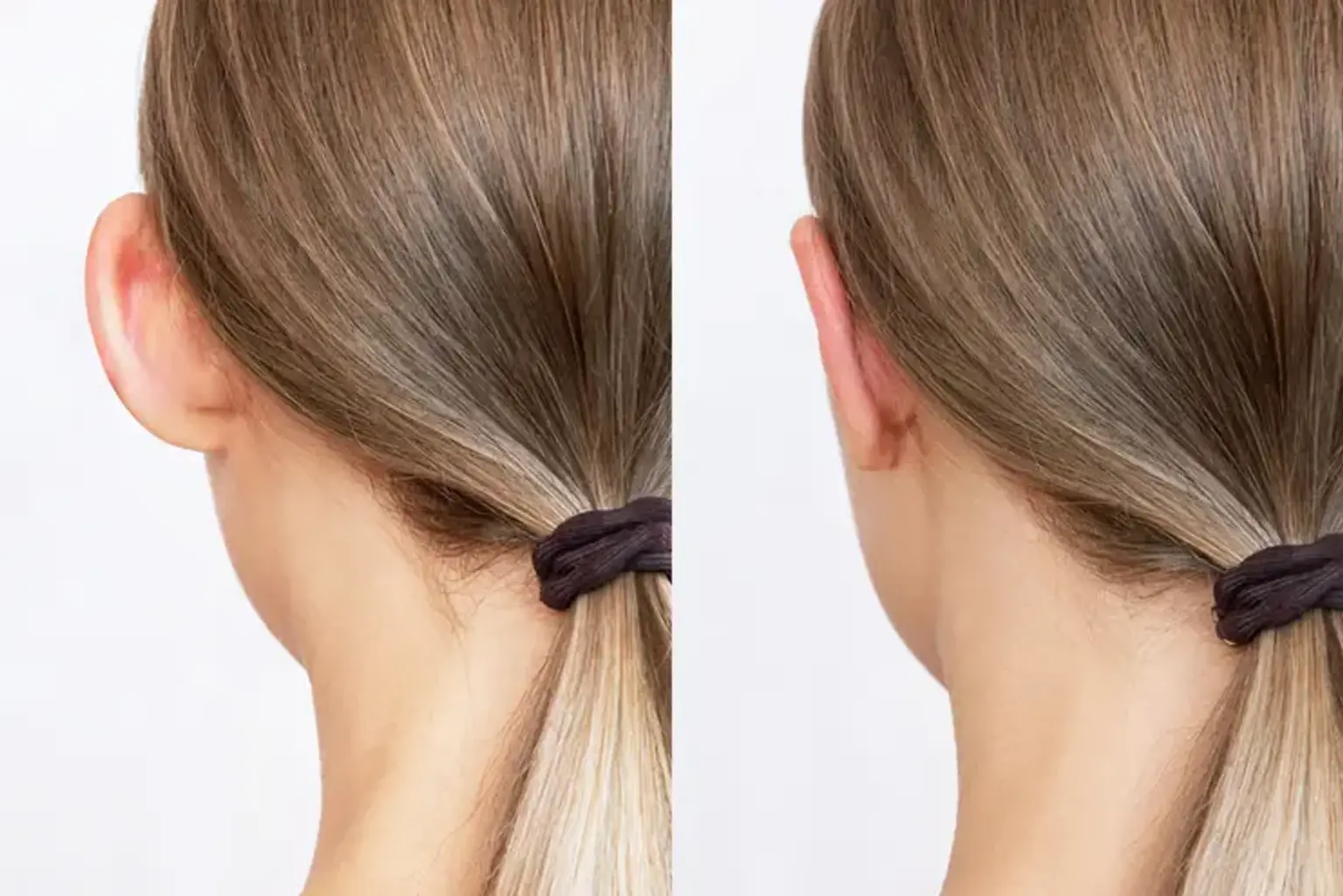
The decision to undergo otoplasty often stems from a desire to boost self-esteem. For some, protruding or uneven ears can be a source of insecurity or bullying, particularly for children. The surgery offers not just aesthetic improvement but also a way to foster confidence. With high success rates and relatively low risks, otoplasty continues to gain traction across the globe, with patients seeking qualified surgeons in both medical centers and cosmetic surgery clinics.
What is Otoplasty?
Otoplasty is a cosmetic surgery procedure that aims to reshape the ears for a more natural and proportional appearance. It’s designed to address various issues, including protruding ears (ears that stick out too far), oversized ears, or ears that are uneven. Whether congenital or acquired, these conditions often lead to aesthetic concerns, which otoplasty effectively addresses.
The surgery works by reshaping the cartilage of the ear, usually through small incisions behind the ear. In some cases, excess cartilage is removed, while in others, the remaining cartilage is folded to create a more harmonious contour. Otoplasty can be tailored to suit the needs of each patient, making it a versatile and customizable procedure.
Otoplasty is also not only cosmetic; for those with functional concerns—such as hearing issues or damage from trauma—ear correction surgery can sometimes play a role in restoring both form and function.
How Otoplasty Works
The otoplasty procedure typically begins with a consultation, where the surgeon evaluates the patient's ears, discussing the desired outcome and setting realistic expectations. The surgery itself is relatively quick, often taking between 1 to 2 hours, depending on the complexity of the correction.
During the surgery, the patient is usually given local anesthesia to numb the area, though general anesthesia may be used for children or anxious patients. The surgeon makes a small incision behind the ear, hidden in the natural folds, to minimize scarring. Through this incision, the cartilage is either reshaped or reduced to achieve the desired look. Sometimes, internal sutures are used to hold the cartilage in its new position.
The procedure is generally safe, and patients can often go home the same day. Afterward, a bandage is applied to protect the ears as they begin to heal. The overall aim of otoplasty is to achieve ears that look more proportional to the face and are in harmony with the patient's overall appearance.
Ideal Candidates for Otoplasty
Otoplasty is suitable for both children and adults, but the ideal candidate typically depends on a variety of factors such as age, health, and the extent of the issue.
For children, otoplasty is often performed between the ages of 4 and 14, when the ears have reached their full size but the cartilage is still flexible. Early intervention can prevent the child from experiencing self-esteem issues due to visible ear deformities. It is also easier to correct deformities before they lead to negative psychological effects, such as teasing or bullying.
Adults can also benefit from otoplasty, especially if they’ve lived with ear concerns for years and have developed a desire to correct them. There’s no upper age limit for otoplasty, but overall health is a key factor. Individuals considering the surgery should be in good health, with no underlying conditions that could complicate recovery, such as uncontrolled diabetes or chronic ear infections.
In both children and adults, the patient’s ears should be fully developed before surgery. The surgeon will also assess the condition of the ear cartilage to determine if it is suitable for reshaping.
Benefits of Otoplasty
Otoplasty offers a wide range of benefits, both physical and psychological. For many people, the most significant advantage is the improvement in appearance. By reshaping or repositioning the ears, otoplasty helps create a more balanced and natural look that can boost self-esteem. For children, the surgery can prevent bullying or teasing related to prominent ears, promoting healthier social development. Adults often experience a renewed sense of confidence after the procedure, feeling more comfortable in public and with their appearance. Additionally, by correcting congenital ear deformities, otoplasty can improve the overall function of the ear in some cases.
Preparing for Ear Reshaping Surgery
Before undergoing otoplasty, it’s crucial to schedule a consultation with a board-certified surgeon to assess your suitability for the procedure. During the consultation, the surgeon will review your medical history, discuss your aesthetic goals, and examine your ears. You may be asked to undergo tests to ensure you are in good health and free from any conditions that could affect healing. It’s also essential to avoid smoking, certain medications, or supplements that could interfere with anesthesia or healing. Your surgeon will provide specific guidelines, such as fasting before surgery, to ensure the procedure goes smoothly.
The Otoplasty Procedure: Step-by-Step
The otoplasty procedure typically takes between 1 to 2 hours, depending on the complexity of the case. It is usually performed under local anesthesia, though general anesthesia may be used for children or if the surgery is more involved. The surgeon begins by making small incisions behind the ears, where scars will be less visible. The cartilage is then carefully reshaped or repositioned, and excess skin may be removed. In some cases, sutures are used to hold the ears in place. After the procedure, the ears are typically bandaged to support their new shape and prevent movement during the initial healing phase.
Otoplasty for Children
Otoplasty is frequently performed on children, especially if they have noticeably prominent ears or other ear abnormalities. The best time to perform the surgery on children is usually between 4 and 6 years old, when the ear cartilage has developed enough to hold the new shape but before the child is self-conscious about their appearance. Correcting ear deformities early can have a significant positive impact on a child's self-esteem and help prevent bullying or teasing as they grow older. The procedure for children is similar to adults, but they may require more careful post-surgical care to ensure a smooth recovery.
Otoplasty for Adults
While otoplasty is often performed on children, an increasing number of adults are also seeking the procedure to correct concerns about their ear appearance. For adults, the surgery can address issues such as protruding ears, asymmetry, or previous trauma to the ears. The procedure is quite similar to that for children, but adults may require a longer recovery period due to the more rigid ear cartilage and possibly slower healing times. The results of otoplasty in adults can be life-changing, restoring confidence and enhancing one’s overall facial harmony. Many adults choose otoplasty after years of self-consciousness about their ears, and the procedure provides a lasting solution that improves both aesthetics and self-esteem.
Non-Surgical Ear Reshaping Alternatives
For those hesitant about undergoing surgery, non-surgical ear reshaping offers an alternative. These methods typically involve temporary solutions, such as ear molding devices, to reposition the ears without the need for incisions. While non-surgical options can be effective for mild cases, they do not provide the permanent results that surgery can offer. Non-surgical ear reshaping is often more appropriate for younger children or adults who seek a less invasive approach. However, it's important to manage expectations, as non-surgical methods may not be as effective for severe deformities or prominent ears. Consultation with a specialist can help determine if non-surgical options are a viable solution.
Risks and Complications of Otoplasty
As with any surgery, otoplasty carries some risks and potential complications. These may include infection, scarring, asymmetry, or the possibility that the ears may not maintain their new shape over time. In rare cases, the ears may shift back to their original position, requiring additional procedures. Other potential issues include blood clots, numbness, or the formation of excess scar tissue. However, by choosing a qualified, experienced surgeon and following post-operative care instructions carefully, most patients experience minimal complications. Surgeons take extensive measures to reduce risks, such as using sterile techniques and providing clear guidance on post-surgery care to minimize the chance of issues arising.
Otoplasty Recovery Process
The recovery process for otoplasty is relatively straightforward, although it does require some patience. After surgery, patients will typically wear a bandage or headband to keep the ears in place and protect them from trauma. Swelling, bruising, and mild discomfort are common during the first few days after surgery. Pain can usually be managed with over-the-counter medications or prescribed pain relievers. Most patients can return to normal activities within 1-2 weeks, though it's important to avoid strenuous activities that could cause injury to the healing ears. Full recovery, including the final results, may take several months, and follow-up visits with the surgeon are essential to ensure that the ears are healing correctly.
Otoplasty Before and After Results
The results of otoplasty are often immediately visible, with noticeable improvements in the positioning and appearance of the ears. Before the surgery, many patients may feel self-conscious or frustrated by the prominence or shape of their ears. After the procedure, they typically report feeling much more confident and at ease with their appearance. Before-and-after photos are often shared by surgeons to illustrate the effectiveness of otoplasty. While the results are typically long-lasting, it’s important for patients to have realistic expectations. Though the ear position will be permanently improved, the healing process can take several months for the full aesthetic results to manifest.
Otoplasty Costs
The cost of otoplasty can vary depending on several factors, including the surgeon’s experience, the location of the surgery, and whether it is performed on an adult or a child. On average, the cost of otoplasty ranges from $3,000 to $5,000, but it can go higher if additional procedures or corrections are needed. This price typically includes the surgeon’s fees, anesthesia, and follow-up consultations. It's essential to discuss costs upfront during the consultation and inquire about any additional fees. Many clinics offer financing options to make the procedure more affordable. It’s also important to check whether your insurance covers any part of the procedure, particularly if it is deemed medically necessary (e.g., after trauma or injury).
Finding a Qualified Surgeon for Otoplasty
Choosing the right surgeon for otoplasty is crucial to achieving the best results. It is important to find a board-certified plastic or cosmetic surgeon who specializes in ear reshaping. Look for a surgeon with extensive experience performing otoplasty procedures and check patient reviews and before-and-after photos. During your consultation, ask about the surgeon’s approach to the procedure, including the techniques they use and their experience with similar cases. A qualified surgeon will provide a thorough evaluation, discuss your goals, and explain the potential risks and benefits. Trusting your surgeon is essential, as this helps ensure you receive safe, high-quality care throughout the entire process.
Pain Management During and After Otoplasty
Pain management is an important aspect of the otoplasty recovery process. While the procedure is generally well-tolerated, some discomfort is to be expected during the initial recovery phase. Most patients report mild pain or a sensation of tightness in the ears for a few days after surgery. Pain is typically managed with over-the-counter pain relievers or, in some cases, prescribed medications. A bandage or headband is worn to help minimize swelling and discomfort, and it also protects the ears from accidental bumps or pressure. It's important to follow your surgeon’s recommendations carefully to avoid complications, and most patients find that the discomfort decreases significantly after the first week.
Otoplasty Success Rate and Long-Term Effects
Otoplasty is a highly successful procedure, with most patients reporting satisfaction with their results. The success rate of otoplasty is typically above 90%, with minimal risk of complications when performed by a skilled, experienced surgeon. Once the ears have healed, the results are generally permanent. The reshaped ears maintain their new position for a lifetime, and the majority of patients do not require further surgery. However, in rare cases, some patients may experience changes in the ear shape over time, often due to factors like aging or trauma. The long-term effects of otoplasty include improved self-confidence and a more balanced appearance, contributing to better psychological well-being.
Cultural and Psychological Impacts of Otoplasty
Culturally, the appearance of ears can significantly influence how a person feels about themselves, particularly in societies where physical appearance plays a central role in self-esteem. Otoplasty can be life-changing, particularly for children who have been teased or bullied due to prominent ears. It not only enhances a person’s appearance but also boosts psychological well-being by reducing the emotional distress associated with being self-conscious about one’s ears. For many adults, otoplasty can improve social interactions, leading to greater self-assurance in professional and personal settings. Ultimately, otoplasty helps individuals feel more comfortable with their appearance, contributing to improved mental health and a positive self-image.
FAQs About Otoplasty
How long does the otoplasty procedure take?
The surgery typically lasts 1 to 2 hours, depending on the complexity of the case.
Is otoplasty painful?
Most patients experience mild discomfort during the recovery period, but pain can be managed with medication. Pain usually subsides within a few days.
Can I return to work or school after otoplasty?
Most patients can return to normal activities after 1 to 2 weeks. However, strenuous activities should be avoided for at least 4 to 6 weeks.
Will the results of otoplasty look natural?
Yes, when performed by a skilled surgeon, otoplasty can achieve natural-looking results that complement the overall facial appearance.
Can otoplasty correct both ears at the same time?
Yes, otoplasty is typically performed on both ears simultaneously to ensure symmetry.
What is the best age for ear reshaping surgery?
Children typically undergo otoplasty around ages 4 to 6, but adults of any age can also benefit from the procedure.
Conclusion
Otoplasty can be a transformative procedure for individuals who are self-conscious about the appearance of their ears. Whether performed on children or adults, the procedure offers significant aesthetic and psychological benefits, boosting confidence and improving one’s overall appearance. If you are considering otoplasty, it's essential to consult with a qualified surgeon who can assess your specific needs, explain the potential risks, and provide a clear understanding of the recovery process. With proper planning and realistic expectations, otoplasty can help you achieve the ear shape you've always desired, contributing to a more harmonious and balanced facial appearance.
Ultimately, otoplasty is not just about appearance; it’s about helping individuals feel more comfortable and confident in their own skin. If you believe this surgery could improve your quality of life, reaching out to an experienced surgeon is the first step toward achieving your goals.