Introduction
What is Early Menopause? Early menopause refers to the natural or induced cessation of a woman’s menstrual cycle before the age of 40. It’s also known as premature ovarian insufficiency (POI), and it happens when the ovaries stop producing eggs and hormones like estrogen. This condition can occur naturally or as a result of medical interventions like chemotherapy or surgery.
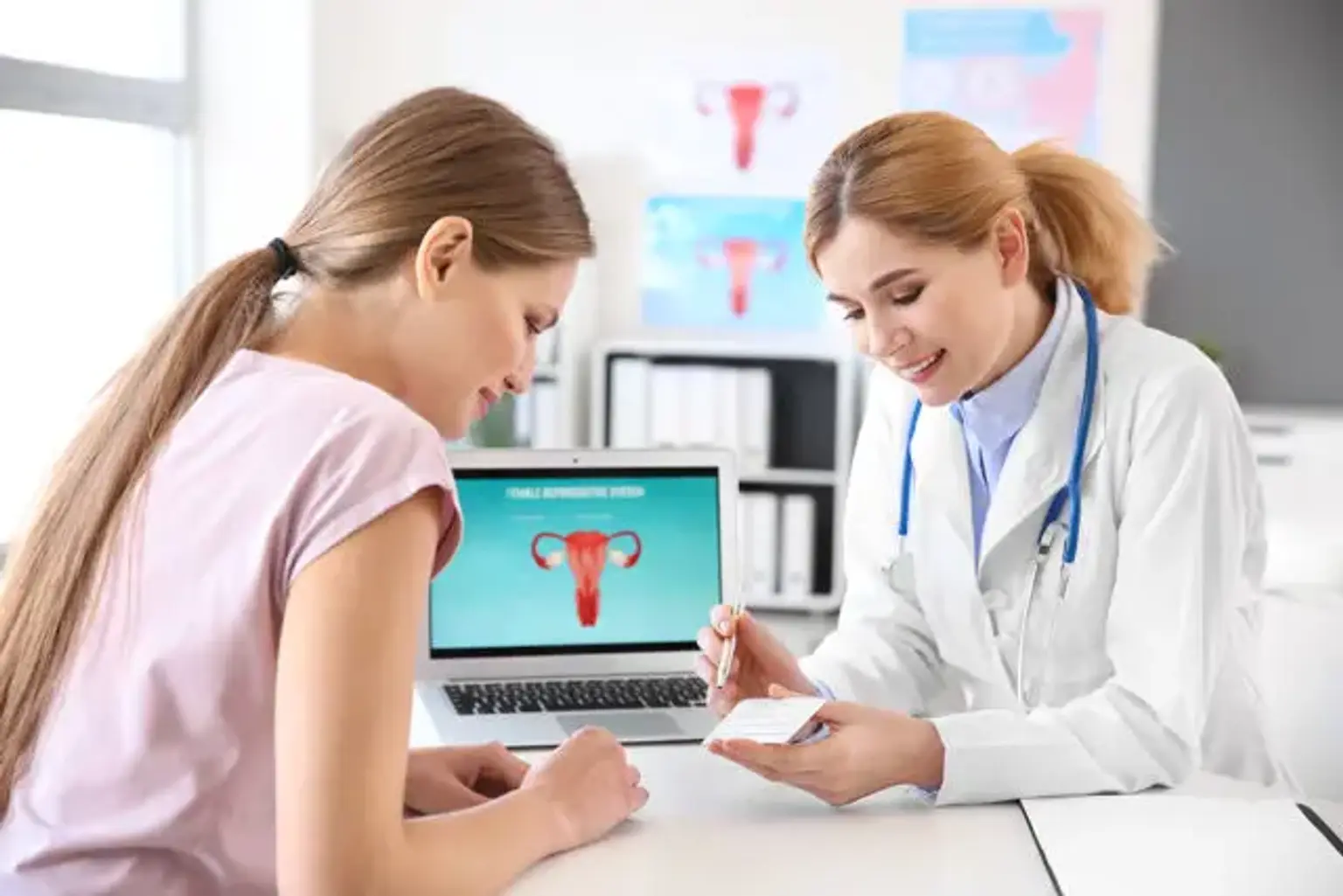
Causes and Diagnosis Early menopause may be triggered by factors such as genetics, autoimmune disorders, or lifestyle choices. It can also occur after treatments like chemotherapy, which affects the ovaries. Diagnosing early menopause typically involves blood tests to measure hormone levels (like FSH) and sometimes imaging studies to check the ovaries. Genetic testing may also help identify a predisposition to early menopause.
Signs and Symptoms of Early Menopause
Women experiencing early menopause face a variety of symptoms. The most common ones include:
Hot Flashes: Sudden feelings of warmth, often accompanied by sweating and redness.
Irregular Periods: Periods become less predictable or stop altogether.
Mood Swings: Fluctuating hormone levels can cause irritability, depression, and anxiety.
Sleep Issues: Difficulty falling asleep or staying asleep due to night sweats and other changes.
Vaginal Dryness: Decreased estrogen can cause dryness, which may affect sexual health.
These symptoms can be frustrating and distressing, especially in younger women who may still want to have children.
Risks of Untreated Early Menopause
Osteoporosis Risk One of the most significant risks of early menopause is the loss of bone density. Without estrogen, bones become weaker, making fractures more likely. Women in early menopause need to focus on maintaining bone health through calcium and vitamin D supplements, along with weight-bearing exercises.
Heart Disease Estrogen has a protective effect on heart health. When levels drop, the risk of cardiovascular diseases, including heart attack and stroke, increases. Women experiencing early menopause should monitor heart health closely, with regular check-ups and lifestyle adjustments like a heart-healthy diet and regular physical activity.
Fertility Challenges Early menopause leads to infertility as the ovaries no longer release eggs. Women who wish to have children after early menopause can consider fertility treatments like egg freezing or in vitro fertilization (IVF) if they still have viable eggs.
Hormone Replacement Therapy (HRT) as a Primary Treatment
What is HRT? Hormone Replacement Therapy (HRT) is one of the most common treatments for managing the symptoms of early menopause. It involves supplementing the body with estrogen and sometimes progesterone to replace the hormones the ovaries are no longer producing. HRT helps alleviate symptoms like hot flashes, vaginal dryness, and mood swings.
Types of HRT There are two main types of HRT:
Estrogen-only HRT is typically used for women who have had a hysterectomy.
Combined HRT includes both estrogen and progesterone and is prescribed for women who still have their uterus to protect against uterine cancer.
While HRT can be highly effective, it’s not suitable for everyone. Women with certain conditions, such as a history of breast cancer or blood clots, may need alternative treatments.
Benefits and Risks HRT is effective in relieving many menopause symptoms, but it comes with potential risks. Long-term use of HRT may increase the risk of breast cancer, heart disease, and blood clots. For this reason, HRT is usually recommended at the lowest effective dose for the shortest time possible. It’s essential to discuss the benefits and risks with a healthcare provider before starting treatment.
How Early Menopause is Diagnosed
Diagnosing early menopause involves a combination of medical history, blood tests, and sometimes imaging. Blood tests can measure hormone levels, particularly Follicle Stimulating Hormone (FSH) and estrogen, which can indicate ovarian function. If these levels are abnormally high and estrogen is low, it’s a strong sign of menopause.
In addition to blood tests, doctors may use ultrasound to evaluate the ovaries. Genetic testing is also an option if there’s a family history of early menopause or if autoimmune conditions are suspected.
Non-Hormonal Treatment Options
For women who cannot take HRT or prefer non-hormonal treatments, several options are available to help manage early menopause symptoms.
Medications
Antidepressants (SSRIs/SNRIs): These can be helpful for managing mood swings and hot flashes. Low-dose antidepressants like venlafaxine have been shown to reduce the frequency of hot flashes.
Gabapentin: Originally used to treat nerve pain, gabapentin can help reduce hot flashes.
Clonidine: A blood pressure medication that may also help reduce hot flashes in some women.
Lifestyle Changes
Diet: A balanced diet rich in fruits, vegetables, whole grains, and healthy fats can help maintain hormonal balance and reduce menopause symptoms. Avoiding caffeine and spicy foods can help reduce hot flashes.
Exercise: Regular physical activity, such as walking, swimming, or yoga, can improve mood, increase energy, and strengthen bones.
Stress Management: Practices like meditation, mindfulness, and deep breathing can reduce stress and alleviate symptoms like anxiety and mood swings.
Managing Bone Health After Early Menopause
Impact of Early Menopause on Bone Density One of the most significant concerns for women going through early menopause is the risk of osteoporosis. Estrogen plays a key role in maintaining bone strength, so when levels drop, bones become more fragile and prone to fractures. This is especially concerning for younger women who may face years of bone loss if the condition is left untreated.
Strategies for Protecting Bone Health
Calcium and Vitamin D: These are essential for bone health. Women in early menopause should aim to get enough calcium (1,000 mg to 1,200 mg per day) and vitamin D (600-800 IU per day) from both dietary sources and supplements.
Weight-Bearing Exercise: Activities like walking, jogging, or strength training help to strengthen bones and improve balance, reducing the risk of falls.
Bone Density Screening: Regular screenings are important for detecting osteoporosis early. A bone density test (DEXA scan) can help monitor bone health and determine if preventive treatments are needed.
Medications for Bone Health If bone density is low, doctors may recommend medications such as bisphosphonates or selective estrogen receptor modulators (SERMs) to help strengthen bones and reduce the risk of fractures. It’s crucial to manage bone health proactively during early menopause to avoid long-term complications.
Natural and Alternative Remedies for Early Menopause
Many women turn to natural or alternative remedies to manage their symptoms. While some have shown promise, it’s important to approach these options with caution and discuss them with a healthcare provider.
Herbal Supplements
Black Cohosh: This herb is commonly used to treat hot flashes and other menopause symptoms. Some studies suggest it may be effective, but results are mixed.
Red Clover: Contains phytoestrogens, plant-based compounds that mimic estrogen in the body. It may help with hot flashes and night sweats.
Soy Isoflavones: Rich in phytoestrogens, soy may help alleviate symptoms like hot flashes, though more research is needed.
Acupuncture Some women find relief from menopause symptoms like hot flashes and sleep disturbances through acupuncture. While studies are limited, acupuncture may help balance the body’s energy and promote relaxation.
Mind-Body Therapies
Yoga and Meditation: These practices can help reduce stress, improve sleep, and ease mood swings. Mind-body therapies are especially useful for women seeking holistic approaches to manage early menopause.
Caution with Natural Remedies Although many natural treatments have anecdotal support, not all are proven to be effective. Always check with a healthcare provider before starting any new treatment to ensure it is safe and appropriate for your specific health needs.
Mental Health Considerations: Anxiety, Depression, and Cognitive Changes
Early menopause can affect mental health, with many women experiencing anxiety, depression, or mood swings. Fluctuating hormone levels play a significant role in these emotional changes. Additionally, cognitive changes such as memory lapses and difficulty concentrating are common during this time.
Treatment Options
Therapy: Cognitive-behavioral therapy (CBT) can help women manage anxiety and depression. It focuses on changing negative thought patterns and improving coping mechanisms.
Medication: Antidepressants or anti-anxiety medications can be effective for managing mood disorders. SSRIs and SNRIs are often prescribed to ease menopause-related mental health symptoms.
Mindfulness and Meditation: Practices that reduce stress and promote relaxation can help improve mental well-being.
It's important to address mental health concerns early to prevent them from worsening over time.
The Role of Diet and Nutrition in Menopause Management
Nutrition plays a crucial role in managing early menopause symptoms and improving overall health. A balanced diet supports hormonal balance and can reduce symptoms like hot flashes and mood swings.
Key Nutrients for Managing Symptoms
Calcium and Vitamin D: Essential for bone health and reducing osteoporosis risk.
Omega-3 Fatty Acids: Found in fish, flaxseeds, and walnuts, omega-3s can help manage inflammation and improve mood.
Phytoestrogens: Foods like soy, flaxseeds, and chickpeas contain phytoestrogens, which can mimic estrogen in the body and help alleviate hot flashes.
Foods to Avoid
Caffeine and Alcohol: These can trigger hot flashes and interfere with sleep.
Spicy Foods: They can also worsen hot flashes and night sweats.
Impact of Early Menopause on Fertility and Family Planning
Early menopause leads to infertility as the ovaries stop releasing eggs. However, some women may still have viable eggs for a time, making it important to seek fertility treatment early if family planning is a priority.
Fertility Options
Egg Freezing: Women who want to delay childbearing may consider freezing their eggs before the onset of early menopause.
In Vitro Fertilization (IVF): IVF with donor eggs is an option for women who experience early menopause and still wish to have biological children.
It's crucial for women experiencing early menopause to discuss their fertility goals with a specialist to explore the best options.
Long-Term Health Risks and Monitoring
Women with early menopause face several long-term health risks, including osteoporosis, heart disease, and cognitive decline. Monitoring and preventive care are essential for minimizing these risks.
Regular Health Check-Ups
Heart Health: Regular check-ups to monitor blood pressure, cholesterol, and cardiovascular health are crucial.
Bone Health: Periodic bone density tests help assess the risk of osteoporosis and guide treatment.
Mental Health: Ongoing support for anxiety, depression, and cognitive changes helps ensure long-term well-being.
By staying proactive with health screenings and maintaining a healthy lifestyle, women can manage the long-term effects of early menopause.
The Role of Support Networks for Women Facing Early Menopause
Navigating early menopause can feel isolating, but having a solid support network can significantly improve emotional well-being. Support from family, friends, and professionals is key to managing the emotional and physical challenges that come with this condition.
Support Groups
Online Communities: Many women find comfort in connecting with others going through early menopause in online forums and social media groups. Sharing experiences and coping strategies can reduce feelings of isolation.
Therapeutic Support: Professional counseling, including group therapy, can be beneficial for addressing mental health concerns such as depression, anxiety, and loss of fertility.
Partner and Family Support Open communication with a partner and family members about symptoms and emotional needs can help create a more supportive home environment. Understanding the challenges women face during this time is critical for mutual support.
Exploring Surgical Options for Early Menopause
In some cases, early menopause may be induced by surgical procedures, such as the removal of the ovaries (oophorectomy) or a hysterectomy. These surgeries can be necessary for treating certain medical conditions, but they come with a risk of triggering premature menopause.
Oophorectomy (Ovary Removal) When one or both ovaries are removed, menopause begins immediately. If this occurs before the age of 40, it’s considered premature menopause. This can lead to sudden symptoms such as hot flashes, mood changes, and vaginal dryness.
Hysterectomy A hysterectomy, or the removal of the uterus, can also induce early menopause if the ovaries are removed during the surgery. In some cases, women may still experience menopause even if the ovaries remain, due to changes in hormone production.
Management After Surgery Women who undergo these surgeries may need hormone replacement therapy (HRT) to manage menopause symptoms and reduce long-term health risks. Counseling and fertility counseling are also important considerations post-surgery.
Alternative Therapies for Symptom Relief
For women seeking relief from menopause symptoms without traditional medical treatments, alternative therapies may offer additional options. Although not all are supported by strong scientific evidence, some women find them beneficial.
Acupuncture Acupuncture has been used for centuries to relieve various conditions, including menopause symptoms like hot flashes and sleep disturbances. Some studies suggest it may help reduce the severity and frequency of hot flashes, although results can vary.
Herbal Remedies
Black Cohosh: Used traditionally to treat hot flashes and night sweats, though more research is needed to confirm its effectiveness.
Dong Quai: A herb used in Chinese medicine to balance hormones, although it’s important to use it with caution as it can interact with other medications.
Red Clover: Rich in phytoestrogens, it’s often used to manage symptoms like hot flashes, but more research is needed to verify its benefits.
Mind-Body Therapies Practices like yoga, meditation, and tai chi can promote relaxation, reduce stress, and improve sleep quality, helping manage the emotional and physical aspects of early menopause.
Addressing the Societal Impact of Early Menopause
Early menopause can have a significant social and emotional impact, especially when it occurs in younger women. The premature cessation of fertility and changes in physical appearance can lead to feelings of loss and identity struggles.
Cultural and Societal Pressures In many cultures, youth and fertility are highly valued, and early menopause can create feelings of inadequacy or frustration. Women may feel disconnected from peers who have not experienced menopause or who are still in their reproductive years.
Educational Initiatives Raising awareness about early menopause can help reduce stigma and create a more supportive environment. Educational programs that focus on understanding the symptoms, treatment options, and emotional challenges can empower women to seek appropriate care and share their experiences without fear of judgment.
Workplace Support For women experiencing early menopause, it’s important for workplaces to provide support. Flexible schedules, understanding from colleagues, and even accommodations for managing symptoms like hot flashes can make a significant difference in quality of life.
The Impact of Early Menopause on Relationships and Intimacy
Early menopause can affect intimate relationships due to changes in hormone levels, physical discomfort, and emotional stress. Vaginal dryness, reduced libido, and mood swings may impact sexual health and intimacy.
Addressing Sexual Health
Lubricants and Moisturizers: These can alleviate vaginal dryness and discomfort during sex.
Open Communication: Discussing changes in intimacy openly with a partner can strengthen the relationship and reduce misunderstandings.
Sexual Therapy For women struggling with sexual dysfunction, counseling with a sexual health therapist can help address both emotional and physical concerns, enhancing intimacy and connection.
Navigating the Financial Aspects of Early Menopause Treatment
The financial burden of managing early menopause can be significant, especially when it involves ongoing treatments such as hormone replacement therapy (HRT), medications, and medical consultations.
Insurance and Healthcare Costs
Many treatments for early menopause, such as HRT or osteoporosis medications, may be covered by health insurance. However, some alternative therapies or fertility treatments may not be included.
Women may need to explore financial support options or seek second opinions for affordable treatment alternatives.
Fertility Preservation Costs For those considering fertility preservation (like egg freezing), the cost can be a significant consideration. These procedures are often expensive and may not be covered by insurance, adding an extra financial strain.
The Role of Genetics in Early Menopause
Genetics play a substantial role in the timing of menopause. Women with a family history of early menopause are more likely to experience it themselves.
Inherited Factors
Women whose mothers or sisters went through menopause early are at a higher risk of facing similar issues.
Genetic testing can sometimes help predict the onset of early menopause, allowing women to plan ahead for treatment options.
Research and Advancements Ongoing research into the genetic markers of early menopause may lead to better understanding and preventive strategies in the future.
Conclusion
Early menopause can be a challenging experience, but with the right support and treatment options, women can manage symptoms effectively and maintain a high quality of life. From hormone replacement therapy (HRT) to lifestyle adjustments and alternative therapies, there are numerous ways to address both the physical and emotional aspects of early menopause.
It is essential to take a holistic approach—considering not only medical treatments but also mental health support, fertility concerns, and lifestyle changes. Early menopause is unique to each woman, and personalized care, including open communication with healthcare providers and loved ones, plays a critical role in managing the condition.
As research continues to advance, new treatments and therapies offer hope for even better solutions in the future. Women facing early menopause should feel empowered to seek the care and support they need, ensuring they lead fulfilling and healthy lives well beyond menopause.