Introduction
Egg freezing, also known as oocyte cryopreservation, is a growing fertility preservation method. Women who are not ready for children but want to secure their reproductive future often turn to this option. Whether it's for career, health reasons, or delaying family plans, egg freezing gives individuals the ability to preserve their eggs at a certain point in time for later use.
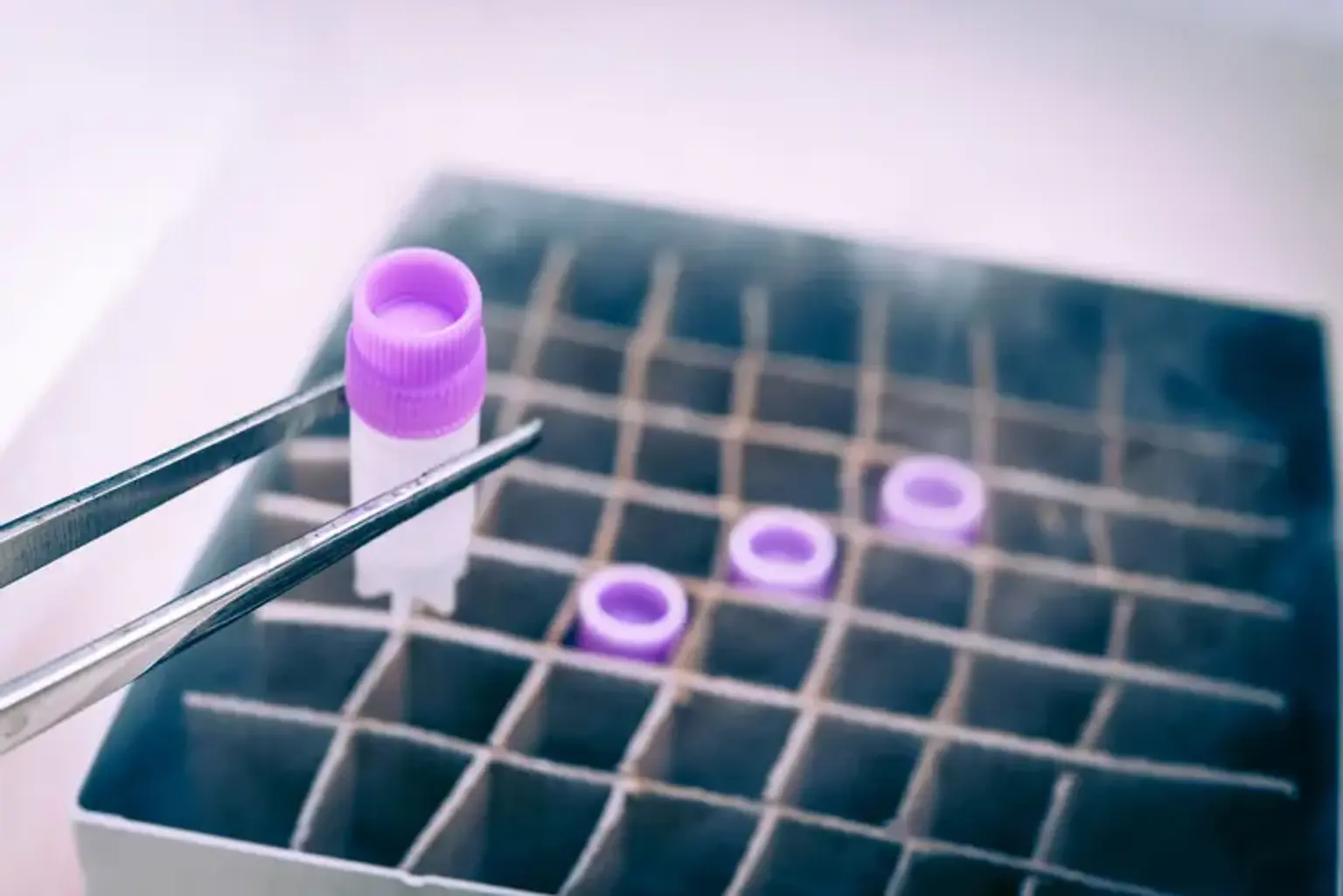
Globally, this procedure is gaining popularity, especially in countries with advanced healthcare systems, as it offers flexibility for women to choose when they want to start their families. The ability to store eggs for many years without compromising fertility has made egg freezing a game-changer in reproductive medicine.
What is Egg Freezing?
Egg freezing is a process in which a woman’s eggs are retrieved, frozen, and stored at very low temperatures. The goal is to preserve them for future use, especially when a woman is not ready to become a mother. The process starts with ovarian stimulation, where hormones are injected to encourage the ovaries to produce multiple eggs. These eggs are then retrieved from the ovaries and frozen for later use in assisted reproduction procedures like IVF (In Vitro Fertilization).
Cryopreservation technology, which has advanced over the years, ensures the eggs remain viable even after years of storage. Frozen eggs can be thawed and fertilized when a woman decides to use them in the future, either for pregnancy or other reproductive health needs.
How Egg Freezing Works: Step-by-Step Process
The egg freezing process involves several key steps. It begins with a thorough consultation and health assessment to ensure that the woman is a good candidate for egg freezing. Once the process begins, hormone injections are given over a period of 10-14 days to stimulate the ovaries to produce multiple eggs. These hormones are closely monitored with regular blood tests and ultrasounds.
After the eggs have matured, they are retrieved in a minor surgical procedure done under sedation. This involves a needle being inserted into the ovaries to collect the eggs. The retrieved eggs are then frozen and stored in liquid nitrogen at extremely low temperatures. Depending on the number of eggs retrieved, women can have several cycles to increase their egg reserve, improving the chances of successful fertilization in the future.
Why Choose Egg Freezing?
The reasons for choosing egg freezing are varied, but they generally revolve around delaying motherhood. Many women, especially those focused on their careers, might not be ready to have children at a young age but still want the option to do so later. Others may choose egg freezing if they are about to undergo medical treatments, such as chemotherapy or radiation, that may impact their fertility.
Some women also freeze eggs to avoid the risks of age-related fertility decline, which becomes more pronounced in the 30s and 40s. By freezing eggs at a younger age, women can ensure they have a healthier egg reserve to draw from when they are ready to conceive. The procedure offers hope and control over fertility for women who might not otherwise have it due to factors outside their control.
The Role of Hormones in Egg Freezing
Hormones play a crucial role in egg freezing, as they help stimulate the ovaries to produce multiple eggs for retrieval. Typically, a woman’s body naturally releases one egg per cycle, but with egg freezing, the goal is to harvest several eggs to maximize the chances of success. This is done through hormone injections, usually a combination of follicle-stimulating hormone (FSH) and luteinizing hormone (LH).
These hormones encourage the ovaries to mature multiple eggs, which are then retrieved for freezing. While the process is generally safe, it comes with some risks, including ovarian hyperstimulation syndrome (OHSS), a condition where the ovaries become swollen and painful. However, healthcare providers closely monitor hormone levels throughout the cycle to minimize risks and ensure the best possible outcome.
Egg Freezing for Medical Reasons: Cancer and Other Health Concerns
One of the most compelling reasons women choose egg freezing is to preserve fertility before undergoing medical treatments that could compromise their reproductive health. Chemotherapy, radiation, and certain surgeries can damage the ovaries, leading to infertility. By freezing eggs prior to treatment, women can secure the option to have children later, even if they experience fertility loss due to medical interventions.
In addition to cancer treatments, women with conditions like endometriosis, premature ovarian failure, or other fertility issues may also choose to freeze their eggs to safeguard their fertility for the future. Medical professionals encourage this decision for women facing life-threatening illnesses or those whose fertility might be impacted by genetic or health factors.
Risks and Challenges of Egg Freezing
While egg freezing is generally considered safe, there are some risks and challenges associated with the procedure. One of the primary risks is ovarian hyperstimulation syndrome (OHSS), which occurs when the ovaries over-respond to the hormone injections. This can cause symptoms such as bloating, abdominal pain, and nausea. Although serious cases are rare, OHSS requires careful management by the fertility clinic.
Other risks include the emotional and psychological impact of the procedure. The process of hormone injections and egg retrieval can be physically demanding, and some women may experience stress or anxiety about the outcome. The emotional toll of freezing eggs for later use, especially if the eggs are not used or the woman does not achieve pregnancy in the future, can also be significant. For these reasons, counseling and psychological support are often recommended to help women navigate the process.
Who Should Consider Egg Freezing?
Egg freezing is an option for women who want to preserve their fertility for the future. It is commonly chosen by those who are not ready for children due to career, education, or personal reasons. Women with health concerns, such as those undergoing cancer treatment or facing early menopause, may also consider it to safeguard their fertility.
Additionally, those at risk of infertility due to conditions like polycystic ovary syndrome (PCOS) or endometriosis might choose egg freezing to preserve their reproductive health. Women who simply want to delay childbearing until later in life are also candidates, as fertility naturally declines with age, particularly after 35.
Egg Freezing Success Rates
Success rates for egg freezing depend on several factors, most notably the woman’s age at the time of egg retrieval. Women under 35 typically have a higher success rate of successful pregnancies using frozen eggs, as their eggs are generally of higher quality. The success of thawing and fertilizing frozen eggs also depends on the number of eggs retrieved. While most women can freeze multiple eggs in one cycle, some may need multiple rounds to build up a sufficient egg reserve.
Success rates can vary from clinic to clinic, and each individual’s situation is unique. However, advancements in cryopreservation techniques, such as vitrification, have improved the chances of success significantly. Vitrification is a rapid freezing method that helps maintain egg quality during storage and thawing, making it the preferred method in most fertility clinics today.
Cost of Egg Freezing and Long-Term Storage
Egg freezing can be an expensive procedure, and costs vary depending on the clinic, location, and the number of cycles required. The procedure generally involves several components: ovarian stimulation, egg retrieval, freezing, and storage. The cost of hormone injections and the procedure itself can range from $6,000 to $15,000 per cycle.
In addition to the initial procedure costs, long-term storage of the eggs also incurs annual fees, typically ranging from $500 to $1,000 per year. This means that over time, the total cost of egg freezing can add up significantly, especially for women who may choose to store their eggs for 10 or more years. While egg freezing is an investment in future fertility, many clinics offer financing options, and some insurance plans may cover part of the cost, particularly if the procedure is done for medical reasons.
Long-Term Storage: What Happens After Freezing?
Once eggs are frozen, they are stored in liquid nitrogen tanks at very low temperatures, ensuring they remain viable for many years. Cryopreservation, the process of freezing eggs, has become more effective in recent years thanks to advancements in vitrification techniques, which involve rapidly freezing the eggs to prevent ice crystals from forming.
Egg storage can last indefinitely, but fertility clinics generally recommend regular checks on the stored eggs, ensuring that the cryogenic conditions remain optimal. Clinics have strict protocols to ensure that the eggs are safely stored and regularly maintained. However, after many years, there may be some degradation in the quality of the eggs, which could affect the chances of a successful pregnancy when thawing occurs. In most cases, though, eggs stored for up to 10 years or more can still yield positive results, particularly when frozen at a younger age.
The Future of Egg Freezing
The future of egg freezing looks promising. Ongoing research is focused on improving the procedure’s efficiency, reducing costs, and enhancing success rates. New technologies, such as genetic testing of frozen eggs, could help identify the healthiest eggs, leading to better outcomes for women. Furthermore, advancements in egg thawing techniques are expected to increase the success rates of fertilization and pregnancy.
As more women opt for egg freezing, it is likely that public perception will continue to shift towards greater acceptance of fertility preservation. Fertility preservation may even become more mainstream, offering women greater autonomy over their reproductive decisions.
Emotional and Psychological Considerations
Egg freezing is not just a medical procedure but also an emotional journey. Many women who choose to freeze their eggs are doing so in the face of uncertainty about their fertility future. It’s common to experience feelings of anxiety, stress, or even sadness during the process, as it involves significant decisions about family and future goals.
Additionally, there is emotional weight tied to the long-term nature of egg freezing. Women may feel pressure regarding whether they will ever use the eggs, and there may be concerns about the age at which they will decide to try to have children. For those freezing eggs due to medical reasons, there may be fear or sadness about the need to preserve fertility in the face of a health condition.
Fertility clinics often offer psychological support and counseling to help women navigate the emotional challenges of the procedure. Connecting with others who have undergone egg freezing can also provide valuable reassurance and shared experiences.
Legal and Ethical Considerations
Egg freezing raises several legal and ethical questions. One key issue is ownership: who owns the frozen eggs? In most cases, women have ownership of their eggs, but laws vary by country and clinic, so it’s essential to understand the legal implications before proceeding.
There are also ethical considerations regarding the use of frozen eggs. For example, some women may face difficult decisions if they are unable to conceive or if the eggs do not result in a pregnancy. It’s crucial to discuss these issues with a fertility counselor before undergoing the procedure. Clinics often require consent agreements that address potential ethical and legal challenges, including what happens to frozen eggs if a woman passes away or becomes incapacitated.
Thawing and Using Frozen Eggs
When a woman is ready to use her frozen eggs, the process involves thawing the eggs and then fertilizing them with sperm, typically through IVF (in-vitro fertilization). The eggs are carefully thawed in a controlled environment, and once viable, they are fertilized using sperm from a donor or partner. After fertilization, the embryos are cultured, and one or more are selected for implantation into the woman’s uterus.
Success rates after thawing frozen eggs depend on several factors, including the age of the woman when the eggs were frozen, the number of eggs retrieved, and the quality of the eggs. While not every egg will survive the freezing and thawing process, many women have successfully conceived using frozen eggs, with advances in fertility treatments increasing the chances of success. It is important to consult with a fertility specialist to understand the success rates specific to one's individual situation.
Global Popularity and Advancements
Egg freezing is becoming increasingly popular worldwide, especially in developed countries where women are postponing motherhood for various reasons. Countries like the United States, Spain, and Israel have seen significant growth in egg freezing clinics, with increasing accessibility and improved technology. The success rates of egg freezing have also risen due to advancements in vitrification, which offers higher survival rates for frozen eggs.
In addition to medical advances, the global conversation around egg freezing has become more positive. It’s viewed as an empowering option for women who want to take control of their reproductive health. As more women learn about egg freezing, its popularity is likely to continue rising, particularly with the growing acceptance of assisted reproductive technologies.
Frequently Asked Questions (FAQs) about Egg Freezing
1. How old should I be to freeze my eggs? The ideal age for egg freezing is typically between 30 and 35, as eggs are of higher quality and more likely to result in successful pregnancies. However, women older than 35 can still freeze eggs, but the success rates may be lower due to a natural decline in egg quality with age.
2. How many eggs do I need to freeze? The number of eggs you need depends on various factors, including your age and fertility health. On average, fertility specialists recommend freezing at least 15 to 20 eggs to increase the chances of success when thawing and fertilizing them later.
3. Can I freeze eggs more than once? Yes, many women undergo multiple rounds of egg freezing to increase their egg reserve. Each cycle’s success depends on your response to the hormone treatment, so it’s not uncommon to require more than one round.
Egg Freezing and Social Stigma
Despite its growing popularity, egg freezing can still carry some social stigma, particularly in certain cultural contexts where traditional family structures are more common. Some individuals might view it as a sign of not fulfilling societal expectations around family life, but as awareness about the procedure increases, these stigmas are gradually being broken down.
Women who choose to freeze their eggs should feel empowered in their decision, knowing that it allows them to take control of their fertility and make informed choices about their reproductive futures. As egg freezing becomes more normalized, society’s perception is likely to continue evolving in favor of women’s reproductive autonomy.
The Impact of Egg Freezing on Women's Empowerment
Egg freezing has the potential to empower women in ways that were previously unavailable. By giving women the option to delay childbirth without sacrificing fertility, it enables them to focus on personal, educational, and career goals without the pressure of biological clocks ticking.
This empowerment extends beyond reproductive choices—egg freezing allows women to redefine what family and motherhood mean on their terms. It offers the flexibility to make decisions that align with their life goals, improving quality of life and reducing stress over fertility challenges in the future.
Conclusion
Egg freezing has become a powerful tool in reproductive healthcare, providing women with the freedom to plan their families when the time is right for them. With advancements in technology and better accessibility, it has evolved into a mainstream option for fertility preservation. Whether chosen for personal, health, or social reasons, egg freezing offers women greater control over their reproductive choices, allowing them to build families on their terms.
As egg freezing continues to grow in popularity and acceptance, it is likely to become even more accessible, affordable, and effective in the future. While there are still some challenges related to cost, emotional impact, and social perceptions, the benefits of egg freezing cannot be understated. It provides women with the invaluable gift of time, opening up new possibilities for family planning, career advancement, and overall life satisfaction.