Introduction
Embryo thawing is an essential process in modern fertility treatments, particularly in in vitro fertilization (IVF). The procedure involves safely warming frozen embryos, which have been preserved through cryopreservation, for potential transfer into a woman's uterus. As more couples and individuals turn to IVF and other assisted reproductive technologies (ART) to build their families, embryo thawing has become a critical step in the journey to parenthood.
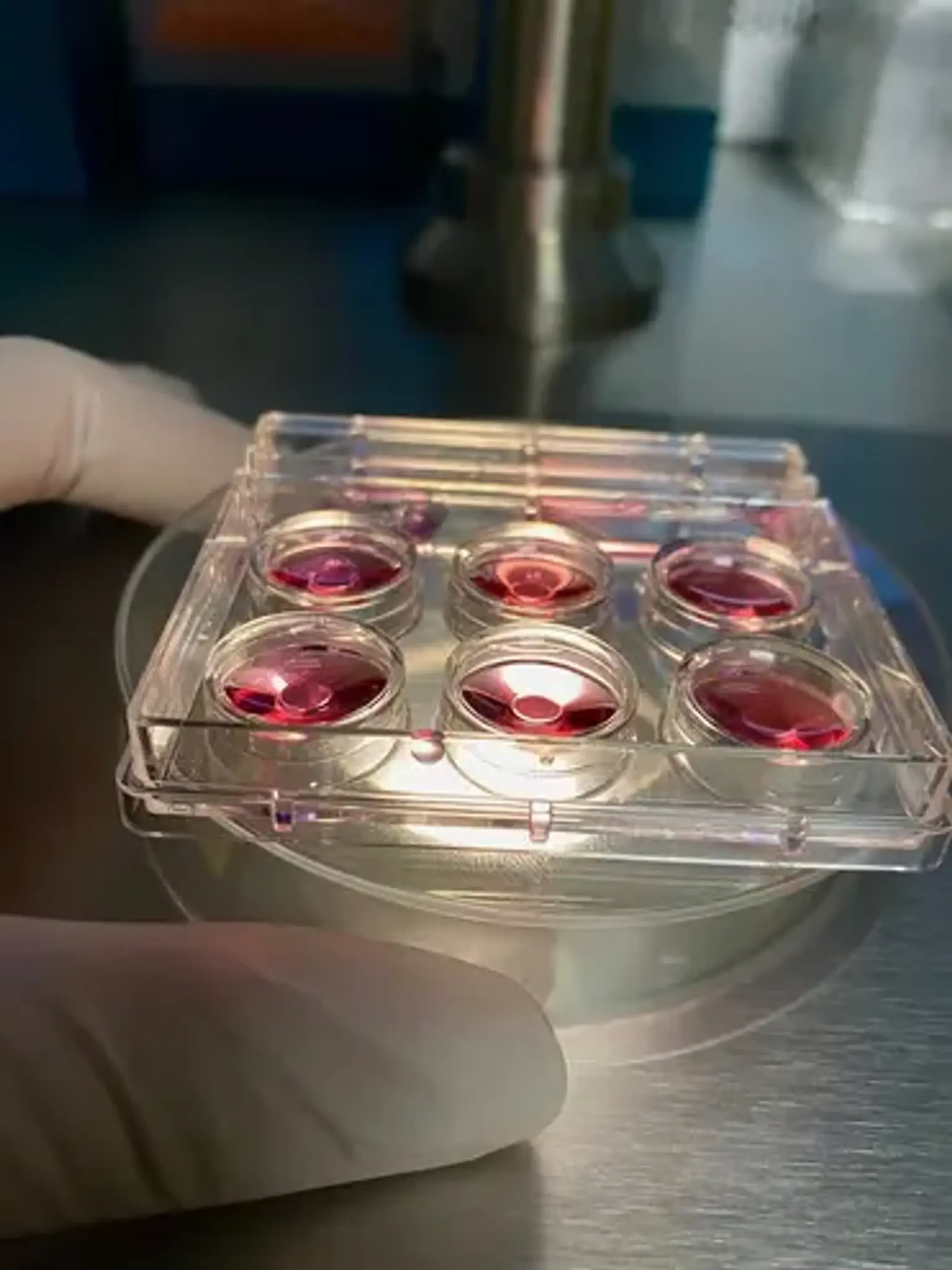
Cryopreservation, or embryo freezing, allows embryos to be stored for years, giving patients the flexibility to undergo transfer at a later date. This process is commonly used for women who wish to delay pregnancy or for those undergoing treatments like chemotherapy that might affect fertility.
Understanding the Cryopreservation Process
Cryopreservation is the technique used to preserve embryos by cooling them to subzero temperatures. It ensures that embryos remain viable for long periods without growing or deteriorating. During the freezing process, a cryoprotectant solution is applied to the embryos to protect them from ice crystal formation, which can damage cellular structures.
Vitrification, a newer technique that involves ultra-rapid freezing, has improved the success rates of embryo preservation. It prevents the formation of ice crystals that can compromise embryo integrity, significantly enhancing survival rates after thawing.
Embryos are stored in liquid nitrogen tanks, maintaining an extremely low temperature, and can remain frozen for several years without losing their ability to develop into a healthy fetus once thawed.
The Embryo Thawing Process
When a couple or individual is ready to use their frozen embryos, they undergo the thawing process. This involves gradually warming the embryos to room temperature and allowing them to recover from the freezing process. The thawing procedure is carefully monitored to ensure minimal damage to the embryos.
An embryologist plays a vital role during thawing. They assess the embryos for any signs of damage or degradation. The process usually takes a few hours, and embryos are carefully examined to ensure they are intact before being transferred into the uterus. It’s essential to know that not all embryos survive the thawing process. However, advancements in cryopreservation and vitrification have increased survival rates significantly.
The Role of Vitrification in Embryo Preservation
Vitrification has revolutionized the way embryos are frozen and thawed. Unlike traditional freezing methods that involve slow freezing, vitrification uses ultra-rapid freezing to prevent the formation of ice crystals inside the embryo. These crystals can cause cell damage, reducing the embryo's viability.
This advanced technique results in higher survival rates after thawing, making it the preferred method for freezing embryos today. With vitrification, embryos can be stored for extended periods without compromising their quality, offering patients better chances of success when they are ready for transfer.
Frozen Embryo Transfer (FET): A Viable Option
Frozen embryo transfer (FET) has become a popular choice for many couples. One of the major advantages of FET is the reduced risk of ovarian hyperstimulation syndrome (OHSS), a condition that can occur when the ovaries are overstimulated during IVF. By using embryos that were frozen from a previous cycle, the risk of OHSS is minimized.
Additionally, FET allows for more flexible timing. Women can undergo embryo transfer at a later time, allowing their body to recover from any prior treatments. FET also increases the chances of a successful pregnancy for women with certain fertility conditions, such as polycystic ovary syndrome (PCOS), as the procedure can be better timed with their natural cycle.
Success Rates of Embryo Thawing
Success rates for embryo thawing can vary, depending on several factors such as the quality of the embryo at the time of freezing, the age of the woman, and the length of time the embryos have been frozen. Generally, embryos frozen using vitrification have a higher chance of surviving the thawing process compared to those frozen using traditional freezing methods.
Studies show that the success rates for frozen embryo transfer (FET) are comparable to fresh embryo transfers, with some reports indicating slightly higher success rates due to fewer risks of ovarian hyperstimulation syndrome (OHSS).
While embryo thawing does not guarantee a pregnancy, it has proven to be a reliable option for many couples who have previously frozen embryos for future use. The survival and implantation rates of thawed embryos continue to improve, making this an increasingly effective fertility treatment option worldwide.
Why Use Embryo Thawing Services?
Embryo thawing services are increasingly popular worldwide, especially for couples undergoing fertility treatments or those seeking to preserve their fertility. These services offer patients the flexibility to store embryos for future use, particularly in cases where women wish to delay pregnancy or when medical conditions might affect fertility.
For individuals undergoing chemotherapy or other medical treatments that could impact their fertility, embryo freezing and thawing services provide a safety net. Additionally, FET is often used in surrogacy and same-sex couples seeking to start a family. The growing accessibility and success rates of these services have made them an essential part of modern reproductive medicine, helping people to achieve their dreams of parenthood at a time that works for them.
Factors Influencing the Success of Thawing
The success of embryo thawing depends on several factors. The quality of the embryos at the time of freezing is one of the most important. Higher-quality embryos are more likely to survive the thawing process and result in a successful pregnancy. Additionally, the age of the woman at the time of embryo freezing plays a key role. Younger women typically produce better-quality eggs, leading to embryos that have a higher chance of survival after thawing.
The length of storage also impacts success. While embryos can remain frozen for years, prolonged storage can slightly reduce the chances of successful thawing and pregnancy. However, modern cryopreservation techniques like vitrification have significantly improved long-term storage outcomes.
The Role of the Embryologist in Thawing
Embryologists are experts in handling and evaluating embryos, and they play a crucial role in the thawing process. After the embryos are carefully thawed, embryologists assess their quality to ensure that they are viable for transfer. They examine the embryos for signs of damage or fragmentation, which can occur during the thawing process.
The embryologist also ensures that the embryos are properly prepared for transfer into the woman's uterus, which may involve culturing the embryos to promote further development. Their expertise is vital to maximizing the chances of a successful pregnancy after thawing.
Legal and Ethical Considerations in Embryo Freezing
Embryo freezing and thawing raise several legal and ethical concerns that vary by country and region. For example, some countries have strict regulations regarding the number of embryos that can be frozen or stored, while others require explicit consent from both partners for the use of frozen embryos.
Ethical issues often arise in cases where embryos are not used or are left in storage for many years. Decisions about embryo disposition—whether to destroy unused embryos, donate them for research, or donate them to another couple—are complex and require careful consideration.
Moreover, the storage and future use of embryos raise important questions about reproductive rights and parental consent, particularly in cases of divorce or changing family dynamics.
Risks and Challenges in Embryo Thawing
While embryo thawing is generally safe, there are some risks involved. The primary concern is the potential loss of embryos during the thawing process. Although modern techniques like vitrification have significantly improved survival rates, not all embryos survive the thawing process.
Other challenges include the variability of success rates based on factors like embryo quality, freezing methods, and the woman's age. There is also the possibility of embryo fragmentation, where the embryo may break into smaller pieces during thawing, which can reduce its chances of implantation.
However, experienced embryologists and advanced cryopreservation methods have minimized these risks, making embryo thawing a reliable procedure in fertility treatments.
Is Fresh or Frozen Embryo Transfer Better?
The debate between fresh and frozen embryo transfers has been ongoing for years. Historically, fresh embryo transfers were the preferred option. However, advancements in embryo freezing and thawing techniques have made frozen embryo transfer (FET) a competitive alternative.
Studies show that FET success rates are now comparable, and in some cases, even higher, than fresh transfers. One of the primary benefits of FET is that it allows the woman’s body to recover from ovarian stimulation, reducing the risk of complications like ovarian hyperstimulation syndrome (OHSS).
Furthermore, FET offers better timing flexibility, which can be crucial for women who require additional treatments or need to synchronize the embryo transfer with their natural menstrual cycle. In certain cases, FET has been shown to offer improved implantation rates, especially for women with specific fertility conditions.
How Long Can Embryos Stay Frozen?
One of the most common questions about embryo freezing is how long embryos can stay frozen without losing their viability. Embryos can remain frozen for many years—some for over a decade—without significant loss of quality. Thanks to advancements in cryopreservation methods, especially vitrification, embryos can be stored indefinitely without diminishing their potential for successful pregnancy.
Although the quality of embryos may slightly decline after extended storage, research shows that embryos frozen for 10 or even 20 years have still led to successful pregnancies. The decision to use embryos after long-term storage depends on various factors, including the woman's health, the number of embryos available, and medical guidelines specific to each fertility clinic.
Success Stories: Real-life Outcomes of Embryo Thawing
Many couples and individuals who undergo embryo thawing achieve successful pregnancies, and their stories can provide hope and encouragement for others in similar situations. Success stories often highlight the emotional aspect of using frozen embryos and the joy that comes with seeing the process through to the end.
For example, a woman who froze her embryos in her early 30s due to medical reasons was able to use those embryos years later when she was ready to become a mother. Thanks to embryo thawing, she successfully gave birth to a healthy child, which she attributes to her decision to preserve her fertility when she had the chance. These stories remind us that embryo freezing and thawing services offer a lifeline to many, giving them the opportunity to become parents when the timing is right.
Embryo Thawing for Same-Sex Couples and Singles
Embryo thawing has become an important tool for same-sex couples and singles who wish to build their families. For lesbian couples, using donor sperm and frozen embryos allows both partners to share in the pregnancy experience. One partner can provide the egg, while the other can carry the pregnancy.
For single women who wish to delay pregnancy or preserve their fertility, embryo freezing offers an option for future family planning. With advancements in reproductive technology, many women now choose to freeze their eggs in their younger years for use later, giving them more control over their reproductive timeline.
Embryo thawing services have also seen an increase in demand in surrogacy arrangements, where the embryos created by intended parents are thawed and implanted into a surrogate's uterus.
Costs of Embryo Thawing Services
The cost of embryo thawing services can vary widely depending on location, clinic, and the specifics of the treatment plan. Generally, the cost of embryo thawing is part of the overall IVF package and may include embryo storage fees, thawing procedures, and the actual transfer of the embryo.
On average, embryo freezing and storage can cost anywhere from $500 to $1,500 per year. The thawing procedure itself typically costs an additional $500 to $1,000, although some clinics may include it in the cost of the embryo transfer.
In total, the price of a full IVF cycle with embryo thawing may range from $10,000 to $20,000, depending on the clinic and geographical location. These costs are often not covered by insurance, so many patients explore financing options to help manage the expenses.
Innovations in Embryo Thawing Technology
The field of reproductive medicine is constantly evolving, and embryo thawing has benefited greatly from technological advancements. Vitrification has become the gold standard for embryo freezing, greatly increasing the chances of embryo survival during thawing. Additionally, improved cryoprotectants are now used to further protect embryos from damage during freezing and thawing.
In the future, we can expect even more advancements in cryopreservation techniques, such as personalized freezing protocols tailored to individual embryo needs and the development of even more efficient thawing processes. These innovations will continue to improve success rates and provide patients with more options for fertility preservation and embryo transfer.
How to Choose a Fertility Clinic for Embryo Thawing
Choosing the right fertility clinic for embryo thawing is crucial for the success of the procedure. When evaluating clinics, patients should consider several factors:
Reputation and Success Rates: Research the clinic’s success rates for embryo thawing and transfer. Reputable clinics publish their statistics, which can give patients a good idea of the clinic’s overall effectiveness.
Experienced Embryologists: Look for clinics with a team of experienced embryologists, as they play a pivotal role in ensuring the embryos are properly thawed and ready for transfer.
Technology and Techniques: Clinics that use the latest technologies, such as vitrification, are more likely to offer higher success rates with frozen embryos.
Costs and Transparency: Ensure the clinic is clear about all costs involved in embryo freezing, storage, thawing, and transfer. Hidden fees can add up quickly, so transparency is essential.
Patient Support and Comfort: Fertility treatments can be emotional and stressful. Choosing a clinic that offers supportive care, counseling, and a compassionate team can help ease the emotional challenges of the process.
Emotional and Psychological Support During the Thawing Process
Embryo thawing, like other fertility treatments, can be an emotional journey. The uncertainty surrounding the thawing process and the potential for embryos not to survive can cause anxiety. Emotional support is crucial during this time. Many fertility clinics offer counseling services to help patients cope with the stress, uncertainty, and emotional challenges of undergoing fertility treatments.
Couples may experience a range of emotions, from excitement and hope to fear and disappointment, depending on the outcome of the thawing process. Support groups, therapy sessions, or online communities also provide emotional comfort, allowing patients to share their experiences and find reassurance.
The Global Popularity of Embryo Thawing Services
Embryo thawing services have seen a significant rise in popularity worldwide, as more people seek fertility treatments and take advantage of the ability to store embryos for future use. In countries with robust healthcare systems, embryo thawing has become an integral part of fertility treatments, with many patients opting for frozen embryo transfers (FET) due to the flexibility and reduced risks associated with it.
The increasing success rates of thawed embryo transfers, combined with a growing awareness of fertility preservation options, have made embryo freezing and thawing services widely accessible. Many patients now travel abroad to seek treatment in countries with advanced reproductive technologies, further expanding the global reach of these services.
Conclusion
Embryo thawing has become a cornerstone of modern fertility treatments, offering individuals and couples a flexible and reliable path to parenthood. With the advancements in cryopreservation technologies like vitrification, the success rates of embryo thawing and transfer have significantly improved, providing hope for many who might have otherwise faced challenges in starting a family.
Though the process comes with its own set of emotional, physical, and financial considerations, the ability to preserve embryos for future use has proven to be invaluable. Whether it’s for women delaying childbirth, couples undergoing fertility treatments, or individuals facing medical conditions like cancer, embryo thawing offers a second chance at building a family when the time is right.
As the technology continues to evolve and success rates rise, embryo thawing services are set to become even more accessible and efficient, helping countless people around the world achieve their dream of parenthood. With the right support, care, and expert guidance, those undergoing the thawing process can move forward with confidence, knowing that they are part of a growing field that prioritizes their health and aspirations.