Introduction
Embryo transfer is a pivotal step in the In Vitro Fertilization (IVF) process, where an embryo is placed into the uterus to initiate pregnancy. This procedure plays a crucial role in assisted reproduction, offering hope to couples facing fertility challenges. IVF, a widely used fertility treatment, involves several stages, including egg retrieval, fertilization, and embryo culture. Embryo transfer is the final and often most anticipated part of this journey.
In this article, we'll explore the embryo transfer procedure, its preparation, and what to expect during and after the process. Whether you’re undergoing IVF or considering it, understanding this procedure can help reduce anxiety and provide clarity on the steps ahead.
What is Embryo Transfer?
Embryo transfer is the process of placing a fertilized embryo into the uterus with the goal of achieving pregnancy. It’s the last step in the IVF process, where embryos created in the lab are introduced into the woman’s uterus to potentially implant and develop into a fetus.
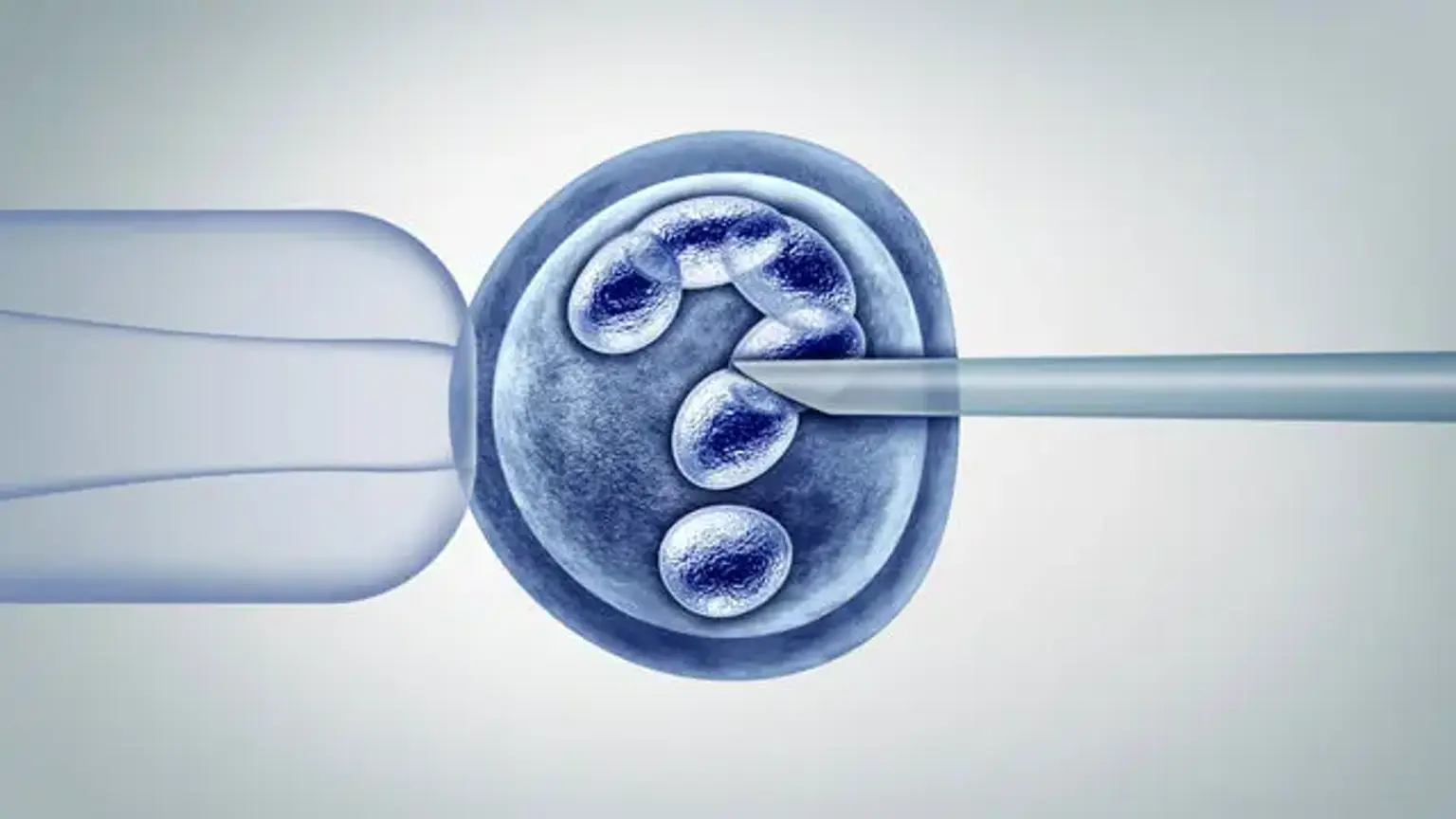
This procedure is considered minimally invasive and typically does not require anesthesia. While embryo transfer is a relatively straightforward procedure, its success depends on various factors such as embryo quality, timing, and the woman’s overall health.
Globally, the embryo transfer procedure has revolutionized fertility treatments. It provides an opportunity for couples who may have previously struggled with conception, and the success of IVF is closely linked to the success of the embryo transfer itself.
The IVF Cycle: How Embryo Transfer Fits In
IVF involves several key steps: ovarian stimulation, egg retrieval, fertilization of the eggs in the lab, embryo culture, and finally, embryo transfer. The goal of IVF is to create healthy embryos that can be implanted into the uterus.
Before embryo transfer occurs, doctors monitor the woman's response to ovarian stimulation, which helps produce multiple eggs. These eggs are then retrieved, fertilized in the laboratory, and cultured for several days until they become viable embryos. Once the embryos reach a suitable developmental stage, one or more are selected for transfer.
The timing of embryo transfer is crucial. It is typically performed on the 3rd to 5th day after fertilization, depending on the quality of the embryos and the woman's individual circumstances. Both fresh and frozen embryos can be used for the transfer, though frozen embryo transfer is gaining popularity for its flexibility and success rates.
Fresh vs. Frozen Embryo Transfer
Embryo transfer can be done using either fresh or frozen embryos, and each approach has its benefits. Fresh embryo transfer uses embryos created during the current IVF cycle, right after egg retrieval and fertilization. This method allows for a quicker timeline but may be affected by factors like ovarian response and hormone levels.
On the other hand, frozen embryo transfer (FET) uses embryos that were cryopreserved from a previous IVF cycle. FET is often chosen for its flexibility and the ability to allow the woman’s body time to recover between IVF cycles. Studies have shown that frozen embryo transfer may result in higher success rates, particularly for women with certain medical conditions or those undergoing egg freezing.
Both methods can lead to successful pregnancies, but your doctor will determine the best approach based on your unique situation.
Preparing for Embryo Transfer: What to Expect
Preparation for embryo transfer begins long before the procedure itself. It starts with a series of medical evaluations and assessments, including blood tests, ultrasounds, and sometimes a hysteroscopy to check the condition of the uterus. This ensures that the uterine lining is thick enough to support embryo implantation.
Once the preparation is complete, medications such as hormones are prescribed to optimize the uterine environment. These hormones, typically estrogen and progesterone, help thicken the uterine lining to make it more receptive to the embryo.
The procedure itself is relatively simple, often taking just a few minutes. During embryo transfer, a thin catheter is inserted into the uterus through the cervix to deposit the embryo(s). This is usually done under ultrasound guidance to ensure correct placement. Most women experience only mild discomfort during the procedure, and it typically doesn’t require any anesthesia.
Risks and Complications of Embryo Transfer
While the embryo transfer procedure is generally safe, like any medical procedure, there are some risks. These include:
Infection: Although rare, infection can occur after the procedure.
Multiple Pregnancies: If multiple embryos are transferred, there is an increased risk of twins or higher-order multiples, which can lead to complications during pregnancy.
Ectopic Pregnancy: This occurs when the embryo implants outside the uterus, usually in a fallopian tube, and requires medical attention.
Choosing a qualified fertility clinic and adhering to post-procedure instructions can help reduce these risks. Most patients recover quickly, but any signs of severe pain or unusual symptoms should be reported to a doctor immediately.
Success Rates of Embryo Transfer
Success rates of embryo transfer depend on several factors, including the woman’s age, the quality of the embryos, and the overall health of the uterus. In general, younger women tend to have higher success rates due to better-quality eggs. The quality of the embryo, assessed by the embryologist, is also a critical factor in determining success.
For fresh embryo transfers, the success rate varies between 40% to 50%, while frozen embryo transfers tend to show slightly higher success rates, especially for women over 35. Embryo transfer success also depends on the timing of the transfer, the medication used, and other personal factors.
For the best outcomes, it’s important to work closely with your fertility doctor to understand your specific chances of success based on your unique situation.
The Embryo Transfer Procedure: Step-by-Step
The embryo transfer procedure is relatively simple and typically takes less than 30 minutes. Here’s a step-by-step breakdown:
Preparation: Before the procedure, the doctor performs an ultrasound to check the position of the uterus and the thickness of the uterine lining.
Embryo Selection: The embryologist selects the healthiest embryos for transfer, which may involve choosing from fresh or frozen embryos.
Insertion: The doctor uses a thin, flexible catheter to insert the embryos into the uterus through the cervix. Ultrasound guidance ensures precise placement.
Post-Procedure Rest: Most women are asked to rest for a short period afterward, though no anesthesia is required. Some mild cramping or spotting may occur, but it’s typically short-lived.
Embryo transfer is a highly precise and straightforward procedure, often with little discomfort for the patient.
After the Embryo Transfer: Recovery and Care
Recovery after embryo transfer is generally quick and straightforward. Most women can resume their normal activities within a few hours, but rest is encouraged during the first 24-48 hours. Avoiding strenuous exercise and heavy lifting can help prevent complications.
While the procedure itself is minimally invasive, some mild discomfort like bloating, cramping, or spotting is common. It's essential to follow post-procedure care instructions, including any prescribed hormone treatments, to support the embryo’s chances of implanting.
Women are advised to avoid stress during this period and focus on maintaining a calm and supportive environment. Hydration, a healthy diet, and proper rest can also contribute to overall well-being during the early stages of pregnancy.
Factors That Influence Embryo Transfer Success
Success rates of embryo transfer depend on multiple factors, each of which can play a significant role in determining the outcome:
Age: A woman’s age is a major factor. Younger women typically have higher-quality eggs, which increases the chances of a successful transfer.
Embryo Quality: The healthier and more viable the embryo, the higher the likelihood of implantation and pregnancy.
Uterine Health: A well-prepared, thickened uterine lining is crucial for embryo implantation. Any issues with the uterus, like fibroids or polyps, can decrease success rates.
Timing: The timing of the transfer is also important. Doctors must carefully monitor the cycle to ensure the embryo is transferred at the optimal moment for implantation.
Lifestyle Factors: A healthy lifestyle, including good nutrition, regular exercise, and avoiding smoking and alcohol, can positively influence the success of the procedure.
By focusing on these factors, fertility specialists can tailor the IVF treatment to maximize the chances of a successful embryo transfer.
Embryo Transfer and Pregnancy Test: When to Test?
After embryo transfer, the waiting period can feel intense as patients eagerly anticipate the results. Pregnancy tests are typically performed about 10 to 14 days after the procedure. During this period, the body is monitored for signs of early pregnancy.
While some women may experience mild cramping or spotting, these symptoms are normal and don't necessarily indicate failure. A blood test, known as a beta-hCG test, measures the hormone levels associated with pregnancy. If the test is positive, an ultrasound is usually scheduled a couple of weeks later to confirm the pregnancy and check for the heartbeat.
It’s important to manage expectations during this waiting period. Early pregnancy tests can sometimes result in false positives or negatives, so it’s best to rely on the doctor's confirmation.
Emotional Impact of Embryo Transfer
Undergoing an embryo transfer can be an emotionally charged experience. For many, this is the final step after a lengthy IVF journey, and the outcome holds significant emotional weight. The waiting period between the procedure and the pregnancy test can be especially stressful, with many patients experiencing anxiety, hope, and fear.
It’s important for couples to be prepared for the emotional ups and downs that come with the process. Having a support system in place, whether through a partner, family, friends, or even a therapist, can help manage stress. Emotional well-being plays an important role in overall health and can positively influence fertility outcomes.
Embryo transfer success or failure can also bring on feelings of relief or disappointment, so it’s essential to give yourself space to process the emotions. Remember, it’s perfectly normal to feel a range of emotions during this time.
The Future of Embryo Transfer: Advancements in Technology
The field of reproductive medicine continues to evolve with new advancements in technology, improving the success rates of embryo transfer. For example, genetic screening of embryos, known as preimplantation genetic testing (PGT), can help identify embryos with the best chances of leading to a healthy pregnancy.
Additionally, improvements in embryo freezing technology have made frozen embryo transfer (FET) more effective, allowing for better preservation of embryos and increased success in later transfers.
Other innovations, such as artificial intelligence (AI) in embryology and the development of personalized treatment plans, are making the process more efficient and tailored to individual needs. These advancements hold the promise of increasing success rates and reducing the emotional and financial burden of infertility treatments.
The Role of the Embryologist in Embryo Transfer
The embryologist plays a key role in ensuring the success of the embryo transfer procedure. This highly skilled professional is responsible for fertilizing the eggs in the laboratory, monitoring embryo development, and selecting the most viable embryos for transfer.
Embryologists evaluate embryos based on their appearance, developmental stage, and genetic factors. They also monitor the health of the embryos during the culture process, ensuring that they are optimally developed for implantation.
In addition, the embryologist may be involved in cryopreserving embryos for future use, particularly in cases where frozen embryo transfer is planned. Their expertise is essential in improving the chances of success and in providing high-quality embryos for transfer.
Lifestyle Considerations Before and After Embryo Transfer
Maintaining a healthy lifestyle before and after embryo transfer is essential to maximize the chances of a successful pregnancy. Here are some key lifestyle recommendations:
Avoid Smoking and Alcohol: Both can negatively affect fertility and pregnancy outcomes, so it’s crucial to refrain from these during the IVF process.
Maintain a Healthy Diet: Eating a balanced diet rich in fruits, vegetables, whole grains, and lean proteins supports overall health and fertility.
Exercise Moderately: Light to moderate exercise is beneficial for health, but avoid strenuous activities that could disrupt the process or cause unnecessary stress on your body.
Manage Stress: Stress management techniques like yoga, meditation, or simply engaging in relaxing activities can promote a calm, healthy environment for implantation.
Take Prenatal Vitamins: Your doctor may recommend certain vitamins, such as folic acid, to support a healthy pregnancy.
Taking care of your physical and mental well-being is essential throughout the IVF process, and it can help ensure the best possible outcome.
Frequently Asked Questions (FAQs)
1. How long does the embryo transfer procedure take?
The embryo transfer itself is typically a quick procedure, lasting between 10 to 20 minutes. It is minimally invasive and does not require anesthesia.
2. Is there any pain involved in embryo transfer?
Most women experience little to no pain during the procedure. Mild cramping or spotting afterward is common but usually short-lived.
3. How soon after embryo transfer can I test for pregnancy?
Pregnancy tests are typically performed about 10 to 14 days after the embryo transfer. Your doctor will schedule a blood test to check for pregnancy hormones.
4. Can I travel after embryo transfer?
You can usually travel after the procedure, but it’s advisable to avoid long flights or strenuous activities during the first few days to minimize stress on your body.
5. What are my chances of success with embryo transfer?
Success rates vary based on factors such as age, embryo quality, and uterine health. On average, the success rate for fresh embryo transfer is around 40% to 50%, with slightly higher success for frozen embryo transfers.
Cost of Embryo Transfer
The cost of embryo transfer can vary widely depending on the clinic, location, and any additional treatments needed (such as egg retrieval or sperm donation). On average, the cost of an IVF cycle, including embryo transfer, can range from $10,000 to $15,000 in many countries, though prices can be higher in some regions.
Many clinics also offer payment plans, fertility grants, or insurance coverage, depending on the patient’s circumstances. Additionally, frozen embryo transfer, which may involve storing embryos for future use, may incur additional costs for cryopreservation and storage.
Patients should carefully discuss the financial aspects of the procedure with their fertility specialist upfront to understand the full cost and any possible hidden fees. Planning ahead can help reduce stress related to the financial burden.
Success Stories: Real-Life Experiences
Embryo transfer has changed countless lives, offering hope to individuals and couples who struggle with infertility. Many people who have undergone the procedure share uplifting stories of success. While each journey is unique, real-life experiences provide inspiration and reassurance to those about to undergo the same process.
For instance, Sarah and David, who had been trying to conceive for years, finally found success after their second embryo transfer. They underwent IVF after multiple failed attempts at natural conception. Their transfer resulted in a healthy pregnancy, and now they are enjoying life with their baby.
Stories like these highlight that while the journey may have its challenges, success is possible, and many families go on to enjoy fulfilling lives after embryo transfer.
Ethical Considerations and Embryo Transfer
As with any medical procedure, embryo transfer raises ethical questions, particularly regarding the creation and disposal of unused embryos. In some cases, embryos may not survive the freezing or thawing process, or couples may have more embryos than they choose to transfer. This has led to debates about what should be done with unused embryos, including the decision to donate, freeze indefinitely, or discard them.
The ethics surrounding embryo transfer are also influenced by cultural, religious, and personal beliefs. Some people may feel uncomfortable with aspects of IVF or the process of creating embryos outside the body. It's important for individuals and couples to have open conversations with fertility specialists about any ethical concerns before proceeding with treatment.
Conclusion
Embryo transfer is a transformative procedure that offers hope for many people struggling with infertility. While the process may seem overwhelming at first, knowing what to expect, understanding the procedure’s success factors, and having a supportive network can make a significant difference.
Whether you’re just beginning your IVF journey or you’ve already undergone embryo transfer, understanding your options, managing your expectations, and seeking emotional support are key to navigating the path ahead. With advancements in medical technology and compassionate care, the chances of success continue to improve, making it possible for many families to realize their dreams of parenthood.
If you are considering IVF and embryo transfer, speak with a fertility specialist to learn more about your specific chances of success and how to prepare for the journey.