Introduction
Endoscopic adenoid surgery, or endoscopic adenoidectomy, is a modern, minimally invasive procedure used to remove enlarged adenoid tissue from the back of the nasal passage. Traditionally, adenoidectomy involved a blind removal method using a curette or suction, which could cause complications.
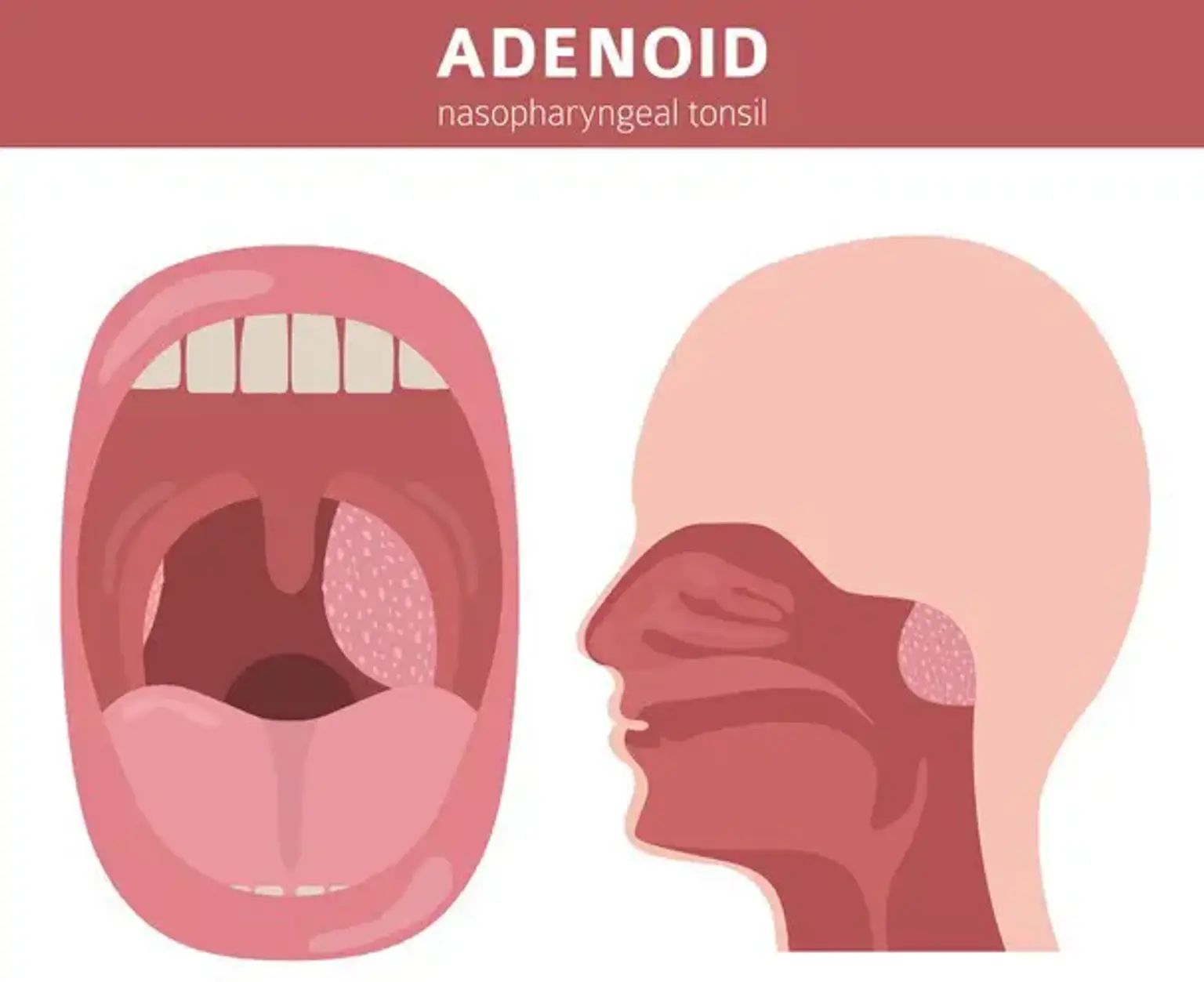
The endoscopic approach, however, offers a clearer view, reduced risks, and a faster recovery time, making it a preferred option for many patients, especially children. This technique not only improves surgical precision but also minimizes post-operative complications, ensuring a smoother experience for patients.
Why Choose Endoscopic Adenoid Surgery?
The shift to endoscopic adenoidectomy has transformed the way the procedure is performed, offering significant advantages over traditional methods:
Precision: The use of an endoscope allows surgeons to view the adenoids clearly, ensuring a complete and accurate removal.
Reduced Risks: Unlike traditional methods, which can lead to bleeding or damage to surrounding tissues, the endoscopic approach minimizes these risks.
Faster Recovery: Because it's less invasive, patients generally experience quicker healing times and less discomfort.
Additionally, endoscopic surgery is highly effective for both children and adults, addressing conditions like sleep apnea, snoring, and chronic ear infections with improved results.
What is Adenoidectomy?
Adenoidectomy refers to the surgical removal of the adenoids, which are small lumps of tissue located in the upper part of the throat, behind the nose. These tissues play a role in the immune system during childhood but can become enlarged due to infections or inflammation, causing breathing, sleeping, or hearing issues.
The most common indications for adenoidectomy are:
Obstructive sleep apnea: When enlarged adenoids block the airway during sleep.
Chronic rhinosinusitis: Persistent inflammation of the sinuses.
Otitis media: Chronic middle ear infections due to Eustachian tube dysfunction.
Nasal obstruction: Difficulty breathing through the nose caused by swollen adenoids.
Adenoidectomy is often necessary when non-surgical treatments fail to alleviate symptoms.
Pre-Surgical Assessment and Planning
Before undergoing endoscopic adenoidectomy, patients must undergo a thorough evaluation to assess the severity of the condition. This may include:
Nasal endoscopy: A procedure where a small camera is inserted into the nose to visualize the adenoids.
Imaging tests: X-rays or CT scans might be used to determine the size and location of the adenoids.
The surgeon will review the patient’s medical history and discuss the most appropriate surgical approach. In some cases, if there are concerns about the adenoids’ size or other underlying conditions (like a cleft palate), additional tests may be recommended to ensure a smooth surgical outcome.
This careful pre-surgical assessment helps avoid complications and ensures the best possible results.
Benefits of Endoscopic Adenoidectomy
Endoscopic adenoidectomy offers several significant benefits:
Minimal Blood Loss: The use of the microdebrider and suction ensures minimal bleeding during surgery.
Quick Recovery: Patients often return to normal activities within a few days, with most needing only a short hospital stay (usually less than 24 hours).
Reduced Complications: Unlike traditional methods, the endoscopic approach minimizes damage to surrounding tissues like the Eustachian tube, reducing the risk of future complications.
Better Surgical Precision: The clear view provided by the endoscope allows the surgeon to remove all adenoid tissue without causing harm to nearby structures.
Overall, endoscopic adenoidectomy ensures faster healing and improved outcomes, especially in pediatric patients.
Endoscopic Adenoidectomy in Children
In pediatric cases, endoscopic adenoidectomy is particularly beneficial. Enlarged adenoids are a common cause of sleep apnea, chronic ear infections, and nasal obstructions in children. The endoscopic method is ideal because it:
Causes less pain and discomfort post-surgery.
Reduces the time children need to stay in the hospital.
Offers a quicker recovery, allowing kids to return to normal activities sooner.
Pediatric patients also experience fewer complications compared to traditional adenoidectomy, making it the preferred option for young children.
Risks and Potential Complications
While endoscopic adenoidectomy is generally safe, there are a few risks:
Bleeding: Although the risk is lower than with traditional methods, some bleeding may occur during or after surgery.
Injury to Surrounding Structures: If not carefully performed, there is a small risk of damaging the Eustachian tube, nasal septum, or the soft palate.
Infection: As with any surgery, there is a risk of infection in the post-operative period.
However, these risks are rare, and with proper care, most patients recover without issues.
Effectiveness and Success Rates
Endoscopic adenoidectomy has a high success rate, especially in treating conditions like sleep apnea, snoring, and chronic ear infections. Studies show that 90-95% of patients experience a significant improvement in their symptoms, particularly in children. For those with obstructive sleep apnea, the procedure can help reopen the airway, leading to better sleep quality and fewer nighttime disruptions.
Long-term, patients who undergo endoscopic adenoidectomy often see a reduction in recurrent ear infections and sinus problems, improving both health and quality of life.
The Procedure: Step-by-Step
Endoscopic adenoidectomy involves several key steps to ensure safety and precision:
Anesthesia: The patient is placed under general anesthesia, ensuring they are comfortable and unaware during the procedure.
Endoscopic Visualization: A rigid endoscope is introduced through the nose or mouth to clearly visualize the adenoid tissue.
Adenoid Removal: Using specialized tools like a microdebrider (a rotating blade with suction), the surgeon carefully removes the adenoid tissue. The microdebrider shaves off the tissue while simultaneously removing blood and debris, improving visibility.
Cleaning: The surgeon ensures that all tissue is removed, leaving the surrounding mucosal lining intact to avoid damage.
This method allows for precise tissue removal, which reduces complications like bleeding or mucosal injury compared to traditional methods.
Cost and Accessibility of Endoscopic Adenoid Surgery
The cost of endoscopic adenoidectomy varies depending on factors like the hospital, surgeon's experience, and geographic location. On average, it can range from $2,000 to $5,000 USD. This may include pre-surgical assessments, anesthesia, and hospital fees.
While it may be more expensive than traditional adenoidectomy, the benefits—such as quicker recovery and fewer complications—often make it a cost-effective option in the long run. The procedure is accessible in many hospitals and surgical centers worldwide, particularly in developed countries. However, accessibility may vary in less developed regions.
Recovery Process and Postoperative Care
Recovery after endoscopic adenoidectomy is typically quick:
Immediate Care: Patients are monitored in a recovery room for a few hours before being discharged, typically within 24 hours.
Pain Management: Mild discomfort or a sore throat is common post-surgery and can be managed with pain relievers.
Diet: Soft foods and liquids are recommended for the first few days to avoid irritation.
Follow-up Care: A follow-up appointment within a week is crucial to check for any complications and ensure proper healing.
Most patients experience significant relief from symptoms like snoring, nasal obstruction, and ear infections within weeks after surgery.
Global Popularity and Advancements in Technique
Endoscopic adenoidectomy has gained popularity globally due to its precision, safety, and faster recovery time. Advances in nasal endoscopy and surgical tools like the microdebrider have revolutionized the procedure, making it a standard of care for many surgeons.
Technological improvements allow for better visualization of the adenoid tissue, reducing the likelihood of incomplete removal. Surgeons can now perform the procedure more efficiently with minimal risk. The use of microdebriders (which offer more controlled tissue removal) has further enhanced safety and outcomes, making this procedure accessible to patients around the world.
Real-Life Examples and Patient Testimonials
Patients who undergo endoscopic adenoidectomy often experience significant improvements in their symptoms. For example, many children who previously struggled with sleep apnea or chronic ear infections report a substantial reduction in these issues post-surgery. Parents frequently notice improvements in their child’s sleep, behavior, and overall quality of life.
One testimonial from a parent shared that their child’s snoring and restlessness during sleep disappeared entirely after the procedure. Similarly, a patient who had recurring sinus infections saw dramatic improvement in their nasal breathing and overall comfort.
These real-life examples highlight how endoscopic adenoidectomy can have a profound positive impact on both children and adults, improving not only physical health but emotional well-being too.
Alternatives to Endoscopic Adenoid Surgery
While endoscopic adenoidectomy is widely preferred, there are alternatives:
Traditional Adenoidectomy: Involves removing the adenoids using a curette or suction device. Although effective, it carries a higher risk of bleeding and a longer recovery period.
Non-surgical Treatments: In some cases, enlarged adenoids can be treated with medications, such as nasal steroids or antibiotics, to reduce inflammation and infection.
However, if these treatments fail or symptoms persist, surgery becomes the most effective solution. Endoscopic surgery stands out due to its precision and minimal recovery time.
Frequently Asked Questions (FAQs)
1. Is endoscopic adenoidectomy safe?
Yes, it is a safe procedure with minimal risk of complications when performed by a qualified surgeon. The use of an endoscope improves visibility, reducing the chance of injury to nearby structures.
2. How long does recovery take?
Most patients recover within 5 to 7 days, although the full recovery period may extend to two weeks. During this time, a soft diet and rest are recommended.
3. What are the risks?
While the risks are low, they include bleeding, infection, and in rare cases, damage to the Eustachian tube. However, complications are infrequent with the endoscopic technique.
4. How soon will my child return to normal activities?
Children can usually return to school or normal activities within 3 to 5 days, though it’s best to avoid strenuous activities for about two weeks.
5. Will my child need to stay overnight in the hospital?
In most cases, a short hospital stay (less than 24 hours) is required, especially for children. This allows for observation and ensuring there are no complications after surgery.
Patient Considerations: When is Surgery Needed?
Endoscopic adenoidectomy is generally recommended when non-surgical treatments fail or when symptoms become significantly disruptive. Common signs that surgery may be needed include:
Chronic nasal congestion and difficulty breathing through the nose.
Sleep disturbances, including snoring and pauses in breathing during sleep (sleep apnea).
Frequent ear infections or fluid buildup behind the eardrum due to Eustachian tube dysfunction.
Persistent sinus infections that do not respond to medication.
It is crucial for patients or parents to discuss symptoms with a healthcare provider, who can evaluate whether surgical intervention is necessary based on the severity of the condition.
Post-Surgery Lifestyle Adjustments and Long-Term Care
After endoscopic adenoidectomy, lifestyle changes may be necessary to support full recovery and prevent recurrence of symptoms. These adjustments include:
Hydration: Staying hydrated helps reduce irritation and supports the healing process.
Avoiding irritants: Patients should avoid exposure to smoke, dust, and allergens, as these can prolong recovery.
Follow-up appointments: Regular check-ups are essential to ensure the adenoids have been fully removed and to monitor for any complications.
Good hygiene: Nasal rinses and saline sprays may be recommended to keep the nasal passages clear and reduce the risk of infection.
Long-term, most patients see lasting improvements in their symptoms, with reduced frequency of ear infections, sinus problems, and sleep disturbances.
Choosing the Right Surgeon
Selecting a skilled and experienced surgeon is crucial for the success of endoscopic adenoidectomy. Consider the following when choosing a surgeon:
Expertise: Look for a surgeon who specializes in ENT (ear, nose, and throat) procedures and has experience with endoscopic techniques.
Hospital or Surgical Center: Ensure the facility is equipped with the latest technology and meets safety standards.
Patient Reviews: Seek feedback from other patients who have undergone the same procedure, as their experiences can provide insight into the surgeon’s skill and the overall patient experience.
A well-qualified surgeon will explain the procedure thoroughly, address concerns, and ensure that patients are fully informed before moving forward with surgery.
The Future of Endoscopic Adenoid Surgery
As technology continues to advance, endoscopic adenoidectomy is likely to become even more refined. Future innovations may include:
Improved imaging techniques: Enhanced 3D imaging or robotic assistance could provide even more precise surgical control.
Faster recovery options: New post-surgical therapies may help reduce recovery time further and minimize discomfort.
Expanded use in adults: Although primarily performed in children, there may be a rise in the number of adults seeking endoscopic adenoidectomy as more research shows its benefits for older populations.
Continued advancements in surgical techniques and patient care promise to make endoscopic adenoid surgery even more effective, accessible, and less invasive.
Conclusion
Endoscopic adenoidectomy has revolutionized the treatment of enlarged adenoids, offering a safer, more precise alternative to traditional adenoid removal techniques. With its minimal invasiveness, quick recovery time, and reduced risk of complications, this procedure has become the preferred choice for both pediatric and adult patients suffering from nasal obstruction, sleep apnea, and chronic ear infections.
For children, in particular, it provides a gentler and faster recovery path, allowing them to return to their normal activities in no time. It not only improves physical health but also has a significant positive impact on quality of life, offering better sleep, improved breathing, and fewer recurrent infections.
Ultimately, endoscopic adenoidectomy represents a modern, effective solution for those struggling with adenoid-related health issues. By choosing this procedure, patients can experience lasting relief and a return to a healthier, more comfortable life. Consulting with a skilled ENT specialist is key to ensuring the best outcomes, as the decision to undergo surgery should always be based on a comprehensive evaluation of symptoms and individual health needs.
Whether you’re considering the procedure for your child or for yourself, endoscopic adenoidectomy offers a reliable, scientifically backed solution that significantly improves overall health and well-being.