Introduction
Skull base surgery is a critical procedure for treating conditions affecting the skull's foundation, such as tumors, deformities, and other complex issues. Endoscopic Skull Base Surgery is a minimally invasive technique that allows surgeons to access the skull base through small incisions, often through the nasal passages, using specialized endoscopic tools.
This approach is preferred over traditional surgery for its reduced recovery time, less pain, and minimal scarring. Unlike traditional methods, which may involve large incisions, endoscopic surgery provides more precision, allowing surgeons to remove tumors, address deformities, and restore volume in the skull base without disrupting surrounding tissues.
Conditions Treated with Endoscopic Skull Base Surgery
Endoscopic skull base surgery is effective for a wide range of conditions, including:
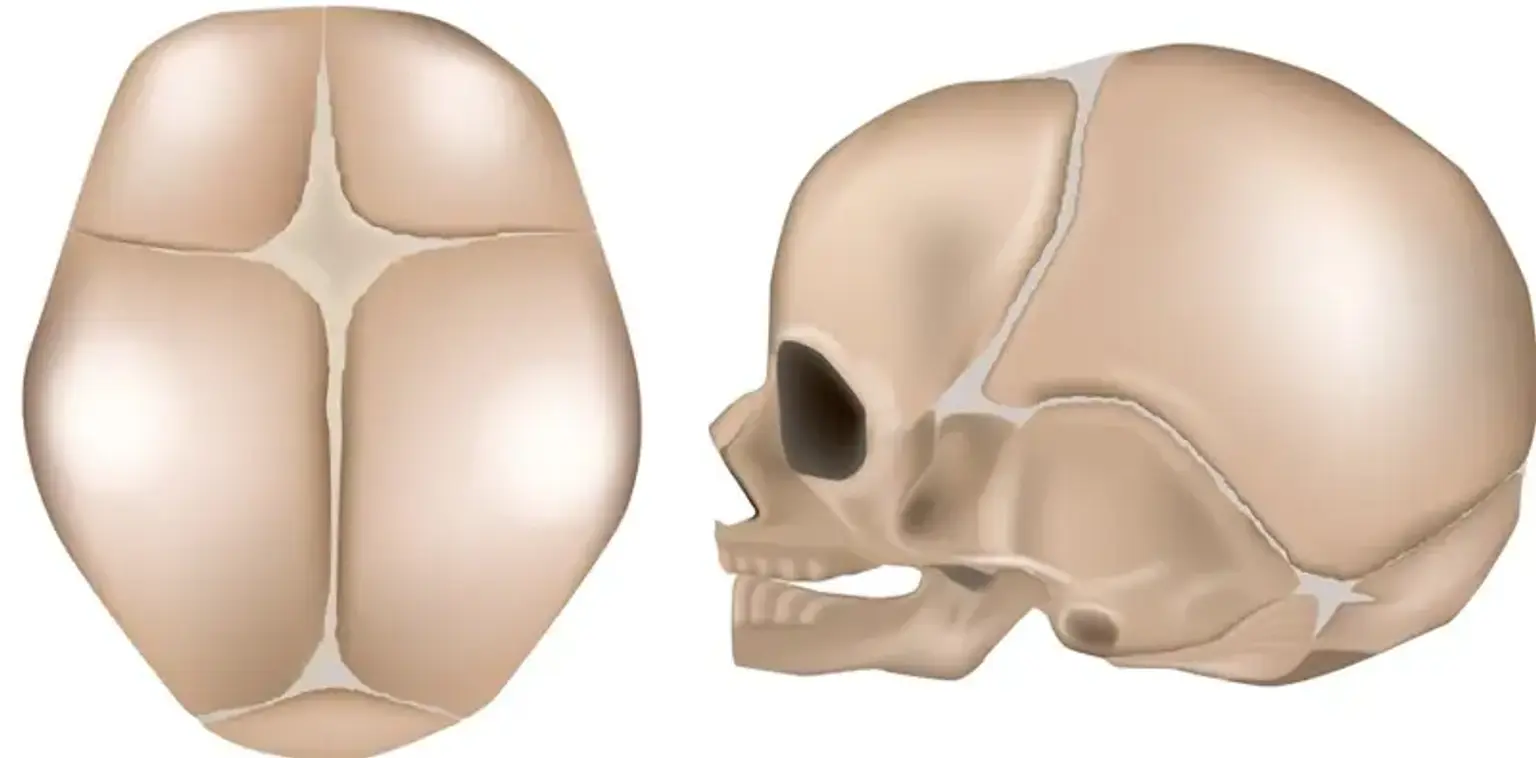
Skull Base Tumors:
This surgery is commonly used for removing benign tumors like meningiomas, schwannomas, and pituitary tumors, as well as certain malignant growths. The precise access provided by endoscopy helps remove these tumors while preserving surrounding tissues.
Skull Base Deformities:
Endoscopic methods also treat skull base deformities resulting from trauma, congenital conditions, or previous surgeries. The minimally invasive approach reduces recovery time and minimizes complications.
Other Conditions:
Besides tumors and deformities, endoscopic skull base surgery can also treat vascular malformations, cranial nerve issues, and infections that affect the skull base.
How Endoscopic Skull Base Surgery Works
The procedure begins with small incisions, typically made through the nose, where a flexible endoscope (a thin tube with a camera) is inserted to provide a clear view of the skull base. Using specialized instruments, the surgeon removes tumors or repairs deformities with high precision. The minimally invasive nature of the surgery helps minimize disruption to surrounding tissue, leading to less pain and quicker recovery.
Endoscopic Techniques:
The surgery may involve Nasal Endoscopy, where the surgeon navigates through the nasal passages, or a transoral or transnasal approach, depending on the location of the condition. This technique reduces the need for large external incisions, offering a safer and more effective treatment.
Minimally Invasive Approach:
Endoscopic skull base surgery is considered minimally invasive due to its small incisions and advanced technology. This reduces complications, speeds up recovery, and results in less scarring than traditional open surgeries.
Benefits of Endoscopic Skull Base Surgery
Endoscopic skull base surgery offers several significant benefits over traditional open surgery:
Faster Recovery:
Because of the smaller incisions, patients typically experience quicker recovery times, often returning to normal activities within weeks rather than months.
Less Pain and Scarring:
The minimally invasive technique leads to less trauma, causing significantly less post-operative pain and minimal scarring. This is particularly beneficial for patients who are concerned about cosmetic outcomes.
Improved Functional and Aesthetic Outcomes:
Endoscopic skull base surgery not only removes tumors and repairs deformities but also helps restore volume and function to the skull base area. Patients can benefit from enhanced aesthetic outcomes, especially when restorative techniques like fat grafting are used to restore lost volume.
Skull Base Volume Restoration Post-Surgery
One of the key aspects of Endoscopic Skull Base Surgery is its ability to restore volume lost during tumor removal or deformity correction. When tumors or other growths are removed, the skull base area can lose volume, which may affect both function and aesthetics.
Restoring Skull Base Volume:
After surgery, volume restoration techniques, such as fat grafting, are often employed to fill the voids and restore the natural contours of the skull base. Fat is typically harvested from another part of the body and carefully grafted to the surgical site to improve both appearance and function.
Importance of Volume Restoration:
Restoring volume is not only crucial for cosmetic outcomes but also for improving the overall function of the area. This helps in preventing further issues such as facial asymmetry, difficulty with speech, or other functional impairments that can arise from volume loss.
Endoscopic Skull Base Surgery vs. Traditional Surgery
Key Differences:
Traditional Surgery: Involves larger incisions, longer recovery times, and more risk of complications. Surgeons often need to open the skull to access the tumor or deformity, which can lead to significant post-operative pain and longer healing times.
Endoscopic Surgery: This minimally invasive approach uses small incisions, typically through the nose or mouth, offering a more precise and effective way to remove tumors or repair deformities.
Advantages of Endoscopic Surgery:
Reduced Recovery Time: Patients experience faster healing times with fewer complications.
Less Pain: Smaller incisions and less trauma to the surrounding tissue reduce post-operative pain.
Minimal Scarring: Endoscopic surgery leaves less noticeable scars, which is especially beneficial for cosmetic concerns.
Which Is Better for You?:
Endoscopic skull base surgery is generally the preferred option for most patients due to its advantages, but in some cases, traditional surgery may still be necessary, depending on the complexity of the condition.
Risks and Complications of Endoscopic Skull Base Surgery
While Endoscopic Skull Base Surgery offers numerous benefits, it is important to understand the potential risks and complications involved in the procedure.
Possible Risks:
Bleeding: As with any surgery, there is a risk of bleeding, although it is minimal compared to traditional surgeries.
Infection: Infection is a potential risk, but it is rare with the use of advanced sterilization techniques.
Nerve Damage: The proximity of the surgery to critical nerves means there is a slight risk of nerve damage, which could affect motor or sensory functions.
CSF Leak: In rare cases, there could be a leakage of cerebrospinal fluid (CSF), which might require further treatment.
How Risks Are Minimized:
Endoscopic surgery is typically safer due to the small incisions and the precision of the technique. Surgeons undergo rigorous training to minimize these risks, and modern imaging technology helps guide the procedure, ensuring the highest level of accuracy.
Pre-Surgical Assessments for Endoscopic Skull Base Surgery
Before undergoing Endoscopic Skull Base Surgery, a series of assessments are necessary to ensure the patient is suitable for the procedure.
Evaluation Process:
Medical History: The patient’s overall health is evaluated, and any previous surgeries or conditions are reviewed to assess how they might affect the surgery.
Imaging: CT scans or MRI scans are typically performed to get a detailed view of the skull base and any tumors or deformities.
Blood Tests: These tests help ensure that the patient’s body can tolerate surgery and heal properly afterward.
Consultation with Specialists:
A qualified practitioner specializing in skull base surgery will carefully evaluate all the patient’s medical data and recommend the best approach for surgery. They will also explain the benefits, risks, and what the patient can expect before, during, and after the procedure.
Treatment Planning:
Based on the assessment, the surgeon will develop a personalized treatment plan, which may include planning for volume restoration techniques or the use of specific endoscopic tools.
Post-Surgical Recovery and Expectations
After Endoscopic Skull Base Surgery, recovery is typically quicker and less painful compared to traditional surgery, thanks to the minimally invasive nature of the procedure.
Recovery Timeline:
Initial Recovery: Most patients experience mild discomfort and swelling for the first few days. Pain is generally well-managed with medication.
Return to Normal Activities: Most patients can return to work and light activities within 1-2 weeks. Strenuous activities should be avoided for 4-6 weeks to allow the body to heal.
Full Recovery: Complete recovery, including the final results of the surgery, can take several months, with improvements in function and aesthetics becoming more evident as the swelling subsides.
Follow-Up Care:
Regular follow-up visits are essential for monitoring recovery, ensuring proper healing, and checking for any signs of complications. Imaging tests may be used to assess progress.
Pain Management:
Post-operative pain is typically mild, and most patients only need over-the-counter pain relievers. The use of ice packs and other techniques helps manage discomfort during the recovery process.
Advanced Techniques in Endoscopic Skull Base Surgery in Korea
South Korea is known for its advanced medical technology and expertise in Endoscopic Skull Base Surgery, making it a top destination for patients seeking treatment.
Korea’s Leading Role in Skull Base Surgery:
Korean hospitals offer cutting-edge surgical options, with highly skilled surgeons specializing in endoscopic techniques. These advanced techniques result in more precise tumor removal, quicker recovery, and improved cosmetic outcomes.
Innovations in Technology:
Korea is a leader in robotic-assisted surgery and AI-guided precision, both of which are incorporated into endoscopic skull base procedures. These innovations help surgeons achieve higher success rates, even with complex cases.
Skilled Practitioners:
Korean skull base surgery specialists are renowned for their expertise in both tumor removal and volume restoration, providing patients with effective, customized treatments that offer both functional and aesthetic benefits.
Restorative Techniques in Endoscopic Skull Base Surgery
One of the key advantages of Endoscopic Skull Base Surgery is its ability to restore lost volume and correct deformities, improving both appearance and function.
Restoring Function and Aesthetics:
After the removal of tumors or correction of deformities, restorative techniques are often employed to help restore the natural shape of the skull base. This can include fat grafting, where fat is harvested from the patient’s body and injected into the affected area to fill volume loss.
Volume Restoration:
Volume restoration is essential for patients whose skull base has lost its natural shape due to surgery or deformity. Fat grafting and other techniques help enhance the contours of the skull base, making the patient feel more confident and improving overall facial symmetry.
Rehabilitation and Therapy:
In some cases, post-surgery rehabilitation or physical therapy may be required to help the patient regain full functionality, particularly if nerve damage occurred during surgery.
Cost of Endoscopic Skull Base Surgery
The cost of Endoscopic Skull Base Surgery varies based on several factors, including the complexity of the procedure, the hospital, and the location of the surgery.
Factors Influencing Cost:
Complexity of the Case: More complex surgeries, such as those involving tumor removal and volume restoration, may increase the cost.
Geographical Location: The cost can vary depending on the country or region. Korea is known for offering advanced treatments at competitive prices compared to other countries.
Surgeon Expertise: The experience and reputation of the surgeon can also affect the cost of the procedure.
Cost in Korea:
In Korea, Endoscopic Skull Base Surgery typically ranges from $4,000 to $10,000, depending on the complexity and whether restorative techniques like fat grafting are included.
Insurance and Financing Options:
Many patients opt for medical tourism in Korea because of the affordability and financing options available. Insurance may cover part of the surgery if it is deemed medically necessary.
The Role of Endoscopic Skull Base Surgery in Cosmetic Surgery
Endoscopic skull base surgery is not only a vital treatment for medical conditions like tumors and deformities, but it also plays a significant role in cosmetic surgery, particularly in restoring facial aesthetics.
Impact on Facial Aesthetics:
During surgery, the removal of tumors or repair of deformities may leave the skull base looking sunken or asymmetrical. Restorative techniques, such as fat grafting, are used to restore lost volume and improve the overall facial appearance. This can help patients regain their natural look, ensuring both functional and aesthetic outcomes.
Facial Volume Restoration:
Loss of volume in the skull base area can contribute to an aged or distorted appearance. By using fat grafting or implants, surgeons restore volume and contour, making the face appear more youthful and balanced.
Integrating with Cosmetic Procedures:
Endoscopic skull base surgery is often combined with other cosmetic procedures for a comprehensive facial rejuvenation. For example, patients may choose additional facial surgery to improve overall aesthetics, such as facelifts or neck lifts.
Case Studies of Successful Endoscopic Skull Base Surgery
Real-life examples of successful Endoscopic Skull Base Surgery demonstrate how effective this minimally invasive procedure can be in improving both functional and aesthetic outcomes for patients.
Patient Stories:
Many patients who have undergone this surgery report significant improvements in both their appearance and quality of life. One patient, for example, had a large pituitary tumor removed and was able to resume normal activities within a few weeks, with no visible scarring.
Before and After Results:
Before surgery, patients often experience facial asymmetry or loss of volume due to the tumor or deformity. After surgery, with the use of volume restoration techniques, such as fat grafting, they experience improved symmetry and restored natural contours.
Patient Testimonials:
Patients have shared that not only did the procedure improve their health and functionality, but it also helped them regain confidence in their appearance, highlighting the dual benefits of functional restoration and cosmetic enhancement.
FAQs about Endoscopic Skull Base Surgery
When considering Endoscopic Skull Base Surgery, patients often have questions about the procedure, its benefits, and potential outcomes. Here are some of the most common inquiries:
What is Endoscopic Skull Base Surgery?
It’s a minimally invasive surgical technique used to treat tumors, deformities, and other conditions affecting the skull base. The procedure typically involves small incisions, often through the nasal passages, and utilizes endoscopic tools for precise tumor removal or deformity correction.
Is the surgery painful?
Pain is usually minimal due to the smaller incisions and the use of advanced techniques. Most patients experience mild discomfort, which can be managed with prescribed pain medications.
How long does it take to recover?
Recovery times vary, but patients typically return to normal activities within 1-2 weeks, with full recovery taking around 3-6 months, depending on the complexity of the procedure.
Are there any risks?
As with any surgery, there are risks involved, such as infection, bleeding, and nerve damage. However, the minimally invasive nature of the procedure reduces these risks significantly.
How does it compare to traditional surgery?
Endoscopic skull base surgery offers a less invasive option with smaller incisions, reduced pain, quicker recovery times, and minimal scarring, making it a preferred choice over traditional open surgery.
Conclusion
Endoscopic Skull Base Surgery offers a transformative solution for patients dealing with complex conditions like tumors, deformities, or volume loss in the skull base area. This minimally invasive technique ensures faster recovery, less pain, and improved aesthetics, making it an ideal choice for many patients.
Summary of Benefits:
Minimal scarring and faster recovery times compared to traditional surgery.
Restores volume and function in the skull base, improving both cosmetic and functional outcomes.
Highly effective for tumor removal, deformity correction, and facial rejuvenation.
Encouragement to Seek Treatment:
If you're considering Endoscopic Skull Base Surgery for tumor treatment, deformity correction, or facial rejuvenation, consult with a qualified specialist to determine the best approach for your needs. This procedure offers both health benefits and aesthetic improvements, providing a comprehensive solution for skull base concerns.