Introduction
Eyelid drooping, also known as ptosis, is a common condition where the upper eyelid sags, either partially or completely, over the eye. While often associated with aging, this condition can occur at any age and may affect one or both eyes. Eyelid drooping can have significant effects on both a person's appearance and vision, often making the eyes appear tired or older. In severe cases, it can obstruct vision, leading to safety concerns and reduced quality of life.
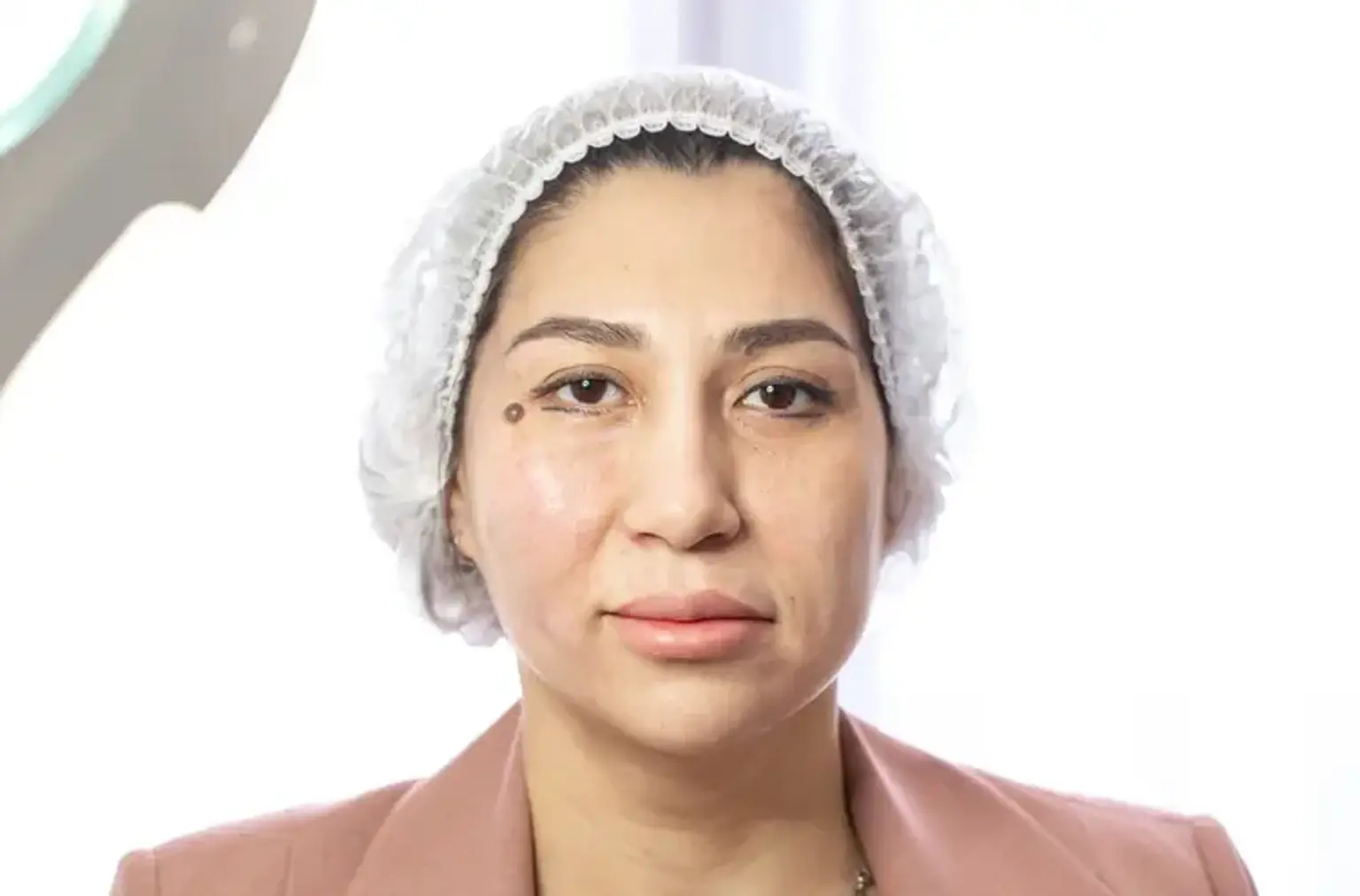
Eyelid drooping correction surgery, also called ptosis surgery, aims to restore a more youthful appearance by lifting the eyelids and improving the function of the eyes. This procedure is particularly beneficial for people whose drooping eyelids are not just a cosmetic concern but also a functional issue, impacting vision. In this article, we will explore the causes, treatments, and options available for eyelid drooping correction, focusing on blepharoplasty and ptosis surgery, and help you understand what to expect before, during, and after the surgery.
What is Eyelid Ptosis and Why Does It Happen?
Ptosis refers to the drooping of the upper eyelid, which occurs when the levator muscle—the muscle responsible for lifting the eyelid—weakens or becomes stretched. This muscle may also become detached or be unable to function properly, causing the eyelid to sag. Ptosis can be classified based on its severity, from mild cases that slightly obscure the eye to severe cases that almost completely cover the pupil, impairing vision.
There are several causes of ptosis:
Aging: As we age, the skin and muscles around the eyes naturally lose elasticity and strength. The levator muscle may weaken over time, leading to eyelid drooping.
Genetics: In some cases, drooping eyelids are hereditary, with individuals being born with weakened eyelid muscles.
Trauma or injury: Physical injury to the eye area or surgery complications can result in damage to the muscles and nerves that control eyelid movement, leading to ptosis.
Neurological conditions: Certain conditions such as myasthenia gravis (a condition that weakens muscles) or Horner’s syndrome can cause eyelid drooping.
Congenital ptosis: This type of ptosis is present from birth and is often caused by an underdeveloped levator muscle.
While ptosis is most commonly associated with aging, it can happen at any age. It may develop gradually, and in some cases, it may be so subtle that it is not noticed until it starts to interfere with vision or become a cosmetic concern. Regardless of the cause, ptosis can affect both the upper eyelids, with one or both eyelids drooping, which can result in a tired or sad appearance and impact one’s self-esteem.
Understanding Eyelid Drooping Correction Surgery (Ptosis Surgery)
Eyelid drooping correction surgery, also known as ptosis surgery or blepharoplasty, is a procedure designed to lift the upper eyelids, improving both the appearance and function of the eyes. The aim of the surgery is to tighten the muscles, remove excess skin, and reposition the eyelid to a more youthful and functional position.
Ptosis surgery is typically recommended for individuals whose eyelids are drooping to the extent that it interferes with their vision or makes them appear fatigued or older. The procedure can be performed on one or both eyelids, depending on the severity of the condition.
How Ptosis Surgery Works:
Incision Placement: The surgeon usually makes an incision along the natural crease of the upper eyelid to minimize scarring. In some cases, the incision may be made in the inner part of the eyelid if it's more suitable for a particular patient's anatomy.
Muscle Adjustment: The levator muscle is either tightened or repositioned to restore its ability to lift the eyelid. If the muscle is too weak, the surgeon may use a portion of the brow muscle or other surrounding tissue to help support the eyelid.
Excess Skin Removal: If necessary, excess skin and fat may be removed to create a smoother, more youthful contour to the eyelid area.
Closing the Incisions: The incisions are closed with sutures, which will gradually dissolve as the healing progresses.
In some cases, eyelid surgery can be combined with other procedures, such as a facelift or brow lift, to address overall facial sagging. This can help provide a more comprehensive, harmonious look.
Types of Eyelid Surgery: Blepharoplasty vs Ptosis Correction
When considering eyelid surgery, it's important to understand the difference between blepharoplasty and ptosis surgery, as both procedures are designed to address different concerns.
Blepharoplasty:
Blepharoplasty is a general term for eyelid surgery aimed at removing excess skin, fat, or muscle from the upper and/or lower eyelids. It is primarily a cosmetic procedure designed to rejuvenate the appearance of the eyelids, reduce puffiness, and remove bags under the eyes. This procedure does not address the levator muscle function, and it’s typically recommended for individuals whose eyelids are drooping due to aging or cosmetic concerns rather than functional issues.
In upper eyelid blepharoplasty, excess skin and fat are removed to create a more youthful and open-eyed look. This procedure can also be performed on the lower eyelids to remove bags and smooth out wrinkles.
Ptosis Surgery:
On the other hand, ptosis surgery focuses on correcting the underlying muscle issue that causes eyelid drooping. It is primarily intended for patients with ptosis, where the levator muscle cannot adequately lift the eyelid. This condition can be caused by aging, injury, or congenital issues, and it often affects a person's vision as well as their appearance.
Unlike blepharoplasty, which is mainly cosmetic, ptosis surgery can address functional concerns, such as vision obstruction. Ptosis surgery specifically targets the levator muscle or uses other tissues to support and lift the eyelid, which restores the eyelid’s proper function and appearance.
In summary, blepharoplasty is for those seeking cosmetic improvements to the eyelids, while ptosis surgery is essential for individuals whose eyelid drooping affects their vision and is caused by muscle weakness or other functional issues. Depending on the patient's needs, a combination of both procedures may be required to achieve the desired aesthetic and functional results.
Is Eyelid Drooping Correction Surgery Right for You?
Eyelid drooping correction surgery is an ideal option for individuals whose eyelids have become droopy enough to obstruct their vision or create a tired, aged appearance. Ideal candidates are typically in good overall health, with no major eye conditions such as glaucoma or dry eye disease. Age is not a strict barrier; however, patients should have realistic expectations about the results.
Before opting for surgery, it’s essential to consult with a qualified surgeon who can assess the degree of eyelid drooping, the underlying cause (e.g., aging or congenital ptosis), and your overall health. In some cases, surgery may be necessary to improve vision, while in others, it may simply be for cosmetic purposes.
If your eyelids are severely obstructing vision or causing daily discomfort, ptosis surgery can offer a functional solution, while a blepharoplasty might be sufficient if you're looking for aesthetic enhancement.
The Surgical Procedure: Step-by-Step Guide
The eyelid drooping correction procedure typically involves several steps:
Pre-Operative Preparation: Before surgery, your surgeon will perform an eye exam to assess your eyelids' condition. You’ll be advised to avoid smoking, blood-thinning medications, and alcohol before the procedure.
Anesthesia: Eyelid surgery is often performed under local anesthesia with sedation. This ensures you're awake but relaxed during the procedure. In some cases, general anesthesia may be used.
Incision and Muscle Adjustment: An incision is made along the natural crease of the eyelid to minimize scarring. The levator muscle is then either tightened or repositioned, depending on the degree of ptosis.
Excess Skin Removal: If necessary, any excess skin or fat is removed to achieve a smoother, more youthful look.
Closing the Incisions: The incisions are closed with fine sutures, which dissolve on their own after a few weeks.
The entire surgery typically takes around 1 to 2 hours, depending on the complexity of the case.
Expected Results of Eyelid Drooping Correction Surgery
The results of eyelid drooping correction surgery are often immediately noticeable, with improved eyelid function and a more youthful appearance. Most patients experience a significant reduction in eyelid sagging, resulting in a more open and alert expression.
Over time, swelling and bruising will subside, and the eyelid's final position will settle. Many patients report an improvement in vision, especially if the eyelids were obstructing the field of view. A more rested, vibrant appearance is another key benefit of the surgery, particularly for those concerned with the aesthetic aspect of drooping eyelids.
However, it's important to keep in mind that full results may take several weeks or months to fully manifest, as the tissue heals and the eyelid adjusts to its new position.
Potential Risks and Complications of Eyelid Surgery
Like any surgery, eyelid drooping correction comes with some risks. Common complications include:
Infection: While rare, infection can occur at the incision site.
Scarring: Although incisions are placed in the natural eyelid crease, some scarring may still occur.
Asymmetry: In some cases, the eyelids may not match perfectly in height or appearance.
Dry Eyes: Some patients may experience dryness or irritation in the eyes, though this usually resolves after recovery.
Rare complications include nerve damage, vision issues, or a noticeable "over-correction" where the eyelids are lifted too much, resulting in a surprised or unnatural look. Choosing an experienced, qualified surgeon can greatly reduce these risks.
Proper post-operative care, including avoiding strenuous activity, keeping the eyes moist, and following your surgeon's instructions, is crucial for minimizing complications and ensuring a smooth recovery.
Recovery After Eyelid Drooping Correction Surgery
After undergoing eyelid drooping correction surgery, the recovery process is generally straightforward, but it does require attention and care. The first few days are crucial, as you’ll need to follow your surgeon’s post-operative instructions to ensure proper healing.
Recovery Timeline:
First Few Days: Swelling and bruising around the eyes are common immediately after surgery. You may also experience some mild discomfort, which can usually be managed with prescribed pain relief.
1–2 Weeks: Most of the swelling and bruising will begin to subside within the first two weeks. During this time, you’ll be advised to avoid strenuous activities, excessive heat, or anything that could strain your eyes.
3–4 Weeks: By this time, the majority of swelling will have reduced, and you may feel more comfortable returning to work or normal activities. However, avoid intense physical exercise during this period.
1–2 Months: Final results begin to become clearer, as any remaining swelling will have resolved and the incision areas will heal.
Post-Surgical Care:
Keep your head elevated during the first few days to reduce swelling.
Apply cold compresses to minimize bruising.
Use lubricating eye drops as directed to avoid dryness.
Avoid rubbing your eyes, and be cautious with makeup or lotions around the surgical site.
It’s essential to attend follow-up appointments with your surgeon to monitor healing and address any concerns.
Cost of Eyelid Drooping Correction Surgery
The cost of eyelid drooping correction surgery varies depending on multiple factors, including location, surgeon’s experience, and the complexity of the surgery. On average, the cost for ptosis surgery ranges between $2,000 and $6,000 in the United States, with some higher-end practices charging more.
Factors that can influence cost:
Surgeon’s Expertise: Highly experienced surgeons may charge more for their services.
Geographic Location: Costs tend to be higher in major metropolitan areas or regions with a higher cost of living.
Type of Procedure: Whether you're having just ptosis surgery or combining it with a blepharoplasty or other facial surgeries can impact the price.
While the procedure can be costly, many people find that it is an investment in both their appearance and quality of life, especially if ptosis affects vision. Insurance coverage may be available if the surgery is deemed medically necessary (i.e., the drooping eyelid obstructs vision), but it typically doesn’t cover the cosmetic aspect of the surgery.
Is Eyelid Surgery Safe?
Eyelid surgery is generally a safe and well-tolerated procedure when performed by a board-certified surgeon. However, like all surgeries, there are inherent risks. The safety of the procedure is significantly increased by choosing a skilled and experienced surgeon, one who specializes in eyelid surgeries.
Key Safety Considerations:
Pre-Surgical Evaluation: A thorough pre-surgical evaluation of your health and eye condition helps minimize risks and ensures you're a good candidate for surgery.
Qualified Surgeon: Ensure that your surgeon is certified by the American Board of Plastic Surgery or a similar reputable body. Surgeons specializing in oculoplastic or eyelid surgeries typically have more expertise in performing ptosis correction.
Anesthesia: Most eyelid surgeries are performed under local anesthesia with sedation, which is generally safe. General anesthesia may be used for more extensive procedures.
By adhering to post-operative care instructions and attending follow-up visits, you can reduce the risk of complications and ensure a smooth recovery process.
Why People Choose Eyelid Drooping Correction Surgery
People choose eyelid drooping correction surgery for a variety of reasons, ranging from aesthetic concerns to functional benefits. For many, the desire to look more youthful and rested is the main motivator. Drooping eyelids can make an individual appear tired or even sad, regardless of their actual energy levels or mood.
Beyond aesthetics, ptosis surgery is often sought by individuals who experience vision obstruction due to the excess skin or sagging eyelids. In these cases, the surgery improves both appearance and function, allowing people to regain a full field of vision and perform daily tasks more easily.
Emotional Benefits:
Increased confidence and self-esteem.
A more vibrant, youthful appearance.
Restored facial balance and symmetry.
Ultimately, eyelid drooping correction surgery provides both practical and emotional improvements, leading to higher satisfaction with one's appearance and functionality.
Who Is Not a Good Candidate for Eyelid Surgery?
While eyelid drooping correction surgery can benefit many people, it’s not suitable for everyone. Those who may not be ideal candidates include:
People with certain health conditions: If you have diabetes, heart disease, or uncontrolled hypertension, surgery may pose higher risks. Your surgeon will evaluate your health before proceeding.
Active eye conditions: Conditions like dry eye disease, glaucoma, or retinal issues can complicate the healing process and make surgery less advisable.
Unrealistic expectations: Individuals seeking dramatic changes in their appearance should have realistic goals, as surgery has limitations.
Smokers: Smoking impairs healing, so it's recommended to quit before surgery.
A consultation with a board-certified surgeon is essential to assess your suitability for the procedure and to discuss potential risks and benefits.
Alternatives to Eyelid Surgery
If you're not ready for surgery or prefer a less invasive option, there are alternatives to eyelid drooping correction:
Botox: Botox can temporarily lift the eyelid by relaxing surrounding muscles. This non-surgical approach is less invasive but offers only temporary results.
Ultherapy: This treatment uses ultrasound technology to tighten and lift the skin, offering subtle results without the need for incisions.
Thread Lifts: A minimally invasive technique that uses threads to lift and tighten sagging skin around the eyes.
These alternatives may be ideal for those with mild ptosis or those who are not yet ready for surgery. However, they don’t provide the same long-lasting, dramatic results as ptosis surgery.
Maintaining Results After Eyelid Surgery
After eyelid drooping correction surgery, maintaining the results is possible with proper care:
Skin care: Use sunscreen regularly to protect the delicate skin around your eyes from aging and sun damage.
Healthy lifestyle: Eating a balanced diet, staying hydrated, and avoiding smoking will help maintain skin elasticity and prevent premature aging.
Regular check-ups: Periodic follow-ups with your surgeon can help monitor long-term results and address any concerns early on.
Though the results of ptosis surgery can last for many years, aging will continue to affect your skin, and some people may require touch-ups or additional procedures later in life.
The Impact of Eyelid Drooping Correction Surgery
Eyelid drooping correction surgery can significantly improve both the appearance and function of your eyes, offering both aesthetic and practical benefits. Whether you're seeking to eliminate tired eyes, improve vision, or regain a youthful look, this procedure has proven to be effective and life-changing for many patients.
By choosing an experienced surgeon, understanding the risks and benefits, and adhering to post-surgical care, patients can expect lasting results that enhance their quality of life. Whether it's restoring confidence or improving vision, eyelid drooping correction surgery can be a transformative option for those affected by ptosis.
Common Frequently Asked Questions (FAQs)
How long does the recovery take after eyelid surgery?
Most patients experience swelling and bruising for the first 1–2 weeks. Full recovery typically takes around 1–2 months, with final results visible after several months as swelling completely subsides.
Will the surgery leave noticeable scars?
Incisions are made along the natural eyelid crease, minimizing visible scarring. While scars are generally faint and fade over time, they may remain slightly visible, especially in those with darker skin tones.
Can I wear makeup after eyelid surgery?
It’s important to avoid wearing makeup for the first 1–2 weeks, until the incisions have healed. After that, makeup can be applied cautiously, but avoid the eyelid area for several weeks.
Is eyelid drooping surgery covered by insurance?
If the surgery is deemed medically necessary due to vision obstruction, insurance may cover the procedure. However, cosmetic surgery to improve appearance is typically not covered.
How soon can I return to work?
Many patients can return to work within 1–2 weeks, depending on the nature of their job. Avoiding strenuous physical activity and taking it easy during the initial recovery period is crucial.
The Global Popularity of Eyelid Drooping Correction Surgery
Eyelid drooping correction surgery is not only popular in the United States, but it's also widely performed across the globe. In countries like South Korea, Japan, and Brazil, where cosmetic surgery is common, blepharoplasty and ptosis correction are frequently requested procedures.
The appeal of eyelid surgery crosses cultural boundaries, with individuals seeking improved aesthetics, better vision, or a more youthful appearance. The rise of medical tourism has also contributed to the procedure’s global popularity, as patients travel abroad to take advantage of more affordable rates in countries with skilled surgeons.
The demand for ptosis surgery is expected to continue rising as people seek ways to combat the visible signs of aging or improve functional vision, making the surgery a growing trend worldwide.
The Role of Technology in Eyelid Surgery
Advancements in technology have significantly improved the safety and effectiveness of eyelid drooping correction surgery. Tools like laser surgery allow for more precise incisions, which promote quicker healing and reduced scarring. In addition, 3D imaging helps surgeons better plan the procedure, ensuring more accurate results.
Furthermore, minimally invasive techniques, such as the use of ultrasound or thread lifts, are becoming increasingly popular as alternatives to traditional surgery, offering patients less downtime and faster recovery.
The continued innovation in surgical tools and techniques is expected to further enhance the outcomes of eyelid surgery, making it safer and more accessible for patients seeking correction.
Conclusion
For those struggling with drooping eyelids due to aging, genetics, or other factors, eyelid drooping correction surgery can offer a life-changing solution. Not only does it restore a youthful, refreshed appearance, but it can also improve vision and boost confidence. With proper care and guidance from an experienced surgeon, the results of this procedure can be both natural-looking and long-lasting.
Whether you're considering the surgery for cosmetic or functional reasons, it’s important to research thoroughly, consult with a qualified surgeon, and understand the full scope of the procedure. Eyelid drooping correction surgery may be the key to unlocking a brighter, more confident future.