Introduction
Eyelid ptosis correction surgery, often referred to as ptosis surgery or eyelid lift surgery, is a specialized procedure aimed at correcting drooping upper eyelids caused by weakened or impaired muscles. This condition, medically known as blepharoptosis, not only impacts facial aesthetics but can also obstruct vision, affecting daily activities and overall quality of life.
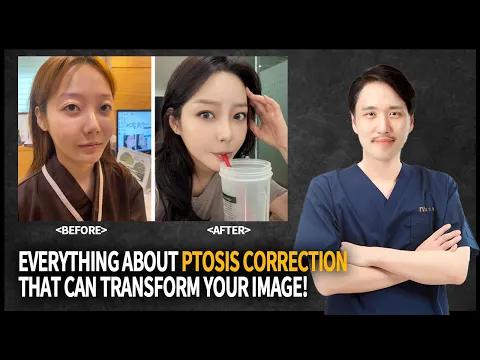
With advancements in oculoplastic surgery, eyelid ptosis correction has become a globally popular procedure for individuals seeking both functional improvement and cosmetic enhancement. Whether caused by aging, congenital factors, or injury, ptosis can now be effectively treated, restoring the eyelid's natural position and enhancing the appearance of the eyes.
What is Eyelid Ptosis?
Eyelid ptosis, or blepharoptosis, refers to the abnormal drooping of one or both upper eyelids. This condition may occur due to weakened levator muscles, which are responsible for lifting the eyelid, or as a result of nerve damage. Common causes of ptosis include:
Aging: Natural wear and tear on the eyelid muscles.
Congenital Factors: Present at birth due to underdeveloped muscles.
Neurological Conditions: Such as Horner’s syndrome or third cranial nerve palsy.
Trauma or Injury: Damage to the eyelid or surrounding structures.
Ptosis is not merely a cosmetic issue; it can significantly impair vision, especially if the drooping eyelid covers part of the pupil. Early diagnosis and treatment are crucial to prevent further complications and improve quality of life.
Types of Ptosis and How They Affect Vision
Ptosis can vary in severity and may affect individuals differently. The condition is often classified into three types based on its impact:
Mild Ptosis: Slight drooping of the eyelid, primarily affecting appearance.
Moderate Ptosis: More noticeable drooping that may partially block vision.
Severe Ptosis: Significant eyelid drooping that fully or nearly obstructs vision.
Functional impairments caused by severe ptosis include difficulty reading, driving, or performing tasks requiring clear vision. Additionally, ptosis can cause eye strain, headaches, or a compensatory raising of the eyebrows, leading to discomfort. Understanding the type and severity of ptosis helps guide treatment decisions, ensuring the best outcomes for patients.
Indications for Eyelid Ptosis Correction Surgery
Eyelid ptosis correction surgery is recommended for individuals whose drooping eyelids interfere with vision or who wish to improve their appearance. Indications for surgery include:
Impaired Vision: When the eyelid obstructs the pupil, limiting the field of view.
Aesthetic Concerns: For those who feel self-conscious about the asymmetrical appearance caused by ptosis.
Functional Issues: Eye strain or discomfort due to the constant effort to lift the eyelids.
Congenital Ptosis: Surgery in children with ptosis to prevent vision development issues.
The procedure is tailored to each patient’s unique needs, addressing both functional impairments and cosmetic desires. A consultation with a qualified oculoplastic surgeon is essential to evaluate the extent of ptosis and determine the most effective treatment plan.
The Eyelid Ptosis Surgery Procedure
Eyelid ptosis surgery, also known as ptosis repair, is typically performed under local anesthesia, with or without sedation, depending on the patient's preference and the complexity of the procedure. The goal of the surgery is to strengthen or reposition the levator muscle that lifts the eyelid.
Key techniques include:
Levator Resection: The levator muscle is shortened and reattached to restore the eyelid's position.
Mueller’s Muscle Resection: For mild ptosis, this muscle is targeted to provide additional lift.
The surgery usually takes 1 to 2 hours, with most patients able to go home the same day. The precise technique used depends on the severity and cause of ptosis, as well as the surgeon’s expertise. It is important to consult with a skilled oculoplastic surgeon to determine the best approach for individual cases.
How is Eyelid Ptosis Diagnosed?
Proper diagnosis is crucial to ensure the right treatment for eyelid ptosis. The diagnostic process involves several steps to determine the cause and severity of the condition.
1. Physical Examination
The first step in diagnosing ptosis is a detailed physical examination of the eyelids and surrounding structures. A doctor will assess the degree of eyelid droop and check for any associated symptoms like vision impairment or eye discomfort.
2. Functional Assessment
The doctor may ask you to perform certain tasks, such as raising your eyebrows or looking upward, to assess how well your eyelids function. This helps to understand if the ptosis is affecting your vision.
3. Medical History
Your medical history will be reviewed to identify any potential causes of ptosis, such as previous eye surgeries, trauma, or underlying neurological conditions like myasthenia gravis or Horner’s syndrome.
4. Specialized Tests
In some cases, the doctor may conduct additional tests like nerve conduction studies or imaging to rule out any neurological conditions that could be contributing to the ptosis.
Treatment Options for Eyelid Ptosis
While surgery is the most effective treatment for ptosis, non-surgical options may be considered for mild cases or for patients who are not ready for surgery.
Non-Surgical Options
Botox: Botulinum toxin (Botox) can be injected into the forehead to temporarily lift the eyelids. This method is best for mild cases and provides temporary relief. It doesn’t address the underlying muscle weakness but can offer a quick, non-invasive fix.
Eyelid Tapes and Strips: Special adhesive strips can lift the eyelid temporarily. While they are a convenient option, they don’t offer a permanent solution and can be cumbersome for daily use.
Upper Eyelid Surgery (Blepharoplasty): In cases where ptosis is accompanied by excess skin or fat, upper eyelid surgery or blepharoplasty can help improve the appearance by removing the excess tissue. This surgery may not directly correct ptosis but can enhance the overall aesthetic of the eyelids.
For moderate to severe ptosis, surgical ptosis correction remains the most effective and permanent solution.
Eyelid Ptosis Correction Surgery Procedure
Ptosis surgery is designed to tighten or repair the muscles responsible for lifting the eyelid. The procedure is usually performed under local anesthesia, meaning you’ll be awake but numbed in the area around the eyes.
Types of Ptosis Surgery
Levator Muscle Resection: The most common method for treating ptosis is tightening or shortening the levator muscle, which is responsible for lifting the eyelid. This procedure is typically done when the levator muscle is weak but still functional.
Frontalis Sling Surgery: For severe cases where the levator muscle is no longer functional, the frontalis muscle (the muscle that raises the forehead) can be used to assist in lifting the eyelid. A sling material (often made of a natural or synthetic material) is attached to the eyelid to connect it to the forehead muscle.
The Surgery Process
Anesthesia: Local anesthesia is administered to numb the area around the eyes, ensuring that you don’t feel pain during the procedure.
Incision: The surgeon makes small incisions in the natural folds of the eyelids to access the muscles beneath.
Muscle Repair or Tightening: The levator muscle is either shortened or tightened to improve the position of the eyelid. If the muscle is too weak, the frontalis sling technique may be used.
Stitching: The incisions are carefully closed with fine sutures, which will be removed after about a week.
What to Expect During Recovery
The recovery process after ptosis surgery is relatively straightforward, though some rest and care are required to ensure optimal results.
Immediate Post-Operative Care
Swelling and Bruising: Swelling and bruising around the eyes are common and should start to subside after a few days. Cold compresses can help reduce swelling during the first 48 hours.
Pain Management: Most patients experience mild discomfort, which can be managed with over-the-counter pain relievers or prescribed medications. Pain is usually minimal, especially with local anesthesia.
Avoid Rubbing: Patients should avoid rubbing their eyes or applying excessive pressure to the area during the healing phase. This ensures that the incisions heal properly and reduces the risk of complications.
Follow-Up Appointments
A follow-up appointment will be scheduled to monitor the healing process. The surgeon will assess how well the eyelid is healing and if any adjustments need to be made.
Expected Results After Eyelid Ptosis Surgery
After the procedure, patients can expect significant improvements:
Immediate Results
Restored eyelid position: The eyelid is lifted to a more natural position, improving both appearance and vision.
Enhanced vision: With the eyelid no longer obstructing the field of view, most patients experience better visual clarity, especially in the upper field.
Long-Term Results
Results typically last for several years, with many patients enjoying a more youthful and alert appearance. Aging can still affect the eyelid, but the correction will usually remain in place for an extended period.
Recovery Timeline and Aftercare
Recovery from eyelid ptosis surgery varies but generally follows this timeline:
First Week
Swelling and bruising are common and should subside within a week.
Patients are advised to keep their head elevated, avoid strenuous activities, and follow prescribed care instructions.
2 to 4 Weeks
Most patients can return to work and normal activities within 1-2 weeks, but it’s important to avoid heavy lifting or bending.
Full Recovery
Complete recovery may take several months. Any residual swelling or mild discomfort should resolve, and patients can enjoy the final results.
Pain Management and Comfort After Surgery
While ptosis surgery is not considered highly painful, some discomfort is expected during recovery. Here’s how it’s managed:
Pain Relief: Over-the-counter pain relievers or prescribed medication can alleviate mild discomfort.
Cold Compresses: Applying cold packs can reduce swelling and provide relief.
Lubricating Drops: These help with dryness or irritation, particularly if the eyelid doesn't fully close.
Most patients find that pain and discomfort significantly diminish within the first few days of recovery.
Non-Surgical Alternatives for Ptosis
While surgery is the most effective treatment for significant ptosis, there are non-surgical options available for mild cases or as temporary solutions. These include:
Botox Injections: In some cases, Botox can be used to lift the eyelids by temporarily relaxing the surrounding muscles.
Ptosis Crutches: A small device worn on glasses to physically lift the eyelids.
These alternatives can provide temporary relief but do not address the root cause of ptosis like surgery does. Non-surgical options are suitable for those not ready for surgery or with mild ptosis, but they generally do not offer long-term results.
Benefits of Eyelid Ptosis Surgery
The benefits of eyelid ptosis correction surgery are both functional and aesthetic. The procedure:
Improves Vision: By lifting the eyelid, it restores the field of vision obstructed by drooping lids.
Enhances Appearance: It results in a more youthful, refreshed look by reducing the sagging eyelid, which can contribute to a tired or aged appearance.
Boosts Self-Esteem: Many patients experience a significant increase in confidence and satisfaction with their appearance following surgery.
The surgery is highly effective, with most patients enjoying long-lasting results. Additionally, it can prevent further vision impairment caused by the condition.
Risks and Complications of Eyelid Ptosis Surgery
As with any surgical procedure, eyelid ptosis correction carries risks. Potential complications include:
Infection: Though rare, an infection could occur, requiring medical intervention.
Scarring: Some scarring may develop, but it is typically well-hidden in the natural creases of the eyelid.
Over-Correction or Under-Correction: If too much or too little eyelid lift is achieved, a revision surgery may be needed.
To minimize risks, it’s essential to follow post-operative care instructions carefully and choose an experienced surgeon. Most patients experience minimal complications and achieve excellent results.
Costs of Eyelid Ptosis Correction Surgery
The cost of eyelid ptosis correction surgery can vary depending on several factors, including location, the surgeon’s expertise, and the complexity of the procedure. On average, the surgery can range from $2,000 to $5,000. However, prices may increase if the procedure involves additional techniques or if the surgery is performed by a renowned specialist.
What’s Included in the Cost?
Consultation fees: Most surgeons charge a consultation fee to evaluate the patient’s condition.
Anesthesia and surgical facility fees: These are usually part of the total price.
Follow-up visits: Post-surgery check-ups to ensure proper healing.
Some insurance plans may cover ptosis surgery if it's deemed medically necessary (i.e., if the drooping eyelids obstruct vision). Be sure to verify insurance coverage with your provider before scheduling surgery.
How to Choose a Qualified Surgeon for Ptosis Surgery
Choosing the right surgeon is crucial to achieving the best possible results and minimizing risks. Here's how to find a qualified professional:
1. Board Certification
Ensure the surgeon is board-certified in oculoplastic surgery or plastic surgery, which specializes in eyelid and facial procedures.
2. Experience and Specialization
Look for a surgeon with specific experience in ptosis correction. The more specialized they are, the better the outcomes tend to be.
3. Patient Reviews and Before/After Photos
Review patient testimonials and before-and-after photos to gauge the surgeon’s skill and the results they’ve achieved for similar cases.
4. Consultation
During the consultation, ask about the surgeon’s approach to ptosis surgery, including technique options, risks, recovery expectations, and whether the procedure is appropriate for your condition.
A well-informed choice ensures that your surgery is both safe and effective.
Frequently Asked Questions (FAQs) About Eyelid Ptosis Surgery
As eyelid ptosis correction surgery becomes more popular, many patients have questions regarding the procedure. Here are some of the most common queries:
Q: Is eyelid ptosis surgery painful?
Most patients report mild discomfort after surgery, which is usually managed with over-the-counter pain relievers. The procedure itself is performed under local anesthesia, so there is no pain during the surgery.
Q: How long does the surgery take?
Eyelid ptosis surgery typically lasts about 1 to 2 hours, depending on the complexity of the case and whether both eyes are treated.
Q: Will I need to stay in the hospital?
Ptosis surgery is typically an outpatient procedure, meaning you can return home the same day. Overnight stays are not usually necessary.
Q: Can ptosis reoccur after surgery?
In some cases, ptosis can recur, especially if the underlying muscle strength continues to weaken. However, most patients experience long-lasting results.
Global Popularity of Eyelid Ptosis Surgery
Eyelid ptosis correction surgery is not just popular in the U.S., but it is gaining traction worldwide. Countries like South Korea, Brazil, and parts of Europe see a high demand for eyelid surgeries, including ptosis correction, due to the increasing focus on cosmetic enhancements and self-image.
Cultural Significance
In some cultures, a youthful, wide-eyed look is considered a beauty ideal, which makes ptosis surgery a common cosmetic procedure. Additionally, the growing accessibility of advanced surgical techniques and increased awareness of the functional benefits of ptosis correction have contributed to its global rise.
Affordability and Medical Tourism
In countries with lower medical costs, such as Thailand, Mexico, and India, medical tourism for ptosis surgery is common. Patients from regions with higher surgery prices often travel abroad to benefit from affordable yet high-quality procedures.
Advancements in Ptosis Surgery
Surgical techniques for ptosis correction have advanced significantly over the years, making the procedure safer, more effective, and less invasive.
Laser-Assisted Surgery
The use of laser technology for making incisions has reduced scarring and minimized healing time. It also provides more precision in muscle tightening, which can improve results.
Endoscopic Techniques
In some cases, endoscopic ptosis surgery is used, which allows surgeons to make smaller incisions, resulting in quicker recovery times and less noticeable scarring.
Customization
Today’s ptosis surgeries can be customized to fit each patient’s unique needs. Surgeons can adjust the procedure based on the severity of ptosis and other individual factors, leading to more personalized, satisfying outcomes.
Conclusion
Eyelid ptosis correction surgery offers a reliable solution for individuals seeking to improve both the appearance and functionality of their eyes. Whether you’re bothered by cosmetic concerns or impaired vision, the procedure can significantly enhance your quality of life.
If you’re experiencing ptosis and are considering surgery, it’s essential to consult with a qualified and experienced surgeon. Make sure to discuss your concerns, set realistic expectations, and understand the risks and benefits. With the right approach, you can achieve natural, long-lasting results that restore both your appearance and confidence.
For many, the journey to clearer vision and a rejuvenated appearance begins with a simple consultation. Take the first step towards a brighter, more comfortable future.